REVIEW · URUBAMBA
4 days/3 nights: Inka Jungle Trek to Machu Picchu
Book on GetYourGuide →Operated by Libertrek Peru Travel Agency · Bookable on GetYourGuide
Four days, two wheels, one big city of stone. This Inka Jungle Trek to Machu Picchu turns the trip into an active route through Cusco’s mountain and jungle zones, not just a transfer to ruins. I love the bike descent on day 1 and the early-entry sunrise approach to Machu Picchu on day 4; you’ll feel like you earned every step. The main consideration: the rafting piece is weather-dependent in peak months, and if the river is high, it simply won’t run and there’s no refund.
What really makes this feel special is how many different textures you get in a short time: cycling, hiking old Inca paths, river crossings, animal and bird spotting, then hot springs at Santa Teresa before the Machu Picchu finale. The trip runs as a small group (up to 15) with an adventure-qualified guide in English and Spanish, so you’re not stuck behind a crowd of strangers. One more practical heads-up: the first day breakfast and your lunch in Aguas Calientes aren’t included, so budget for two small meals you’ll need to buy.
In This Review
- Key things you should know before you go
- Day 1: Cusco to Abra Málaga, then the Santa María bike descent
- Day 2: Urubamba River walking, preserved Inca roads, and Cocalmayo hot springs
- Day 3: Cola de Mono zip line, narrow canyon walking, and the train-track walk to Aguas Calientes
- Day 4: Sunrise walk into Machu Picchu and your guided route of key sites
- Price and value: why $420 can be fair (or not) for you
- Group size, guide quality, and how to protect your trip day-by-day
- Packing checklist that matches the actual activities
- Who should book the Inka Jungle Trek to Machu Picchu?
- Should you book this trek or choose another route?
- FAQ
- What is the duration of the Inka Jungle Trek to Machu Picchu?
- Where does the trek start and how do you get there?
- How many people are in the group?
- What languages does the guide speak?
- Is Machu Picchu entrance included?
- Do you get a train back toward Cusco?
- Is rafting included, and what happens if conditions are unsafe?
- Are hot springs included in Santa Teresa?
- Is the zip line included?
- Are there optional add-ons for Machu Picchu?
Key things you should know before you go
- 06:30 pickup in Cusco and a long travel day that gets moving fast, with the Abra Málaga pass followed by a big bicycle descent
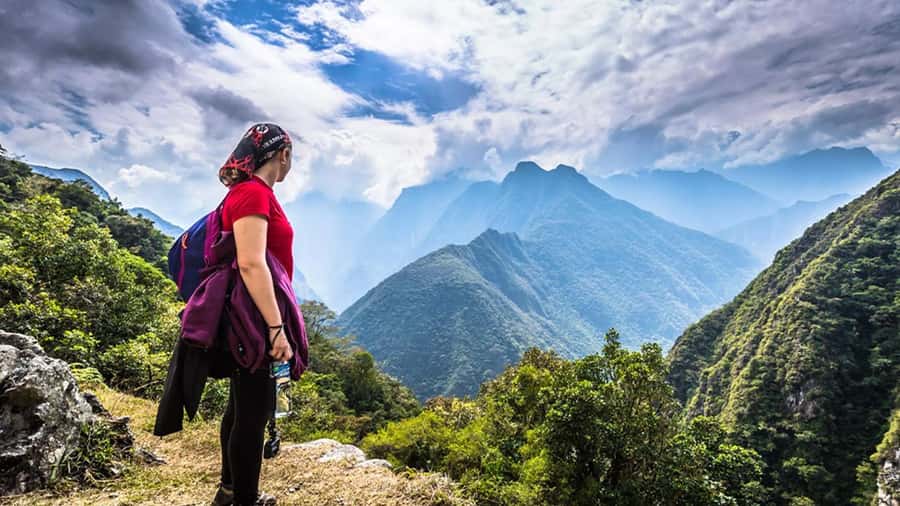
- Day 2 walk on a preserved Inca road along the Urubamba River, plus fruit and medicinal plants you can spot with your guide
- Hot springs at Cocalmayo (Santa Teresa) are part of the plan, but the entrance isn’t included
- Cola de Mono zip line chance on day 3 before the canyon walk toward Hidroeléctrica
- Sunrise timing on day 4 so you can enter Machu Picchu early, then get a guided route through key sites
- Rafting may be canceled if conditions are unsafe, with no refund in that case
Day 1: Cusco to Abra Málaga, then the Santa María bike descent
Your day starts early. You’ll be picked up from your hotel at 06:30, then ride in a private vehicle for about 4 hours across the Malaga pass route to San Luis, where the adventure officially begins. This matters because you’re not wasting time later trying to “catch up” to the group rhythm.
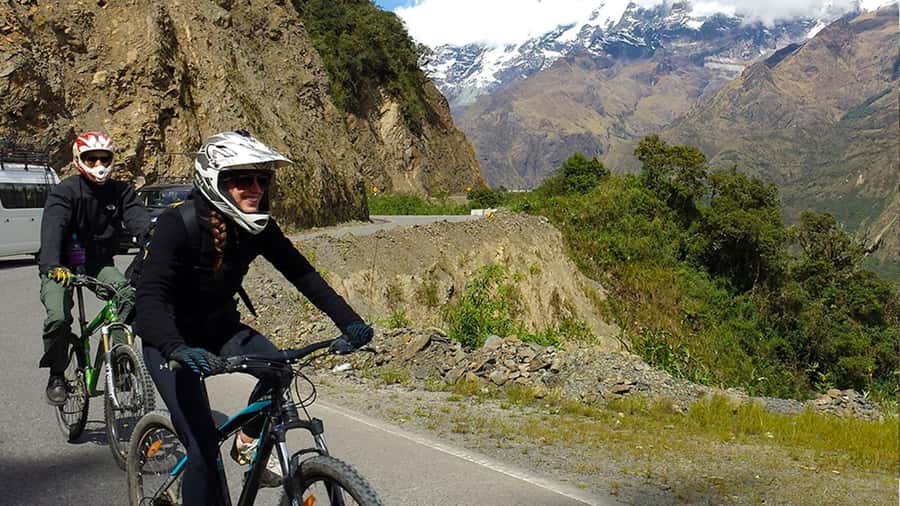
Next comes one of the signature moments: a bicycle descent for roughly 3 to 4 hours down toward Santa María. It’s not just a thrill ride. This is the kind of downhill that lets you see how fast the region changes as elevation drops, from sharper mountain air into warmer, greener pockets. You also get provided biking equipment, which helps you avoid the gear scramble.
Along the way, you’ll stop for a look at the archaeological center of Huamanmarca. Even if you’re not a history person, these pauses work because they give context to the route you’re following—Inca presence wasn’t just in Machu Picchu. It’s in the way people used paths, passes, and settlement points.
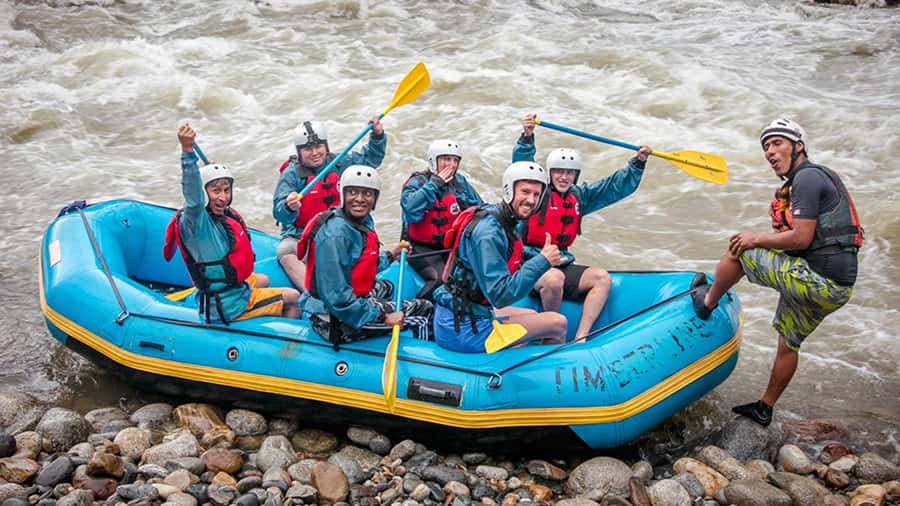
In the afternoon (around 15:00), you have the option to do rafting on the river system tied to the Vilcanota/Urubamba area. The rapids you’ll be dealing with are described as around Class III to IV. This is the kind of activity where timing is tight: it runs only when water conditions allow it.
Important: rafting is subject to weather conditions between January 1 and March 31. If the river is high on your day, the rafting won’t take place, and there’s no refund. So mentally plan for two outcomes: fun on the water, or a day that keeps rolling without it.
You finish the day with an overnight in a hostel in Santa María. Meals are included for the trek overall, but the trip notes specify that breakfast on day 1 is not included, so don’t count on a “free” first meal before your morning pickup.
You can also read our reviews of more tours and experiences in Urubamba.
Day 2: Urubamba River walking, preserved Inca roads, and Cocalmayo hot springs
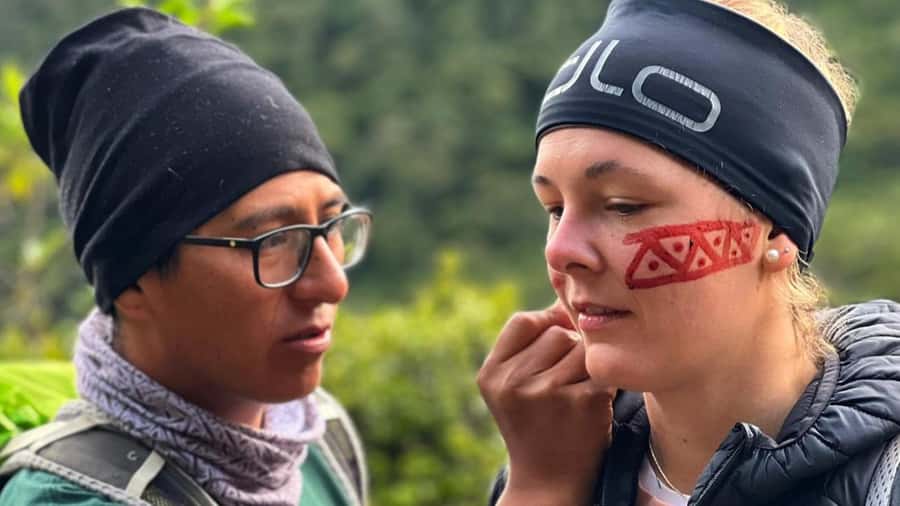
Day 2 is where the trekking starts to feel real. After early breakfast, you’ll walk along the banks of the Urubamba River for about 7 to 8 hours, with constant ups and downs. This long day isn’t a “single climb.” It’s more like a series of effort peaks that keep your legs working and your lungs busy.
You’ll also hike on part of a perfectly preserved ancient Inca road. That’s a big deal because you’re not just walking next to history—you’re following a route that’s still shaped the way it was meant to be used. Your guide will also point out fruit and medicinal plants that local people use for healing. On top of that, expect wildlife and lots of birds; one detail that stands out is the chance to see parrots.
There’s also a river-crossing moment: you cross the Urubamba River through Oroya to reach Cocalmayo hot springs in Santa Teresa. Getting to the hot springs after a long walk is a smart design choice. It’s not “reward theater.” It’s functional recovery: soaking helps your legs reset before day 3 and day 4.
Your night is the hot springs experience in Santa Teresa—but the entrance to the hot springs is listed as not included, so plan to pay that separately on the ground. Pack swimwear and a towel, and save yourself the hassle of improvising.
Day 3: Cola de Mono zip line, narrow canyon walking, and the train-track walk to Aguas Calientes
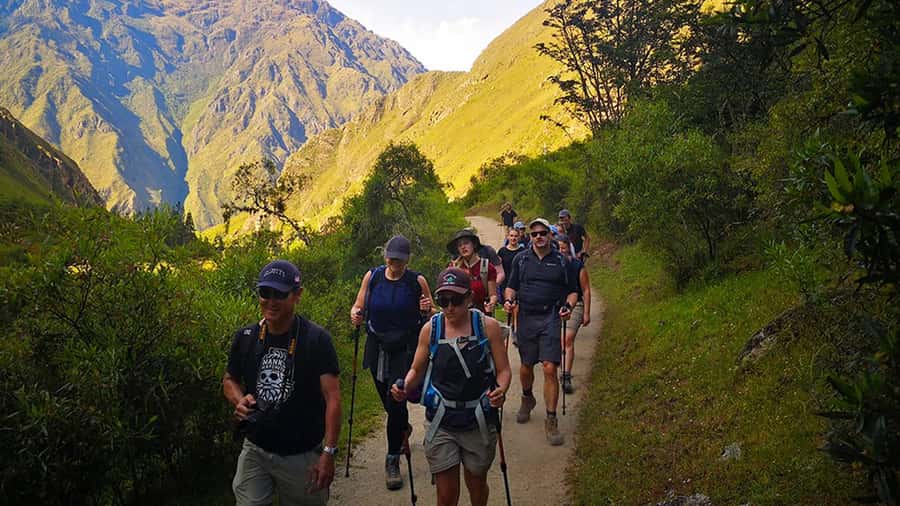
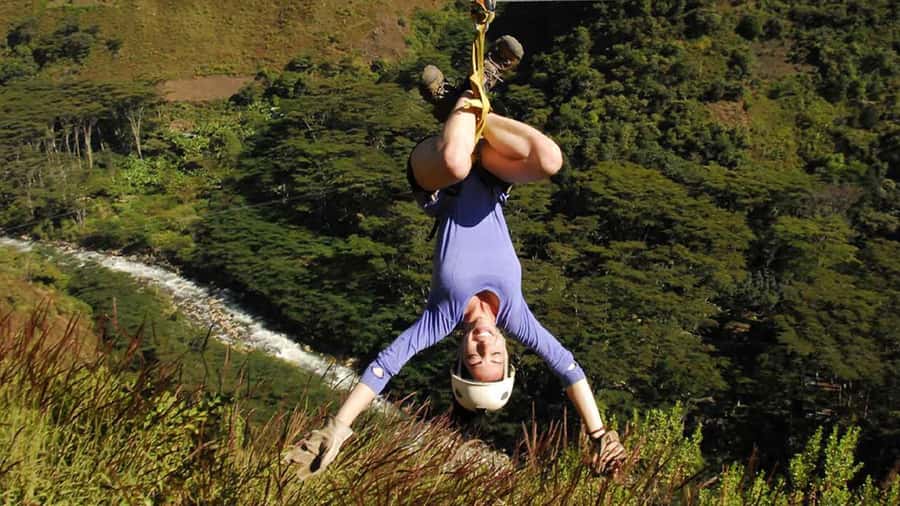
Day 3 adds variety, and that’s part of why people enjoy this trek. In the morning, you can do a zip line at Cola de Mono. It’s included in the overall offering, but it’s described as an option in the day’s flow—so you’re not forced to do it if you’d rather conserve energy.
After breakfast, you start the walk toward Hidroeléctrica, and the route includes a narrow canyon. The notes say the climate there stays pleasantly comfortable, which makes a long walking day easier on you. As you continue, you’ll get a sighting of the mountain of Machu Picchu, which is a useful psychological shift. Until this point, you’re moving through the jungle-and-river world. After this, Machu Picchu becomes real and close.
Lunch is at Hidroeléctrica, then you continue along the train tracks for about 3 hours to Aguas Calientes. This section is simple in concept—walk the tracks—but it still takes time and can feel long if you don’t pace yourself. The trick is to keep your rhythm steady and avoid sprint-stopping for photos too often.
That night you sleep in a hotel in Aguas Calientes. Having a proper bed after two big activity days makes a difference for day 4, especially if you’re aiming to get inside Machu Picchu early.
Day 4: Sunrise walk into Machu Picchu and your guided route of key sites
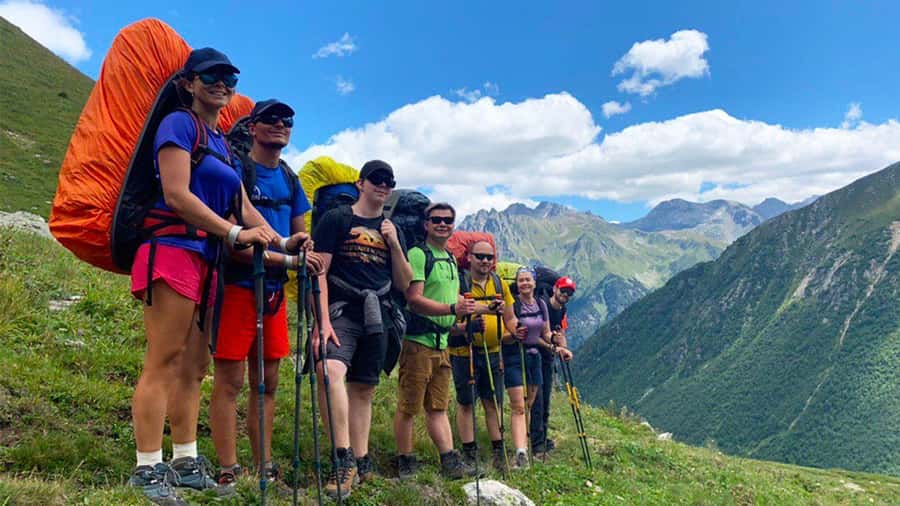
The payoff day starts with a morning walk from Aguas Calientes up to Machu Picchu. The program is designed so you can be one of the first groups inside, which sets you up for a calmer arrival and a shot at sunrise views. Even if sunrise isn’t your thing, arriving early usually means less time stuck outside waiting.
Once you’re inside, you get a guided tour of major stops, including Inti Watana, the Temple of the Condor, and the sacred rock, plus other important areas your guide chooses based on the route and time.
This is where having a guide matters most. The Machu Picchu experience isn’t only the photos. It’s the explanations—where things were placed, how different structures relate to each other, and what the site was built to do. People often speak highly of guides like Gustavo Candia, noting that he communicates clearly in English and Spanish and pays attention to the details that make the ruins click.
After the tour, you’ll head down to Aguas Calientes in time to board the tourist train from Machu Picchu town to Ollantaytambo. From Ollantaytambo, a bus takes you onward to Cusco. The trip also mentions a private transportation from Cusco airport, which signals that the travel planning is handled end-to-end.
One more practical note: bus tickets up and down to Machu Picchu are optional (USD 24). Since your day 4 includes a walking approach to Machu Picchu, you’re not required to buy them for the core experience, but you might choose them if you want a less strenuous day or if weather makes walking unpleasant.
Price and value: why $420 can be fair (or not) for you
At $420 per person for 4 days / 3 nights, this is a mid-range adventure trek. What you’re paying for isn’t just the Machu Picchu ticket. The included list covers a lot of the “expensive annoyances”: private transport segments, an adventure-qualified guide, Machu Picchu entrance, meals (listed as 3 breakfasts/3 lunches/3 dinners across the trek), accommodation each night, the train from Aguas Calientes to Ollantaytambo, and transfers back toward Cusco.
However, a few items are not included that you should mentally factor in:
- Breakfast on day 1 and lunch in Aguas Calientes
- Hot spring entrance at Santa Teresa
- Optional upgrades like Wayna Picchu (USD 65) and optional Machu Picchu bus tickets (USD 24)
The biggest value swing comes from rafting. If the river is too high during January 1 to March 31, rafting won’t happen and there’s no refund. If rafting is your main “must-do,” that’s worth taking seriously before you lock in your plans.
Also, the included activities are packed. That means you’re paying for efficiency and planning. If you prefer slow and flexible, a tight schedule may not match your style.
Group size, guide quality, and how to protect your trip day-by-day
This runs as a small group limited to 15. That’s ideal for two reasons. First, it makes it easier to ask questions during the walk. Second, the guide can keep an eye on the pace without needing to manage a massive crowd.
Guide quality seems to be a highlight. In the provided experiences, Gustavo is repeatedly described as the best part—people note his preparation, attention to needs, and clear explanations. That matters because this trek includes several “activity transitions” (bike to hike to raft option to hot springs to train-track walk to Machu Picchu). A good guide helps all those pieces feel connected instead of chaotic.
Now the realistic part: this is an active trek. You’ll walk hours on day 2 and day 3, and day 4 includes the uphill approach in the early morning. If you arrive unprepared with the right footwear, or if you pack in a way that slows you down, the whole experience becomes harder.
One practical tip I’d strongly recommend, based on what can go wrong on a multi-day trek: carry a small daypack for the day’s essentials. It sounds basic, but when everyone’s moving for miles, heavy bags you’re not using become a real problem. And bring insect repellent and a plan for sun, because you’re in Peru’s warmer zones for parts of the route.
Phone reception can be patchy in these areas, so don’t treat your phone like a safety device. Stay close to your group pace, and if you need a breather or have an injury, address it early with the guide.
Packing checklist that matches the actual activities
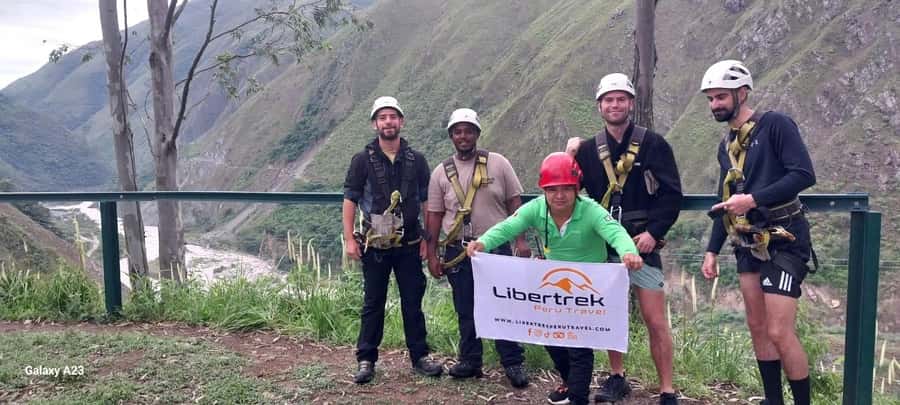
The trip provides biking gear, but you’re responsible for your comfort. Use this list as your baseline, because it lines up with the activities:
- Passport
- Hiking shoes or very solid comfortable shoes
- Comfortable clothes and hiking pants
- Sunglasses, hat, and sunscreen
- Insect repellent
- Swimwear and towel for Santa Teresa hot springs
- Camera
- Personal medication
- Cash
Add one more thing I’d personally treat as non-negotiable: keep the heaviest items light. On a trek, the difference between “nice pack” and “annoying pack” is how long you carry it.
Who should book the Inka Jungle Trek to Machu Picchu?
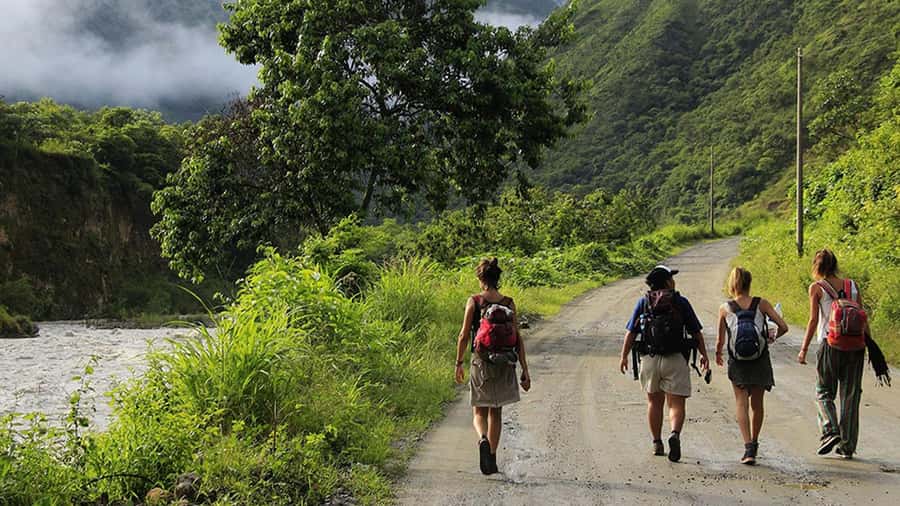
This trek is a great fit if you want Machu Picchu, but you also want the journey to be the point. You’ll enjoy it if you like:
- Mixing outdoor adventure (bike descent, potential rafting, zip line option)
- Long guided walks with natural and historical context
- A small-group experience where you can actually talk with your guide
- The idea of arriving early at Machu Picchu for a more peaceful entry
It might be less ideal if you hate early starts, struggle with long walking days, or strongly need rafting as a guaranteed activity. Weather can change day 1.
Should you book this trek or choose another route?
If your priority is a well-planned adventure route that hits biking, jungle walking, hot springs, and a sunrise-style Machu Picchu arrival, this one is worth serious consideration—especially given what’s included at this price point.
Book it if you can handle 7–8 hour walking days and you’re comfortable with the possibility that the rafting part might not run in certain months. Skip it (or ask extra questions before booking) if your schedule is tight and you’d be disappointed by losing the water activity due to conditions.
If you do book, go in with a flexible mindset, pack smart with a small daypack, and take your time on the long walking sections. The reward is not just Machu Picchu—it’s getting there through a route that feels alive.
FAQ
What is the duration of the Inka Jungle Trek to Machu Picchu?
The tour runs for 4 days and 3 nights.
Where does the trek start and how do you get there?
You start in the Cusco Region. You’re picked up from your hotel in Cusco at 06:30 and transported by private vehicle through the route that includes Abra Málaga to San Luis.
How many people are in the group?
The group is limited to 15 participants.
What languages does the guide speak?
The live tour guide works in English and Spanish.
Is Machu Picchu entrance included?
Yes, entrance to Machu Picchu is included.
Do you get a train back toward Cusco?
Yes. You take the tourist train from Aguas Calientes to Ollantaytambo, and then transportation continues toward Cusco.
Is rafting included, and what happens if conditions are unsafe?
Rafting is included as an activity, but it is subject to weather conditions between January 1st and March 31st. If the river is high on the day, rafting will not take place and there is no refund.
Are hot springs included in Santa Teresa?
The hot springs at Santa Teresa are part of the route, but entrance is not included.
Is the zip line included?
Yes. The itinerary includes the option to do the zip line at Cola de Mono, and the zip line is listed as included.
Are there optional add-ons for Machu Picchu?
Yes. Wayna Picchu is optional for USD 65, and bus tickets up and down to Machu Picchu are optional for USD 24.