REVIEW · MEXICO CITY
From Mexico City: 2-Day Pico de Orizaba Summit Trek
Book on GetYourGuide →Operated by Travesías México · Bookable on GetYourGuide
Pico de Orizaba tests you—and rewards you fast. I like this trek’s structure because it focuses on safety-first guiding and panoramic views rather than just rushing to the top. You’re also not doing it alone in the dark or on the ice; you’re learning as you go, with the kind of small-group attention that makes a big mountain feel smaller.
The second big pull is timing: you’re up early for sunrise on the glacier, and the pace stays human thanks to guides like Alan and Bernardino, who are praised for calm, clear coaching on the tough parts. If you’re new to crampons or an ice axe, that pre-summit practice matters more than you think.
One consideration: this is a high-altitude climb, and it asks for excellent physical condition. The operator also recommends previous mountaineering experience, and the wrong mindset here can turn effort into worry instead of progress.
In This Review
- Key things that make this trek worth your attention
- From Mexico City to the mountain: how the trip sets you up
- Piedra Grande hut night: basic comfort, real mountain rhythm
- Acclimatization walk plus crampons and ice-axe practice
- Before dawn start: glacier views that make the work feel real
- Summit views, then the calm of descent
- Price and value: why $599 can make sense here
- What to pack: your list, translated into real priorities
- Fitness expectations: what “excellent physical condition” really means
- Safety, medical limits, and who should skip this trek
- Guides and the small-team feel: names that come up for a reason
- Should you book this 2-day Pico de Orizaba summit trek?
- FAQ
- How long is the Pico de Orizaba summit trek?
- Where is the meeting point in Mexico City?
- What is the highest point you reach on the trek?
- Do you get training before you head onto the glacier route?
- What’s included in the price?
- What meals are included?
- What should I bring?
- Who is the tour not suitable for?
- Is there free cancellation and a pay-later option?
Key things that make this trek worth your attention
- Crampon and ice-axe practice before the summit push helps you avoid the most stressful first-time moments at altitude.
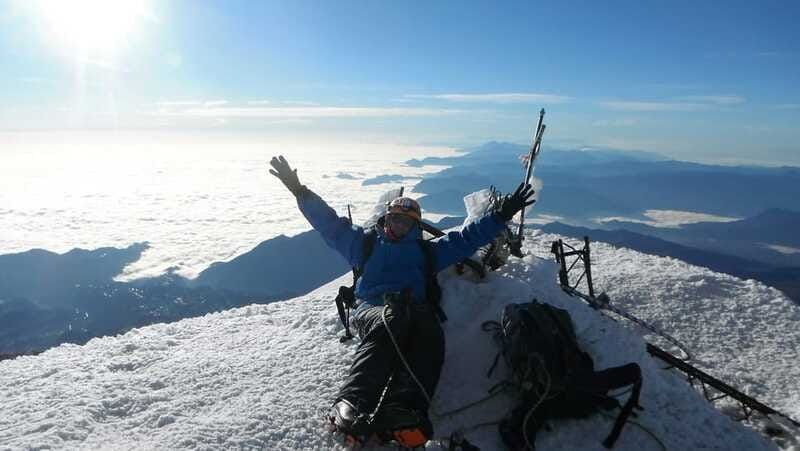
- Sunrise on the biggest glacier in Mexico gives you a built-in reason to get going before dawn.
- A high, glacier route to 5,700 meters means you get real summit bragging rights, with professional guidance throughout.
- Small group size (up to 15) keeps the climb from feeling like a moving crowd on technical ground.
- Gear and safety equipment included (headlamp, helmet, crampons, ice axe) reduces the hassle of getting ready.
- Simple hut overnight at Piedra Grande is basic, but it’s part of the real climb rhythm—eat, prep, and sleep for the ascent.
From Mexico City to the mountain: how the trip sets you up
You start in Mexico City and head out toward Tlachichuca, Puebla. That road-to-mountain transition is more important than it sounds, because it gives you the time to move from city life into altitude mode without trying to cram everything into summit day.
What I like about the setup is that the experience doesn’t treat acclimatization like a checkbox. You get to the mountain hut area in Piedra Grande, then your day continues with an acclimatization walk and hands-on practice. That’s how you keep the climb from feeling like one long surprise.
You’ll also have a reliable plan for getting back down. After the summit, transport is waiting in Tlachichuca, so you’re not scrambling at the end with tired legs and changing weather.
You can also read our reviews of more tours and experiences in Mexico City.
Piedra Grande hut night: basic comfort, real mountain rhythm
The first night is in a mountain hut in Piedra Grande after a 4×4 ride. This is not a hotel weekend, so manage expectations: you’re there to sleep, eat, and reset your body for a high-mountain day.
Dinner is included on the first day, and the point is simple—fuel up without wasting time. One extra practical note: people who’ve done the trek describe the hut as simple, which is exactly what you want on a climb like this. Simple means you can focus on tomorrow instead of trying to track comfort details.
If you’re bringing extra clothing, plan to change once you’re back from the hike. The trek includes guidance that helps you organize yourself, so you’re not carrying unnecessary bulk for the long day. A daypack for essentials is smart, and the hut is your staging area for the rest.
Acclimatization walk plus crampons and ice-axe practice
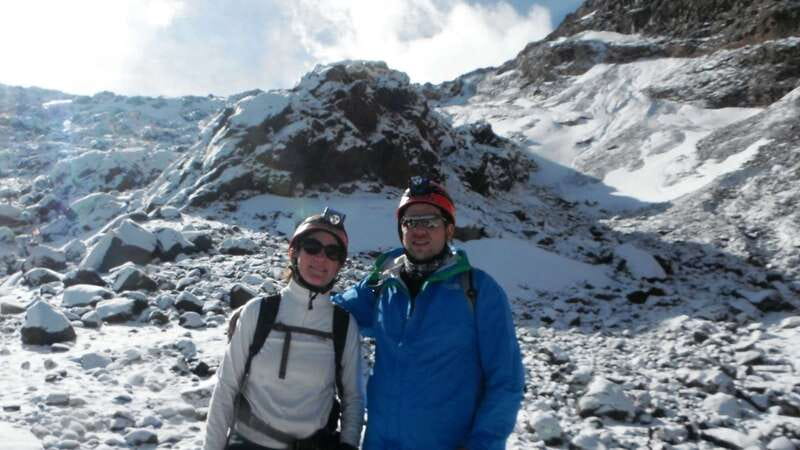
This is the section that can make or break your confidence. Before you’re anywhere near the high glacier route, you do an acclimatization walk and you practice using crampons and an ice axe.
You’ll likely feel a mix of emotions during practice: excitement because you’re finally moving toward the real thing, and nervousness because ice gear can feel intimidating. That practice is where the guides earn their value. With patient instruction, you can learn how to move more steadily and how to use the tools without turning every step into a careful disaster.
This matters because the summit day is early, and you’ll be dealing with cold ground, steep angles, and fatigue. Knowing the basic tool use beforehand keeps you focused on rhythm and breath, not problem-solving.
The good part: the trek includes safety equipment and access to gear like crampons and an ice axe, so you’re not hunting for the right equipment days before a technical climb.
Before dawn start: glacier views that make the work feel real
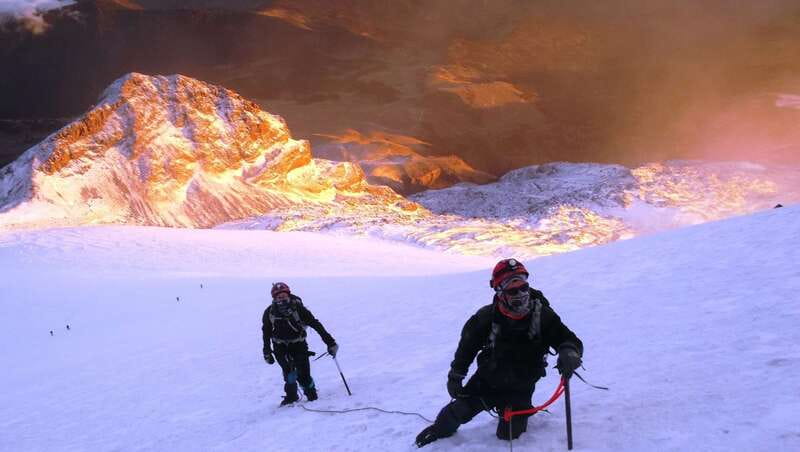
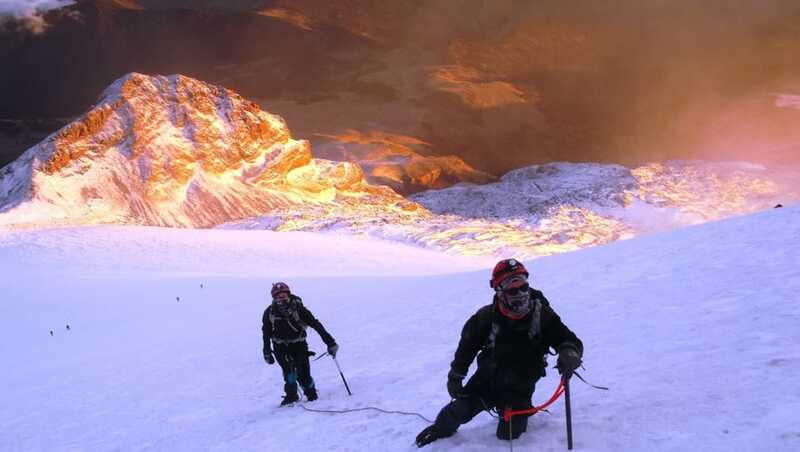
Your second day begins bright and early, before dawn. This timing isn’t just tradition—it’s what positions you to enjoy incredible views as the sun rises and lights up the valley.
As daylight breaks, you’ll be well-positioned to see panoramic scenery around Pico de Orizaba. Then you follow the glacier route toward the crater approach. The goal here is steady progress: you’re not speed-climbing; you’re moving safely across technical terrain while everyone stays in the same general flow.
The sunrise moment is the big emotional payoff: the tour is specifically built around seeing the sun glint off the glacier that leads toward the crater. This is one of those experiences where photos don’t fully explain it. The cold air, the early quiet, and the sudden shift from dark to glowing ice changes how the entire day feels.
You reach the summit at 5,700 meters, the highest peak in Mexico. You’re also climbing at a height that makes breathing and focus take over. That’s why the day is guided so closely—your route choices aren’t just about terrain, they’re about safety and pacing.
Summit views, then the calm of descent
Once you’re on the summit, you get the views and time to take it in. Summit time is never just a photo stop; it’s also when you confirm everything went as planned. The guides keep the group moving with clear safety awareness, and you’ll then descend back toward the hut.
Descent day can feel deceptively hard because your legs are tired, and icy ground doesn’t care about how tough you feel. The good news is that this itinerary uses the same guided structure that carried you up. You’re not alone once you’re back on glacier terrain.
When you return to the hut after summiting, you’ll have the transport lined up for the trip back to Tlachichuca. There’s also a restorative meal included, which is exactly what you want after a big height day—something filling enough to reset you without turning the end of the trip into an energy crash.
Then you head back toward Mexico City. In a tour like this, that predictable finish matters as much as the summit itself.
Price and value: why $599 can make sense here
At $599 per person for a 2-day summit trek, you’re paying for more than a route. You’re buying a package that includes professional guidance, included gear, safety support, and logistics that would be stressful (and risky) to coordinate yourself.
Here’s what you actually get for the money:
- Qualified guides and accident insurance
- Transport from Mexico City to the mountain area and back
- One night accommodation
- Safety equipment and technical gear: head lamp, helmet, crampons, and ice axe
- Entrance fees
- All included meals: lunch and dinner on day one, breakfast and lunch on day two
What’s not included is also clear: alcoholic drinks. That’s normal for a serious mountain program.
If you’re comparing this to DIY climbing, the value comes from the combination of instruction, timing, and safety systems. A high-altitude glacier climb is not just about buying the gear; it’s about using it correctly and moving as a group. This trek is built to remove friction so you can focus on preparation and effort.
Small-group size (limited to 15) is part of the value too. On technical ground, it’s easier for guides to manage pacing and spacing when they’re not dealing with a huge crowd.
What to pack: your list, translated into real priorities
The trek provides a clear packing list, and you should take it seriously. On glacier days, tiny comfort gaps become big problems fast.
Bring:
- Warm layers and thermal clothing (expect cold)
- Gloves and a hat
- Sunglasses and sunscreen (snow glare is real)
- Hiking shoes that work for cold conditions
- A daypack
- Rain gear (because mountain weather can change)
- Change of clothes and toiletries
- A sleeping bag for the overnight hut
A couple practical notes that help you travel smarter:
- Keep your daypack simple. If you carry extra items you don’t use, they weigh you down during long, cold hours.
- Pack for cold hands and cold rest time. Even if you’re working hard on the route, you can cool quickly when you stop.
And yes, bring a towel. It sounds small, but on an overnight mountain setup, it’s one of those comfort items that makes the night easier.
Fitness expectations: what “excellent physical condition” really means
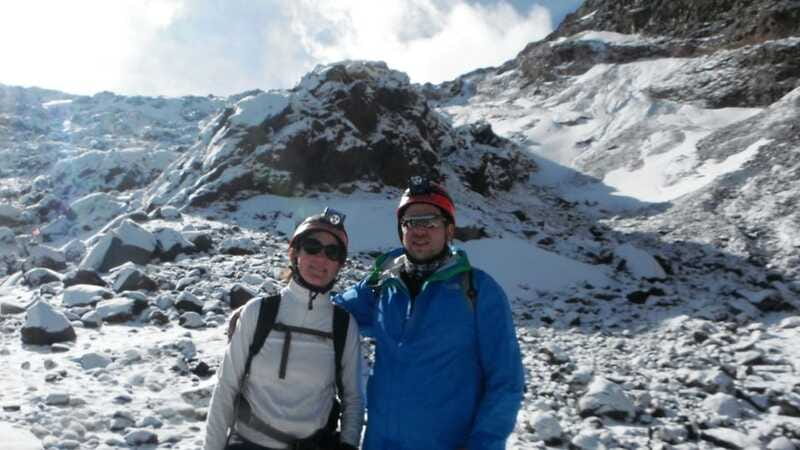
This tour requires excellent physical condition, and it recommends previous mountaineering experience. That recommendation isn’t there to scare you—it’s there because technical ice and altitude raise the difficulty of everything: footing, breathing, and recovery.
In other words: you don’t need to be an elite athlete, but you do need to be ready for sustained uphill effort, steep terrain, cold, and a long day starting before dawn. You should be comfortable hiking for hours at a steady pace.
If you’ve never used crampons or an ice axe, the practice session helps—but it doesn’t turn the summit day into a beginners’ class. The climb is still demanding, and your ability to follow instructions and move safely is key.
Safety, medical limits, and who should skip this trek
This is a guided summit trek with safety equipment included. That’s reassuring, and it’s also why the medical limits matter.
The tour is not suitable for:
- Pregnant women
- People with haemophilia
- People with heart problems
- People with back problems
If you’re uncertain about your health, take it seriously and double-check with a professional before committing. At altitude, conditions can change quickly, and you’re dealing with technical terrain.
Also remember: this isn’t a walk-up. Even with guides, you’re the one placing your feet. Safety comes from training, spacing, and following the guide’s pace and route instructions—especially on glacier ground.
Guides and the small-team feel: names that come up for a reason
One of the best things about this trek is the way guides are described: patient, supportive, and focused on making you feel safe while still pushing for progress. People have singled out guides like Bernardino and Alan for clear explanations and a calm style that reduces panic when conditions feel intense.
There’s also praise for the overall team. One participant highlighted Carlos for service that went beyond the basics—food, guidance, and steady support through a very hard climb. Another mentioned Alan pacing the group based on individual needs, which is how a small-group summit climb stays manageable.
Even the 4×4 driver has been recognized, with Bentito mentioned for being amazing. That kind of teamwork matters because getting to Piedra Grande is part of the same experience arc: you want the logistics handled so your energy is saved for the mountain.
Should you book this 2-day Pico de Orizaba summit trek?
Book it if you want a real mountaineering summit experience with professional support, included technical gear, and a schedule built around sunrise and acclimatization. The combination of glacier-focused climbing, pre-summit crampon/ice-axe practice, and small-group guiding is what makes this a strong value at this price.
Skip it if you’re not ready for high altitude and technical snow/ice. If your health limits you, or if the idea of glacier steps makes you worry more than you train, this is not the best first mountain.
If you’re comfortable working hard, following instructions, and investing in proper warm clothing and a sleeping bag, you’ll likely find this trek memorable for the right reasons: the sunrise timing, the glacier route, and the sense that you earned the summit with help done the right way.
FAQ
How long is the Pico de Orizaba summit trek?
It’s a 2-day experience.
Where is the meeting point in Mexico City?
Meet at the corner of Vicente Suarez and Michoacan at the benches in front of the market.
What is the highest point you reach on the trek?
You reach the summit at 5,700 meters, the highest point in Mexico.
Do you get training before you head onto the glacier route?
Yes. You’ll do an acclimatization walk and practice using crampons and an ice axe before the summit day.
What’s included in the price?
Included are qualified guides, transport, entrance fees, accident insurance, safety equipment, head lamp, helmet, crampons, ice axe, and one night accommodation.
What meals are included?
Lunch and dinner are included on the first day. Breakfast and lunch are included on the second day.
What should I bring?
You’ll need a sleeping bag, hiking shoes, warm and thermal clothing, gloves, hat, sunscreen, sunglasses, rain gear, toiletries, a change of clothes, and a daypack. A towel is also listed.
Who is the tour not suitable for?
It’s not suitable for pregnant women, people with haemophilia, people with heart problems, or people with back problems.
Is there free cancellation and a pay-later option?
Yes. You can cancel up to 24 hours in advance for a full refund, and you can reserve now and pay later.