REVIEW · SOUTH KOREA
Korean Cemetery and Folklore Trek
Book on Viator →Operated by ZenKimchi Experiences · Bookable on Viator
Most tourists never see where Korea buries its dead. This seasonal Korean cemetery folklore trek takes you to an active burial ground in the mountains, where your guide explains funeral traditions and afterlife beliefs in a calm, human way. I like how the experience stays respectful instead of turning mourning into a show.
I also like the small group size, max 6 people, which makes it easier to ask questions and actually understand what you’re seeing. Bus fare between the cemetery area and the Seoul meeting point is included, so you’re not stuck figuring out local transport on your own. One drawback: it runs only September through November and depends on good weather, so you’ll want to plan your Seoul days around that.
In This Review
- Key points to know before you go
- A Quiet Walk Into Yongmi-ri’s Cemetery Folklore
- The 2:30 pm Samsong Station Exit 8G Start (And How the Day Flows)
- What “Respectfully Explore” Looks Like on the Ground
- Yongmi-ri Cemetery 1: The Stop That Turns a Sight Into a Story
- Public Bus Included: The Practical Side of Getting There
- Price and Value: What You’re Really Paying For at $66
- Why the Max-6 Group Size Changes Everything
- The Seasonal September–November Window
- Who Should Book This Cemetery Trek (And Who Might Skip It)
- Should You Book This Tour or Skip It?
- FAQ
- What is the duration of the Korean Cemetery and Folklore Trek?
- How much does the tour cost?
- When does the tour run?
- Where do I meet the tour?
- What time does it start?
- What’s included in the price?
- What is not included?
- Is the tour physically demanding?
- Can I cancel and get a full refund?
Key points to know before you go
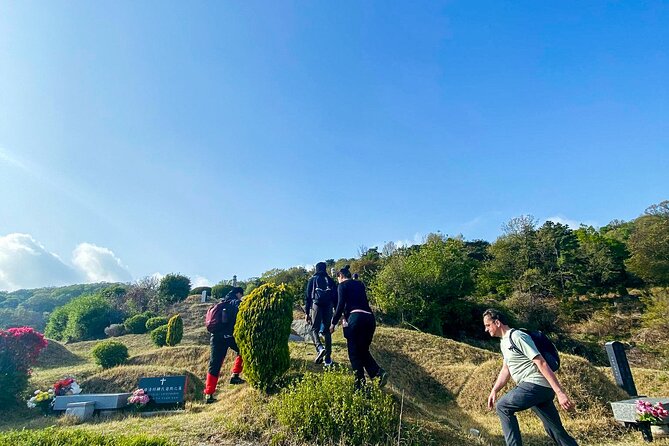
- Active cemetery access, handled with respect: You’ll visit Yongmi-ri Cemetery 1 with guidance focused on proper Korean burial customs.
- Folklore + afterlife traditions explained: Expect legends tied to how people think about the dead and what comes next.
- Small group (up to 6): More time for questions, less time waiting.
- 4 hours, moderate effort: It’s a hiking-style outing, so bring comfortable walking shoes.
- Public bus included, private transport not: You’ll use public transit as part of the plan.
- Seasonal (Sep–Nov): Great window to catch it, but you can’t rely on it year-round.
A Quiet Walk Into Yongmi-ri’s Cemetery Folklore
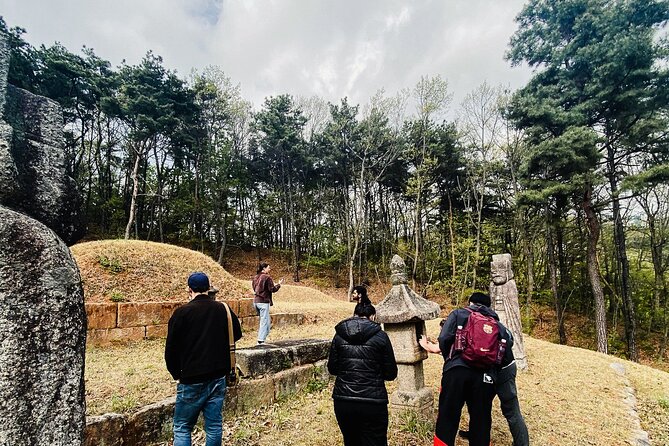
This is not the kind of tour where you rush from one viewpoint to the next. You’re heading to Yongmi-ri Cemetery 1, an active Korean cemetery, which means you’ll experience the space the way locals treat it: with seriousness, routine, and a sense of continuity. That alone makes it different from most Korea “culture” tours that mainly show monuments or performances.
What makes the trek feel personal is how the guide ties what you see to the beliefs behind it. You’re not just looking at tomb spaces. You’re hearing stories and folklore about Korean burial customs and ideas about the afterlife. It’s the kind of explanation that helps you stop treating the cemetery as an odd stop on a Seoul itinerary and start seeing it as part of real life.
You’ll also get a bit of built-in mental space. Even with a guide talking, the setting is peaceful compared with central Seoul. You’re hiking through the mountains to a place of reflection. For me, that’s the best contrast to a trip where the main theme is noise and speed.
The 2:30 pm Samsong Station Exit 8G Start (And How the Day Flows)
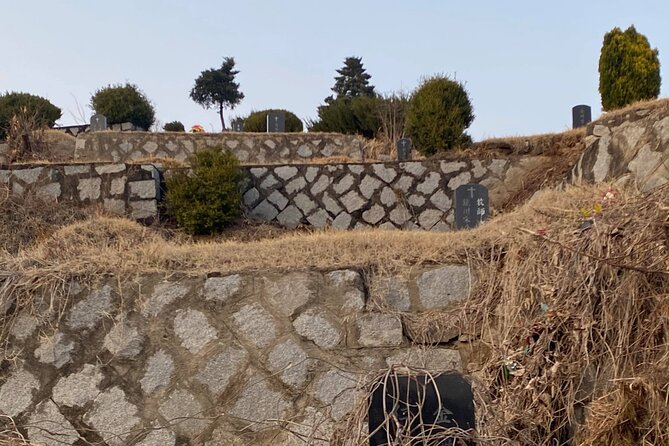
The meeting point is Samsong Station, Exit 8 in Goyang-si, South Korea. The start time is 2:30 pm, and the tour ends back at the meeting point. It’s a half-day format, roughly 4 hours total, so it fits nicely when you want something meaningful without committing a full day.
Why this matters: a 2:30 pm start is often ideal in Seoul. You’re not wasting the morning in transit, and you get to avoid some of the most intense midday heat or crowding (depending on the season). Also, ending where you started makes the logistics simpler than day trips that drop you in a different neighborhood.
The tour also uses a mobile ticket, so you don’t need to worry about printing anything out. It’s a small detail, but in real-world travel, small details reduce stress.
What “Respectfully Explore” Looks Like on the Ground
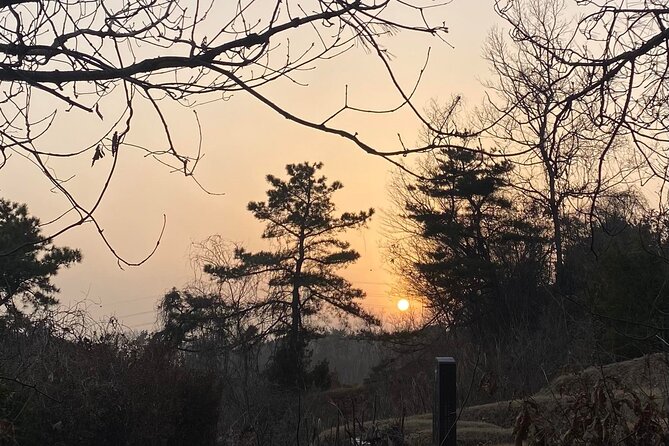
This tour is built around one core idea: you’re entering a place where people handle real mourning and remembrance. That changes the tone. You’re not there to treat graves like photo props, and the guide’s role is to keep the visit grounded in proper context.
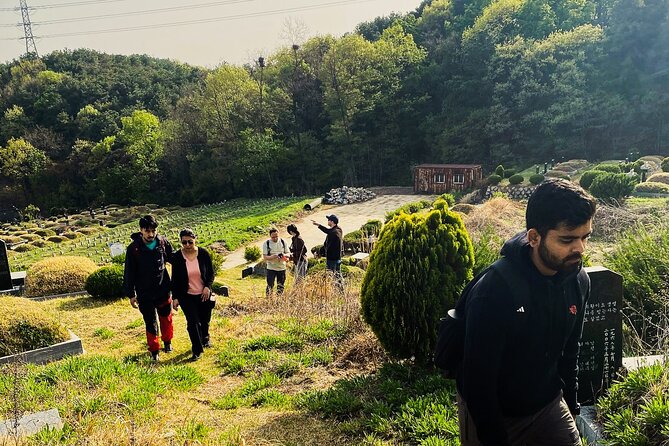
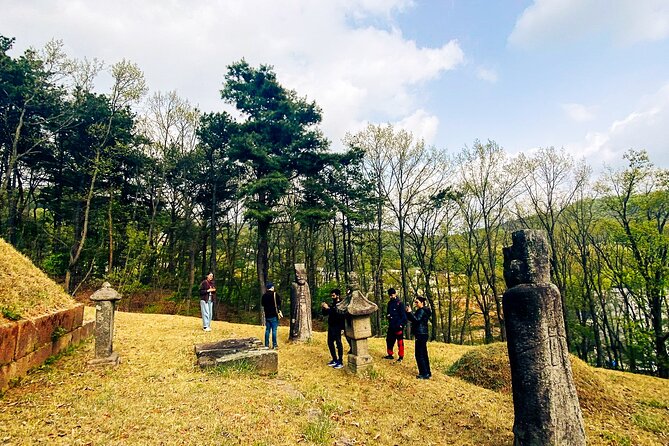
The cemetery visit at Yongmi-ri Cemetery 1 is the main event. Your guide provides a respectful tour and shares Korean folklore and traditions connected to the dead. In practice, that means explanations that connect everyday customs to beliefs—so you can understand why certain things are arranged the way they are, and why the space is treated with care.
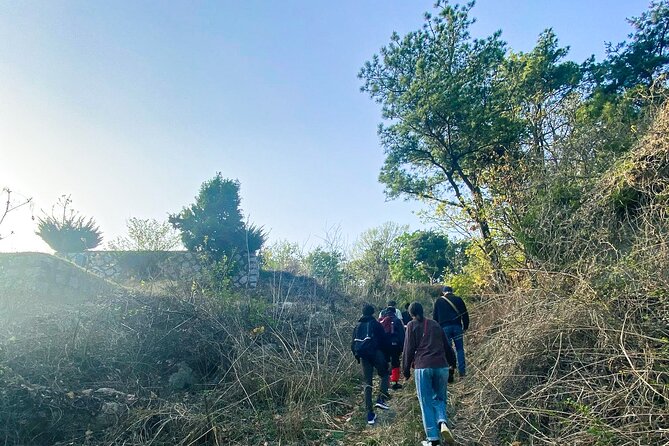
Also, note the setting: this is a hiking tour through a cemetery in the mountains. So expect walking and some uneven ground. Nothing is described as extreme, but you should have a moderate physical fitness level. Bring shoes that grip well, and don’t show up in anything you’d hate to wear for a few hours of walking.
Yongmi-ri Cemetery 1: The Stop That Turns a Sight Into a Story
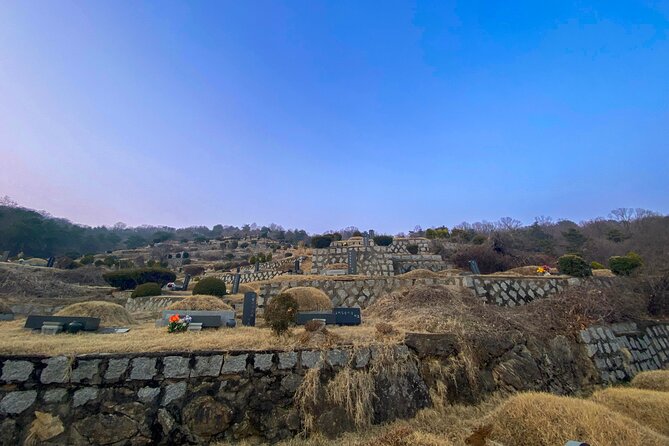
Yongmi-ri Cemetery 1 isn’t just a location—it’s where the tour’s meaning comes alive. This is where the folklore lands in a real place, not a classroom. Your guide’s stories focus on Korean burial customs and traditions, including what people believe about what happens after death.
Here’s what I think you’ll gain from that: instead of seeing a cemetery as a strange cultural object, you’ll start understanding it as a system of meaning. Korean afterlife traditions show up in how people remember, how they honor, and how they think about the dead’s continued relationship to the living. When a guide explains that in plain language, it changes your whole experience.
It’s also a good reminder that cemeteries aren’t just for the past. In Korea, they often feel like part of ongoing community life. You’ll likely feel that difference in the way the space is treated day-to-day.
Public Bus Included: The Practical Side of Getting There
Transportation is often where small tours can get messy. Here, the plan is straightforward: public bus to and from the meeting point is included. That means you’re not paying extra for a private car just to move between Seoul and the cemetery area.
But there’s also a clear boundary: private transportation isn’t included. So you should be comfortable using public transit as part of the tour. The good news is the start point is near public transportation, which reduces the chances you’ll get stuck trying to reach the exact exit.
For value, this matters a lot. At a $66 price point, you’re paying for the guided access and storytelling—plus the transit component that would otherwise add cost and planning time. You’re not just buying “a walk.” You’re buying a smooth route and an informed guide who knows how to frame what you’re seeing.
Price and Value: What You’re Really Paying For at $66
$66 per person can seem like a lot until you break down what’s included. This tour covers all fees and taxes, and it includes the public bus transport between the meeting point in Seoul and the cemetery area. The cemetery admission ticket itself is listed as free.
So where does the money go? Mostly into the guide and the experience design: a small group visit, timing it for the seasonal window, and providing that folklore context that turns a cemetery visit into cultural understanding. Since the group max is 6 people, your guide can slow down, answer questions, and actually connect stories to what you see.
Is it the cheapest option? No. But it’s also not trying to be. It’s priced like a focused, guided experience where access and explanation matter more than major attractions or big-ticket sightseeing.
Why the Max-6 Group Size Changes Everything
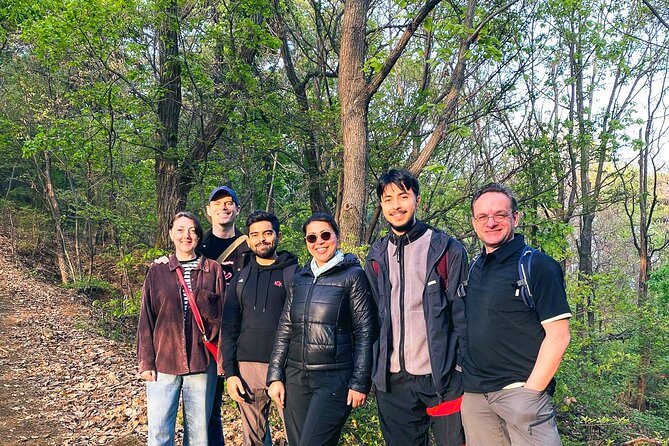
When a tour is capped at 6 travelers, the vibe often shifts fast. You’re not stuck listening from the back while the guide speeds through facts. You can ask direct questions, and the guide can adjust the pacing.
This matters for a cemetery and folklore theme because the questions are personal and contextual. People often want to know what certain customs mean. A small group gives you a better chance to get answers that fit what you’re noticing—not just generic statements.
This is also where the guide quality shows. One name that comes up strongly is Shawn. His approach is described as combining extensive research with his own personal experience, which is exactly what you want for a tour like this: facts plus empathy, cultural context plus real understanding.
The Seasonal September–November Window
This is a seasonal tour only running September through November. That’s not a small detail—it affects how you plan your Seoul trip. If you’re visiting outside those months, you’ll need to choose another activity.
The seasonal timing also lines up with the idea that this is a hiking-style outing. The weather window is part of making the walking experience comfortable and safe.
Also, the tour has a weather requirement. It’s described as requiring good weather, and if it gets canceled due to poor weather you’ll be offered a different date or a full refund. That’s the kind of policy that helps you keep flexibility when you’re planning around outdoor conditions.
Who Should Book This Cemetery Trek (And Who Might Skip It)
This trek fits best if you want something less “tour-bus standard.” If you like cultural experiences that are quiet, specific, and grounded in local tradition, this is a smart choice. The combination of active Korean cemetery access and folklore about burial customs and afterlife beliefs is a rare mix.
It’s also good for travelers who enjoy small-group tours and asking questions rather than following a fast checklist.
If you’re the type of traveler who only wants famous landmarks and big-photo scenery, you might find this slower and more reflective than you expected. It’s not built to thrill with views. It’s built to teach you how Koreans think about death, remembrance, and tradition—while you walk a real path in a real place.
Should You Book This Tour or Skip It?
Book it if you want a respectful, guided look at an active Korean cemetery, plus stories that explain the beliefs behind burial customs. The small group size, included public bus, and the focused 4-hour format make it feel like good value for what you’re getting.
Skip it if your travel dates are outside September through November, or if you can’t handle weather-related uncertainty for outdoor walking. And if you hate the idea of visiting graves, this probably won’t be your kind of experience.
FAQ
What is the duration of the Korean Cemetery and Folklore Trek?
It’s approximately 4 hours.
How much does the tour cost?
The price is $66.00 per person.
When does the tour run?
This is a seasonal tour that runs from September through November.
Where do I meet the tour?
The start meeting point is Samsong Station, Exit 8G.
What time does it start?
The tour starts at 2:30 pm.
What’s included in the price?
All fees and taxes are included, and there is public bus service to and from the meeting point.
What is not included?
Private transportation is not included.
Is the tour physically demanding?
You should have a moderate physical fitness level.
Can I cancel and get a full refund?
Yes. You can cancel up to 24 hours in advance for a full refund. If you cancel less than 24 hours before the experience starts, the amount paid is not refunded.