REVIEW · LUKLA
Everest Base Camp Trek from Lukla
Book on GetYourGuide →Operated by Peregrine Treks and Expedition P Ltd · Bookable on GetYourGuide
Lukla starts with a punch. This 12-day Everest Base Camp trek from Lukla pairs Sherpa culture in Namche Bazaar with major visual payoffs like Kala Patthar and close-up views toward the Everest area. I love the balance of walking days plus planned altitude time, and I also like the on-trail support (English-speaking guide and porters). One thing to think about: you’re on a high-altitude trek with daily hiking and basic tea house comfort, so this is not a vacation that feels cushy.
What makes this trip feel practical is the staffing and pacing. The trek runs with a professional English-speaking guide, a porter service, and a first aid kit, and you keep things moving at a steady rhythm of roughly 5–7 hours walking on many days. From the feedback I received, the teams also handle the details people usually stress over—like lining up help for Lukla flights and keeping meals organized.
The other big factor is group size. This is a small-group trek limited to 10 participants, which usually means less chaos in crowded places like Namche and the tea houses. Still, the route isn’t suitable for everyone—if you’re pregnant, have mobility limits, or have heart problems, it’s best to choose a different plan.
In This Review
- Key things about this Everest Base Camp trek that matter on the ground
- Landing in Lukla: why the start feels like part of the story
- Phakding to Namche: your first taste of Sherpa life and real trekking rhythm
- Phakding: forests, bridges, and an easy first day
- Namche Bazaar: where altitude hits, and the world feels closer
- The acclimatization day in Namche: smart pacing beats heroics
- Tengboche Monastery: spiritual pause with major mountain backdrops
- Dingboche and Lobuche: when the air gets thinner and the scenery shifts
- Gorakshep to Everest Base Camp: the moment the trek turns into the goal
- Kala Patthar at sunrise: the view payoff at 5,545 meters
- The return trail to Namche and Lukla: less magic, more reflection
- Price ($466) and what you get for it: value in support, not luxury
- Guides, porters, and on-the-ground service that made a difference
- Who should book this Lukla-to-Everest Base Camp trek, and who should skip it
- What to bring (and what not to waste energy on)
- Should you book this Everest Base Camp trek from Lukla?
- FAQ
- How long is the Everest Base Camp trek from Lukla?
- What’s included in the price?
- Are flights included in the package?
- Is there an English-speaking guide?
- Do you get acclimatization days?
- How large is the group?
- What kind of accommodation will you have?
- Is travel insurance required?
Key things about this Everest Base Camp trek that matter on the ground
- Lukla-to-EBC route that starts fast and then eases into altitude with built-in acclimatization
- Namche Bazaar time for markets, mountain views, and a real breather day
- Tengboche Monastery with a calm break in the middle of serious hiking
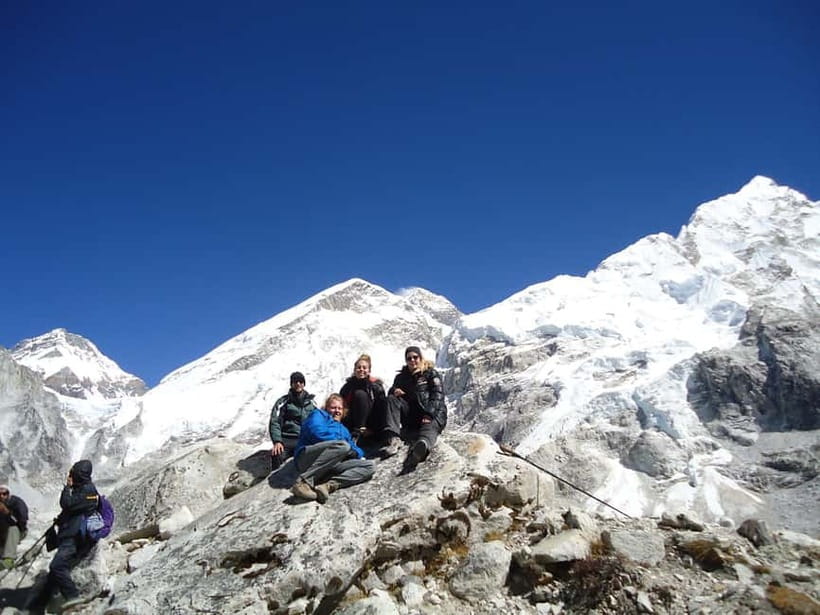
- Everest Base Camp at 5,364 meters plus the “last stretch” feeling via Gorakshep
- Kala Patthar at 5,545 meters timed for the best chance at sunrise views
- Small-group support (10 max) with porters and an English-speaking guide
Landing in Lukla: why the start feels like part of the story
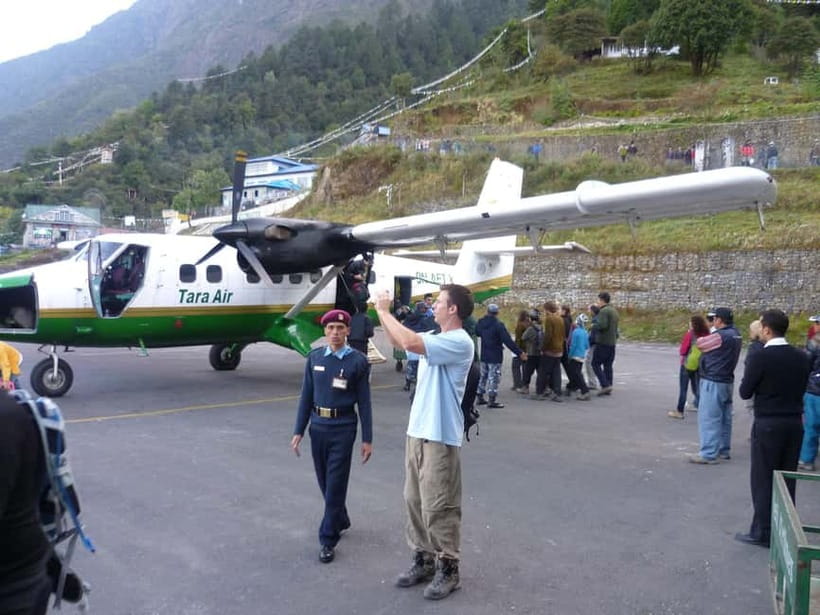
Most Everest Base Camp treks live or die by how you handle Day 1 logistics, and that’s exactly where this plan helps. You begin at Tenzing-Hillary Airport, and then the activity covers the guided transition to Lukla, with time on the ground and a guide ready to help you get oriented.
The Lukla airstrip is famously dramatic, but beyond the drama, the real value is how it shapes your mental setup. You’re not drifting into the trek slowly—you’re thrown into the Khumbu Valley rhythm right away, then you walk into villages where you can actually feel the altitude taking hold.
If you’re the type who likes a clear starting plan, you’ll appreciate that your guide meets you and you share flight details in advance so pickup and coordination are handled. One review also highlighted help with securing Lukla flight tickets, which matters because flights can be the biggest source of stress for this entire region.
Quick expectation check: even before the trek gets hard, you should plan for weather delays and shifting schedules in the Himalaya. The trip info is blunt about rapid weather changes, and it’s smart to treat this trek like a flexible outdoor mission, not a fixed train timetable.
Phakding to Namche: your first taste of Sherpa life and real trekking rhythm
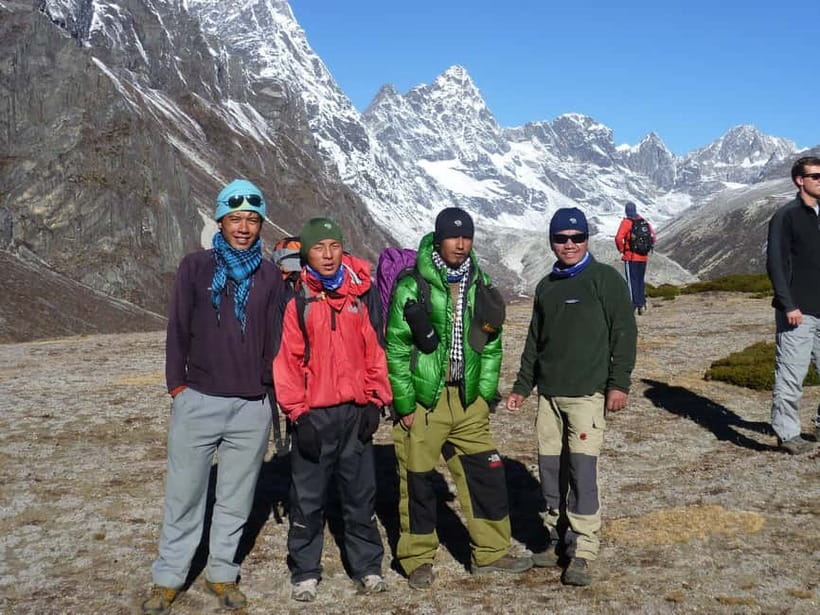
The early days do two jobs at once: they get your legs working and they get you used to the social rhythm of the Khumbu.
Phakding: forests, bridges, and an easy first day
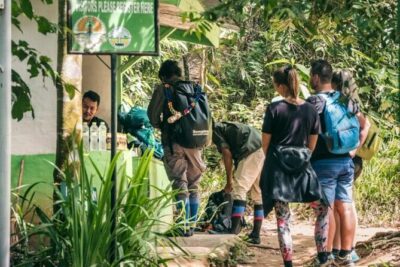
Your first trek leg takes you to Phakding, a village along the Dudh Koshi River. The trail passes through lush forest sections and includes multiple suspension bridges. This is the kind of day that sets your baseline: you learn your pace, you figure out how quickly you get winded, and you practice staying warm even when you feel fine.
Tea houses in this region are basic by design. They give you a bed, a hot drink, and a roof. You’ll notice the comfort level is not the point—time and recovery are.
Namche Bazaar: where altitude hits, and the world feels closer
From Phakding, you climb to Namche Bazaar, the busy Sherpa trading hub and the practical center of the trek. It’s the place where your trek stops feeling like hiking through nature and starts feeling like moving through a living community.
Namche is also where you’ll get one of the most helpful altitude lessons: the views are huge, but your body is still the boss. Expect strong mountain sightlines—like Thamserku and Kongde Ri—and also expect a lot of stairs and slopes even when you’re not pushing hard.
And yes, you can also use Namche for practical recharging: markets, simple supplies, and getting your bearings before you head deeper into higher terrain.
The acclimatization day in Namche: smart pacing beats heroics
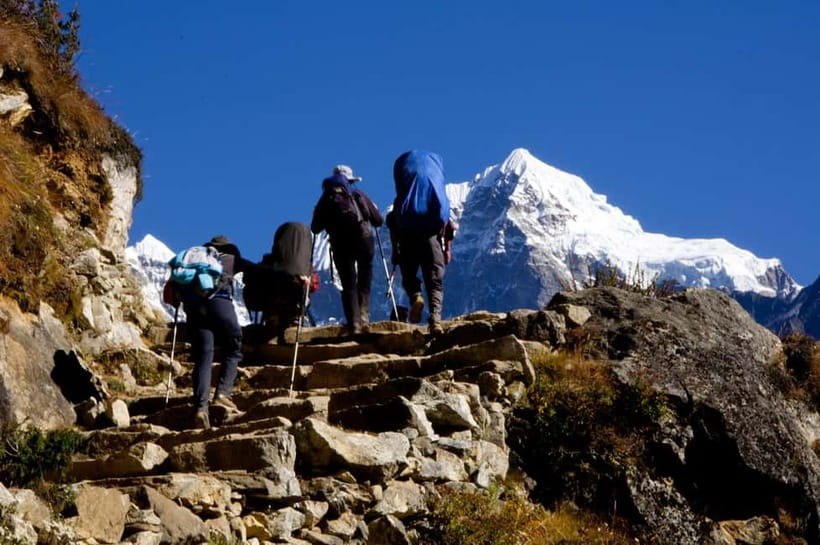
This trek includes an acclimatization day in Namche, and that’s not just a nice extra—it’s the difference between feeling “worked” and feeling wrecked.
The idea is simple: altitude doesn’t care that you’re motivated. I like that the schedule gives you a rest day right when you’re in the area where your system is most likely to start complaining. You also get to explore the markets and take in the surrounding peaks, so it doesn’t feel like a wasted day.
You’ll likely do short movement—enough to keep your legs loose—but you should treat this day as recovery-first. If you ignore that, later days become harder than they need to be.
Tengboche Monastery: spiritual pause with major mountain backdrops
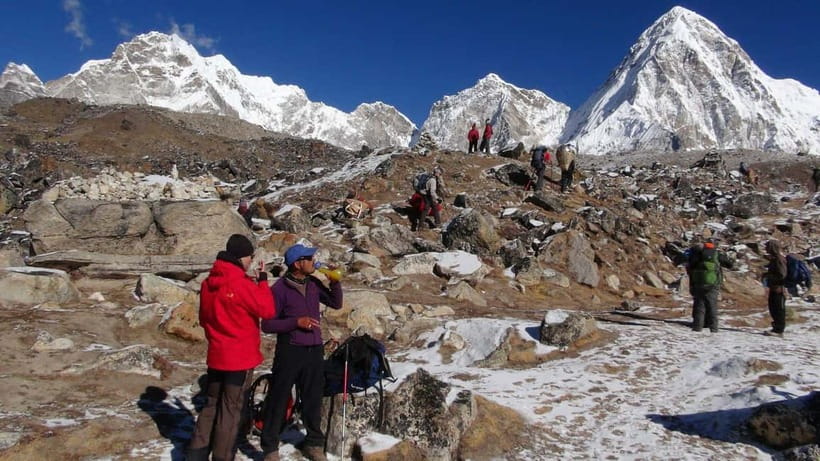
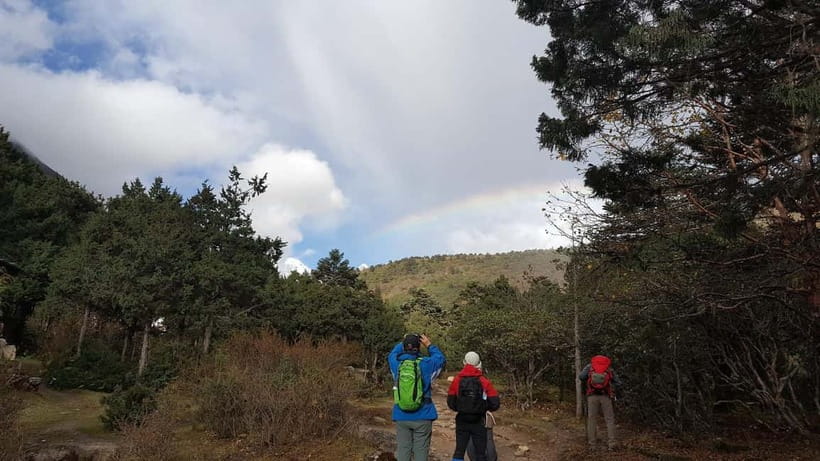
After Namche, the route continues upward through rhododendron and pine forests toward Tengboche, home to the famous Tengboche Monastery.
This stop works because it breaks the trekking monotony without breaking your momentum. Instead of another “move and climb” day, you get a spiritual hub where trekkers and monks share the same space, and you’re surrounded by big views like Ama Dablam, Everest, and Lhotse.
The monastery backdrop is part of why this day feels memorable. It’s not just scenery—it’s a moment where you slow down, look around, and understand that the Khumbu isn’t only a hiking corridor. It’s a culture corridor too.
Tea house life returns after this, but you’ll probably feel mentally reset. That matters because the next legs shift toward thinner air and more barren terrain.
Dingboche and Lobuche: when the air gets thinner and the scenery shifts
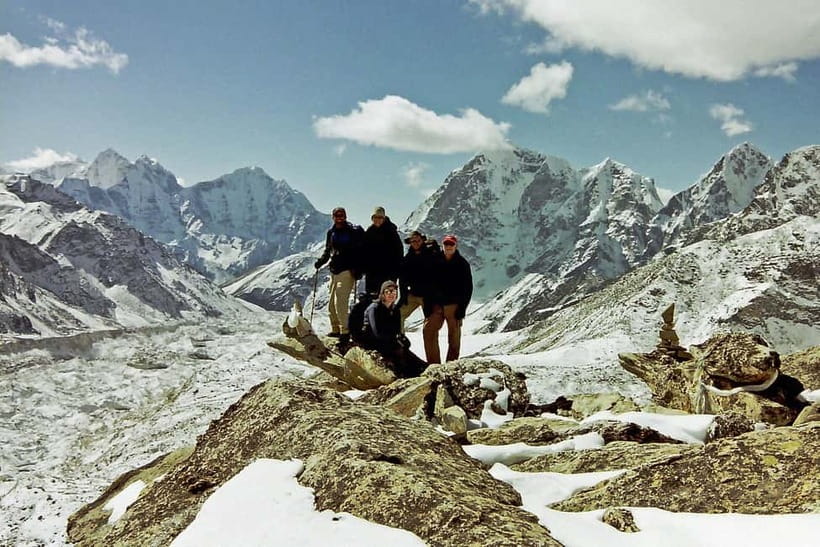
From Tengboche, you trek onward to Dingboche, described as a quaint village at 4,410 meters. Then you’re given another acclimatization day there. That second altitude adjustment is a big deal. It helps you absorb the elevation changes before the trek pushes toward the Everest-adjacent high points.
In Dingboche, you’ll get stunning views of the surrounding Himalayas, and you can take short hikes to aid acclimatization. The practical takeaway: use these short walks to keep your circulation going, but don’t turn the day into a competition.
Then comes Lobuche, a remote settlement surrounded by towering peaks. As altitude rises, the region turns more barren. This is where the trek starts to feel less like forest walking and more like trekking in an alpine zone where warmth matters and breath becomes noticeable.
I like the way the itinerary builds this transition gradually. The feeling gets more serious, but you’re not thrown into the hardest terrain without support time.
Gorakshep to Everest Base Camp: the moment the trek turns into the goal
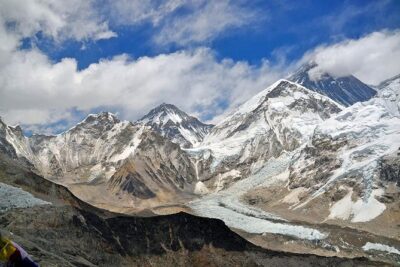
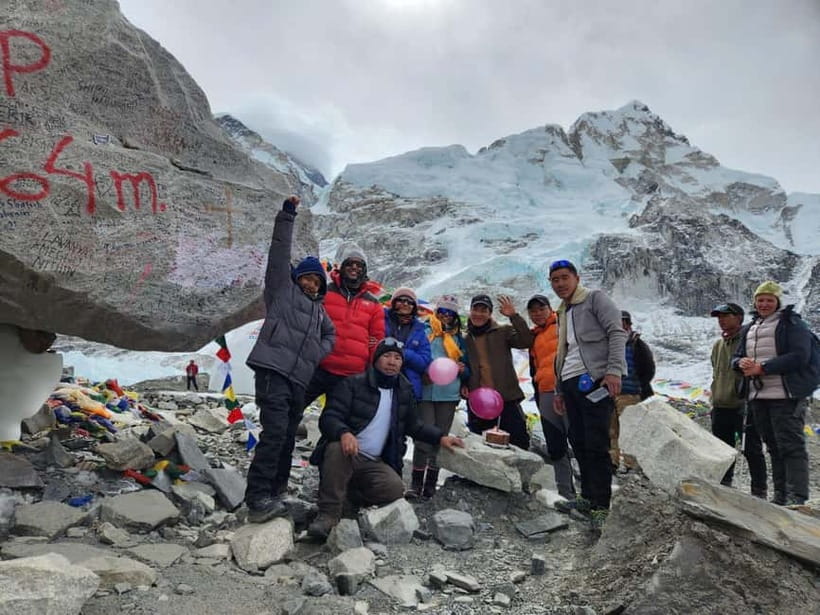
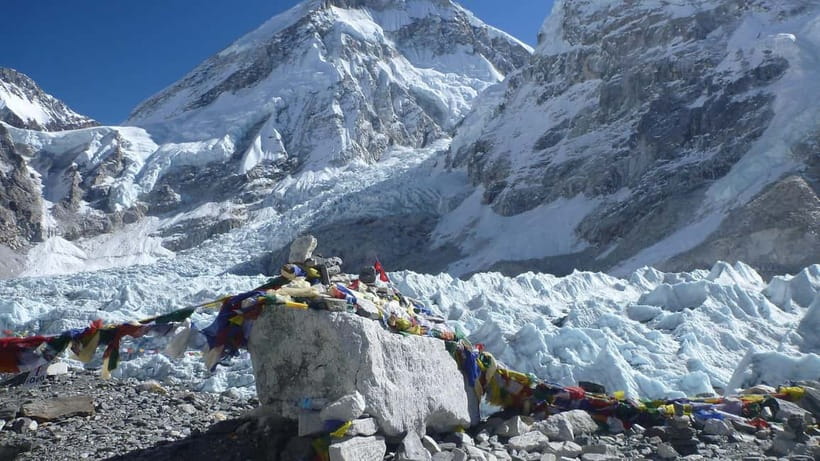
The next stage takes you to Gorakshep, the final resting point before going to Everest Base Camp. From there, the trek to the base camp is the headline: reaching 5,364 meters where you get close-up views of the Khumbu Icefall and the surrounding peaks.
This is where the whole trip starts making emotional sense. The earlier days teach you pacing and breathing; Gorakshep is the last “setup” point. When you finally reach Everest Base Camp, you’re not just taking photos—you’re arriving at the reason you planned everything in the first place.
Two practical notes:
- Expect the cold and wind to be real, even if you start the day feeling okay.
- Your energy management matters more here than speed. You’ll get far more out of the view stops if you don’t burn yourself down on the climb.
Kala Patthar at sunrise: the view payoff at 5,545 meters
If you only care about one extra effort on the trek, Kala Patthar is where that effort is rewarded.
A morning hike brings you to Kala Patthar at 5,545 meters, and the goal is perspective: the best vantage point for views of Mount Everest and the surrounding giants of the Himalayas. Sunrise is often the highlight, with golden light across the peaks.
This day can feel intense, but it’s the kind of intensity that comes with clarity. You’re going uphill with the reward already in mind. It’s also a mental reset day—after the emotional moment at Base Camp, Kala Patthar helps you see the bigger picture of what you just reached.
Then you trek back to Pheriche for the night, giving you a chance to recover before the return.
The return trail to Namche and Lukla: less magic, more reflection
Your route home retraces the earlier villages, taking you back through the same areas that felt tough on the way up. That repetition can be boring for some people, but I think it’s useful.
On the way down, your mind often shifts from survival to noticing. You start recognizing bends in the trail, you remember how high you felt when you passed certain suspension bridges, and you see the villages more like home than like waypoints.
You finish with the final trek back toward Lukla, returning to the start region and setting up your flight situation.
A smart mindset for the return: keep your pack light if you can, watch your footing, and don’t assume that descending is easier just because you’ve already been there.
Price ($466) and what you get for it: value in support, not luxury
At $466 per person for 12 days, this trek price is mostly about what’s included to keep you safe and moving—especially the human support.
Here’s what’s covered:
- Professional English-speaking guide
- Tea house accommodation
- Permits and entrance fees
- Porter service
- First aid kit
- Applicable taxes
And what’s not:
- Flights to and from Nepal connections (including Lukla flight logistics)
- Travel insurance
- Personal expenses like drinks, laundry, and any extra comforts
- Visa fees
So the value isn’t in fancy hotels. It’s in reducing risk and stress:
- A guide helps you pace, navigate, and handle day-to-day decisions.
- A porter helps with load management, which matters a lot when your legs feel the altitude.
- Tea house lodging keeps you from having to plan overnight logistics on your own.
- Permits and entrance fees remove paperwork headaches.
One review even pointed out meal arrangements and responsiveness (including WhatsApp updates after booking). While meals aren’t explicitly listed as included in the main offer, the real-world support seems to matter in how smoothly your days run.
My practical take: if you’re trying to do Everest Base Camp as a first big trek, paying for this kind of structured support is usually worth it. If you’re already an experienced high-altitude trekker with solid local logistics, you might question the price—but most people value the guidance.
Guides, porters, and on-the-ground service that made a difference
This trek is heavily shaped by your guide and porters, and the feedback here is clear.
One highlight from the reviews: guide support felt attentive and safety-focused, with porters carrying gear like pros. Another note: there were WhatsApp meetings during the planning phase, and people felt prepared because the team responded quickly.
Specific names also came up:
- Tirtha is mentioned as a guide who made everything run smoothly.
- Pradip is thanked for help that made the trek unforgettable.
That kind of service matters because Everest logistics can change fast, and “organized” becomes more than a mood—it becomes the difference between calm and chaos.
Also, if you’re the sort of person who wants options, there was an example of someone arranging a helicopter back after Lobuche to save trekking time (an extra cost add-on). The data you have here doesn’t say helicopter travel is included, but it does show that flexibility exists if you plan for it.
Who should book this Lukla-to-Everest Base Camp trek, and who should skip it
This trek is built for people who want an authentic high-altitude walking adventure with real culture stops.
You’ll likely enjoy it if you:
- Want Sherpa culture time in Namche Bazaar
- Care about iconic sites like Tengboche Monastery
- Want strong viewpoint rewards like Kala Patthar
- Prefer small-group trekking with English-speaking support
It’s not for everyone. The trip notes say it isn’t suitable for:
- Pregnant women
- People with mobility impairments
- People with heart problems
- People prone to seasickness
Even if you’re physically fit, take the altitude seriously. The trek includes acclimatization days, but the core fact remains: you’re walking in thin air, and you should train accordingly.
What to bring (and what not to waste energy on)
The basics are spelled out, and I agree with the logic:
- Comfortable shoes with good grip
- Warm clothing (layering beats one huge jacket)
- Hat
- Camera
- Snacks (you might want extra calories on long days)
- Sunscreen
- Water
Also follow the rules:
- No alcohol or drugs
- No littering
And keep cash in mind. ATMs are scarce beyond Namche Bazaar, so bring local currency for personal expenses.
Finally, don’t treat travel insurance like an afterthought. The trek info specifically calls for coverage for high-altitude trekking.
Should you book this Everest Base Camp trek from Lukla?
If your goal is a classic Everest Base Camp trek with cultural stops and major viewpoint payoffs, this is a solid choice—especially for first-timers who want English-speaking guidance and porter support.
I’d book it if:
- You want a small-group experience capped at 10
- You like the idea of planned acclimatization in Namche and Dingboche
- You want Kala Patthar sunrise to be part of your plan, not a maybe
I’d hesitate if:
- You want luxury comfort (tea houses are basic)
- You’re not comfortable with daily hiking in high altitude
- You have a medical limitation listed as unsuitable for this trek
If you’re on the fence, the smart move is to check your health status first, then plan your training and packing. Do that, and the rest—guide support, tea houses, and the route—can carry you to one of the most unforgettable mountain experiences on Earth.
FAQ
How long is the Everest Base Camp trek from Lukla?
The trek runs for 12 days.
What’s included in the price?
It includes a professional English-speaking guide, tea house accommodation, permits and entrance fees, porter service, a first aid kit, and applicable taxes.
Are flights included in the package?
No. Flights are not included. You’ll need to arrange your own flights, and you can get assistance with Lukla flight plans via the provider.
Is there an English-speaking guide?
Yes, the trek includes a live English tour guide.
Do you get acclimatization days?
Yes. Acclimatization days are included, including time in Namche and Dingboche.
How large is the group?
The group is limited to 10 participants.
What kind of accommodation will you have?
You’ll stay in tea houses along the route.
Is travel insurance required?
It’s not included, and you’re advised to have travel insurance that covers high-altitude trekking.