REVIEW · SAPA
Sapa: Fansipan Trek with Overnight Option (1 to 2 Days)
Book on Viator →Operated by Go SaPa Trek-Tour · Bookable on Viator
Fansipan is hard to fake. This trek turns Sapa’s mountain scenery into a real, step-by-step climb to the Fansipan summit (3,143 meters), with guides who also share Black Hmong life along the way. Even if you only have a day, the payoff is the altitude and the big views.
I especially like how the tour centers on guided hiking rather than a rushed check-list. You get English-speaking local guides, and the day-to-day comfort pieces matter too: pickup and drop-off within Sapa, plus lunch and drinks for the one-day option.
One thing to plan around: your timing can stretch or shrink based on fitness, and the whole experience depends on good weather. If clouds or rain move in, the trek can be rescheduled or refunded, so it’s not the type of outing to book with zero flexibility.
In This Review
- Key things to know before you go
- Fansipan Summit at 3,143m: the headline that makes Sapa tick
- One-Day Fansipan Trek: the 6-hour climb and what the 30 minutes at the top means
- Overnight Option (1–2 days): reaching 2,800m lodgings and chasing sunrise
- English-Speaking Guides and Black Hmong Culture: Tay, Pé, and Tai’s approach
- Price and Included Costs for $71.14: where value shows up
- Logistics You Can Feel: pickup, mobile ticket, group size, and timing
- Weather, Footing, and Fitness: the practical considerations
- Should you book this Fansipan trek?
- FAQ
- How high is Fansipan on this trek?
- How long does the Fansipan trek take?
- What’s included for the one-day vs. overnight option?
- Does the tour include transportation in Sapa?
- Are entrance fees covered?
- What group size should I expect?
- What happens if weather is poor or you need to cancel?
Key things to know before you go
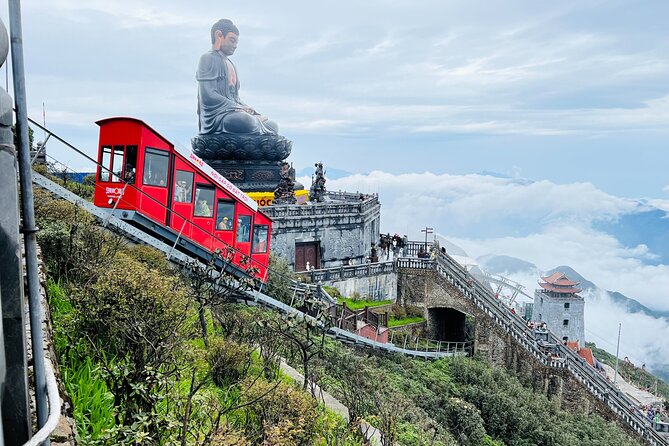
- 3,143-meter Fansipan summit with an admission ticket and time to explore
- English-speaking guides who explain the area, including Black Hmong culture
- Two versions of the trek: one day with lunch, or an overnight option with all meals and drinks
- Small group size (max 20) for a more personal pace
- Pickup, bottled water, and entrance fees included so you’re not juggling extras mid-hike
- Weather-sensitive schedule with a clear plan if conditions are poor
Fansipan Summit at 3,143m: the headline that makes Sapa tick
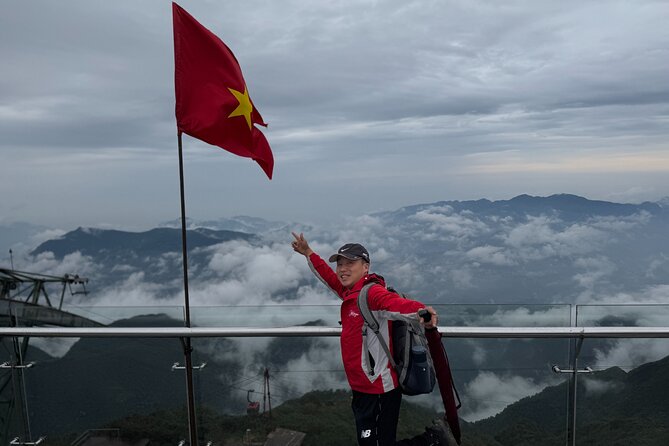
Fansipan is Vietnam’s highest peak, and the number alone changes how you think about the day. At 3,143 meters, you’re not just hiking through pretty scenery; you’re heading into thin-air territory where the walk feels bigger, slower, and more deliberate.
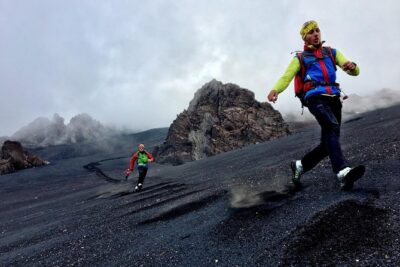
That’s why this trek works best when you treat it like a mountain experience, not a sprint. The tour is built around an ascent that can be about 6 hours up and 6 hours down on the one-day route, with the actual timing shifting by participant fitness. If you go in expecting a steady pace and a few pauses for breath, the experience feels rewarding instead of stressful.
And here’s the cultural angle that makes it more than a peak-bagging exercise: the guides talk about life in the region, including Black Hmong culture. In Sapa, that matters. The mountains are the stage, but people make the story.
One-Day Fansipan Trek: the 6-hour climb and what the 30 minutes at the top means
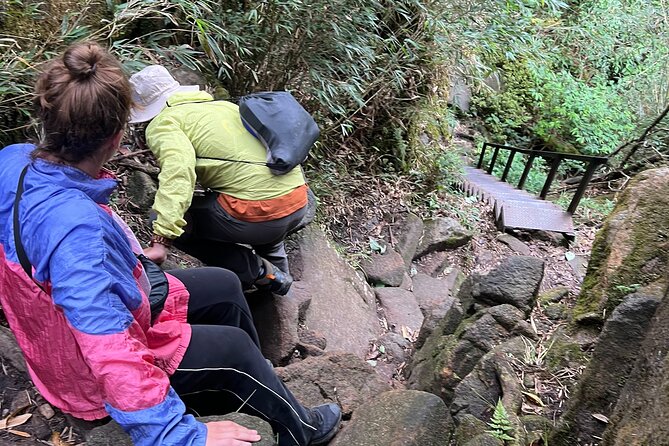
For the one-day version, the core plan is straightforward. You start with the hike upward, then you reach the Fansipan summit, where you’re allotted time to explore. The tour description calls out about 30 minutes at the top, and the admission ticket is included, so you’re not stopping to figure out paperwork mid-adventure.
The itinerary timing is built around a rhythm:
- Up: about 6 hours (depending on fitness)
- Down: about 6 hours (again, pace varies)
- Food: lunch plus drinks are included for this one-day option
What I like about this structure is that it protects the point of the day. Too many tours sell you a summit but spend most of the time in transit or waiting. Here, the time goes into walking and then a real summit moment.
A possible drawback is also baked in. If the group’s pace is slow or a person in your group needs extra breaks, your personal schedule can stretch. The good news is that the tour is transparent that timing can run shorter or longer based on fitness, so you’re not getting hit with a surprise.
Overnight Option (1–2 days): reaching 2,800m lodgings and chasing sunrise
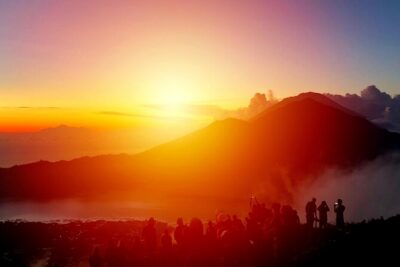
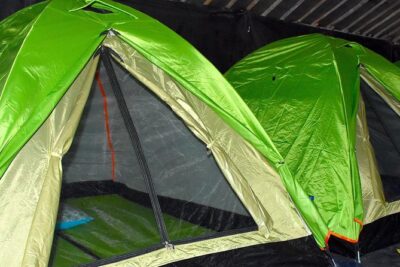
If you pick the overnight option, you trade one big summit push for a more forgiving rhythm. The hike takes you up to lodgings at around 2,800 meters. Then the next morning, you’re set up to enjoy sunrise at the summit before you begin the descent.
This is the part where the trek becomes more than exercise. Overnight trekking changes what you feel: you get time to settle in, manage your energy, and move toward the summit with less pressure. Your sleeping night is part of the plan, not something squeezed in after the fact.
The overnight description is clear about the essentials:
- All meals and drinks included
- Sunrise at the summit
- Descent after the summit experience
That matters for value, especially because the package already covers the food side. When you’re hiking high, you don’t want the day to collapse into a snack hunt. This tour keeps you fueled.
Also, the tour focuses on guides who know the area and the people who live in it. With an overnight, you usually get more conversation and context during the slower parts of the day, which is where the cultural storytelling can land better.
English-Speaking Guides and Black Hmong Culture: Tay, Pé, and Tai’s approach
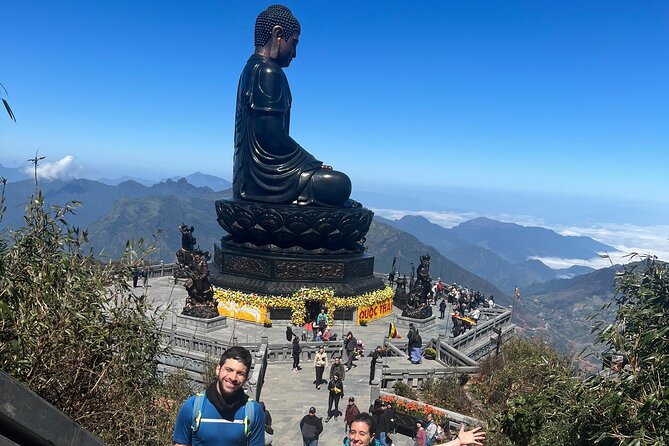
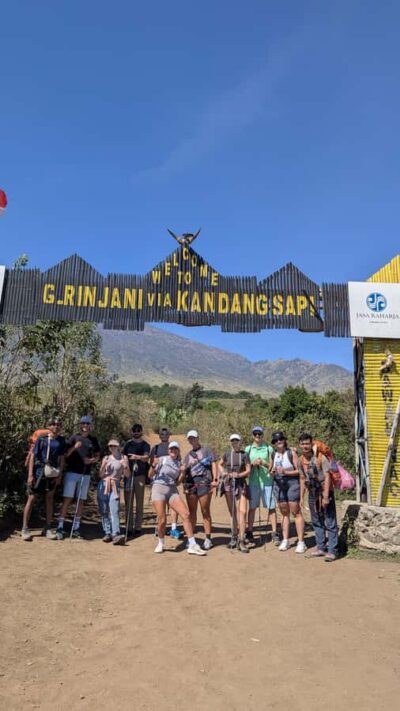
The biggest quality signal here is the guide experience. The trek is run with local guides who speak English and have a real interest in explaining the region. The tour description also points to sharing aspects of Black Hmong life, which is a strong reason to book with a guide rather than hike independently.
Names show up in the way people describe their time. You’ll see Tay and Pé credited for making the hike feel organized and human. One account highlights a guide called Tai who was especially helpful and handled details like pickup and a mountain lunch. Another emphasizes the guide team’s warmth and their family connection to the area.
That kind of guide matters in two ways:
- You’ll spend more time understanding what you’re walking through instead of just reading signs or guessing at terrain.
- You’ll feel taken care of during the tougher parts—especially when the day involves a long ascent and then a long return.
The overnight version can add another layer too. Because all meals and drinks are included, and because these guides connect with the local community, you’re more likely to experience the trek as a relationship with the place rather than a conveyor belt of landmarks.
Price and Included Costs for $71.14: where value shows up
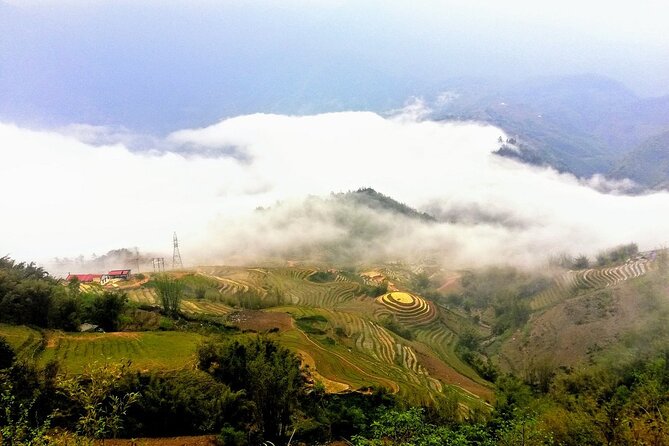
At $71.14 per person, this trek has the kind of price that invites a simple question: what are you paying for, beyond a hike?
Here’s what’s explicitly included:
- Bottled water
- Lunch (for the one-day option)
- Private transportation pick-up and drop-off within Sapa
- Entrance fees (including summit admission)
So you’re not only buying movement; you’re buying the practical scaffolding that makes the day easier. Pickup reduces logistics stress in Sapa, and entrance fees being included avoids an annoying mid-hike hassle.
It’s also a good sign that the tour caps the group size at 20. Smaller groups usually mean fewer slowdowns and more attention to pacing. In a trek with long walking hours, that matters more than it sounds.
One more value point: the tour uses a mobile ticket, and confirmation happens at booking time. That’s not glamorous, but it helps you arrive confident rather than scrambling.
Logistics You Can Feel: pickup, mobile ticket, group size, and timing
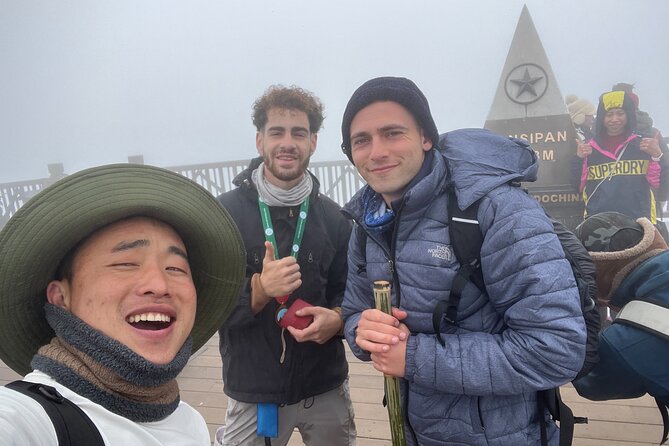
Let’s talk about the stuff that decides whether the day feels smooth.
First, the tour offers pickup and handles drop-off within Sapa using private transportation. In a place like Sapa, that can save time and reduce friction at the start and end of the trek. If you’re juggling where to meet people, what bus to take, or how to get back after a long hike, pickup is a real win.
Second, the tour uses a mobile ticket. That usually means fewer printed documents and less time spent on “where’s the paper” problems.
Third, your group size max is 20. That isn’t tiny, but it’s not a big coach-tour either. On a mountain hike, the difference shows up in how often you have to wait or re-form.
Timing is also clearly framed:
- One-day total is around 10 to 12 hours (approx.)
- The ascent and descent are each about 6 hours, but can run shorter or longer based on fitness
So the practical take is simple: plan a full day. Don’t build tight connections afterward. Your legs, not your calendar, will set the pace.
Weather, Footing, and Fitness: the practical considerations
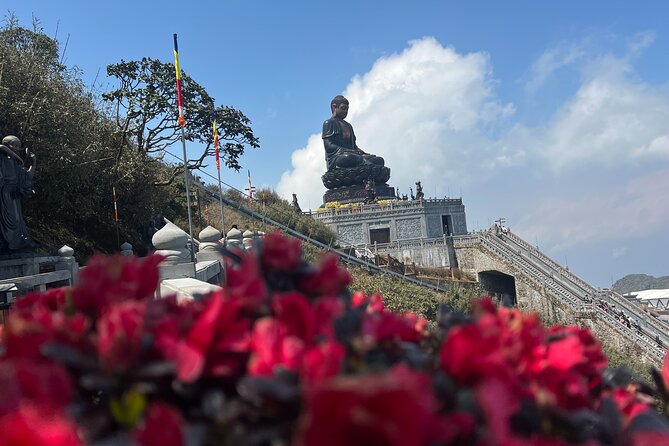
This experience has a key constraint: it requires good weather. The plan is straightforward if conditions aren’t safe or workable—if the tour is canceled due to poor weather, you’re offered a different date or a full refund.
That’s the right approach for something this altitude-focused. Even if you’re experienced, weather changes the risk level and the view quality. Cloud cover and rain can mean slippery footing and limited visibility at the summit.
Fitness wise, the tour calls for moderate physical fitness and states suitability for ages 12 and above. That’s helpful because it sets expectations: you don’t need marathon training, but you do need to be comfortable with long hiking hours.
A good way to think about it: this isn’t a quick stroll. It’s a guided trek with serious vertical effort. If you have knee issues, low endurance, or you’re recovering from an injury, you should be honest about your limits before choosing the one-day option. The overnight option can feel more manageable because the hike is staged, with lodgings at 2,800 meters and sunrise at the top.
Should you book this Fansipan trek?
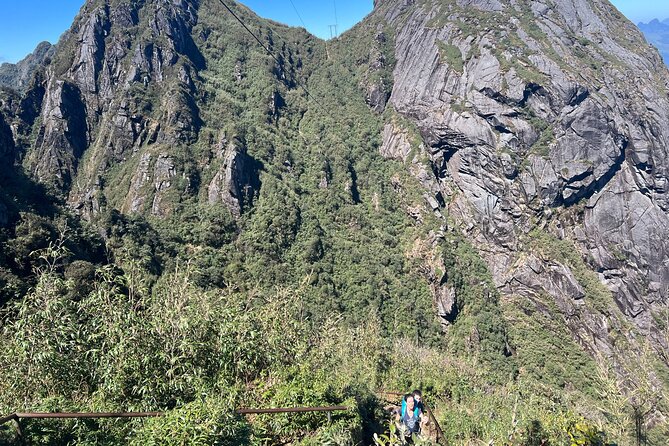
Book this trek if you want a guided hike to the highest peak in Vietnam with the practical comfort pieces already handled: pickup, entrance fees, water, and (at minimum) lunch for the one-day hike. The guide focus is another strong reason. The names Tay, Pé, and Tai show up in a positive way, especially around care, organization, and cultural explanation.
Consider passing or swapping plans if you dislike weather uncertainty. Because the trek depends on good conditions, you need some flexibility. Also, if you’re aiming for a short, effortless experience, the one-day schedule with about 6 hours up and 6 hours down might feel like too much.
If you’re traveling with limited time, the one-day option makes sense. If you can spare the extra hours and want sunrise plus all meals and drinks included, the overnight option is the more relaxing way to reach the summit.
FAQ
How high is Fansipan on this trek?
Fansipan summit sits at 3,143 meters above sea level. The overnight option includes lodgings at around 2,800 meters.
How long does the Fansipan trek take?
The duration is listed as about 10 to 12 hours (approx.). The one-day hike is described as about 6 hours up and 6 hours down, and those times can be shorter or longer depending on fitness.
What’s included for the one-day vs. overnight option?
For the one-day trek, the tour includes lunch and drinks, plus bottled water. For the overnight trek, the description says all meals and drinks are included.
Does the tour include transportation in Sapa?
Yes. The tour offers private transportation pick-up and drop-off to locations within Sapa.
Are entrance fees covered?
Yes. Entrance fee(s) are included, including access connected to the summit stop.
What group size should I expect?
This experience has a maximum of 20 travelers.
What happens if weather is poor or you need to cancel?
The tour requires good weather. If it’s canceled due to poor weather, you’ll be offered a different date or a full refund. There is free cancellation up to 24 hours in advance for a full refund.