REVIEW · NEPAL
Manaslu Tsum Valley Trekking
Book on Viator →Operated by Trekking Planner Nepal · Bookable on Viator
Big peaks and old monasteries in one trek.
The Manaslu Tsum Valley journey in Nepal’s Gorkha district strings together wild Himalayan scenery with real village life, from pine forests and river valleys to the high-altitude drama of Larkya La.
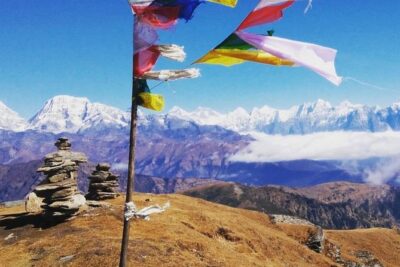
I love how Tsum Valley feels different from most Nepal trekking routes—less about crowds, more about monasteries, prayer flags, and the day-to-day rhythm of people who still follow Tibetan-influenced traditions. I also like the extra safety structure: you’ll have a government-licensed English-speaking guide, 1 porter for every 2 trekkers, and an oxymeter used to check oxygen saturation and pulse twice daily.
One thing to consider: this is remote trekking. Even when the trail is manageable, places like Dharmashala can be cold and basic, with limited teahouse rooms and wind that will remind you who’s boss.
In This Review
- 5 Key Things You’ll Remember From This Trek
- Manaslu and Tsum Valley: Why This Route Feels More Personal
- Kathmandu Welcome: Pickup, Briefing, and a Folk Night
- From Kathmandu to Mid-West Nepal: The Big Drive Toward the Mountains
- Trek Day 1 to Dobhan: Maccha Khola, Tatopani, and Two Rivers Meeting
- Philim to Lokpa: Pine Forest Walking and Your First Real Tsum Connection
- Lokpa to Chumling and Chhokangparo: Rhododendrons, Bridges, and Lama Culture
- Rachen Gompa and Nele to Mu Gompa: Monasteries With Real Voices
- The Return to Chhokangparo and Back Toward Lokpa
- Bihi Phedi, Namrung, and Apple Country: Where the Trail Turns More Tibetan-Gurung
- Samagaon and Samdo: Two Big Things—Time and Height
- Dharmashala and Larkya La: The Dawn Climb You Plan For in Your Bones
- Into Lamjung: Dharapani to Tal, Then Chamje and Bahundanda
- Final Descent to Bhulbhule and Back to Kathmandu
- Guides, Permits, Oxygen Checks, and the Porter System
- What You Get for $1,899 (and What You Still Need to Budget)
- Who This Trek Is For
- Should You Book Manaslu Tsum Valley Trekking?
- FAQ
- How long is the Manaslu Tsum Valley Trekking trip?
- What price should I expect to pay?
- Are airport transfers included?
- What permits are included?
- Do I have a guide and porter support?
- Is there any altitude safety monitoring?
- What trekking gear is included?
- Are meals included on the trek?
- Is my Nepal visa and travel insurance included?
- What’s the minimum age for this trek?
5 Key Things You’ll Remember From This Trek
- Tsum Valley culture on the trail: big monasteries like Rachen and Mu Gompa, plus prayer-wheel sights.
- Hot springs at Tatopani: a simple reset after early walking days.
- Monastery detail that feels lived-in: places like Ranchen Gompa linked with women-only worship, and the Milarepa cave route.
- Real acclimatization time: Samdo isn’t rushed; you get a full day to adjust.
- Safety-minded trekking support: twice-daily oxygen and heart-rate checks plus a trained guide and porter system.
Manaslu and Tsum Valley: Why This Route Feels More Personal
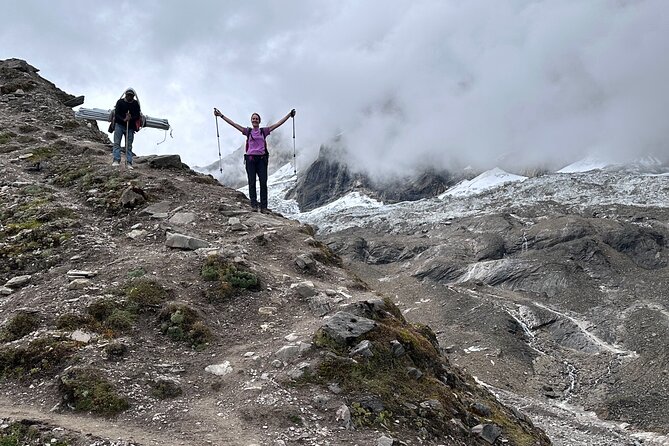
This trek mixes two worlds. First, you walk into Tsum Valley, often called a hidden Himalayan destination where Tibetan culture still shows up in monasteries, mani walls, prayer flags, and village life. Then you shift onto the broader Manaslu route where the views get bigger and the terrain gets tougher, culminating at Larkya La.
What I like most is that the itinerary doesn’t treat culture like a side quest. You actually spend time moving through villages where people farm, herd, pray, and keep traditions running year after year.
Kathmandu Welcome: Pickup, Briefing, and a Folk Night
Your trip begins in Kathmandu with airport pickup and a transfer to your hotel in the city hub. After you settle in, you meet your group for a briefing where your guide lays out important trek info and what to expect during your stay in Nepal.
That evening includes a welcome dinner at an authentic Nepalese restaurant, paired with a folk culture program. It’s a good first night because it helps you get oriented fast—then you’re ready for the long travel days that follow.
From Kathmandu to Mid-West Nepal: The Big Drive Toward the Mountains
A long scenic drive starts you moving away from the urban feel. You’ll travel toward the mid-west on Nepal’s main highway, passing farm villages and towns with views of snowcapped peaks, and you’ll see major rivers along the way, including Trishuli River and Budi Gandaki River.
Expect 7–8 hours of driving. The road is described as fair with some bumpy sections, so it’s worth bringing a bit of comfort for the seat time.
Along the route you’ll stop for a quick look at Nauli Jharana waterfall. It’s a short break, but it breaks up the travel grind and gives you an early taste of the natural drama you’re heading into.
Trek Day 1 to Dobhan: Maccha Khola, Tatopani, and Two Rivers Meeting
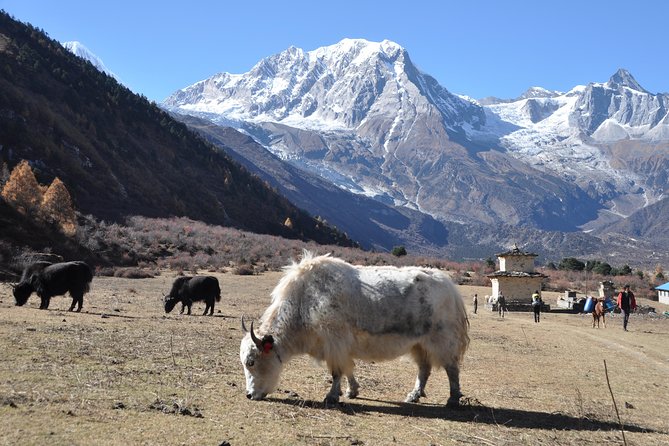
Once you reach the trail area, the trekking portion starts with a hike from Maccha Khola toward Dobhan via Tatopani. The walking time here is around 6 hours and the trail is described as in good condition without being overly steep.
Tatopani matters because it adds a rare treat: natural hot springs. You can enjoy the hot water at Tatopani, and the key detail is to be respectful and keep it eco-friendly and disciplined. Think of it as a reset button for sore legs, not a spa day.
When you arrive at Dobhan, you rest in the Gurung settlement. The name Dobhan is tied to the idea of a meeting point—this area is where two rivers come together, and the vibe feels like the landscape is shaping the people here.
Philim to Lokpa: Pine Forest Walking and Your First Real Tsum Connection
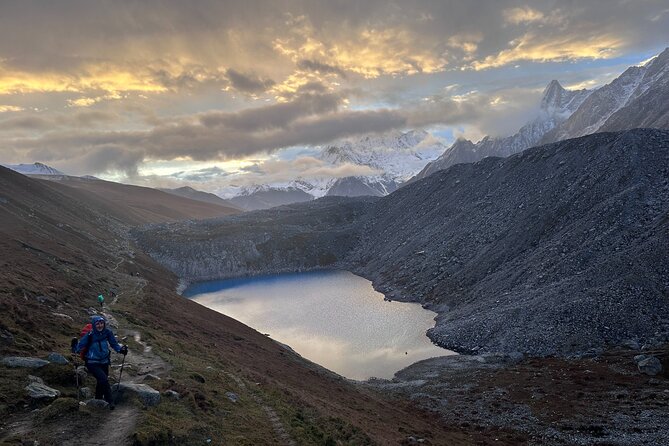
From Dobhan, you hike up toward Philim, about 6 hours. You’ll cross a suspension bridge and move through a wide gravel bed area before heading into an open valley section. The route includes plenty of change—descents that loosen your legs, then climbs that bring them back.
A practical checkpoint detail: you’ll pass through Jagat where permits are checked. Plan to keep your documents easy to access so this part doesn’t feel like a scramble.
Then you head to Lokpa, which is described as the first village of Tsum Valley. What’s interesting here is that there are only a few tourist-focused settlements. That means the place doesn’t feel like a bus-stop version of the Himalayas—it feels like a living transition zone.
Lokpa to Chumling and Chhokangparo: Rhododendrons, Bridges, and Lama Culture
From Lokpa to Chumling is about 6 hours. The trail starts in dense pine forest, and in spring you may see rhododendron (Nepal’s national flower). You’ll also cross the Sarti gorge and pass rock-fall and bridge sections before reaching Chumling.
On these days, the trail often runs on a rhythm of crossing and climbing: several suspension bridges, gorge sections, and steady movement through pine forest. It’s scenic, but it’s also the kind of walking that builds trekking confidence.
Chhokangparo is the highlight stop in this segment. It’s described as the biggest village in Tsum Valley, strongly associated with Lama culture. You’ll see terraced potato farming and get views of peaks like Buddha Himal and Siringi Himal from the area.
If you’re the kind of person who likes small spiritual details, Chhokangparo will reward you: you’ll pass features like water-powered prayer wheels along the way, and the monastery-centered feel shows up in daily life.
Rachen Gompa and Nele to Mu Gompa: Monasteries With Real Voices
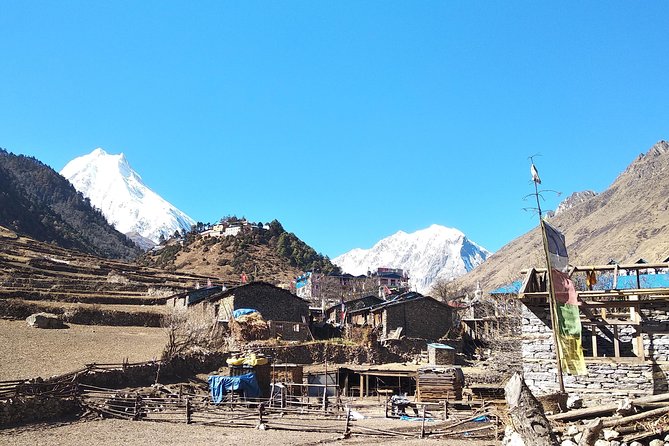
This part of the trek shifts from village scenery to deeper religious stops. From Chhokangparo you walk to Nele via Rachen Gompa, about 5 hours. Rachen Gumba is described as the biggest gompa in Tsum Valley, and it’s specifically linked with nun worship—Ranchen Gompa is for women, with around 200 nuns and an oldest nun who gives blessings and teaches.
Then you move onward toward Milarepa cave (the route is described with iron prayer flags and a Sarpu stupa). Even if you don’t know every story, the visual cues make it easy to understand this isn’t a quick photo stop. It’s a place with purpose.
Next comes Mu Gompa. You trek from Nele toward Mu Gompa (with a lunch stop at Chho Syong), and this section climbs through arid terrain with big high-valley views. Mu Gompa is for male monks only, but trekkers can sleep inside the monastery. That small detail changes the feel—you’re not just visiting a viewpoint, you’re part of the space for a night.
You also get a free afternoon in the region, and that time matters because it lets you slow down before the trek gets heavier.
The Return to Chhokangparo and Back Toward Lokpa
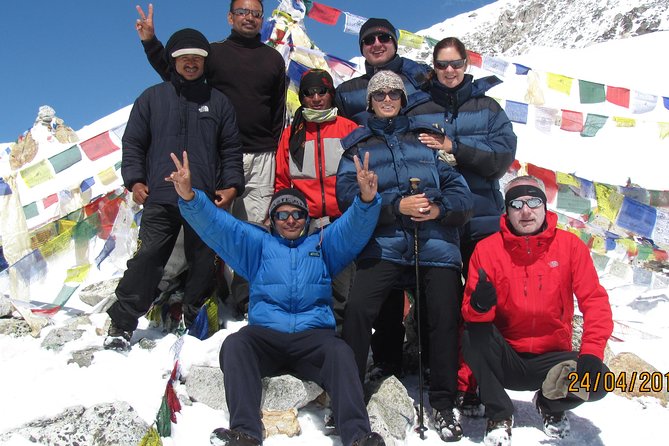
After Mu Gompa, you go back to Chhokangparo and revisit Rachen Gompa again on the return route. This is a good day for anyone who likes “soft recovery” trekking: the walking is described with nice trails, plus short climbs and descents.
Then you head down toward Lokpa, following the Budhi Gandaki River. As you walk, the environment stays lush for a while, and this is a nice contrast to the drier, higher feeling earlier.
Bihi Phedi, Namrung, and Apple Country: Where the Trail Turns More Tibetan-Gurung
Once you leave the Tsum-centered part, the trek continues with more dramatic trail segments. The route toward Bihi Phedi includes alternating uphill and downhill sections, and in some parts the trail is carved into sheer cliff walls. That’s the day-to-day reality of trekking here: beautiful, but not always comfortable.
As you approach Deng and then Bihi Phedi, the architecture becomes more Tibetan-like. You’ll also pass into a region where there are many unmarried women due to men working abroad—an example of how migration changes community patterns.
Namrung is another standout. It’s described with apple gardens and tea house options. If you’re curious, apple wine and apple pie show up here as dinner options, which is a rare chance to try local products in a high-altitude setting.
Samagaon and Samdo: Two Big Things—Time and Height
From Namrung, you reach Samagaon via villages like Lee, Sho, and Lho. The Sherpa villages bring a different feel, with livelihood tied to firewood and yak dung collection for winter prep. Lho also includes a monastery tied to Sherpa cultural rituals.
Then you walk to Samdo. Even though Samdo isn’t too far from Samagaon, the itinerary notes it can be slower because altitude and dry air make the walk harder. That’s a subtle but important lesson: the trail might look similar on a map, but your body doesn’t care.
Samdo is where you really slow down. You get acclimatization time with a full day there. The village is described as remote and permanent, with terraced hillside homes on the opposite bank of the Budhi Gandaki. It’s also described with harsh arctic conditions, about forty houses and around 200 villagers—so you’re not just passing through.
If you want to avoid the “rush and regret” trap of high altitude trekking, this is where you do it right.
Dharmashala and Larkya La: The Dawn Climb You Plan For in Your Bones
After Samdo, you trek to Dharmashala (about 5 hours). This is remote with basic facilities. The teahouse options are limited—described as only three/shared rooms—and heavy wind and cold can make sleep hard.
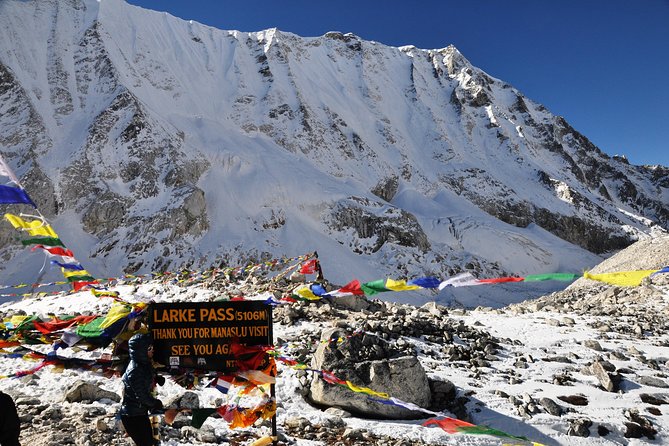
Then comes the Larkya La pass day. The plan is to move early, around 4 a.m. The climb takes about 5 hours, and the description notes snow trails that are very steep and very windy. At the pass viewpoint you can see Larke Peak and Punker Mountain, which is the reward for waking up before your alarm.
After the pass viewpoint, you descend. The descent includes a shorter move to phedi and then further toward Bhimthan. Bhimthan becomes a photography stop and also provides sightlines to Manang-region mountains like Annapurna South.
This is the day where trekking technique matters: steady pace, smart breathing, and no heroics when wind pushes you around.
Into Lamjung: Dharapani to Tal, Then Chamje and Bahundanda
After your pass crossing, the route heads into the warmer, lower areas. You trek toward Dharapani and then continue south along the Marsyangdi River downstream.
Tal is a small village with thatch houses and a safe drinking water station near the village. You’ll also pass an ACAP checkpost here. That’s another “be ready for document checks” moment, just like earlier permit control.
Then comes a more relaxed-looking section that still keeps you moving. You descend toward Chamje and pass through Jagat where lunch is served. You’ll notice waterfalls on the route, then paddy field areas as the terrain gets lower and warmer.
Bahundanda becomes your final overnight, and it’s described as giving stunning views of the valley and hills. It’s also tied to a Hindu ethnic community, so you get a different cultural lens before the end of the trek.
Final Descent to Bhulbhule and Back to Kathmandu
From Bahundanda you keep descending toward Ngadi village, then follow the Marsyangdi River again until the expedition ends at Bhulbhule. At that point, you transfer back to Kathmandu through Besisar, described as the administrative center for Lamjung district.
You’ll reach the major Kathmandu–Pokhara highway and return toward Kathmandu, including travel along the Trisuli River for a while before ascending toward the Kathmandu valley rim. Your last day is more about getting comfortable and letting the mountain air wear off than about pushing your body.
Day 25 ends with help getting to the international airport. Trekking Planner Nepal handles farewell arrangements, so you’re not left guessing logistics.
Guides, Permits, Oxygen Checks, and the Porter System
This is one of the biggest reasons people rate this trek highly. Your guide is described as English-speaking, well trained, government license holder, and experienced. That matters because on big routes like this, good guidance changes your energy. It keeps you moving at the right pace and helps you handle practical challenges fast.
Even more important: the oxymeter checks. During the trek, you’ll have oxygen saturation and pulse checked twice daily. It’s explicitly meant to help spot symptoms of Altitude Mountain Sickness (AMS), and it’s a sensible safety habit for a high-altitude route.
On top of that, the porter policy is clear: 02 guest = 01 porter. That keeps you from carrying everything yourself, especially once you’re near colder, steeper days.
Permits are also handled as part of the included package: ACAP permit, MCAP permit, and a special permit for the Manaslu and Tsum Valley area. If you’ve ever trekked before, you know permits can be the un-fun part. Here, it’s built into the plan.
What You Get for $1,899 (and What You Still Need to Budget)
At $1,899 per person for an approx. 25-day trip, the price isn’t just “a guide and a bed.” It includes a lot of the behind-the-scenes work: airport pickup and drop, permits, trained guiding, porter support, and a structured safety system with oxygen checks.
It also includes trekking gear items like a sleeping bag, down jacket, T-shirt, cap, and duffle bags, plus city and trekking route maps. That can cut your upfront trekking costs if you’d otherwise have to buy gear.
Meals are included during the trek, with counts listed as lunch (21), breakfast (23), and dinner (22). Food quality won’t be luxury, but having it handled reduces decision fatigue on travel days.
The big items not included are also clear: Nepal visa fee, international airfare to and from Kathmandu, and your personal travel/health insurance (including helicopter evacuation insurance). There’s also a note that emergency evacuation is arranged but should be covered by your travel insurance company, so don’t skip that part.
Also plan for personal spending: phone charging, bottled or boiled water, laundry, shower needs, and tips for trekking crews and drive.
Who This Trek Is For
This trek suits you if you want real culture along with serious trekking. You’ll spend time in monastery-centered communities and walk sections where the trail changes character often: pine forest, river valleys, cliff-wall paths, arid climbs, and snowy pass terrain.
It’s also a good fit if you prefer a structured team setup—pickup, briefing, guides, porter ratio, and oxygen monitoring. The tour is private, and it’s described as operating in all weather conditions, so you’ll need to dress for reality, not comfort fantasies.
A realistic consideration: you’ll need moderate physical fitness. If you struggle on long uphill days at home, you should train before you come.
Should You Book Manaslu Tsum Valley Trekking?
If you want a Himalayan trek that feels more personal than the busiest routes, this is a strong choice. The mix of Tsum Valley monasteries plus the Larkya La crossing gives you variety without turning the trip into a shopping list of viewpoints.
I’d especially consider booking if you value safety structure—twice-daily oxygen checks, a well-trained guide, and a clear porter policy. That kind of support reduces mental load when the air gets thin.
The main reason to hesitate is simple: remoteness and cold nights. If you get grumpy when facilities are basic and wind is loud, this route will test you.
If you’re okay with that trade-off, you’ll likely come away with a trek that feels both spiritual and tough in the best way.
FAQ
How long is the Manaslu Tsum Valley Trekking trip?
It’s listed as 25 days approximately.
What price should I expect to pay?
The price is $1,899.00 per person.
Are airport transfers included?
Yes. You get airport pickup and drop by private vehicle.
What permits are included?
The package includes ACAP permit, MCAP permit, and special permits for the Manaslu and Tsum Valley area.
Do I have a guide and porter support?
Yes. You travel with a government license holder English-speaking guide, and the porter ratio is listed as 02 guest = 01 porter.
Is there any altitude safety monitoring?
Yes. An oxymeter is used to check oxygen saturation and heart rate twice daily during the trek.
What trekking gear is included?
Included items list a sleeping bag, down jacket, T-shirt, cap, and duffle bags, plus city and trekking route maps.
Are meals included on the trek?
Yes. Meals are included during the trek, with counts listed for breakfast and lunch and dinner.
Is my Nepal visa and travel insurance included?
No. Nepal visa fee and personal travel/health insurance (including helicopter evacuation insurance) are not included.
What’s the minimum age for this trek?
The minimum age is 15 years, and children must be accompanied by an adult.