REVIEW · PHNOM PENH
Aural Mountain Trek: Cambodia Tallest Peak Challenge
Book on Viator →Operated by Vana Adventure Travel · Bookable on Viator
A 1813-meter summit means sweat and silence. What makes Aural Mountain special is the mix of jungle trekking and village life, plus a real peak challenge in Cambodia’s Cardamom Mountains. I also like that this is fully run for you: guides handle route support, camp setup, and camp cooking, so you can focus on the trail. The one thing to think through is toughness: it’s hot and humid, and you’re sleeping in tents or hammocks close to wildlife.
From Phnom Penh, you start early and transition fast from city traffic to bamboo forest sounds. You’ll spend two nights camping—one near a natural waterfall area in a bamboo forest, then a final night under trees and stars at the second camp after the summit. Expect a truly hands-on outing with a small group cap, typically 2–12 people (and the tour lists a maximum of 10), not a sightseeing stroll.
In This Review
- Key things that make this trek worth your time
- Aural Mountain (1813 m) and the Cardamom setting you can’t fake
- Starting from Phnom Penh: early pickup and why it matters on day one
- Day-by-day: what your 3 days look like on the trail
- Day 1: bamboo forest camp and a head-start into mountain life
- Day 2: camp-to-summit build-up and the forest plane wreck
- Day 3: Aoral Mountain summit (1813 m) and your star-lit last night
- The summit day: what to expect from a real peak climb
- Camping: tents or hammocks, plus what meals and water mean for comfort
- Small-group trekking: why the numbers help
- Price and value: is $385 a fair deal for 3 jungle days?
- What to pack (and what to wear) for humidity and outdoor nights
- Who this trek suits best (and who should pass)
- Should you book Aural Mountain: the tallest peak trek from Phnom Penh?
- FAQ
- What is the duration of the Aural Mountain Trek?
- Where does the tour start from?
- What time does the trek meet?
- How many people are in the group?
- What kind of accommodation is provided?
- Are meals included?
- Is drinking water included?
- What’s included in the price?
- What isn’t included?
- Can I cancel for a full refund?
Key things that make this trek worth your time
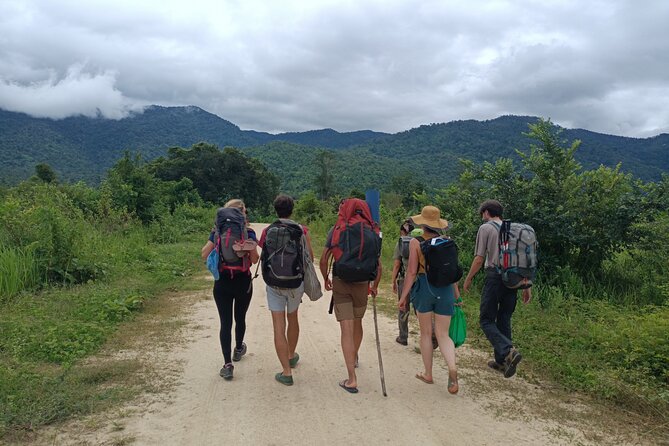
- Cambodia’s tallest peak (Aoral Mountain, 1813 m): a real goal with big views when the weather cooperates
- Full-service camping: tent or hammock setup, meal prep, and a local support team taking care of the basics
- Bamboo forest nights near water: camp atmosphere changes from day to night, and you’re off-grid for real
- Village visits for context: you’ll see how rural communities live around the mountains
- A 1974 plane wreck stop: a forest site tied to Cambodia’s civil war era is part of the trek experience
- Small-group control: you get between 2 and 12 people, with a maximum listed at 10
Aural Mountain (1813 m) and the Cardamom setting you can’t fake
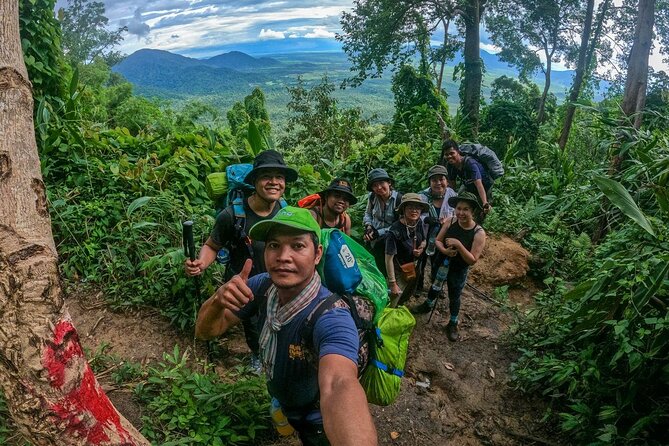
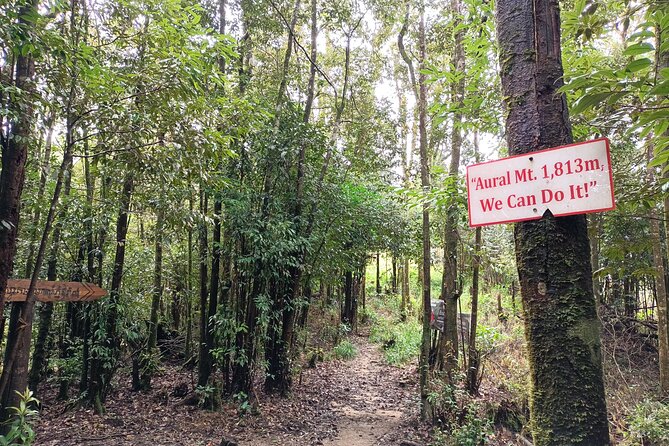
This trek is built around one clear objective: reaching Aoral Mountain, Cambodia’s tallest peak at 1813 meters. You’re not just walking in a park. You’re moving through the eastern Cardamom mountain range where the terrain and humidity do the talking.
You also get a “big-picture” sense of the region, not only by chasing the summit, but by seeing the mountain ridges that frame your route. Along the way, the trek is described as passing nine other hills on the trail before the main push. That matters because it shapes your pacing. You’re constantly working, even before the summit day feels like the summit day.
If you’re the type who likes nature with a little rough edge—bamboo forests, steep sections, and the feeling that you’re far from town—this fits your taste.
Starting from Phnom Penh: early pickup and why it matters on day one
The tour starts with hotel pickup and drop-off and includes round-trip private transfer. Meeting time is listed as 7:30 am, so plan for an early start from wherever you’re staying in Phnom Penh.
Why this matters: the sooner you leave, the more time you have for the trekking day instead of spending the day stuck in transit. The tour is also designed as a full 3-day schedule, so you want to arrive fresh rather than rushed.
You’ll also want to read the small “rule” details before you pack. The tour lists a formal dress code. That can sound odd for trekking, but it likely means you should dress appropriately for the pickup/transfer moments. For the actual hike, bring your normal trekking clothing—just be ready to follow the operator’s guidance for city and departure moments.
Day-by-day: what your 3 days look like on the trail
This is a fully-serviced trek with two nights camping plus the summit day. The rhythm is simple: walk, eat, sleep in the jungle, then do it again.
Day 1: bamboo forest camp and a head-start into mountain life
Your first day takes you away from the city and into the Cardamom environment. The plan includes spending the first two nights camping in a bamboo forest close to a natural waterfall area with a local support team.
That’s not just a romantic detail. Bamboo forest camping changes how you move. You’ll deal with wet ground conditions and humidity, and you may hear more wildlife activity at night. The “close to a waterfall” element also affects the air near camp. It can feel cooler by the sound and mist, but the forest is still hot and damp.
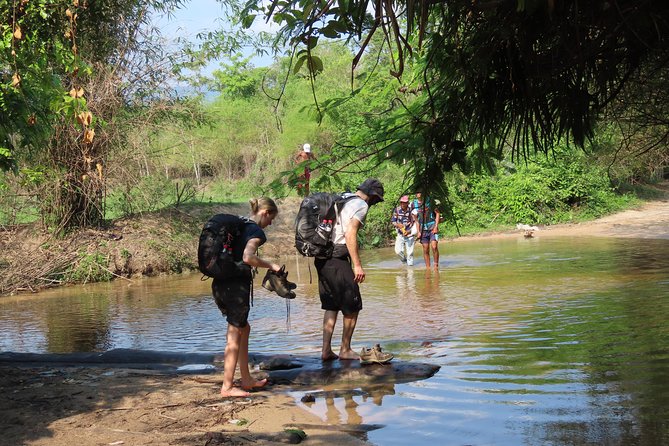
You’ll also get cultural grounding through village visits during the trekking route. The goal is to learn how people live in rural areas—so it’s not only about views. Expect conversations and observations that help you connect the scenery to real daily life.
Practical note: even if the itinerary feels straightforward on paper, the jungle environment makes your body do extra work. Plan on more sweat than you think.
Day 2: camp-to-summit build-up and the forest plane wreck
This day is where the trek becomes clearly “serious.” You’re moving through the hills and terrain that the route references, including the trail segments tied to Aoral’s climb.
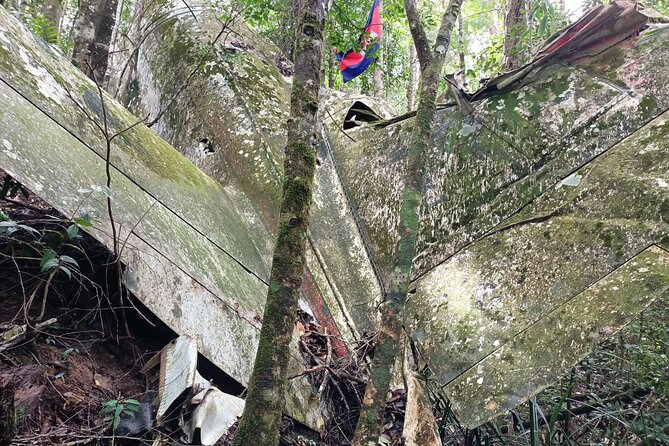
One of the more memorable stops is a plane crashed site in the forest. The wreckage is described as a plane from Lon Nol’s air force, shot down in 1974 during the civil war. That gives the trek a somber historical layer, and it also breaks up the monotony of just walking in the same line.
If you’re the kind of traveler who likes learning where you are, this stop is valuable. It grounds the mountain setting in Cambodia’s recent past.
Day 3: Aoral Mountain summit (1813 m) and your star-lit last night
After reaching the peak of Aoral Mountain, the plan includes a final night at the second camp—again in the jungle, sleeping under trees and stars before returning toward Phnom Penh.
This last night is a key part of why this trek works as an experience, not just an accomplishment. After the physical effort of the summit, the atmosphere matters. Sleeping under trees is quieter and more open-sky than most people get in Cambodia’s cities.
Then you transition back to the return to Phnom Penh via the included private transfers.
The summit day: what to expect from a real peak climb
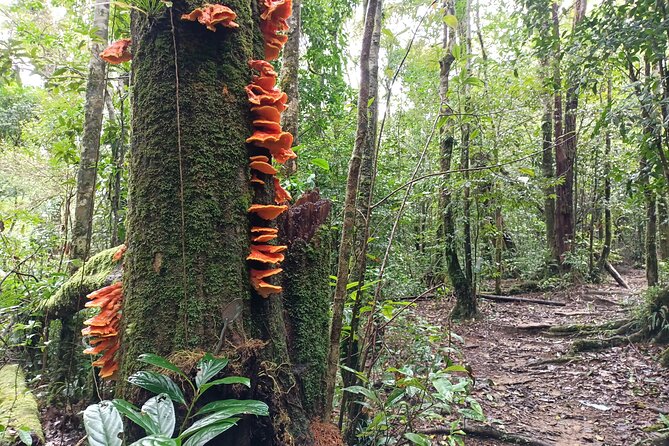
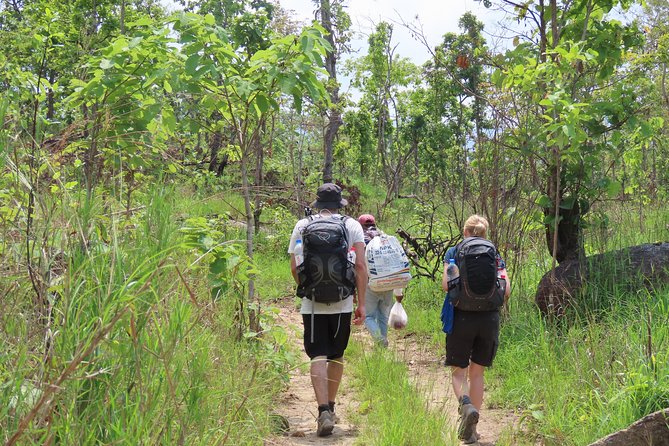
The tour is designed for moderate physical fitness. That doesn’t mean easy. It means you should be comfortable with multi-hour trekking, uphill sections, and staying focused even when conditions feel draining.
A real peak push usually comes with a few constants:
- heat and humidity that make hydration feel “never finished”
- uneven footing that slows your pace
- fatigue building step-by-step, not suddenly
The trek is described as challenging, especially up to base camp areas, and conditions can feel hot and humid. I’d plan your day around steady pacing rather than racing the path. If you go out too fast, you’ll pay for it later.
Also, you’ll sleep outdoors and move through forest terrain. So yes, expect bugs or critters in the general sense. This is part of jungle life, not a surprise.
Camping: tents or hammocks, plus what meals and water mean for comfort
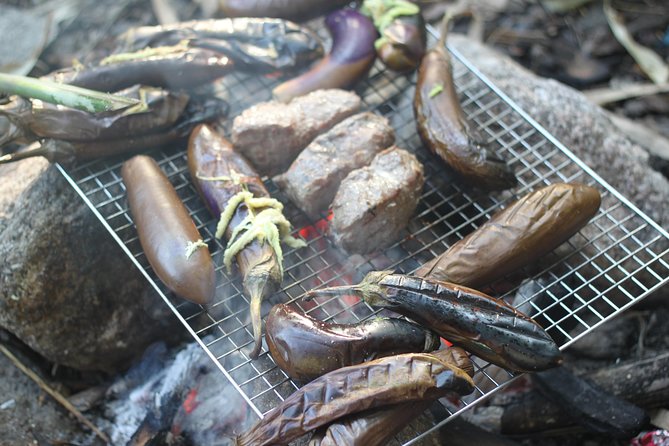
This tour is “fully served,” and camping is handled for you. You’ll have 2 nights accommodation by tent or hammock, and the bedding/camping gear is packed by the operator team. Camps include meals as per the itinerary (breakfast, lunch, dinner) and drinking water.
Here’s what that means in plain terms: you’re not carrying your whole kitchen or setting up your own camp. Your day energy goes into walking. Camp energy goes into resting and eating.
Tents or hammocks also change how your body recovers. Sleeping on the ground (even in a tent) can feel firmer than a bed. A hammock can be more comfortable for some people, but it still takes adaptation. The tour gives you the option of tent or hammock, so choose based on your own comfort with outdoor sleeping.
Since the camp is in a bamboo forest near water, plan for damp air. That’s not the same as cold-weather camping, but it can affect how sweaty clothes feel overnight.
Small-group trekking: why the numbers help
This is a small-group experience. It’s guaranteed with between two and 12 travelers, and the tour lists a maximum of 10 travelers.
For you, the payoff is practical:
- you can move at a pace the group can handle without getting separated
- guide support is more direct than on big tours
- the experience stays more personal during village stops and forest segments
Small-group tours are also more sensitive to timing. If the group is tired or weather changes, you feel it more quickly in the schedule. That’s the trade-off: it’s better, but it’s also more dependent on the group’s collective energy.
Price and value: is $385 a fair deal for 3 jungle days?
At $385 per person for a roughly 3-day trek, the value hinges on what’s included. And in this case, there’s a solid list.
Included highlights:
- hotel pickup and drop-off
- professional guide and local guides
- two nights tent or hammock accommodation with gear packed by the team
- meals (breakfast, lunch, dinner as per the itinerary)
- drinking water
- local transport if required
- round-trip private transfer
Not included:
- alcoholic drinks
- travel insurance and personal expenses
Where the money goes: guides and logistics. A small-group trek with camp setup, meals in the jungle, and a mountain objective isn’t just “walking.” You’re paying for safety support, route knowledge, and the fact that camp life is set up around you.
Is it budget travel? Not really. But compared with tours where you’re expected to carry your own camping gear and find your own meals, this price looks more reasonable—especially because the pickup and transfer are included from Phnom Penh.
If you’re the kind of traveler who wants the adventure but not the extra burden of planning and packing, this is the right kind of spend.
What to pack (and what to wear) for humidity and outdoor nights
The tour info is clear on luggage limits: one suitcase and one carry-on per traveler, and oversized extras may have restrictions. Keep it simple.
For clothing, aim for practical layers for humid jungle conditions, plus a change set for camp. You’ll likely want:
- trekking shoes or footwear with grip
- quick-dry clothes
- a rain layer you can actually use while moving
- a small day bag for essentials (not a heavy load)
Also, because the tour lists formal dress code, consider keeping one “right for pickup” outfit in your carry-on. You’ll likely dress trekking-style on the trail, but you want to be covered for the official parts of the day.
For sleep comfort, you’ll be in tents or hammocks, so bring any personal comfort items you usually need outdoors. The essentials (food, water, shelter setup) are handled, but your personal sleep preference still matters.
Who this trek suits best (and who should pass)
This trek fits best if you want:
- a real physical challenge with a clear summit goal
- jungle camping that’s supported by guides and camp cooking
- cultural contact through village visits
- a deeper stop like the 1974 plane wreck site
It may not suit you if:
- you want easy walks and hotel beds every night
- you’re not comfortable sleeping in tents or hammocks
- you hate heat and humidity and don’t handle that well
- you’re carrying lots of bulky gear (the luggage rules are limited)
If you’re traveling solo, this still works because the group is small and supported—but you should be comfortable following a guide and moving as part of a team.
Should you book Aural Mountain: the tallest peak trek from Phnom Penh?
I’d book if your idea of a great trip is getting off the main track: early pickup, guided trekking, village context, and nights under jungle sky. The combination of Aoral Mountain (1813 m) plus fully-serviced camping is a smart pairing. You do the hard part (walking and climbing), and the team handles the camp setup and meals.
I’d think twice if you expect a relaxed nature walk. This route is challenging, and it includes hot and humid conditions. You’re also sleeping outdoors, so if that’s a dealbreaker, don’t force it.
If you want to feel the mountains up close without becoming a logistics expert, this trek is set up for exactly that.
FAQ
What is the duration of the Aural Mountain Trek?
It’s listed as 3 days (approx.).
Where does the tour start from?
The tour is located in Phnom Penh, Cambodia, with hotel pickup and drop-off included.
What time does the trek meet?
The start time is listed as 7:30 am.
How many people are in the group?
It’s described as a guaranteed small-group tour between two and 12 travelers, and it also lists a maximum of 10 travelers.
What kind of accommodation is provided?
You get 2 nights accommodation by tent or hammock, with the camping setup packed by the operator team.
Are meals included?
Yes. Meals are included as per the itinerary: breakfast, lunch, and dinner.
Is drinking water included?
Yes, drinking water is included.
What’s included in the price?
Included items are hotel pickup and drop-off, professional and local guides, tent or hammock accommodation for 2 nights, meals, drinking water, local transport if required, and round-trip private transfer.
What isn’t included?
Alcoholic drinks (you need to bring them if you want any) and travel insurance and personal expense are not included.
Can I cancel for a full refund?
Yes. You can cancel up to 24 hours in advance for a full refund, and changes made less than 24 hours before the experience start time aren’t accepted.