REVIEW · SAPA
Sapa Local Trekking Adventures
Book on Viator →Operated by Sapa Trekking Tours · Bookable on Viator
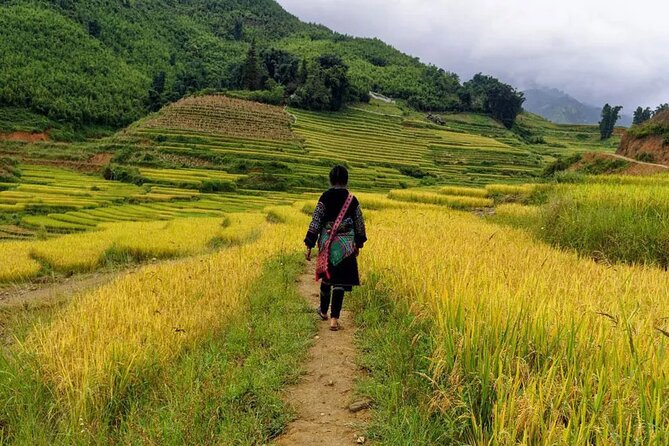
Rice terraces, but with a local rhythm. This small-group hike through Sapa and the Moa Huong Valley is interesting because it mixes real village life with guided walking, and it’s structured so you don’t spend your vacation figuring out meals or routes. I especially like the homestay component, which makes the villages feel like more than a photo stop, and I like the small cap of 8 people, which keeps the pace comfortable and the guide reachable. One possible drawback: the trek days run long in wet weather, so if you’re unsteady on your feet, you’ll want to plan for mud and slippery sections.
You’ve got options too. Choose a 1-day, 2-days/1-night, or 3-days/2-nights version based on your fitness and how much time you have in northern Vietnam.
In This Review
- Key things that matter before you go
- Sapa and the Moa Huong Valley: the point of this trek
- Group size of 8: why the hiking pace feels different
- Getting from Sapa Town: pickup, timing, and mobile ticket
- Day 1 to Y Linh Ho: a focused taste of the valley
- Day 2 to Ta Van Village: homestay living without overcommitting
- Day 3 to Giang Ta Chai Village: the longer trek option with more village time
- Meals handled for you: the underrated value
- What the guide adds (and when language matters)
- Rain, mud, and slippery trails: be prepared
- Value for money: $66.67 and what you’re really paying for
- Who this trek suits best
- Should you book Sapa Local Trekking Adventures?
- FAQ
- How long is the trek?
- Where do the trekking days start and end?
- How many people are in the group?
- Is pickup included?
- Is food included?
- Are homestays included?
- Do I need to pay valley entrance fees?
- Do I need to arrange transportation back to Sapa Town?
- Is the tour ticket digital?
- Can I cancel and get a refund?
Key things that matter before you go
- A small group (max 8): better pace control and more actual conversation with your guide
- Homestays are built in: you’re not hunting for local lodging last-minute
- Meals are included by trek length: lunch (and dinner/breakfast on longer trips) removes one big stress
- You walk popular valleys and villages, but not as a cattle-line: you’ll see daily life beyond town edges
- Rain changes everything: bring proper rain gear; muddy evenings can make walking harder
- Language can vary: one guide was praised for explanations, but another review reported very limited English
Sapa and the Moa Huong Valley: the point of this trek
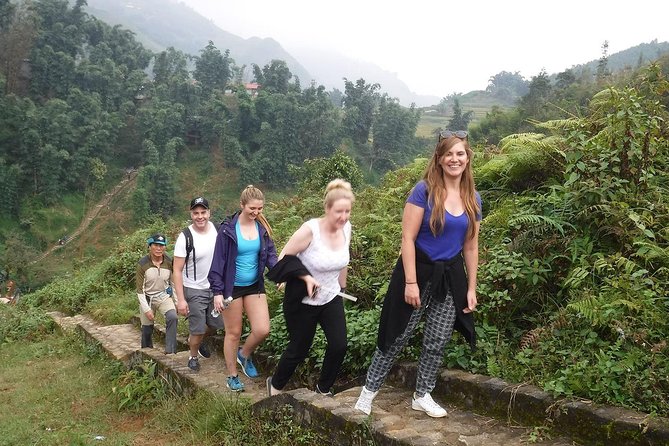
This tour is designed for people who want Sapa’s best walking scenery without the usual hassle. You get a structured route between key village areas, with valley entrance included and transport back to Sapa Town after the trek. Most importantly, your day has a plan: start in the morning, hike through village paths and rice-field scenery, then return to base in a predictable window (the tours run from 9:00am to 3:00pm).
The “local culture” promise isn’t just marketing words here. Homestays are part of the longer itineraries, which typically means you’re spending at least one night living on the village rhythm: simple food, shared spaces, and time to learn how families actually handle day-to-day life. In one review, a guide named Nhu was praised for answering questions and sharing details about the villages. That matters, because Sapa can feel like a blur of viewpoints if you don’t understand what you’re seeing.
At the same time, there’s a real-world caution. If the weather turns rainy, trails can get muddy and slippery, and one review specifically said it wasn’t great value for money for someone who is unsteady. Another review asked for rain gear and treated it like the main “must-pack” item. So yes, the trip can be incredible—but it’s also weather-dependent.
Group size of 8: why the hiking pace feels different
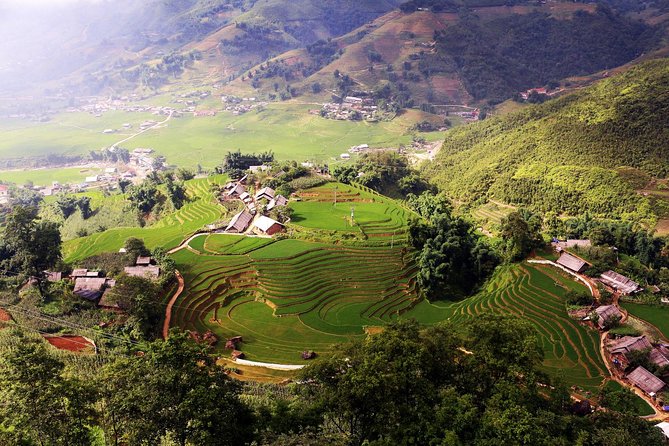
Most Sapa trekking tours you’ll see run in larger groups. Here, the cap is 8 travelers. That sounds small on paper, but on the trail it makes a difference.
- You can slow down without feeling like you’re holding everyone up.
- Your guide can keep an eye on footing and regroup more easily.
- You’re more likely to get answers to questions (especially on the villages and daily life side).
The tradeoff is availability. Small groups usually mean you book with less flexibility, and you may need to plan a bit ahead. This experience is commonly booked about 18 days in advance on average, so if you’re traveling around peak times, earlier is better.
Getting from Sapa Town: pickup, timing, and mobile ticket
Logistics are part of the value here. Pickup is offered, the tour starts in Sa Pa, Lao Cai, Vietnam, and it ends back at the meeting point. Your start time is 9:00am.
You also get a mobile ticket, which sounds minor until you’re standing in Sapa with spotty connectivity or a paper ticket you can’t find. It’s one less thing to juggle before a long walking day.
And since this activity is listed as near public transportation and most travelers can participate, the tour is built to be accessible compared with “only private driver” experiences. Still, the real fitness question is not transportation—it’s weather and trail footing.
Day 1 to Y Linh Ho: a focused taste of the valley
The short version of this trek is built around Y Linh Ho and runs 9AM to 3PM for about 8 hours of activity time. What’s included is clear-cut: lunch in a local restaurant, valley entrance, and transportation back to Sapa Town after your trek.
Why this day works well:
- It’s long enough to feel like an actual trek, not a quick stroll.
- Y Linh Ho sits in an area that gives you classic valley views and village walking without committing to a night away.
- It’s a good “fit test” for your legs and balance.
Possible drawback:
- If it’s rainy, day hikes can still feel intense. One review described a rainy night that made the trails very wet and muddy, and noted falls even for someone who still enjoyed the walking later on flatter sections.
- If you want lots of interpretive explanations, language matters. One negative review said the guide didn’t speak English and could only manage very basic responses.
If you’re on the fence between 1 day and 2 days, Day 1 is a smart way to make sure the trekking style and conditions match your tolerance.
Day 2 to Ta Van Village: homestay living without overcommitting
Day 2 moves you into Ta Van Village with the 2 days / 1 night format. Again, it runs 9AM to 3PM in your schedule window, but this option includes the key “culture” piece: overnight in a homestay.
Included meals and fees make this an easier choice than piecing everything together yourself. You’ll have:
- 2 lunches
- 1 dinner
- 1 breakfast
- overnight homestay
- valley entrance
- transport back to Sapa Town after the trek
What you’re likely to experience here:
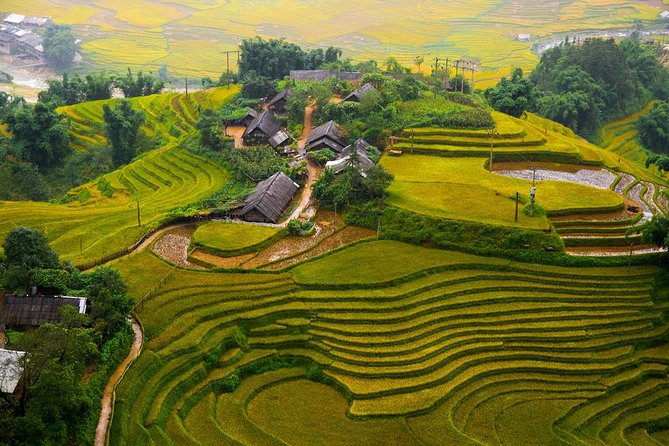
Ta Van is the kind of village where you can see how people live around rice fields, simple farm work, and household routines. Even when villages change (roads, services, modernization), you can still learn a lot by watching how daily life is organized.
One review noted visible modernization signs like Wi-Fi, while also describing the presence of minority communities and traditions. That doesn’t mean it’s “less authentic.” It means it’s authentic to the present day—something you don’t always get when you only visit a viewpoint.
Best for you if:
You want more than a day walk, but you don’t want to spend 3 days away from town. It’s also a good pick if you want enough time for conversation with your guide and hosts.
Watch-outs:
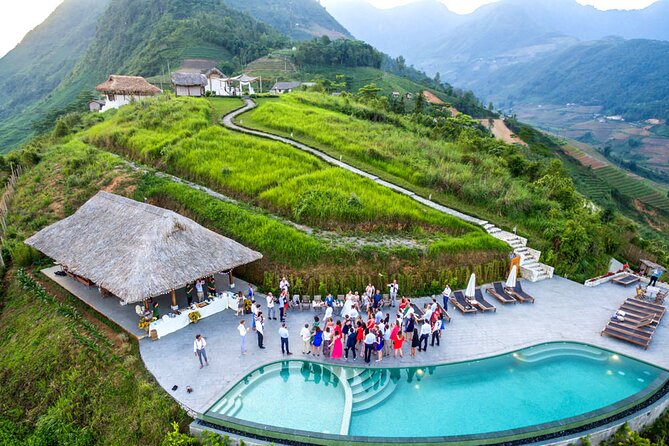
Homestays can be wonderful, but they also mean the rhythm of the village—not hotel comfort. The tour data doesn’t list comfort details, so you should mentally prepare for simpler conditions, especially in rainy season.
Day 3 to Giang Ta Chai Village: the longer trek option with more village time
The 3-day / 2-night version goes to Giang Ta Chai Village. Like the other options, it’s 9AM to 3PM per day. This itinerary is more “walk-heavy,” but it also gives you more time to settle into village life rather than treating it as a stopover.
Included:
- 3 lunches
- 2 dinners
- 2 breakfasts
- 2 overnight homestays
- valley entrance
- transport back to Sapa Town after the trek
Why this version can feel more meaningful:
When you spend multiple nights, you’re not just chasing scenery. You’ll likely notice the quieter parts of village routines—how people move through the day, how families handle food and chores, and how your presence fits into their schedule. One of the praised experiences from earlier feedback included a guide who offered lots of information about village life, and more time tends to make those conversations easier.
The main consideration:
More walking time means more exposure to weather. If you’re unlucky with rain, you’ll want the right footwear and rain gear. Mud isn’t a minor annoyance in trekking like this—it can turn stairs and slopes into ankle tests.
Meals handled for you: the underrated value
This tour quietly removes one of the hardest parts of independent trekking in northern Vietnam: food planning. Depending on your trek length, meals are included.
- 1-day: lunch is included
- 2 days / 1 night: lunches plus dinner and breakfast
- 3 days / 2 nights: more meals across multiple days
So you get less decision fatigue. You also get fewer “Wait, where do we eat?” interruptions that break the hiking flow. In a place like Sapa, where plans can shift based on weather, having meals already arranged helps keep the trip from unraveling.
That said, the tour data doesn’t list dietary accommodations. If you have specific dietary needs, it’s worth asking before booking so you’re not assuming.
What the guide adds (and when language matters)
Guides can make or break a trekking day in Sapa. The good news: you can get real, helpful explanations. In one praised experience, Nhu was noted for paying attention to needs during the trek and for answering questions with lots of village information. Another positive comment mentioned trying rice planting, which suggests the guide helped create hands-on moments, not just a walking route.
Here’s the balanced part: not every guide experience will match that. One critical review complained about an English gap and very limited responses.
Practical advice:
- If you care a lot about explanation and Q&A, ask about the guide’s English level before you confirm.
- Bring a small list of questions you genuinely want answered (how people farm, how village life changes, what traditions still matter).
- Even with limited language, you can learn a lot by observing—just don’t expect a detailed lecture if the guide’s English is basic.
Rain, mud, and slippery trails: be prepared
If you only remember one thing from the reviews, make it this: bring super-rain gear and expect mud.
One review called out that rainy mornings and wet conditions can make trekking difficult, including falls. Another said rainy night conditions made it very muddy and wet even if flatter sections turned nicer afterward. That’s a very consistent pattern: weather hits the steep bits first.
So what should you do?
- Pack proper rain protection (poncho style doesn’t help much if your shoes are exposed).
- Wear footwear with grip that can handle wet paths.
- If you’re prone to slipping or have knee/ankle instability, consider the 1-day option or make sure you’re comfortable walking on uneven ground.
Value for money: $66.67 and what you’re really paying for
At about $66.67 per person, this isn’t the cheapest way to trek in Sapa, but it can be good value if you price it against the stuff you don’t have to manage.
You’re paying for:
- a guided route with valley entrance included
- transport back to Sapa Town after the hike
- group organization (small group size)
- homestays on the 2- and 3-day options
- meals included, at least for the specified number of lunches/dinners/breakfasts
However, value is personal. One review flat-out said it felt overpriced, and the complaint wasn’t about the scenery—it was about what was explained and the guide’s ability to answer questions. In other words: you get value when your expectations match what the guide can deliver.
My practical rule:
If you want guided explanation in English and you’re sensitive to communication gaps, do a quick check before booking. If you mainly want the hike + village experience with meals handled, the structure can feel worth it.
Who this trek suits best
This tour fits best if you:
- want a small-group Sapa trek with a manageable pace
- care about homestays and village life, not just a viewpoint sweep
- want meals arranged for you so you can focus on walking and photos
- are okay with changing conditions depending on weather
It might be a tougher fit if you:
- have balance issues or struggle with muddy, slippery trails
- expect fluent English explanations at all times
- hate uncertainty from rainy conditions (because Sapa can get wet)
Should you book Sapa Local Trekking Adventures?
If you want Sapa without the planning headache, and you’re happy doing real walking in real conditions, I’d say yes—especially the 2 days / 1 night or 3 days / 2 nights options for the homestay time.
Book it if:
- you like the idea of a max 8-person group
- you want meals handled and transport included
- you’re ready with rain gear and grippy shoes
Skip or choose carefully if:
- you’re unsteady on your feet and rainy trails would stress you out
- language expectations are high and you can’t flex if your guide’s English is limited
FAQ
How long is the trek?
The experience runs in several formats based on your choice: a 1-day trek (9AM to 3PM), a 2 days/1 night trek (9AM to 3PM), and a 3 days/2 nights trek (9AM to 3PM).
Where do the trekking days start and end?
The activity starts in Sa Pa, Lao Cai, Vietnam at 9:00am, and it ends back at the meeting point.
How many people are in the group?
The maximum group size is 8 travelers.
Is pickup included?
Pickup is offered.
Is food included?
Yes. The included meals depend on the trek length. For example, the 1-day trek includes lunch, while the 2-day/1-night trek includes lunches plus dinner and breakfast, and the 3-day/2-night trek includes multiple meals across the days.
Are homestays included?
Yes, homestay accommodation is included for the 2 days/1 night and 3 days/2 nights options.
Do I need to pay valley entrance fees?
Valley entrance fees are included.
Do I need to arrange transportation back to Sapa Town?
Transportation back to Sapa Town after the trek is included.
Is the tour ticket digital?
Yes, it includes a mobile ticket.
Can I cancel and get a refund?
No. This experience is non-refundable and cannot be changed for any reason.