REVIEW · FUJIKAWAGUCHIKO MACHI
Private Local Hiking to enjoy the nature and culture of Mt.Fuji
Book on Viator →Operated by Yuki(ゆうき) · Bookable on Viator
Fuji gets personal when you hike it. This private Mt. Fuji nature-and-culture walk is guided by Yuki, a certified mountain guide who has climbed Mt. Fuji over 40 times, plus a licensed local hunter who knows how people read this land. I especially like the way the day mixes serious views with quiet, local places that feel far from the loud bus stops.
I also like the food and calm ending: you’ll stop for local eats tied to the region, then unwind in a Japanese garden with real matcha. One consideration: pickup is limited to people staying around Kawaguchiko or Fujiyoshida, so if you’re farther out you’ll need to make your own way to the meeting area.
The hike runs about 5–6 hours, with a moderate main effort (around 1 hour up and 30 minutes down) plus sightseeing breaks. Most people can handle it, and free rental gear helps a lot—especially if weather turns moody near Fuji.
In This Review
- Key Highlights You’ll Actually Feel
- Why This Mt. Fuji Hike Feels Local, Not Tourist-Queue
- Meet Yuki: The Guide Who Links Peaks, Shrines, and Stories
- 9:00 Start, 5–6 Hours: How the Day Flows
- Fuji Omuro Sengen Shrine: Worship Built for Eruption Days
- Saiko Lake and the Promise of Clear-Day Fuji
- Aokigahara Jukai: The Sea of Trees, Not a Scary Movie Set
- Ryugudoketsu: The Sacred Cave Stop That Adds Spiritual Weight
- Sankodai Viewpoint Hike: Where Fuji’s Best Angles Meet the Jukai
- Menkyo-kaiden Food Stop: Yoshida Udon Without the Guesswork
- Fujisan Onsen Hotel Kaneyamaen Garden: Matcha and a Slow Exhale
- Gear, Rain Plans, and Weather Reality Near Mt. Fuji
- Price and Value: Is $131.38 Worth It?
- Who This Tour Suits Best
- Should You Book This Private Hike to Mt. Fuji?
- FAQ
- What is the duration of the tour?
- Is pickup included?
- What time does the tour start?
- How hard is the hiking portion?
- What’s included in the price?
- What is not included?
- Is the tour private?
- Do I need to worry about gear and rain?
- What happens if the weather is poor?
Key Highlights You’ll Actually Feel
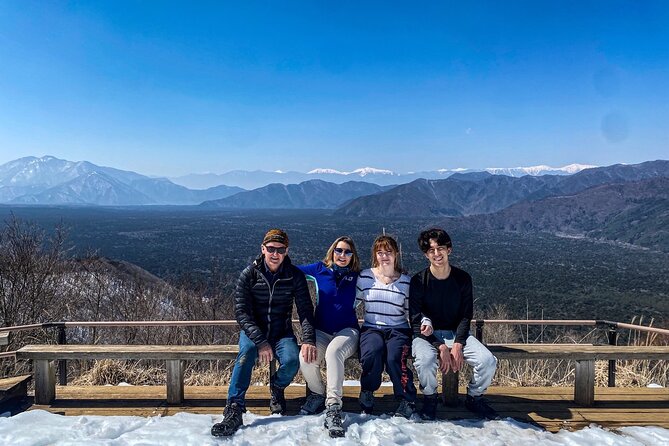
- A guide with real local mountain credentials: Yuki (and in at least one recent hike, the guide was Danny) shares practical stories, not just facts.
- Multiple Mt. Fuji “looks”: you’re set up for iconic views, especially from the trail when it’s clear.
- A quieter lake and a famous forest: Saiko Lake and the Aokigahara Jukai area keep the focus on nature.
- Shrine + sacred cave: Fuji worship, eruption history, and a prayer cave connect the spiritual side to the geology.
- Easy-to-manage hiking with gear included: shoes, poles, and rain gear are provided.
- A local-food stop and a garden matcha finish: Yoshida-style udon and a relaxed end to the day.
Why This Mt. Fuji Hike Feels Local, Not Tourist-Queue
This is the kind of Mt. Fuji day that doesn’t feel like a checklist. You start at the foot of Fuji and move through places that locals still treat as meaningful—shrines, lakes, forest, and sacred geology—then you finish with food and tea in proper Japanese style.
The big practical difference is the pacing. Even when you’re walking, the stops are spaced so you get time to look, breathe, and actually notice what’s around you. That matters here because Mt. Fuji is as much about atmosphere as it is about the peak.
Meet Yuki: The Guide Who Links Peaks, Shrines, and Stories
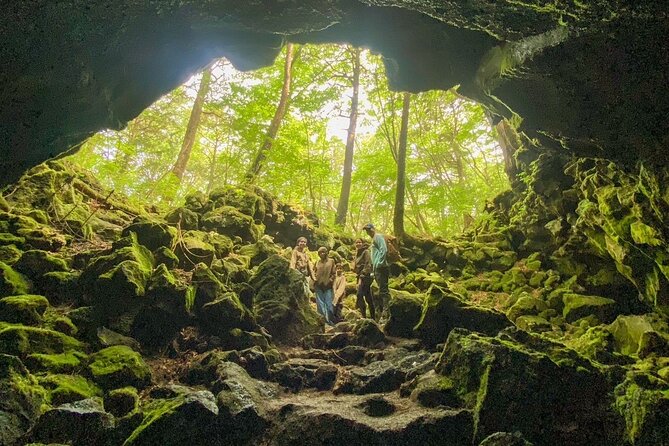
Yuki is the star of the show. He’s a certified mountain guide with 40+ climbs of Mt. Fuji, so he’s comfortable talking about conditions and how people move safely in mountain weather. He also brings a hunting background, which shows up in how he points out details of the forest and land rather than treating it like a backdrop.
In the reviews, one thing pops up again and again: guides being patient and helpful. On at least one hike, the guide brought coffee, chocolate, and snacks for the summit break. That small touch isn’t guaranteed for every tour, but it tells you the vibe: you’re not rushed, and comfort matters.
9:00 Start, 5–6 Hours: How the Day Flows
The day begins at 9:00 am. Expect a schedule built around viewpoints and timing—especially since Mt. Fuji visibility depends on the weather. You’ll spend time at free sites along the way, then add a couple food and tea moments later.
The route is designed so you get a hiking effort without turning it into a “survive the mountain” mission. The moderate main portion is about 1 hour up and 30 minutes down, and you’ll also do a longer walk segment toward a viewpoint (Sankodai is a proper hike up the one-way route).
Also note: it’s private, so it’s only your group. That means you can move at a pace that fits your comfort and stop for photos without negotiating with strangers.
Fuji Omuro Sengen Shrine: Worship Built for Eruption Days
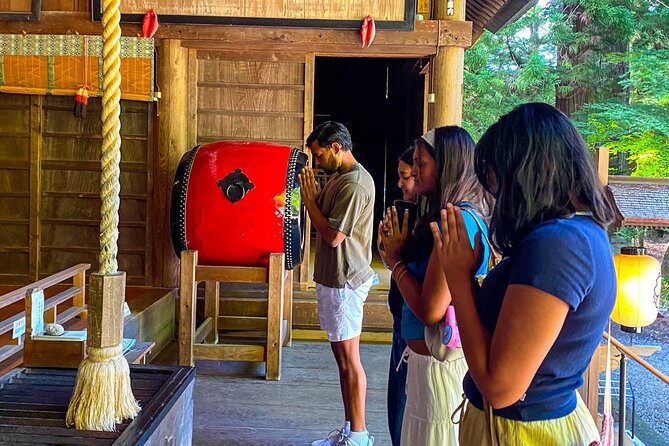
Your first major cultural stop is Fuji Omuro Sengen Shrine, described as having deep ties to Mt. Fuji worship and the biggest eruption. The idea is straightforward but powerful: the shrine was built to help calm the eruption’s impact, and worship began as a way for people to live beside a force they couldn’t control.
This stop works even if you’re not the type to read every plaque. You’ll notice how the place frames the mountain—less like a postcard, more like a presence with history. Admission is free, and the visit is short (about 15 minutes), so it doesn’t steal time from hiking.
Saiko Lake and the Promise of Clear-Day Fuji
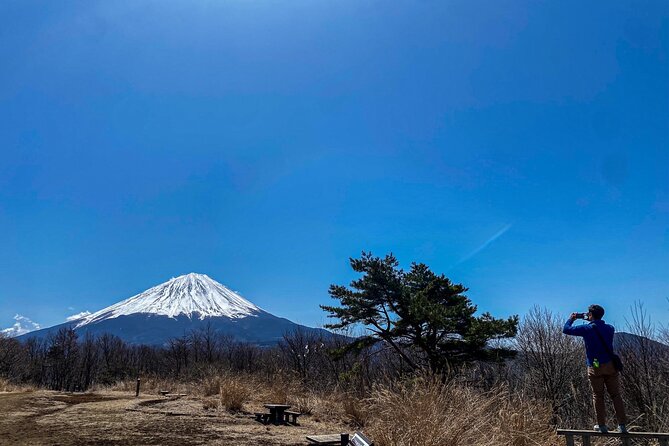
After the shrine, you head to Saiko Lake. It’s often quieter than Lake Kawaguchiko, and that quiet is the point. When the weather cooperates, you get a strong view connection between Mt. Fuji and the water, without the crowds.
This stop also helps you understand the rhythm of the region: Fuji’s shape shows differently depending on your angle and elevation. Even if you don’t get a perfectly crisp mountain, you’ll still get a sense of why artists and hikers keep returning here.
Aokigahara Jukai: The Sea of Trees, Not a Scary Movie Set
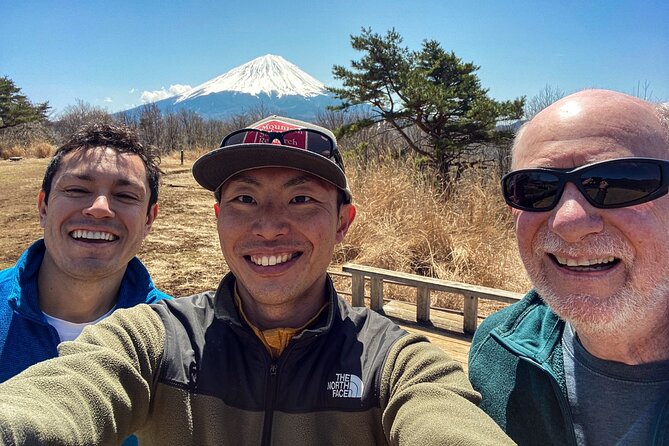
Next is the Aokigahara forest area, called Jukai, the sea of trees. One eruption about 1200 years ago shaped the forest, and the result is a dense, visually repeating texture that feels unusual in a good way.
You’ll also get a viewpoint moment to take in the “sea” effect. It’s not about walking through a theme park. It’s about feeling how the land changes after an eruption and how that changes what grows and how it looks from above.
If it’s windy or misty, the forest mood shifts fast. Bring a layer you can handle for both sun and shade.
Ryugudoketsu: The Sacred Cave Stop That Adds Spiritual Weight
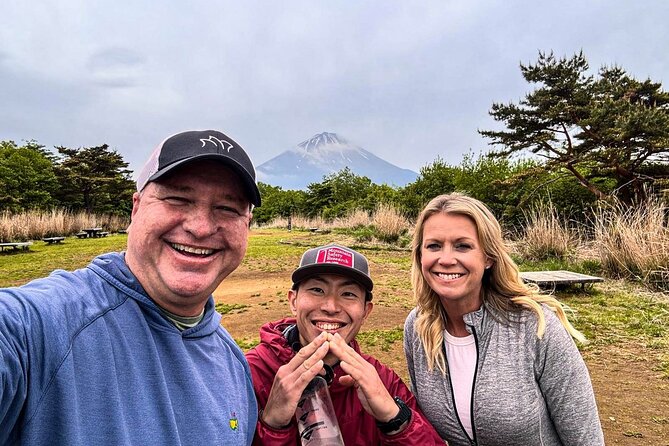
Then comes the Ryugudoketsu-iriguchi area, a sacred cave people visited to pray for the goddess of Mt. Fuji before climbing. The belief was that being inside the cave was like being close to the goddess herself, so the act of entering mattered.
This is one of those stops that adds meaning to the geology. You’re not only seeing a cave; you’re seeing why people made it part of their mountain routine. It also gives you a short break from open hiking as you switch from forest sights to something more enclosed and quiet.
Sankodai Viewpoint Hike: Where Fuji’s Best Angles Meet the Jukai
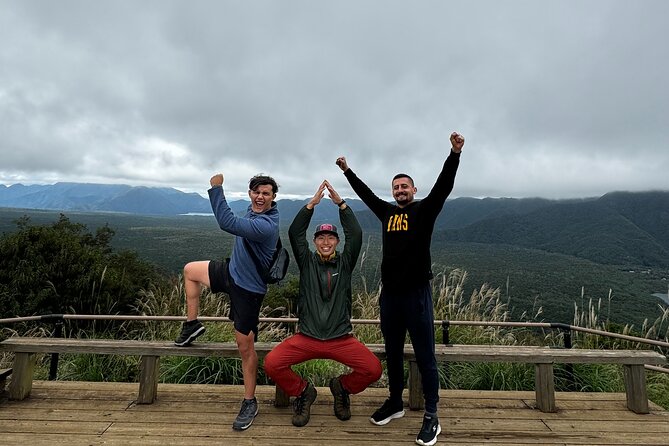
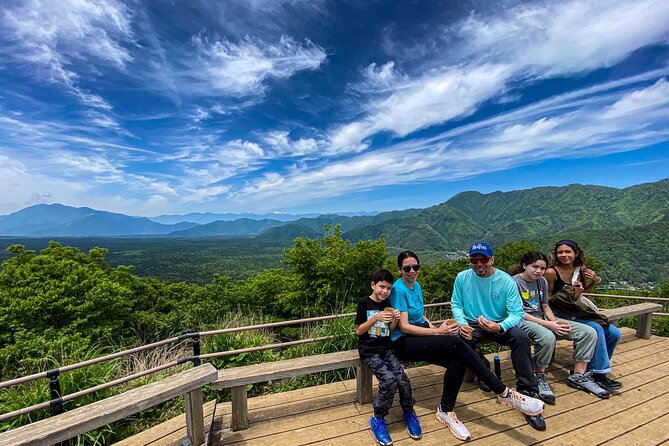
Sankodai is the payoff hike. It’s described as about a 1 hour one-way walk to a viewpoint where you can enjoy Mt. Fuji, the Jukai sea of trees, and Lake Saiko at the same time.
In practice, it’s a beginner-friendly hike effort, but it’s still a hike. Your legs will notice the climb. The reward is the broad view, especially when Fuji is clear enough to show its shape.
If the day is cloudy, you’ll still get a strong forest-and-lake panorama. But if your heart is set on a sharp Fuji silhouette, aim for the clear-day conditions the day offers. Weather is a real factor here.
Menkyo-kaiden Food Stop: Yoshida Udon Without the Guesswork
After the heavier views, you switch to food at Menkyo-kaiden. This is where the tour leans into why the Fuji region is more than scenery. You’ll eat the signature Yoshida udon with your guide, who brings you to a place tourists typically don’t find on their own.
Budget about JPY 1,000 per person for the meal. Lunch is not included in the base price, so plan for it. I like that the guide handles the selection part—during a hike day, decision fatigue is real.
Fujisan Onsen Hotel Kaneyamaen Garden: Matcha and a Slow Exhale
To close out the day, you relax at Fujisan Onsen Hotel Kaneyamaen. This is one of the older hotels in Fujiyoshida, and it has a large Japanese garden that opens to the public.
You can enjoy matcha with a Japanese sweet for about JPY 1,000 per person (optional), or just sit with a drink and take in the garden pace. It’s a nice counterbalance to the morning’s walking effort.
The timing is good too. By then, you’ve climbed, looked, and listened. A calm garden finish makes the whole trip feel complete.
Gear, Rain Plans, and Weather Reality Near Mt. Fuji
Mt. Fuji weather can change fast, and the tour helps you prepare. Included gear covers trekking shoes, trekking poles, rain jackets and pants, and gloves. That’s a big deal if you’re traveling light, since “I’ll just buy cheap rain gear” turns into a regret story.
Still, the tour does require good weather. If it’s canceled because conditions are poor, you’ll be offered another date or a full refund. In mountain country, that’s the right call.
Price and Value: Is $131.38 Worth It?
At $131.38 per person, you’re paying for a private guided day built around transport, instruction, and equipment. Here’s what’s included: private transportation, the guide fee, and free rental hiking gear. You’re also getting a structured route with multiple stops that blend culture and nature.
You’ll pay extra for lunch (around JPY 1,000) and matcha with a sweet is optional. Insurance isn’t included.
To me, the value comes from two places:
- You’re not just sightseeing—you’re hiking with a guide who can explain what you’re seeing and help pace you.
- You avoid the “logistics tax.” Transport and gear are handled, and you don’t have to coordinate multiple separate tickets for scattered places.
If you’re comfortable organizing transport on your own and hiking without help, you might do it cheaper independently. But if you want a smoother day with context and less friction, this price starts to make sense fast.
Who This Tour Suits Best
This tour fits best if you want Mt. Fuji hiking with cultural stops and don’t want a rigid, fast-moving schedule. It’s also a good option for mixed groups because the hike is moderate and described as suitable for all ages.
You’ll especially enjoy it if:
- you care about local places like shrines, sacred caves, and forest viewpoints
- you want multiple chances to see Fuji from different angles
- you’d rather hike with gear support than stress over what to pack
Should You Book This Private Hike to Mt. Fuji?
If you like the idea of combining shrines, lakes, Aokigahara forest, and viewpoint hiking into one guided day, book it. The private format and the included gear make the trip feel easier than it looks on paper.
I’d hold off or be extra flexible if your main goal is a crisp Fuji photo no matter what, because weather affects visibility. Still, even on less-perfect days, the cultural stops and forest-and-lake scenery are worth it.
If you’re deciding between this and a purely photo-based tour, choose this one for the walking and the story. Mt. Fuji rewards patience, and this itinerary is built for that.
FAQ
What is the duration of the tour?
It runs about 5 to 6 hours.
Is pickup included?
Pickup is offered, but only if you’re already staying in the Kawaguchiko or Fujiyoshida area, or if you can come to those areas on your own.
What time does the tour start?
The start time is 9:00 am.
How hard is the hiking portion?
The main trail is moderate, about 1 hour up and 30 minutes down, and it’s described as suitable for all ages. A longer viewpoint walk toward Sankodai is also included.
What’s included in the price?
Included are trekking shoes, trekking poles, rain jackets/pants, gloves, private transportation, and the guide fee.
What is not included?
Lunch (around JPY 1,000) is not included, and insurance is not included.
Is the tour private?
Yes. It’s private, meaning only your group participates.
Do I need to worry about gear and rain?
You don’t need to bring hiking gear. Rental rain gear and hiking equipment are included, which helps if conditions shift.
What happens if the weather is poor?
Because the experience requires good weather, if it’s canceled due to poor conditions you’ll be offered a different date or a full refund.