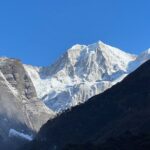
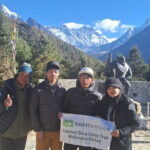
Sunrise at Poon Hill is the real headline. This short 3-day trek mixes big Himalayan views with village life in the Annapurna Conservation Area, plus solid logistics handled for you. I especially like how guides such as Dhurba and Nawin (and organizers like Badri) help you stay on track for the early morning push.
Second, I love the balance of comfort and authenticity: teahouses for nights, and a route that passes through Gurung and Magar communities instead of just jumping between viewpoints. One drawback to plan for: sunrise depends on weather, and you’ll still be climbing early even when clouds are feeling moody.
In This Review
- Key highlights you’ll actually feel on the trail
- Poon Hill sunrise and why this trek stays beginner-friendly
- Day 1: Pokhara drive to Banthati, then forest-and-village walking to Ghorepani
- Day 2: Sunrise at Poon Hill, then the cultural village of Ghandruk
- Day 3: Ghandruk to Nayapul, then back to Pokhara
- What’s included in the price, and why it changes the risk level
- The costs you’ll need to budget separately (no surprises, if you plan)
- Gear, weather, and fitness: what to prepare for a chilly sunrise
- Who this Poon Hill trek suits best
- Price and logistics: pickup, mobile ticket, and private transport
- Should you book this Poon Hill trek?
- FAQ
- FAQ
- How long is the Poon Hill trek?
- What is the minimum age for this trek?
- Is pickup offered?
- Is there a limit on group size?
- What meals are included?
- What trekking gear is provided?
- What is not included in the price?
- Is this trek refundable if I cancel?
Key highlights you’ll actually feel on the trail
- Poon Hill sunrise payoff without a long, high-altitude slog
- Ghorepani to Ghandruk for views plus culture in one tight loop
- Small group size (up to 10) keeps the pace calm and questions answerable
- Teahouse lodging and included meals reduce the day-to-day hassle
- Support that starts before the trek with pickup and Kathmandu-side coordination
- Provided trekking poles and down jacket help you travel lighter
Poon Hill sunrise and why this trek stays beginner-friendly
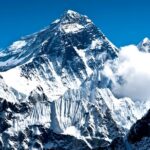
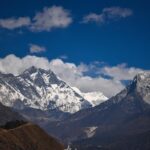
The Ghorepani Poon Hill trek works because it delivers drama fast. You’re going after panoramic views of the Annapurna and Dhaulagiri ranges, especially famous for early morning light—when the mountains look like they’ve been turned up to full brightness.
The trek is also short and intentionally manageable. It’s described as relatively easy and well-suited for beginners, people with limited time, and even families (minimum age is 8). That matters, because a lot of Nepal trekking marketing sells the idea of adventure but forgets the real question: can you still enjoy yourself after your first steep hour?
I also like that your day structure is clear and predictable. Day 1 is a “get moving” day. Day 2 is the big visual day. Day 3 is an exit with a final round of mountain views before you’re back in Pokhara.
As for who might guide you: in feedback tied to this kind of itinerary, names like Dhurba, Nawin, Gobinda, and Jagan show up as guiding staff, with Badri and Ari mentioned in Kathmandu coordination. If you get one of those folks, you should feel good about the tone of the trip—organized, friendly, and practical.
You can also read our reviews of more tours and experiences in Kathmandu.
Day 1: Pokhara drive to Banthati, then forest-and-village walking to Ghorepani
Day 1 starts with a private drive from Pokhara to Banthati. That sounds like a small detail, but it changes the whole mood. Instead of wasting energy on logistics, you arrive ready to walk and settle in.
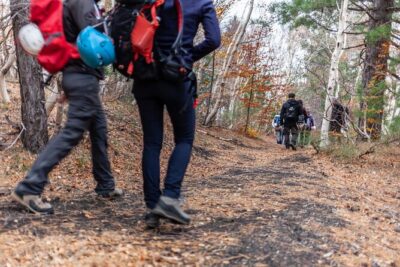
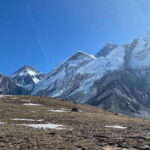
From Banthati, you trek toward Ghorepani. The trail is described as running through forests and villages, with Himalayan views along the way when the weather cooperates. This is a day to enjoy the “in-between” stuff: the rhythm of footsteps on the path, the terraced fields you’ll pass, and the simple fact that you’re not staring at a single viewpoint for three days straight.
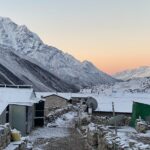
You’ll reach Ghorepani, where you’ll stay in a teahouse. Teahouses on this route are known for comfortable lodging and hospitality, which is a big deal when you’re on a schedule built around sunrise. After an early start the next morning, you’ll appreciate having a real place to rest instead of scrambling for options.
Meals are handled for you too. Breakfast is included, and dinner is included while you’re trekking. Practically, that means fewer choices and fewer costs creeping in while you’re already tired.
One thing I’d watch on Day 1 is pacing. Since the trek is meant to be easy-ish, it can still feel long if you start too fast. My advice is to settle into a steady walk so you arrive ready for an early morning on Day 2, not already exhausted.
Day 2: Sunrise at Poon Hill, then the cultural village of Ghandruk
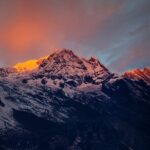
This is the heart of the trek: a very early hike to Poon Hill for sunrise. The idea is simple: you climb before dawn, reach the viewpoint, and watch the sky light up behind the Annapurna South and Dhaulagiri ranges. When conditions are clear, the views can be dramatic in a way that feels almost unreal.
I’ll be honest about the only part you can’t fully control: weather. Some trips have clear skies and big visibility; others don’t. The route’s famous, but sunrise is still sunrise. Clouds can hide the view, and that’s why I think the included support matters—you’ll know when to move, how early you need to start, and what to expect.
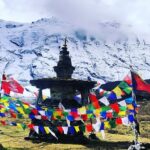
After sunrise, you hike from Poon Hill to Ghandruk, a village known for cultural richness tied to Gurung and Magar communities. This shift—from cold pre-dawn climbing to warmer village trails—makes Day 2 feel like two different experiences in one package.
Ghandruk is where the trip stops feeling like just another photos-and-snacks outing. You get time walking through daily village life, seeing homes, fields, and the way people live around the mountains. That cultural layer is one reason this trek feels more meaningful than a purely scenic hike.
You’ll stay in the teahouse again for the night, with dinner included while trekking. And breakfast is included as well, so you aren’t trying to guess what to eat while you’re figuring out your day plan.
For many first-timers, the biggest challenge on Day 2 isn’t fitness. It’s timing. You’ll likely be up early, walking in the dark or near-dark, and then transitioning into a longer trekking leg afterward. Plan to keep your brain simple: follow the guide’s timing and focus on steady steps, not speed.
Day 3: Ghandruk to Nayapul, then back to Pokhara
Day 3 finishes the loop with a hike from Ghandruk to Nayapul. This is your “last good views” day. The final stretches let you enjoy the mountains one more time before you switch gears from trail life back to road life.
Once you reach Nayapul, you return to Pokhara by private transportation. The practical benefit of private transport here is you avoid last-minute negotiating. Your day ends in a planned way instead of turning into a scavenger hunt for seats, schedules, and change.
This is also the day that helps you gauge whether you want more trekking in Nepal. If Day 1 and Day 2 felt manageable, Day 3 will feel like a gentle finish. If you’re surprised by how tired you get, that’s useful information too. Either way, you’ll leave knowing what your “comfortable trekking mode” looks like.
The package includes breakfast on the overall itinerary (with breakfast also listed in Pokhara), so you’re not left scrambling for meals right after the trek ends.
What’s included in the price, and why it changes the risk level
At $523 per person, this is positioned as a short, guided trekking package with meaningful inclusions. For me, the value isn’t just the scenery. It’s the reduction of hassle and decision fatigue.
Here’s what the price includes:
- Private transportation (for getting you to the trail and back to Pokhara)
- All fees and taxes
- Breakfasts: 3 total (2 during the trek, 1 in Pokhara)
- Lunches: 2 during the trek (including lunch while in the mountains)
- Dinners: 2 during the trek (in the mountains)
- Trekking poles (2)
- A duffle bag
- A down jacket during the trekking
- Trek completion certificate
- Pickup offered and a mobile ticket
Those items matter more than people think. Trek poles and a down jacket are two of the most common “I didn’t pack right” problems. If you’re traveling light or you don’t want to buy gear you’ll only use once, this kind of inclusion is real money and real stress saved.
It also matters that meals are covered. Food is usually where budgets creep up on treks, because you’re hungry, tired, and tempted to pay whatever is convenient. Having breakfast, lunch, and dinner planned for the trek days helps you stick to a predictable total.
One more practical point: the package size is capped at 10 travelers. That usually translates into a smoother experience—less waiting, more flexibility, and fewer moments where you feel lost in a crowd.
The costs you’ll need to budget separately (no surprises, if you plan)
The not-included list is pretty standard for Nepal trekking, but it’s worth reading like a checklist before you lock it in.
Not included:
- Nepalese visa fee
- International airfare to and from Kathmandu
- Personal expenses (phone calls, laundry, bar bills, battery recharge, extra porters, bottle or boiled water, shower, etc.)
- Tips for guide(s), porter(s), and driver(s)
- Travel insurance
- Anything not mentioned in the included list
The part that catches people off guard is personal expenses. Bottle or boiled water and showers are listed as personal costs. On treks, those add up quietly, especially if you buy convenience items daily.
Also, tips aren’t included. The guides and porters are part of why the trek works smoothly. If you hate uncertainty around tipping, this is a place where you’ll want to decide ahead of time what feels fair.
Finally, travel insurance is not included. You don’t want to be the person improvising coverage after a fall or illness. Even for shorter treks, it’s one of those “cheap compared to regret” purchases.
Gear, weather, and fitness: what to prepare for a chilly sunrise
This trek is described as relatively easy and family-friendly, but don’t mistake short for effortless. You’re still hiking uphill, and Day 2 starts before sunrise. That means cold mornings are part of the deal.
The good news: you get a down jacket during the trekking, plus trekking poles and a duffle bag. That reduces gear anxiety. Bring what feels comfortable for you—especially layers you can adjust as you warm up after the early hike.
Fitness-wise, most people can participate (minimum age is 8). That said, you’ll enjoy it more if you can handle steady walking and short climbs without stopping every five minutes.
Group size is small enough to keep the pace reasonable, but it’s still a group plan. If you’re the type who needs to wander off trail to photograph every flower, you might feel slightly constrained compared with a totally independent trek. The tradeoff is support and timing for sunrise.
In terms of seasonality, the trek is viable year-round. Spring can bring rhododendrons, while clear autumn skies can improve visibility for sunrise viewing. If you’re planning around the best chance for a clean view, you’ll likely gravitate toward seasons when skies tend to be clearer.
Who this Poon Hill trek suits best
This is a smart choice if you want:
- A short Nepal trek that still feels like you left the tourist bubble
- Big scenic payoff with less time on the trail
- Cultural stops through Gurung and Magar communities
- Teahouses with comfortable lodging and hospitality (so you’re not living out of a sleeping bag)
It’s also a good option for families. Lower altitude and moderate difficulty are specifically called out, which is exactly what you want when you’re traveling with kids or someone who’s not into multi-week hikes.
If you’re solo, it can still work well because group size stays small and you get guide support. Many trekkers doing this style of trip value having someone to help with timing and local context—especially on sunrise morning.
If you’re a serious hiker hoping for long days or technical terrain, this likely won’t satisfy you. This trek is about getting the view and the culture without burning weeks.
Price and logistics: pickup, mobile ticket, and private transport
Even with a short trek, logistics can be a headache when you do it on your own. Here, private transportation handles the big handoffs: getting you from Pokhara to Banthati, and later from Nayapul back to Pokhara.
You also get pickup offered, plus a mobile ticket. That reduces the chance you’re chasing paper confirmations or wondering where to be and when.
Confirmation is received at the time of booking, which is another small but useful stress reducer. For many people, the hardest part of Nepal planning is not walking—it’s knowing you’ve locked in the right transport and dates.
One more practical note: this experience is listed as non-refundable and cannot be changed for any reason. So if your dates are fragile or you’re still waiting on weather or work approvals, you’ll want to think carefully before you pay.
Should you book this Poon Hill trek?
If you want a short Nepal trek with a real sunrise moment, this one makes a lot of sense. You’re paying for more than views—you’re paying for meals, gear support, private transport, and a schedule built around sunrise and cultural village time.
I’d book it if:
- You’re a beginner or you’re traveling with family
- You want strong Annapurna and Dhaulagiri views without a big time commitment
- You’d rather have guides handle the timing and logistics than DIY the route
I’d pause if:
- Your travel window is fixed and non-refundable matters a lot to you
- Sunrise photos are your #1 goal and you can’t tolerate the weather gamble
- You dislike paying extra for personal expenses and tips on top of the base price
Overall, this trek is a high-value way to experience Annapurna Conservation Area scenery and village culture in a tight timeframe—especially if you want the sunrise, but you also want the trip to run smoothly.
FAQ
FAQ
How long is the Poon Hill trek?
The trek is listed as about 3 days.
What is the minimum age for this trek?
The minimum age is 8 years.
Is pickup offered?
Yes, pickup is offered.
Is there a limit on group size?
Yes, the maximum group size is 10 travelers.
What meals are included?
Breakfast is included 3 times total, lunches are included 2 times during the trek, and dinners are included 2 times during the trek.
What trekking gear is provided?
You’ll receive 2 trekking poles, 1 duffle bag, and 1 down jacket during the trekking.
What is not included in the price?
Not included are the Nepal visa fee, international airfare to and from Kathmandu, travel insurance, tips for guide(s) and porter(s), and personal expenses such as phone calls, laundry, bar bills, battery recharge, extra porters, bottled or boiled water, and shower.
Is this trek refundable if I cancel?
No. It’s non-refundable and cannot be changed for any reason.