REVIEW · AGUAS CALIENTES
Salkantay Trek to Machu Picchu 5 Days with Sky Lodge Domes
Book on GetYourGuide →Operated by Quechuas Expeditions Peru S.A.C. · Bookable on GetYourGuide
Five days of Andes drama begins at Humantay. This trek pairs Sky Lodge Domes with big-mountain effort and the turquoise Humantay Lake hike. I also like that the route blends classic Salkantay views with Inca footsteps, and you get a bilingual guide who keeps the plan moving. One consideration: the second night’s lodging may feel more basic than the dome nights, so manage comfort expectations.
You’ll hit a high point on day two with the demanding Salkantay Pass, then ease into the Santa Teresa Valley for an easier walking day. With a small group limited to 8 and a provided oxygen tank plus a first aid kit, it feels more controlled than the roughest budget treks. Still, this is not a gentle walk—altitude and steep sections are real, and this trip is not suitable for pregnant women or people with back or heart problems.
In This Review
- Key points worth knowing before you go
- Sky Lodge Domes: more comfort than most trekkers expect
- Day 1: Cusco pick-up, Challacancha trailhead, and Humantay Lake magic
- Day 2: The challenging Salkantay Pass and the descent to Chaullay
- Day 3: Santa Teresa Valley, optional hot springs, and a second dome night
- Day 4: Original Inca Trail vibes, Llactapata views, and reaching Aguas Calientes
- Day 5: Machu Picchu guided tour, add-on hikes, then train back to Cusco
- Pacing, altitude, and safety: what the package supports
- Food and gear: what you’ll eat, what you’ll carry, what to rent
- Price and value: is $680 a smart deal for this trek?
- Who should book Salkantay in Sky Lodges, and who should skip it
- Final call: should you book this Salkantay trek to Machu Picchu?
- FAQ
- How many people are in the group?
- When do you meet in Cusco and do you get a briefing?
- What lodging is included during the trek?
- Are meals included?
- Do you include Machu Picchu entrance and a guided visit?
- How much luggage can I bring, and how is it transported?
- Is oxygen or medical support included?
Key points worth knowing before you go
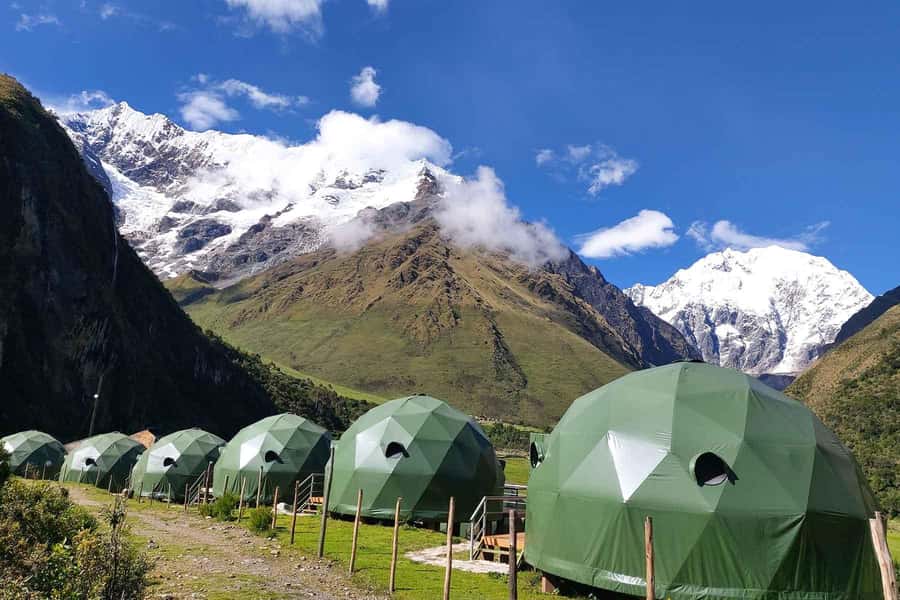
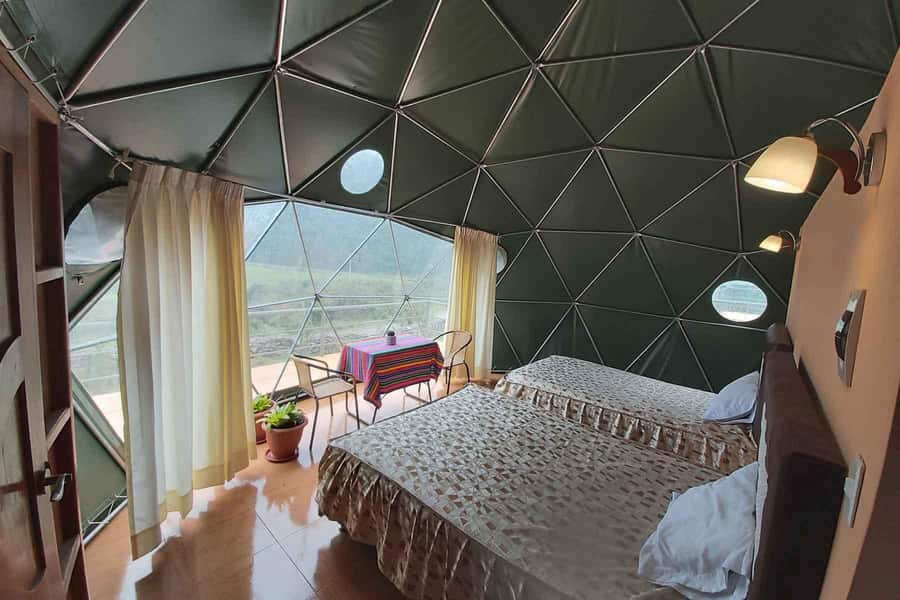
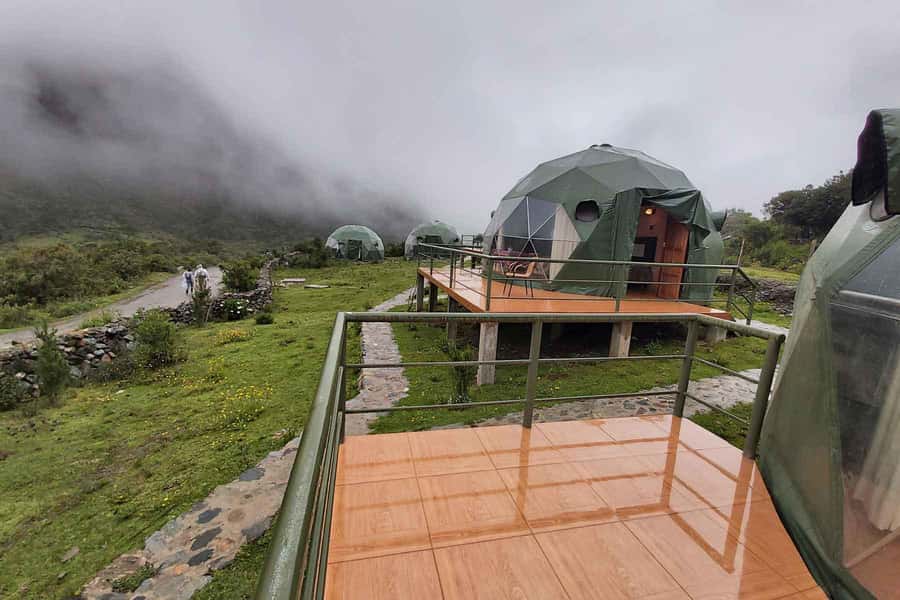
- Luxury Sky Lodge Domes with private hot showers during the trekking nights, plus private bathrooms.
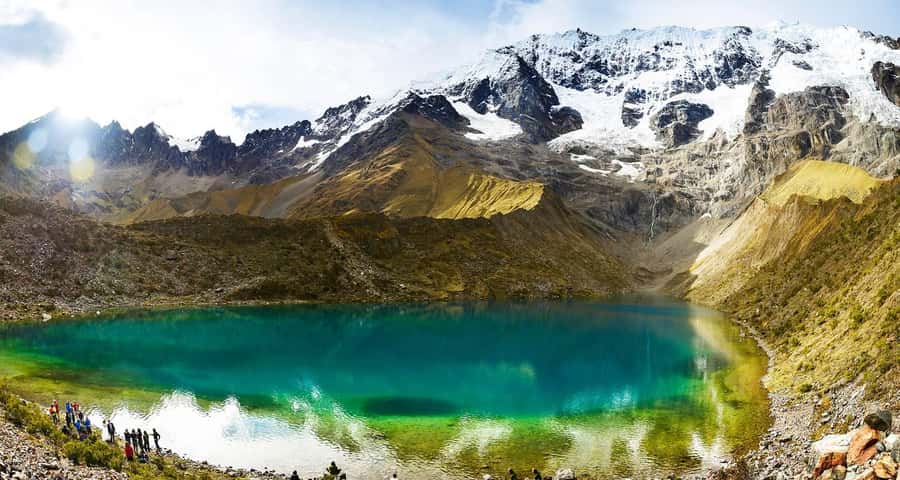
- Humantay Lake at sunset and stars time is a major moment—turquoise water framed by snow peaks.
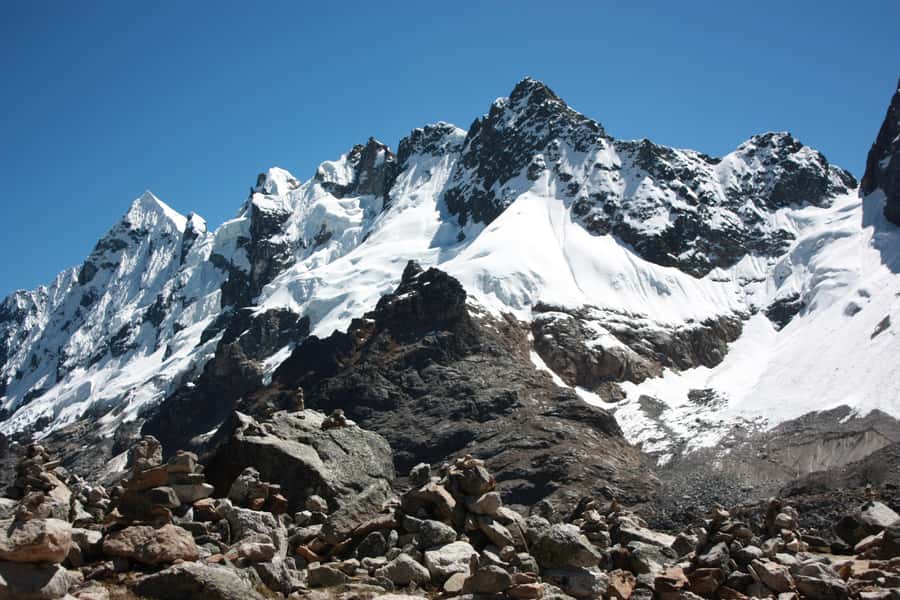
- Salkantay Pass on day two gives you big Andean views and a true high-altitude payoff.
- Day four mixes modern logistics with Inca history, including Llactapata and a stretch of the Original Inca Trail.
- Small group size (8 max) keeps the pace and attention more personal.
- Oxygen tank and first aid kit included, plus the plan includes real safety support.
Sky Lodge Domes: more comfort than most trekkers expect
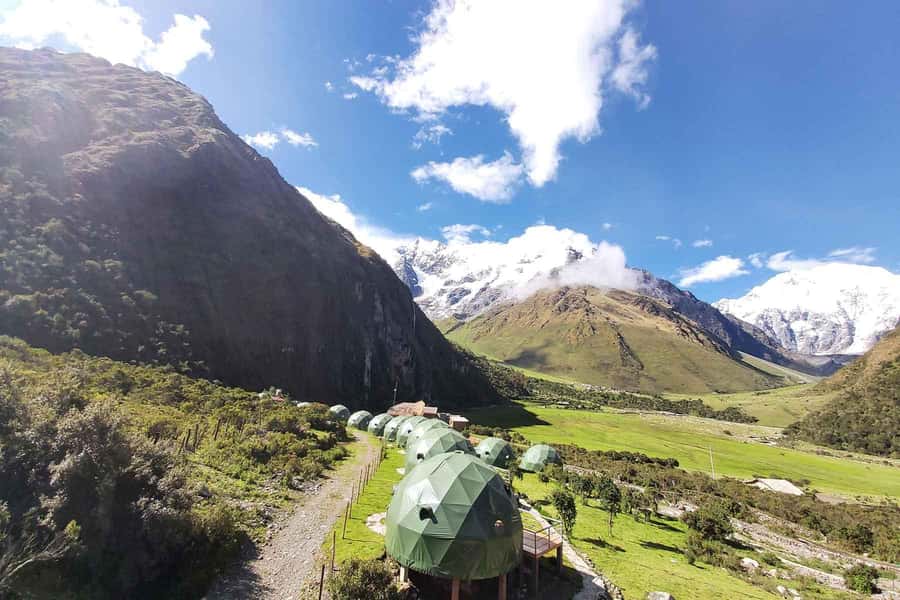
This is the part of the Salkantay Trek that changes how you feel at the end of the day. Instead of simple tents, you sleep in Sky Lodge Domes with a private bathroom and hot shower. After hours of walking, that matters more than people think. Your body cools down fast in the Andes at night, and having warm water makes recovery easier to manage.
You also aren’t stuck with the classic trekking “survival” setup. The package includes dining equipment like portable chairs and tables, and you’ll have meals served at the campsites. That turns the end of each day from stressful waiting into a predictable routine: arrive, eat, reset, sleep.
One caution: most of the trip is dome-based, but there is also one hotel night in Aguas Calientes, and at least one comfort detail may differ from what you’re picturing. If you’re booking mainly for consistently high comfort every single night, ask the operator what lodging looks like for each segment before you pay.
You can also read our reviews of more tours and experiences in Aguas Calientes.
Day 1: Cusco pick-up, Challacancha trailhead, and Humantay Lake magic
Day one starts with an early pickup in Cusco and a drive to Mollepata for breakfast. After that, you transfer to Challacancha, which is where your Salkantay route officially begins. This matters because it removes a lot of day-one uncertainty. You show up, meet your guide, and walk instead of spending hours figuring out logistics.
Then the day turns scenic and physical. You hike to Soraypampa and settle into the Skydome luxury for your first night. Soraypampa is also one of those “set the tone” stops: you’re in the high country, you start feeling the altitude, and you get used to the rhythm of short breaks and steady steps.
Next comes the Humantay Lake hike. The lake is turquoise and glacial, sitting under snow-peaked mountains. It’s the kind of view that makes you stop talking and start taking photos, then stop taking photos because the cold on your hands reminds you to move. The evening wraps with time under the stars, which is a nice contrast to the day’s climb.
Value for you: this day blends an easy win (stunning lake scenery) with the first real acclimatization moment (high-altitude trekking and dome sleep). By the time you’re eating dinner, you’re not just tired—you’re oriented.
Day 2: The challenging Salkantay Pass and the descent to Chaullay
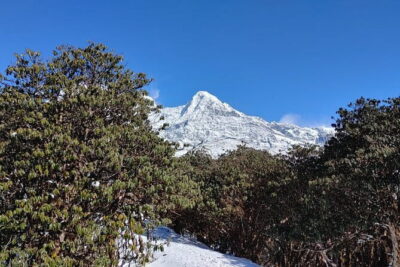
Day two is the big one. You start early and hike toward the Salkantay Pass, which is described as challenging. Expect views of Andean peaks that only appear when you’ve climbed enough to see past your own limits.
The pass is where altitude becomes part of the plan, not a side issue. This operator includes an oxygen tank and a first aid kit, which is reassuring on paper and helpful if you feel unwell. Still, the most effective “altitude gear” is simple: pace yourself, sip water, and don’t try to sprint because your neighbor looks fast.
After the pass, you descend to Chaullay for the night. Descents can be tough on knees and ankles. Keep your steps short, use your whole foot, and let gravity do the work without letting it bully you. The descent is also where you’ll feel the mental switch: from “climb mode” to “manage effort” mode.
Optional extra help can show up here too. One comfort note from real-world experience is that there can be the possibility of riding a horse during tougher altitude moments, though it’s a paid option. That’s not part of the standard rhythm of the trek, but it can help you avoid turning one bad hour into a longer bad day.
Day 3: Santa Teresa Valley, optional hot springs, and a second dome night
Day three is described as easier, and you’ll feel that right away. You pass through the Santa Teresa Valley, which is the kind of change you want halfway through a trek: less punishing than the day before, with time to breathe and re-find your legs.
This is also the day with an option to visit hot springs. The trek gives you cold mountain air and high elevation. Hot springs are a practical reward, not just a scenic stop—warmth helps sore muscles loosen up. Since the hot spring visit is optional, you can choose it based on how you’re feeling that day.
Then you sleep in another Sky Lodge Dome for your second trekking-night of comfort. By now, you’ve already learned how to operate at altitude: eat even when you’re not hungry, dress in layers, and keep moving at a pace that feels sustainable.
Value for you: day three’s easing schedule helps you arrive at Machu Picchu with less fatigue. Even if you’re physically strong, a more gradual middle day improves the overall experience—because day four and day five involve travel and walking too.
Day 4: Original Inca Trail vibes, Llactapata views, and reaching Aguas Calientes
Day four is the historical day. You pass through part of the Original Inca Trail, then go to Llactapata, an Inca site that offers views toward Machu Picchu. Seeing Machu Picchu from another angle is a mental jolt. It makes the final day feel less like a checklist item and more like a real arrival.
You’ll also have options for how you get to the next base: either keep hiking or take a train to Aguas Calientes, where you’ll stay in a hotel for the night. Having a choice here is smart. If you’re feeling great, you can lean into the walk. If you’re managing fatigue, the train reduces pressure and helps you keep your energy for the Machu Picchu morning.
This is also where planning helps you. You’re not alone in this schedule; transportation and guiding support are built in. Your guide is handling the timing and helping you move through the day efficiently—especially important on a day that mixes trekking, archaeological sites, and transit.
Day 5: Machu Picchu guided tour, add-on hikes, then train back to Cusco
On the final day, you take a bus to Machu Picchu for a guided tour. This part of the experience is less about raw trekking and more about understanding the site, moving through it at the right time, and not getting lost among the stone.
There are also options for additional hikes depending on how you feel. This is your chance to decide whether you want more walking or just more time absorbing the view and architecture. After that, the tour ends with a train ride to Ollantaytambo and a transfer back to Cusco.
For many people, the emotional payoff hits on day five in layers. First it’s the shock of seeing Machu Picchu again and again from different viewpoints. Then it’s the calm of being in a guided flow. Finally it’s the satisfied feeling that you earned it with sweat on the Salkantay route instead of arriving as a spectator.
Pacing, altitude, and safety: what the package supports
Altitude is the quiet boss of this trek. The pass day is challenging, and you should assume you’ll need to slow down. Good news: the itinerary is not just “walk until death.” It includes oxygen tank and a first aid kit, plus the group is small (max 8), so your guide can pay closer attention.
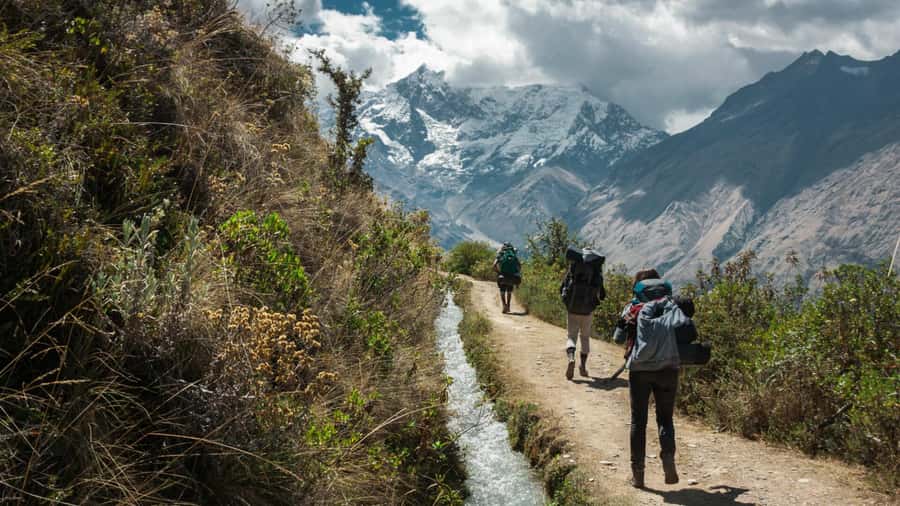
Also, you’re not carrying everything yourself. Horsemen and mules transport equipment, food, and personal luggage up to 7 kilos per person. A duffel bag is provided, so you can pack once and trust the support team for the bulk of the load. You still carry a daypack, but your main weight is limited.
You can also rent key gear that’s commonly missing on short notice. Sleeping bags and trekking poles are not included, but rentals are offered. If you show up without them, you’ll want to handle it before the first pickup.
Most importantly: match the trek to your body. This trip is listed as not suitable for pregnant women and people with back or heart problems. If that applies, you’ll protect your health by choosing a different itinerary.
Food and gear: what you’ll eat, what you’ll carry, what to rent
Meals are one of the clearer quality signals in this package. You get 4 breakfasts, 4 lunches, 4 dinners, and 3 snacks. What’s not included is the first breakfast and the last dinner, so plan to eat those before day one begins fully and after you finish day five.
The cook/chef support is part of what makes long treks feel human. You’re not just surviving on basic calories—you’ll have meals served through the campsite days. Dinner and lunch after a long hike are when you notice how good the food is. It can also help you eat enough during altitude fatigue, when appetite might dip.
On the gear side, bring what you can actually use:
- Hiking shoes
- Warm clothing
- Rain gear
- Sunglasses and sunscreen
- Sun hat
- Daypack
- Hiking pants
- Passport
Then plan for the missing items: sleeping bag and trekking poles are not included but can be rented. Trekking poles especially can help on both the ascent rhythm and the descent strain.
Price and value: is $680 a smart deal for this trek?
At $680 per person for a 5-day Salkantay trek to Machu Picchu, the value comes from the mix of included services that add up fast on their own. You’re getting:
- Private transport segments (Cusco to Mollepata to Challacancha)
- A professional bilingual guide (English/Spanish)
- Machu Picchu entrance fee
- A guided Machu Picchu visit
- Horsemen/mules for luggage up to 7 kilos
- Luxury dome lodging during trekking nights
- A hotel night in Aguas Calientes
- Meals across most of the days
- Oxygen and first aid support
That’s the big picture: it’s not just “walking and camping.” It’s a managed route from Cusco to the finish, with lodging upgraded beyond basic trekking tents.
Potential value mismatch: if you already have all your own gear, are comfortable hiking in tough conditions, and you only want the cheapest version, you might decide this is more than you need. But if you care about sleep quality and want the smoother side of logistics, the dome setup and included transit make the price feel more reasonable.
Also note: optional hot springs and the paid horse option (if you need it) are not described as included. Treat those as possible extras, not core value.
Who should book Salkantay in Sky Lodges, and who should skip it
This trek makes sense if you want:
- Big Andean scenery with Humantay Lake as a signature stop
- A small-group experience (up to 8) with bilingual guiding
- More comfort than classic budget trekking (hot shower domes)
- A guided Machu Picchu day that ends with an organized return to Cusco
It may not fit if:
- You have limitations related to back pain or heart conditions, or you’re pregnant
- You’re looking for a purely low-effort walk. The Salkantay Pass day is challenging.
- You expect every night to match the dome standard. There’s a chance one lodging segment is simpler than the dome days, and that’s a fair planning consideration.
Final call: should you book this Salkantay trek to Machu Picchu?
I’d book this if you want the route and the views, but you also want your sleep and meals to be handled well. The dome lodging, included Machu Picchu entry, and the careful support setup (oxygen tank, first aid, luggage transport) tilt this toward a more comfortable, less chaotic version of Salkantay.
Skip it—or at least seriously question it—if health limits apply, or if you know you can’t handle a challenging high-altitude pass day.
If you want one practical move before booking: double-check your comfort expectations for the Aguas Calientes hotel night and any non-dome lodging segment, so there are no surprises when you’re tired and want rest most.
FAQ
How many people are in the group?
The group is small, limited to 8 participants.
When do you meet in Cusco and do you get a briefing?
There’s a briefing the night before at 6:00pm at your hotel in Cusco.
What lodging is included during the trek?
You’ll stay in Luxury Sky Lodge Domes with private bathrooms and hot showers for the trekking nights. You also get 1 night in a hotel in Aguas Calientes.
Are meals included?
Yes. The package includes 4 breakfasts, 4 lunches, 4 dinners, and 3 snacks. The first breakfast and last dinner are not included.
Do you include Machu Picchu entrance and a guided visit?
Yes. Machu Picchu entrance fees are included, and the final day includes a guided tour of Machu Picchu.
How much luggage can I bring, and how is it transported?
You can bring personal luggage up to 7 kilos per person. Horsemen and mules transport equipment, food, and personal luggage, and a duffel bag is provided.
Is oxygen or medical support included?
Yes. A first aid kit is included, and there is 1 oxygen tank included as well.