REVIEW · AGUAS CALIENTES
Huchuy Qosqo Trek To Machu Picchu
Book on GetYourGuide →Operated by Libertrek Peru Travel Agency · Bookable on GetYourGuide
Cusco to Machu Picchu, but with legs. This 3-day trek blends Andes hiking with Inca engineering at Huchuy Qosqo, then finishes with a guided day inside Machu Picchu. I particularly like the Patabamba night under the stars, where you get customs and a proper dinner with local residents, and I also like how the guide explains what you’re seeing at both Inca sites. One drawback to plan around: this route asks for a lot of physical effort, so if you’re not used to uphill hiking, you’ll feel it.
You’re not just moving from place to place here. You’re walking through working landscapes and small communities, and the day-by-day structure keeps you from getting lost in logistics. That said, the pace is still real trekking, and you’ll want the right shoes and sunscreen on hand.
In This Review
- Quick take: what makes this trek special
- A Three-Day Andes-to-Machu Picchu Route with Two Very Different Feelings
- Price and What You Actually Get for $490
- Day 1: Cusco, Tambomachay, Qoricocha Lake, and Patabamba Under the Stars
- Day 2: Huchuyqosqo Terraces, Pukamarca, and the Walk Toward Lamay
- Day 3: Machu Picchu Sanctuary Tour with Key Stops and a Timed Return
- Home-Cooked Meals, Two Sleep Styles, and the Community Factor
- Guide Quality: Bilingual Explanations That Turn Ruins Into Systems
- Packing, Comfort, and the Safety Nets You Hope You Never Need
- Who This Trek Fits Best (And Who Might Want a Different Option)
- Should You Book This Huchuy Qosqo Trek to Machu Picchu?
- FAQ
- How long is the Huchuy Qosqo trek to Machu Picchu?
- How much does it cost?
- Are the guides available in English and Spanish?
- What meals are included, and is there a vegetarian option?
- Where do you sleep during the trek?
- Is Machu Picchu entrance and transportation included?
- Do I need to bring a sleeping bag or trekking poles?
- How does the emergency support work?
- Is free cancellation or pay-later available?
Quick take: what makes this trek special
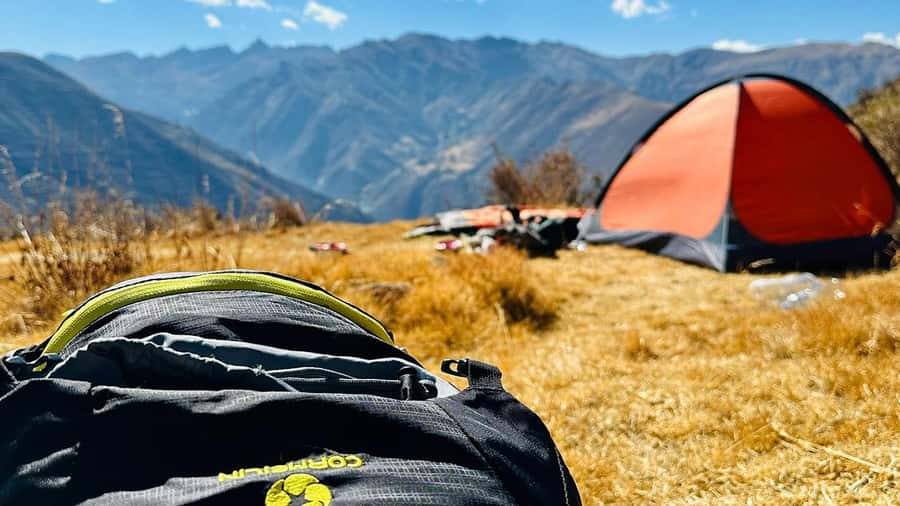
- Patabamba under-the-stars evening with customs and dinner (a memorable contrast to ticketed sights)
- Huchuy Qosqo’s terraces and hydraulic system explained by a guide so it feels more than ruins
- Pukamarca and the Puma punku canyon stretch that keeps the trail feeling varied
- Bilingual English-Spanish guide for better understanding of Inca sites
- Real transport support: guided entry at Machu Picchu, plus bus and train connections back
- Safety extras like emergency oxygen and even a horse for emergencies
A Three-Day Andes-to-Machu Picchu Route with Two Very Different Feelings
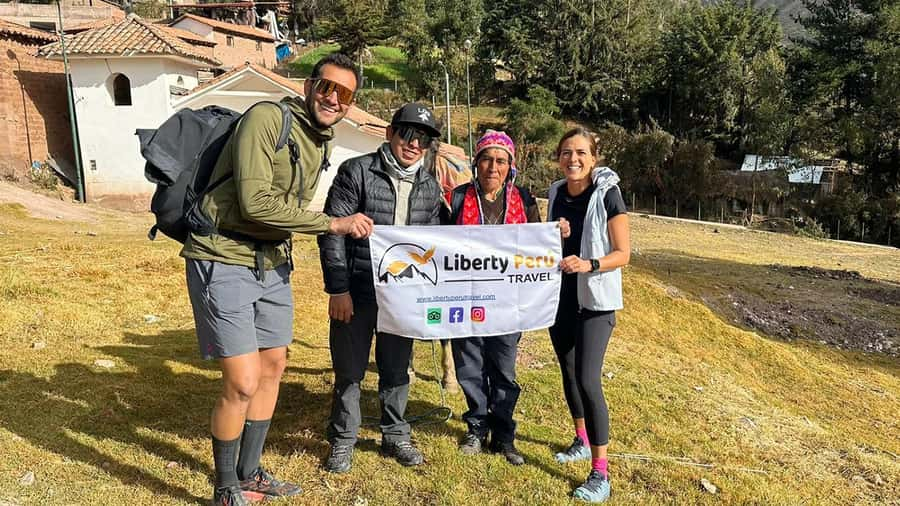
This trek works because it changes gears. Day 1 feels like you’re learning the region’s rhythms, with walking breaks, lake scenery, and a community night. Day 2 turns more technical and archaeological, as you move through the area around Huchuy Qosqo and get deeper into Inca construction. Then Day 3 goes classic: buses up to Machu Picchu, a guided walk through key stops, and an easier finish back toward Cusco.
What I like most is that the experience isn’t only about reaching Machu Picchu. You spend time at Huchuy Qosqo, which means you get a chance to understand how the Incas built and farmed, not just how they posed their temples for photos. And the focus on flora and fauna in the Andes helps this feel like an active hike, not a checklist.
You can also read our reviews of more tours and experiences in Aguas Calientes.
Price and What You Actually Get for $490
At $490 per person, this is not a budget option. But it’s also not just a “walk to Machu Picchu” and a prayer. In the price, you’re getting a package that includes:
- A professional bilingual guide (English and Spanish)
- Hotel/lodge nights: 1 night in a lodge and 1 night in Aguas Calientes
- Meals: 2 breakfasts, 2 lunches, and 2 dinners, with a vegetarian option at no extra cost
- Entry tickets for Huchuy Qosqo and Machu Picchu
- Transport support: bus to Machu Picchu up and back, plus train connections between the relevant stations
- Emergency items: first aid kit and emergency oxygen, plus 1 horse in case of emergencies
So when you look at what most independent travel costs separately (guide time, archaeological tickets, and the transport web around Machu Picchu), the price starts to make sense. The big question is whether you value guided learning. If you want someone to explain what you’re looking at, this is where the money turns into real value.
Day 1: Cusco, Tambomachay, Qoricocha Lake, and Patabamba Under the Stars
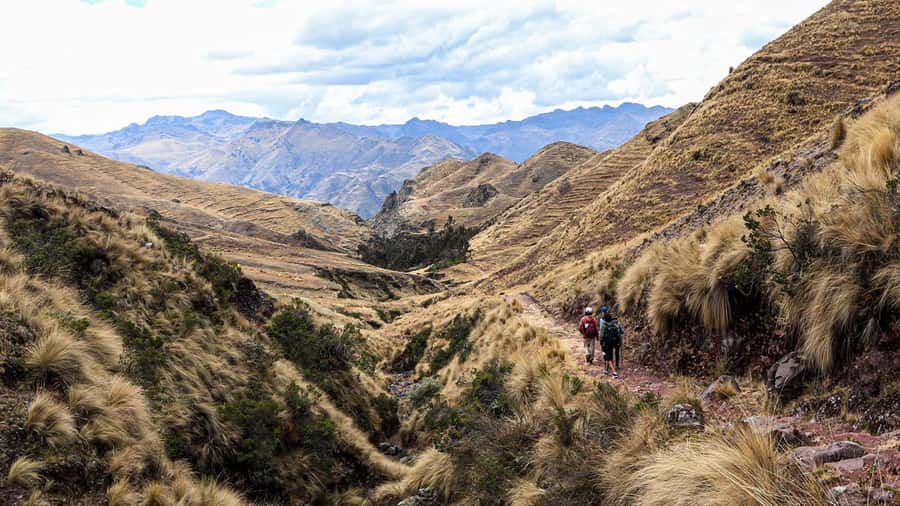
Day 1 starts with a 07:00 AM pickup from your Cusco hotel. From there, you head to Tambomachay and begin walking toward Huchuy Qosqo. Expect an uphill effort right away: the climb takes about 2 hours until the first step.
At the first step, you get free time to observe Cusco from above. This moment matters. It’s a reset, not a pause for photos only. You’re getting bearings while your body is still warmed up, which helps later when you descend.
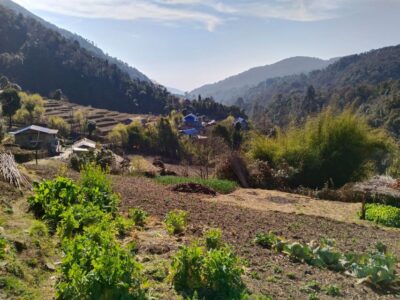
Then the trail goes downhill into the valley, to a local town area called Quesser Grande, and continues toward Lake Qoricocha. Lunch happens here. After lunch, you walk along the lake shore for about 2 more hours until you reach the community of Patabamba.
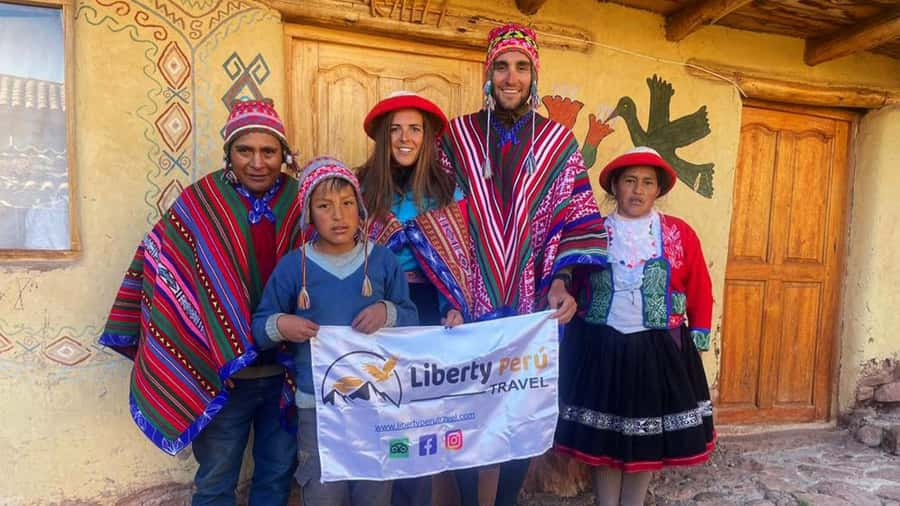
Patabamba is where Day 1 earns its strongest emotional point. When you arrive, residents welcome you and share customs, and you’ll enjoy dinner with the group. You sleep there in a cozy lodge setting, with the night under the stars as a highlight.
Practical note: the community night is special, but you should treat it like a real hike day. Bring your energy for a long day, and don’t underestimate how nighttime cold can feel after walking during the day. You’ll also want to keep your daypack simple so you don’t feel like you’re hauling everything twice.
Day 2: Huchuyqosqo Terraces, Pukamarca, and the Walk Toward Lamay
After breakfast in Patabamba, Day 2 ramps up into the Inca core of the trip. You begin hiking along trails that pass through small towns until you reach Pukamarca, where lunch is served.
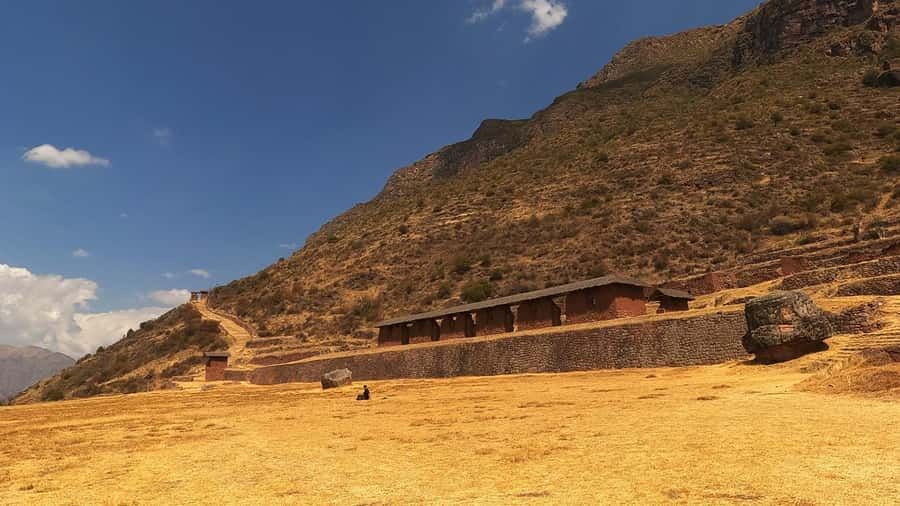
Then comes a stretch toward the Puma punku canyon. The name is Quechua for Door of the Puma, and the trail route here matters because it helps you understand why the Incas positioned sacred sites where they did. Even without extra narration, the geography pushes you to look closely at lines, slopes, and how movement is shaped by terrain.
From Pukamarca, you hike along an Inca trail to Huchuyqosqo, which means Little Cusco. This is where the guide does their best work. You explore Inca constructions including:
- the Sacred Temples
- Inca terraces, which were used for agriculture
The value here is interpretation. Terraces can look like stonework for the camera, but explained well, they become a story about food, water control, and landscape engineering. And because Huchuyqosqo is not as famous as Machu Picchu, you can often experience it with less pressure and more attention to detail.
After visiting Huchuyqosqo, you hike downhill for about 2 hours to Lamay. Then you board tourist transport toward Ollantaytambo station.
In Ollantaytambo, you take the train for around 2 hours to Aguas Calientes, where you spend the night in a hotel.
Possible drawback to plan around: Day 2 is a long day with real walking time, plus a train transfer at the end. If you’re sensitive to motion or fatigue, bring water, keep your daypack organized, and plan to rest as soon as you arrive in Aguas Calientes.
Day 3: Machu Picchu Sanctuary Tour with Key Stops and a Timed Return
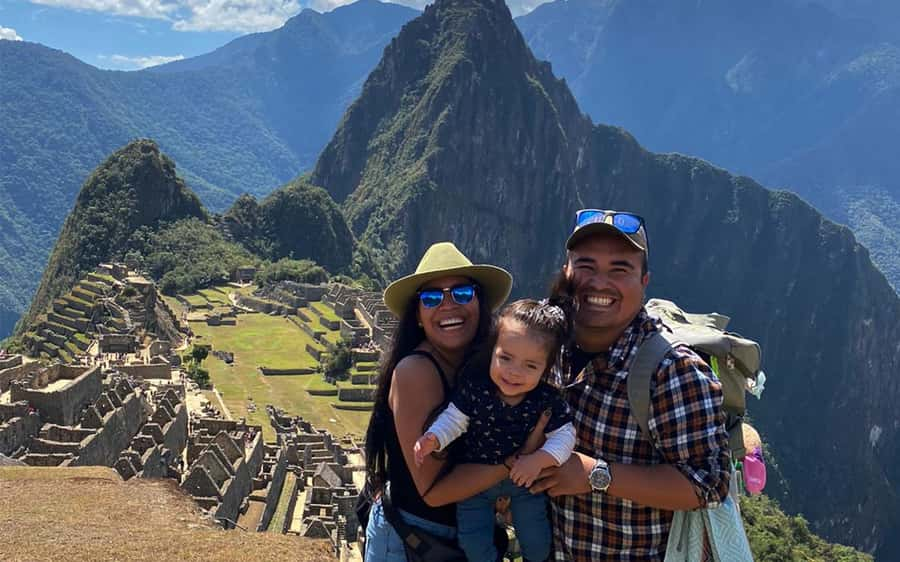
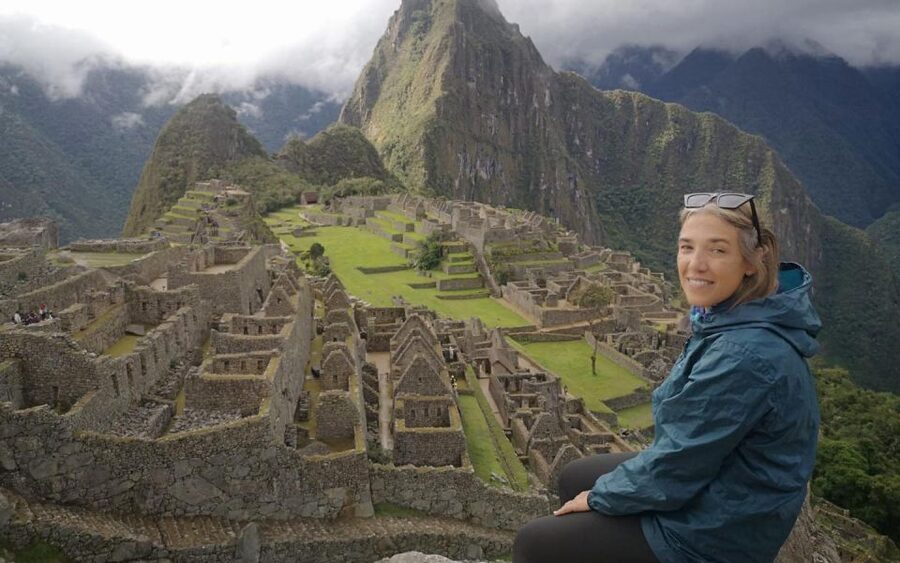
Day 3 is the big ticket day, but it’s structured to keep it from feeling chaotic. You’ll go to the bus station based on the time your guide gives. The ride to the Machu Picchu Sanctuary is about 30 minutes.
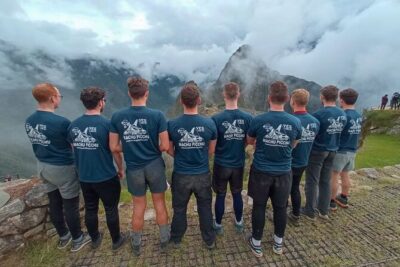
Once you enter Machu Picchu, you start a guided tour with the guide explaining highlights such as:
- the Temple of the Sun
- the Intiwatana
- the Sacred Plaza
- the Temple of the 3 Windows
- the Temple of the Condor
- and other major points
This guided format helps because Machu Picchu can feel like too much information if you’re wandering on your own. When someone points out what to look for and why it mattered, the visit becomes clearer fast. You don’t just see stones. You understand how the complex works as a whole.
After the guided visit, you take the bus back to Aguas Calientes for free time. Later, you board the train back to Ollantaytambo station and then get transferred by tourist transport back to Cusco.
One small tip: keep your schedule-minded. You’ll have “free time” in Aguas Calientes, but it’s timed. If you want to snack or buy something, do it without waiting for the last minute.
Home-Cooked Meals, Two Sleep Styles, and the Community Factor
Food is a quiet highlight in this trek. You get 2 dinners, 2 lunches, and 2 breakfasts across the three days. Even better, there’s a vegetarian meal option available at no extra cost. That’s a big deal on treks where dietary flexibility often becomes extra hassle.
The Patabamba dinner is more than calories. You’re welcomed by residents and learn about customs as part of the evening. One verified booking note mentioned a standout traditional meal at the local home setting, and that kind of touch is exactly why this trek feels different from a standard transport-heavy Machu Picchu day.
Sleep is split into two styles:
- Night 1: a lodge in Patabamba, where you’ll experience the community setting
- Night 2: a hotel in Aguas Calientes
If you prefer familiar hotel comfort, Aguas Calientes helps. But if you’re the type who loves meeting people and seeing daily life, Patabamba is the emotional center.
Guide Quality: Bilingual Explanations That Turn Ruins Into Systems
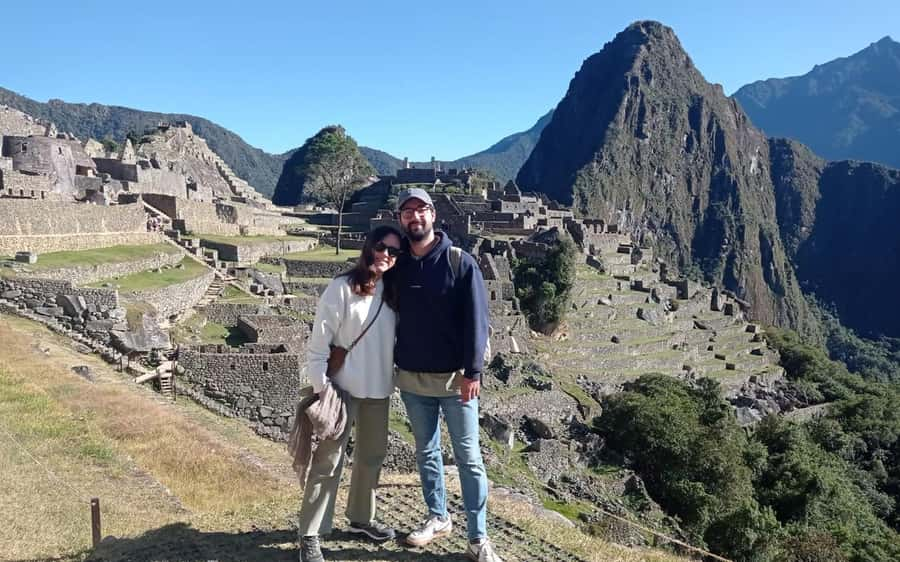
A big reason to choose this specific trek is the professional bilingual guide. You can expect English and Spanish interpretation, which matters a lot at Inca sites. When someone connects terraces, water use, and sacred spaces, your brain stops treating stones like random architecture.
In one booking, the guide Jhordy was singled out for being warm and for sharing lots of interesting facts. Even if your guide isn’t Jhordy, the point holds: you want a guide who can explain the “why,” not just point at the “what.”
If you’re traveling with friends or you’re unsure about your history knowledge, a bilingual guide makes the experience feel more inclusive. You don’t have to do the mental translation work alone.
Packing, Comfort, and the Safety Nets You Hope You Never Need
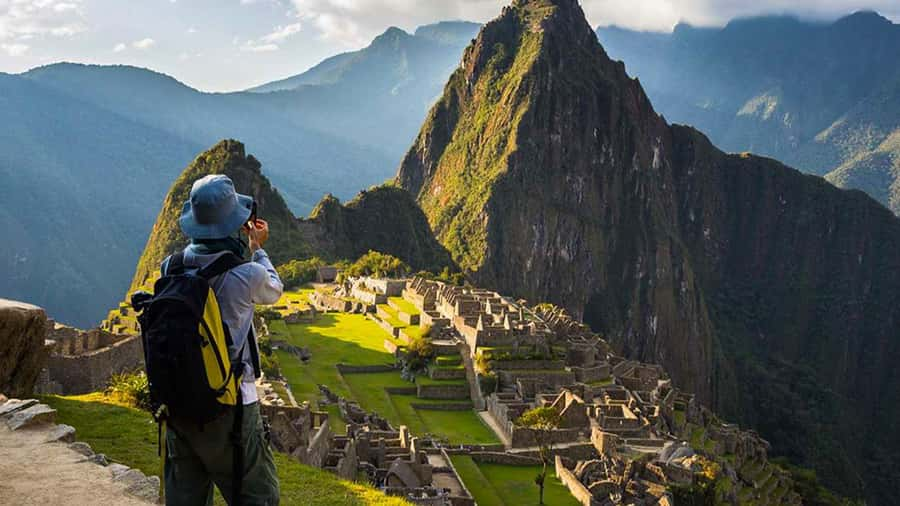
This route is physically demanding, so packing isn’t optional. You’re going to want:
- hiking shoes
- hiking pants
- sunscreen and sunglasses
- a camera
- cash (listed as something to bring)
- personal medication
- passport or ID card
- trekking gear
Two gear items are also handled by the operator:
- sleeping bag can be rented in their office
- trekking poles can be rented in their office
I like that there’s an emergency plan included. Not the dramatic kind. The practical kind. You’ll have a first aid kit and an emergency oxygen bottle, plus 1 horse in case of emergencies. That doesn’t guarantee you’ll need it, but it’s real reassurance on a long hike day.
And there are clear rules: no alcohol and no drugs.
Who This Trek Fits Best (And Who Might Want a Different Option)
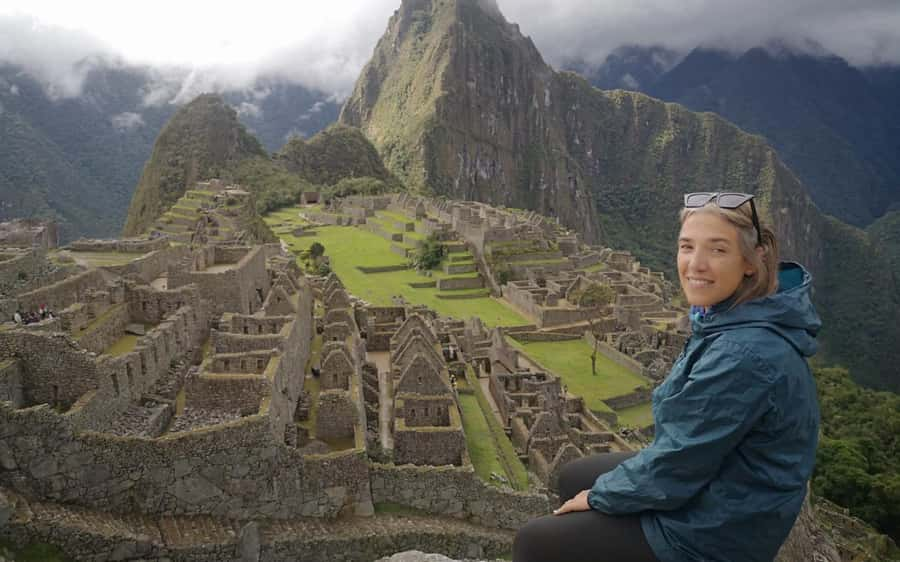
This trek is ideal if you want Andes walking plus meaningful archaeology. The route is designed for people who want to enjoy flora and fauna in the Peruvian Andes, not just chase monuments.
It also suits travelers who like structure. You get pickup, meals, guide time, entry tickets, and transport connections. That reduces the risk of spending your energy figuring out logistics instead of enjoying the trail.
Who should pause before booking? Anyone who knows they struggle with uphill hiking or long days on foot. The route requires great physical effort, and while it runs every day of the year, that doesn’t make it easier.
Also, if you hate group pacing or you want maximum freedom to stop whenever you feel like it, this isn’t the right match. This trek runs on guided timing.
Should You Book This Huchuy Qosqo Trek to Machu Picchu?
Book it if you want a Machu Picchu day that’s supported by real hiking and real explanation. You’ll get Huchuyqosqo’s terraces plus a community night in Patabamba, and then you’ll finish with a guided Machu Picchu tour that hits the major sites instead of leaving you to guess what matters.
Don’t book it if you’re looking for an easy stroll. This is a serious three-day trekking plan. If you’re unsure, consider your fitness honestly. If you can handle long uphill effort and you’re excited by Inca sites beyond the main one, this is a strong value for the money you’re paying.
FAQ
How long is the Huchuy Qosqo trek to Machu Picchu?
It lasts 3 days.
How much does it cost?
The price is $490 per person.
Are the guides available in English and Spanish?
Yes. You’ll have a professional bilingual guide in English and Spanish.
What meals are included, and is there a vegetarian option?
The package includes 2 breakfasts, 2 lunches, and 2 dinners, and a vegetarian meal option is available at no extra cost.
Where do you sleep during the trek?
You spend 1 night in a lodge during the trek and 1 night in a hotel in Aguas Calientes.
Is Machu Picchu entrance and transportation included?
Yes. Entry tickets for Machu Picchu are included, along with bus transportation up and down between Aguas Calientes and Machu Picchu.
Do I need to bring a sleeping bag or trekking poles?
You do not need to bring your own, because both can be rented in the operator’s office.
How does the emergency support work?
The package includes a first aid kit and an emergency oxygen bottle, and there is 1 horse available in case of emergencies.
Is free cancellation or pay-later available?
Yes. Free cancellation is available up to 24 hours in advance for a full refund, and you can reserve now and pay later.