REVIEW · SAPA
Sapa 1 Day Trekking
Book on Viator →Operated by Asia Travel Legend · Bookable on Viator
Six hours of hiking, eight hours of Sapa. This Sapa 1 day trekking route strings together classic hill-tribe villages, starting at Y Linh Ho and finishing back in Sapa Town after village walks and a valley visit. It’s built for people who want real time on trails, not a day spent waiting around.
What I like most is how much your guide shapes the day. I’ve seen guides such as Lily and Cho adjust the walk so you can match your interests, like spending more time on rice-field paths or learning about daily life in Hmong communities. The second big win: the day runs with simple “ready-to-go” logistics, including lunch and transport back to town, so you spend less time figuring things out and more time actually walking.
The only catch to keep in mind is that this is still a trekking day. Even with a good guide, uneven paths and changing weather can make you feel it in your legs, and drinks aren’t included, so plan for that.
In This Review
- Key highlights at a glance
- Why this Sapa 1 day trek fits your schedule
- Getting from Sapa Town to the trail (and back) without the hassle
- Starting at Y Linh Ho: where the valley story begins
- Ta Van Village: the walk-and-learn part that slows you down
- Giang Ta Chai Village: two hours that feel like more
- Hang Da Village: shorter, but not insignificant
- Lunch in a local restaurant: included and worth planning around
- Guides make or break the day: the human factor you should bank on
- Price and value: what $70ish gets you
- What to pack for a real 1-day trek in Sapa
- Who should book this Sapa trek (and who should choose something else)
- Should you book Sapa 1 day trekking?
- FAQ
- What time does the Sapa 1 day trekking tour start?
- How long does the experience last?
- Where does the tour start and end?
- Is pickup available?
- What’s included in the price?
- Are drinks included?
- Is this a private tour?
- Can most people join the trek?
- What is the cancellation policy?
Key highlights at a glance
- Village-by-village walking time across Ta Van, Giang Ta Chai, and Hang Da, not just a quick photo stop.
- Y Linh Ho as the morning anchor, setting you up for sweeping valley views and trail time.
- Lunch and valley entrance fees included, so you’re not surprised by extra charges mid-day.
- A flexible, small private group feel, since it’s only your group on the tour.
- Guides bring culture into the route, with examples like Lily, Cho, Mao, and Chi leading guests through local life.
Why this Sapa 1 day trek fits your schedule
Sapa can swallow time. Roads, weather, and “one more stop” energy can stretch even simple plans. This trek is designed to be doable: it runs from 9:00am to about 3:00pm, and the full experience is listed as roughly 8 hours including travel and breaks.
That timing matters if you’re only in Sapa for a short window or you want one big day outdoors without committing to a multi-day trek. The route also focuses on villages you can actually walk through in a single afternoon window—so you get interaction and scenery, not a checklist of distant viewpoints.
If you like structure but still want authenticity, this is a good match. You’ll have set blocks of walking and visiting, then time to reset with lunch and a smooth return to town.
Getting from Sapa Town to the trail (and back) without the hassle
The meeting point is in Sa Pa, Lao Cai, Vietnam, and the tour ends back at the same meeting point. That’s a small detail that saves your brain late in the day. You don’t need to line up separate transport back from wherever the trail drops you.
Pickup is offered, which helps a lot if you’re staying slightly outside the main center. In practice, it means you’re more likely to start on time and not lose the best morning light to logistics.
One more benefit: since transportation back to Sapa is included, your guide can keep the day moving. That’s important on days where weather shifts. It also reduces the temptation to “wing it” and end up stranded with tired legs.
Starting at Y Linh Ho: where the valley story begins

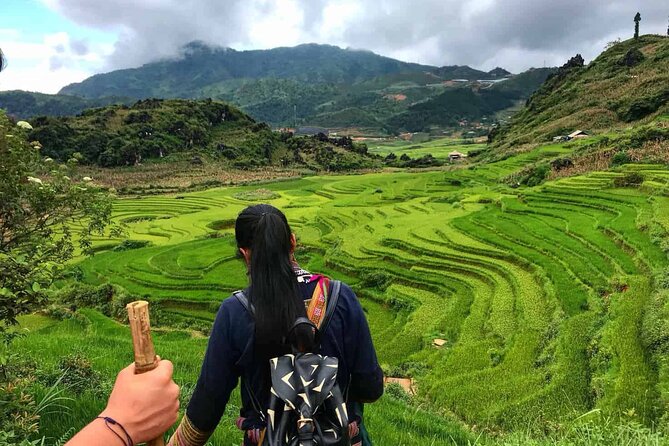
Your morning centers on Y Linh Ho, the first stop and the start of the trekking portion. This is the leg that sets the tone: you’re moving through the wider valley area, with enough walking to feel like a real trek rather than a short stroll.
You also have an entrance fee to the valley included. That matters because in areas like this, official access points and managed routes can save time. It’s one less thing to chase after you arrive.
The best way to think about Y Linh Ho is as your “trail warm-up plus culture intro.” In the reviews, guides like Mao and Chi are praised for explaining daily life and local ways of moving through the landscape. Even when the route is physically straightforward, it becomes richer when you understand what you’re seeing—paths, fields, village layout, and the rhythms of hill-tribe life.
Ta Van Village: the walk-and-learn part that slows you down
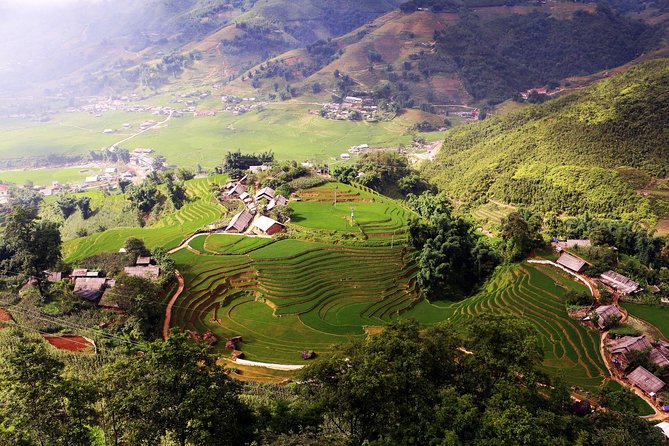
After the morning start, you head to Ta Van Village. This is not a rushed stop—your time there is listed as about 2 hours for visiting and walking.
Ta Van works well for travelers who want more than scenery. It’s the kind of place where you can slow down, look closely, and ask questions without feeling like you’re cutting the experience short. Reviews highlight that guides often bring the conversation back to how people live—things you might miss if you only take photos and move on.
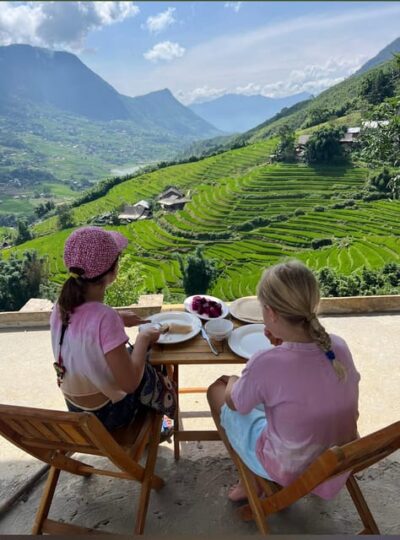
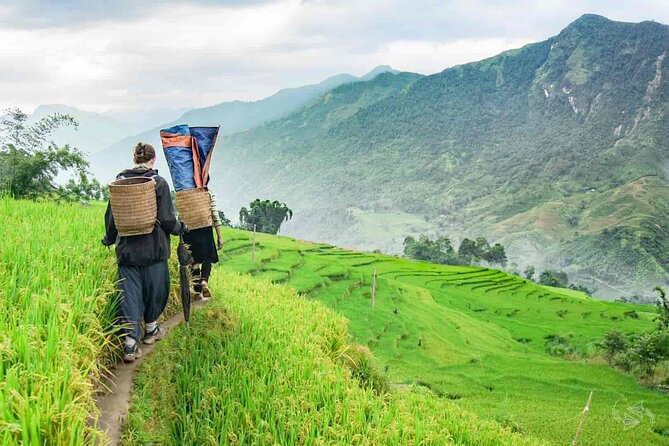
A practical tip: bring a curious mindset. When your guide is good at reading the moment, the village time becomes more interactive. One guest experience focused strongly on walking along rice fields and bamboo forests, which is a clue that Ta Van-area paths can feel like they connect directly to traditional farm life.
Also, because you’re with a private group, you can ask your guide to focus on what you care about—culture, farming, daily routines, or simply walking at a comfortable pace.
Giang Ta Chai Village: two hours that feel like more

Next is Giang Ta Chai Village, again with about 2 hours for visiting and walking. This mid-day stop is where the route gains character. By now you’ve got your legs going, but you’re not yet exhausted—so village time stays pleasant rather than just “survival mode.”
In the feedback you can see why this stop lands for people: guides connect the dots between what you see and what the community does. One guest who trekked with Cho appreciated the chance to learn more about the Hmong in a way that felt grounded, not just like a lecture.
The tone of this part of the day is usually informal. You’ll be moving, observing, and having conversations. If you like cultural context, this is often the section that makes the trek feel worth it.
One small caution: village paths can involve uneven ground. Even if the tour is described as doable for most travelers, wear shoes that handle mud, rocks, and slippery moments if conditions change.
Hang Da Village: shorter, but not insignificant

Your last village stop is Hang Da Village, with about 1 hour for visiting and walking. It’s shorter than the others, but it serves a useful purpose: it gives you a final slice of village atmosphere before lunch-to-afternoon energy fades and the return to Sapa starts taking over.
Because you only have an hour here, your best move is to stay present. Ask your guide one or two questions you actually care about. In this stage of the day, it’s easy to switch into “photo mode” and miss the more interesting details.
If you’re trying to maximize value, this is also where good guidance really shows. Reviews give examples of guides like Chi, Cha, and Lee being praised for making the walk fun and informative. Even a short stop can feel substantial when your guide knows what to highlight.
Lunch in a local restaurant: included and worth planning around
Lunch is included in the tour price, served at a local restaurant. This is a key part of why the trek feels manageable: you’re not hunting for food with sore legs, and you don’t have to figure out budgeting halfway through.
What to expect in terms of style is not specified beyond local restaurant lunch. So keep expectations simple. You’re there for refuel, rest, and the chance to reset before the last village section.
One travel habit that pays off in Sapa: eat what’s offered, but don’t forget water. Drinks are not included, so if you’re sensitive to dehydration or heat (even in cooler Sapa weather), plan to buy water during the meal or bring a small amount if your tour guide allows.
Guides make or break the day: the human factor you should bank on

The guides are a huge part of the reason this trek earns strong ratings. More than once, guests praised guides for being super accommodating and for explaining local life in a way that felt personal.
For example:
- Lily is mentioned for flexibility and adjusting the trekking plan to fit schedule.
- Cho is praised for strong communication and a focus on what mattered to the guest, including rice-field and bamboo-forest walking.
- Mao is highlighted for cultural insights and for talking through everyday local life.
- Sy and Zao show up in feedback for being friendly, informative, and attentive.
- Chi, Cha, and Lee are praised for making the trek fun while still delivering cultural context.
Here’s how that helps you as the traveler. A good guide can:
1) choose a pace that keeps you comfortable,
2) manage timing so you don’t feel rushed,
3) add meaning to what you see, and
4) keep the group engaged without forcing it.
Even if you’re not an expert on Vietnam’s hill tribes, you’ll usually walk away with a better sense of how people live and how those village communities connect to the landscape.
Price and value: what $70ish gets you
The price is listed at $70.84 per person. At this level, the value question comes down to what’s included and what you’d otherwise pay separately.
Included:
- Lunch
- Guide
- Entrance fee (valley)
- Transportation back to Sapa
- Admission ticket noted as included
- Pickup offered
- Mobile ticket
Not included:
- Drinks
- Pre and post trip accommodation
- Private expenses
When you compare it to the cost of piecing this together yourself—guide time, entrance fees, and transport back—this price starts looking reasonable for a one-day structure. The fact that it’s a private tour/activity (your group only) adds another value layer. You’re not competing with strangers for attention or pacing.
My advice: treat the tour cost as paying for convenience plus meaning. If you enjoy having someone handle timing and access fees, you’re paying for less stress and more quality time.
What to pack for a real 1-day trek in Sapa
You don’t have to overthink packing, but you should pack for comfort and weather swings. One review mentions that paths were fairly dry and no mud accidents happened, which is a polite way of saying conditions can change fast.
Bring:
- Comfortable walking shoes with decent grip
- Layers (Sapa can shift during the day)
- Something for rain in case clouds move in
Also, since drinks aren’t included, consider whether you’ll want water or other drinks during the day. You’ll have lunch covered, but you’re still outdoors for hours.
If you get motion-sick easily, keep it in mind because you’ll have a pickup/transport component. No duration for the ride is listed, so plan based on your hotel location and the start time.
Who should book this Sapa trek (and who should choose something else)
This tour makes sense for you if:
- You have limited time in Sapa
- You want a village-focused trek with real walking time
- You prefer having a guide handle the valley entrance and schedule
- You want private group attention rather than a big shared group
It might not be ideal if:
- You want a totally relaxed, flat walk with minimal time on uneven ground
- You need drinks fully included (they’re not)
- You’re hoping for a full-day remote trek far from villages (this is village-centered and structured)
The tour says most travelers can participate, which suggests the route isn’t designed for elite trail athletes. Still, bring the mindset of a real hike, because you will be walking between multiple village stops.
Should you book Sapa 1 day trekking?
If you’re choosing between doing nothing outdoors or committing to one “proper” Sapa day, I’d book this. The biggest reason is that it balances scenery, village time, and logistics in a single day that starts at 9:00am and ends back where you began.
You’ll likely enjoy it most if you care about culture as much as views. The guides—people like Lily, Cho, Mao, Chi, Cha, and Lee—show up repeatedly in feedback for explaining daily life and keeping the day flexible and friendly.
One more decision filter: if you know you’ll be okay paying for drinks and managing light weather uncertainty, this is a solid value way to get multiple village experiences without turning your Sapa stay into a complicated project.
FAQ
What time does the Sapa 1 day trekking tour start?
The tour starts at 9:00am.
How long does the experience last?
It’s listed as about 8 hours (approximately 9:00am to 3:00pm).
Where does the tour start and end?
It starts in Sa Pa, Lao Cai, Vietnam and ends back at the same meeting point.
Is pickup available?
Yes, pickup is offered.
What’s included in the price?
The tour includes lunch, a guide, the entrance fee, and transportation back to Sapa.
Are drinks included?
No, drinks are not included.
Is this a private tour?
Yes. It’s listed as private, meaning only your group participates.
Can most people join the trek?
The listing says most travelers can participate.
What is the cancellation policy?
The experience is non-refundable and cannot be changed for any reason. If you cancel or request an amendment, you won’t get a refund.