REVIEW · CHIANG MAI
Chiang Mai Coffee Full Day Tour: Trek, Brew & Roast Journey.
Book on GetYourGuide →Operated by Chiang Mai Hilltribe Coffee Tour · Bookable on GetYourGuide
A good coffee trip should taste like where it comes from. This one takes you beyond Chiang Mai cafés into upstream forest and a hill tribe coffee farm, then sends you home with beans you roasted yourself. I like that it’s built for a small group of max 8, so the day feels personal, not crowded.
My favorite parts are the hands-on steps: you’ll hike to the coffee source, then roast and brew your own cup using a V60 method. You also get a true farm-to-table organic vegetarian lunch tied to what grows locally, not a generic set meal.
One consideration: this is an outdoors day with trekking and a bumpy 4WD mountain ride. If you’re short on stamina, hate insects, or have mobility limits, it may not fit you well.
In This Review
- Key Points Worth Booking Early
- Why This Chiang Mai Coffee Tour Feels Different Than a Café Day
- Getting to Emerald Highlands: The 4WD Mountain Start
- The Upstream Forest Trek to the Coffee Source (and What You’ll Learn on the Way)
- Hill Tribe Farming Without the Rush: Coffee as a Way of Life
- Farm-to-Table Vegetarian Lunch: What You Eat Tells You Where You Are
- Roast Your Own Beans: The Hands-On Part That Makes the Tour Stick
- V60 Brew Masterclass: Turn the Workshop Into a Morning You Can Repeat
- What to Bring (and What to Skip) for a Smooth Day
- Price and Value: What $118 Buys You Here
- Who This Tour Fits Best (and Who Might Want Another Option)
- Should You Book the Chiang Mai Coffee Full Day Tour?
- FAQ
- How big is the group on this Chiang Mai coffee tour?
- Does the tour include pickup from your hotel?
- Is lunch included, and is it vegetarian?
- Do I get to roast coffee beans myself?
- Will I learn how to brew with a V60?
- Is the tour suitable for children?
- Is the tour suitable for pregnant women or mobility impairments?
- What should I bring for the trek and farm time?
- What’s not allowed during the tour?
- What language is the tour in?
Key Points Worth Booking Early
- Max 8 seats keeps the focus on your questions, not on moving a crowd.
- 4WD to the highlands gets you into the mountains fast, before the day gets busy.
- Jungle trek to the coffee growing area shows the plant in context, not just as a product.
- Roast-your-own green beans means you leave with an edible souvenir you made.
- V60 brew masterclass gives you a repeatable pour-over skill for home.
- Hill tribe farm support is built into the experience, not added as a photo stop.
Why This Chiang Mai Coffee Tour Feels Different Than a Café Day
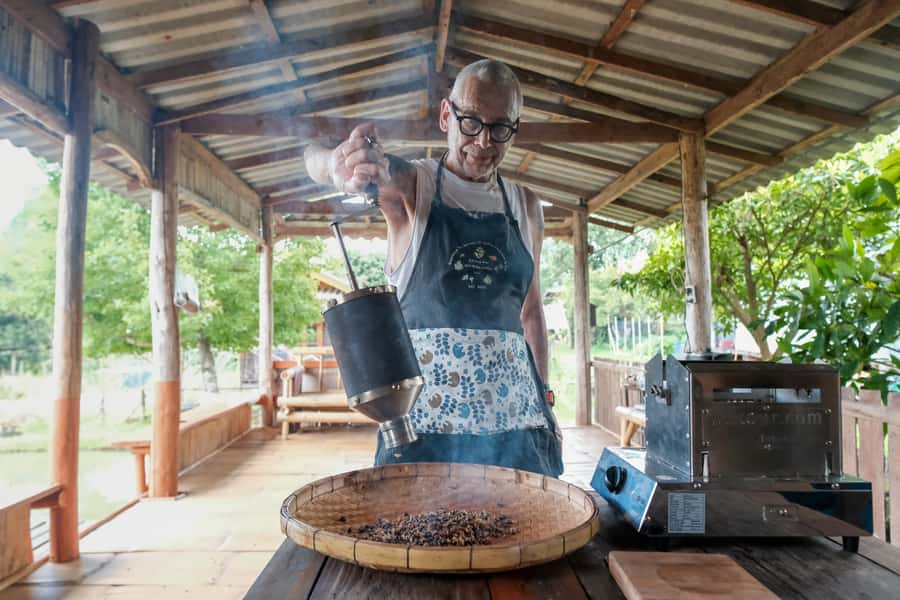
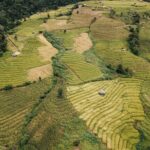
If your idea of a coffee tour is a tasting flight and a souvenir shop, this one won’t match that mood. You’re heading into Chiang Mai Province’s highlands, where coffee is grown alongside other crops and forest life. That’s the key shift: you’re learning the full coffee chain, from where the plant grows to how the cup is brewed.
The group size matters here. With only 8 seats, you’re more likely to get real answers, not rehearsed lines. It also changes the tempo. The day is paced like rural life: slower moments for questions, time to look at plants, and room to taste and compare.
You’ll also notice the tour’s focus on practical skill. Roasting is often shown like a magic trick. Here, you’re taught how the beans change and how that affects flavor. Then you brew with a V60 so you can connect roast decisions to what’s in the cup.
You can also read our reviews of more tours and experiences in Chiang Mai.

Getting to Emerald Highlands: The 4WD Mountain Start
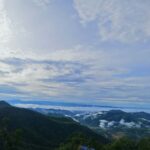
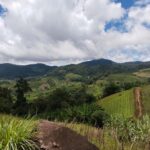
The day begins with pickup round-trip by air-conditioned van, so you don’t lose energy on logistics. After that comes a 1.5-hour scenic drive to the Emerald Highlands, the kind of ride where you start noticing temperature and cloud cover changing as you climb.
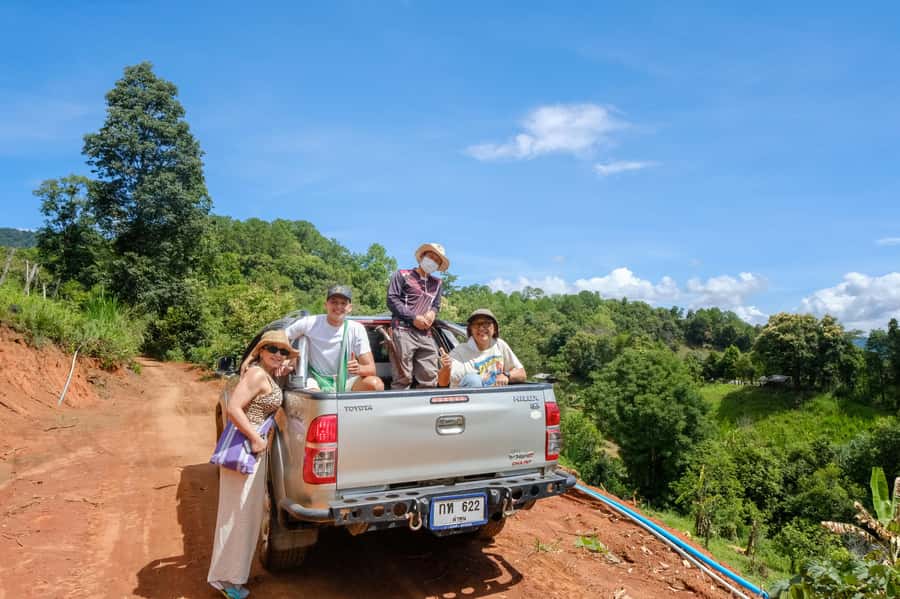
Then you get the 20-minute 4WD mountain segment that takes you upstream into the forest area around 1400 meters. It’s thrilling in a very practical way: you’re not just sightseeing from a window. The vehicle puts you in position to walk where the coffee is grown.
If you’re someone who gets carsick, it’s worth thinking about. The route is mountain terrain and described as a truck-to-mountain trip. Bring a calm attitude and plan for the ride to be bumpy. The upside is you’ll feel like the day started moving in the right direction, not stuck in the same area the whole time.
The Upstream Forest Trek to the Coffee Source (and What You’ll Learn on the Way)
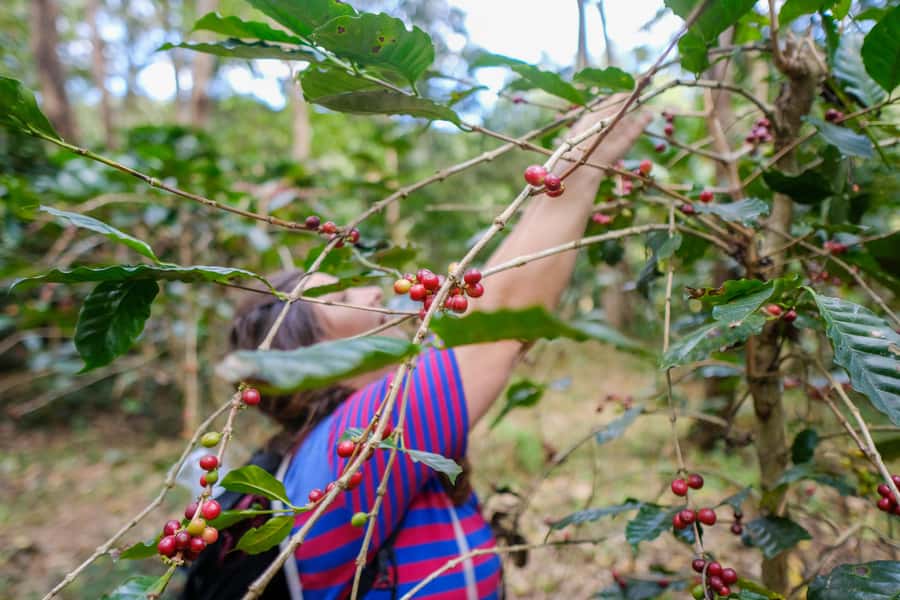
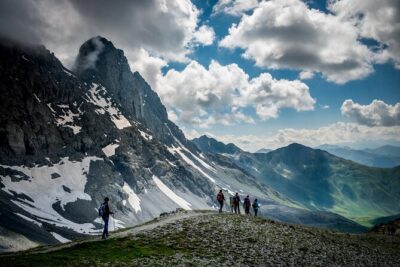
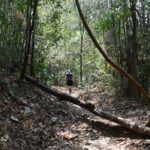
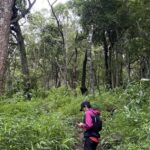
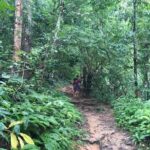
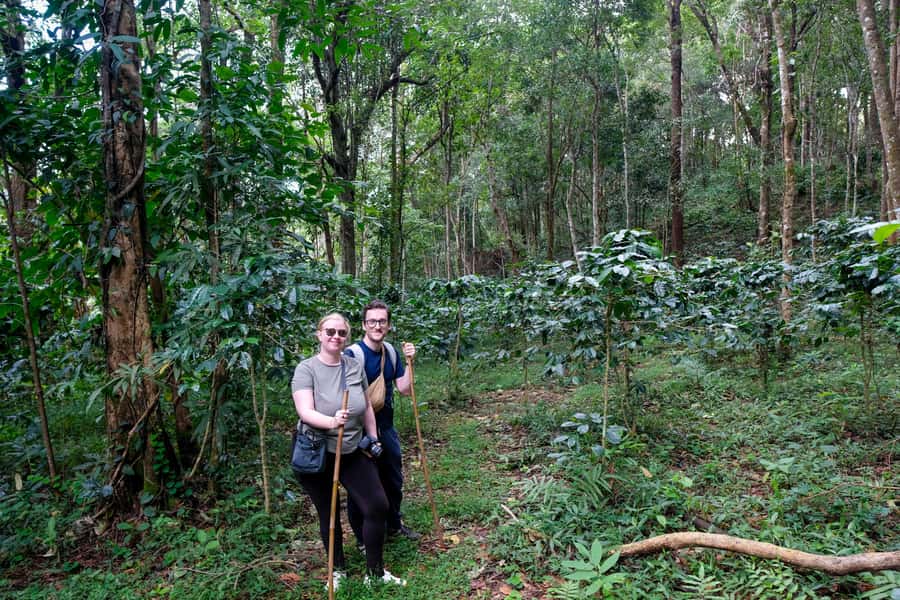
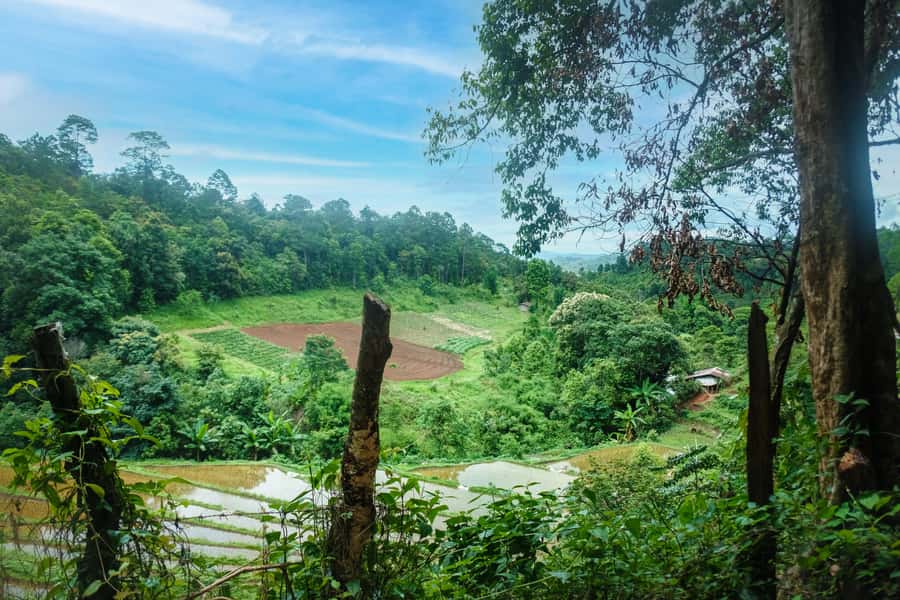
A big chunk of the experience is a 50-minute trek through the upstream forest to the coffee growing area, including a visit to a Growth Shed Plantation. This is where the tour earns its name. You’re not only learning coffee. You’re also learning why the growing conditions matter.
On the walk, you’ll see coffee plants in the setting where they grow, and you’ll get explanations about how farming works there. Several details point to an emphasis on what’s natural and practical: recognizing flora around the route, understanding how plants are handled, and connecting farming practices to the flavors people get later.
What I like about this structure is that it gives you a mental map. After the trek, you understand the coffee story as something rooted in the land. That makes the later roasting and brewing feel more meaningful because you can link cause and effect.
Tip for you: wear long pants and comfortable shoes. The tour guidance is clear on this for a reason. Even if the hike feels manageable, the trail environment can be muddy, buggy, and uneven.
Hill Tribe Farming Without the Rush: Coffee as a Way of Life
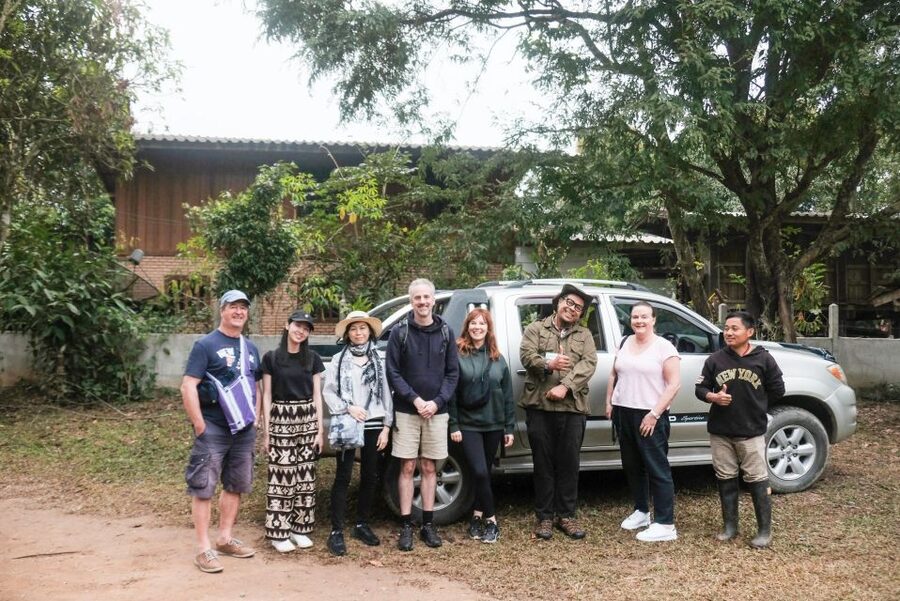
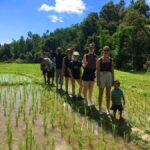
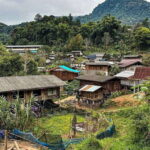
The experience spends time on raw hill tribe immersion, focusing on farming practices and the relationship between people and the land. The key here is that coffee isn’t treated like a factory product. It’s described as a crop grown with a connection to tribal farming and sustainable decisions.
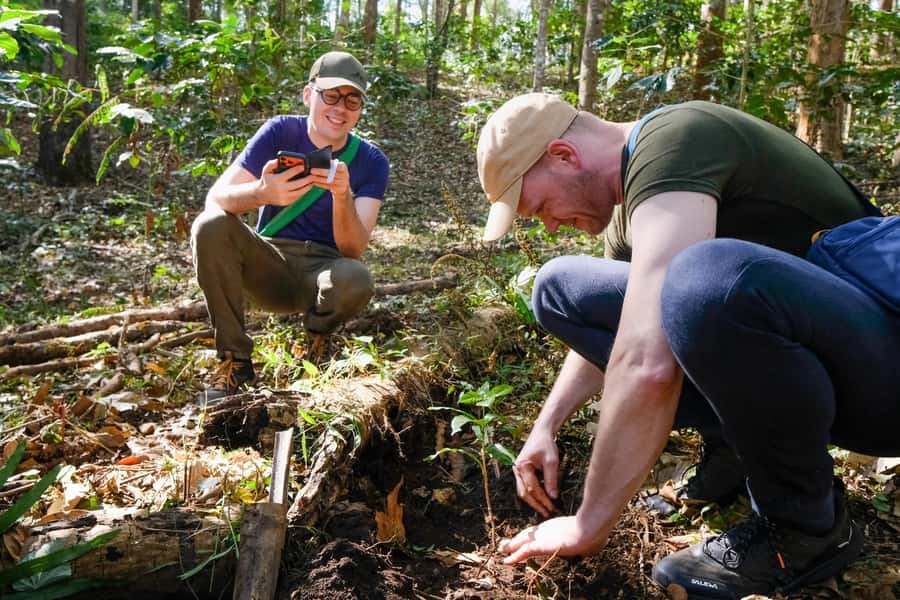
You may also plant or tend to a coffee tree during the day, since the experience includes a hands-on component tied to the farm portion. In that same spirit, you’ll likely see how coffee cherries are handled and how growers think about quality.
I especially like the way the day is tied to local knowledge through the guides. Jack is repeatedly described as passionate and funny, which matters because it keeps the day from feeling like a lecture. Moonshine is another name you’ll hear around the farm, and the tone is family-run rather than corporate. One review even mentioned Moonshine’s family connection to the farm, which helps explain why the storytelling feels grounded.
Ethical tourism isn’t just a slogan on this kind of tour. When your day includes supporting tribal communities and learning from growers directly, the learning feels earned. You’re paying for context, not just access.
Farm-to-Table Vegetarian Lunch: What You Eat Tells You Where You Are
Lunch is included and described as an organic vegetarian meal prepared using traditional hill tribe recipes. This is not a side dish to coffee. It’s part of the day’s logic.
Because the meal is described as fresh and locally sourced, it tends to make the highland farm feel real. You’re eating something that fits the same region you’re walking through. Several people specifically praised the home-cooked style and the garden-fresh feel of the food.
For you, this matters if you’re picky about “tour food.” A lot of day tours feed you something convenient that tastes like it came from a kitchen miles away. Here, the emphasis is on plant-powered fuel and traditional preparation.
Small caution: the tour advises you to bring cash. The data doesn’t say lunch requires cash, so you should assume lunch is included, but cash can still be useful for personal purchases or small add-ons.
Roast Your Own Beans: The Hands-On Part That Makes the Tour Stick
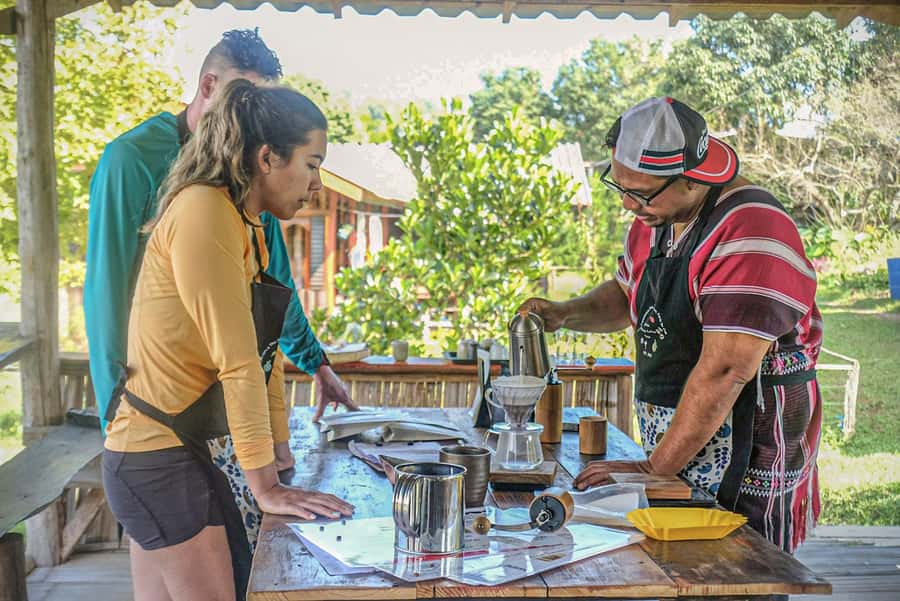
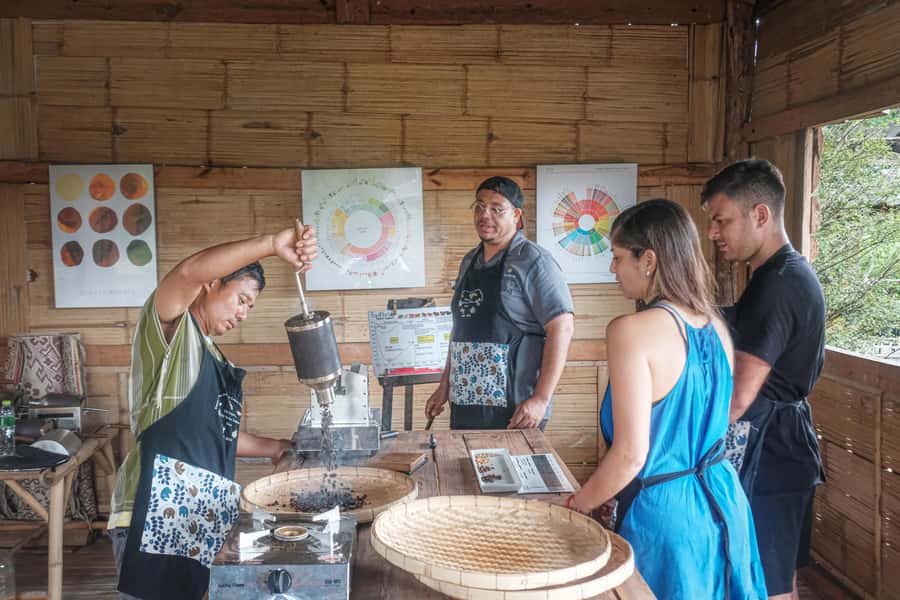
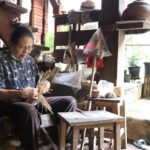
This is the moment most coffee lovers remember. You’ll roast your own beans using green coffee beans provided by the tour. Then you get to take your roasted coffee home as an actual souvenir.
Why this is valuable: tasting coffee is nice, but roasting is where you learn how flavor is created. You’ll get a Bean → Brew view of the process, meaning you’re not only learning what tastes good. You’re learning why it tastes good.
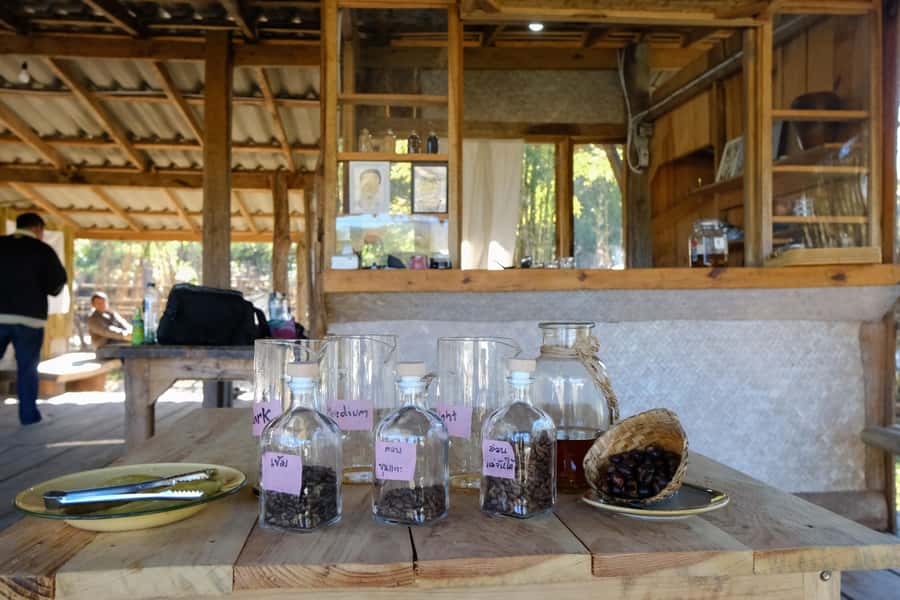
You’ll also get coffee and tea for brewing and testing during the day. That testing piece is important because it turns the workshop into a feedback loop. You can compare what happens when beans are roasted differently and how brewing method affects the cup.
One practical note from the experience details: long pants and insect repellent are strongly suggested. Roasting workshops often happen outdoors or semi-outdoors on the farm area, so you’ll want to be comfortable enough to focus, not swatting.
And yes, the smell of fresh-roasted coffee is part of the reward. It’s one of those smells that makes you understand what people mean when they talk about freshness.
V60 Brew Masterclass: Turn the Workshop Into a Morning You Can Repeat
After roasting, the day moves into brewing. You’ll learn a V60 brew masterclass and craft pour-overs to create your dream cup.
This is the skill that travels well. Roasted beans last, but brewing technique makes the biggest difference at home. With a V60-focused lesson, you can recreate a similar brew without needing a special new gadget.
In plain terms, you’ll practice how to pour and how to manage the cup’s flow. You’ll also learn how what you roasted ties to what you brew. That connection is the difference between buying a bag and understanding your bag.
If you’re already into coffee at home, this workshop can level you up. If you’re not, it can get you to a better cup fast, because it’s structured and hands-on.
What to Bring (and What to Skip) for a Smooth Day
Use the tour’s packing list as your base. Here’s what actually affects your comfort.
Bring:
- Sun hat for the bright parts of the day
- Sunscreen and sunglasses
- Long pants and outdoor clothing
- Comfortable shoes for trekking
- Insect repellent
- Personal medication
- Cash (recommended)
- Camera
Also bring a practical layer for weather. Rain jackets are only suggested for rainy season, so check conditions before you go.
Not allowed:
- Alcohol and drugs
One more smart move: protect your wrists and ankles. You’ll be outdoors long enough that small comfort items become big comfort wins.
Price and Value: What $118 Buys You Here
At $118 per person, this isn’t a cheap add-on. But it’s also not a barebones tasting.
You’re paying for:
- round-trip pickup by air-conditioned van
- a 4WD truck-to-mountain ride
- a local guide
- an organic vegetarian lunch
- coffee and tea for brewing/testing
- bottled water for trekking
- green coffee beans for roasting
- roasting and V60 brewing instruction
When you add up those included pieces, the price starts to make sense, especially because it’s max 8 seats. A small-group model costs more than a big bus, but you feel it in the experience: more time with the guide, more hands-on practice, and fewer rushed photo stops.
If you care about coffee but also care about context and real food, this is a strong value. If you only want a quick taste and don’t want to trek, you might feel the cost for what is, in part, an outdoors day.
Who This Tour Fits Best (and Who Might Want Another Option)
This tour is a great fit if you’re:
- a coffee lover who wants to roast and brew, not just sample
- curious about highland farming and hill tribe life
- happy to spend part of the day walking outdoors
- motivated by small-group experiences and direct guide interaction
It’s not suitable for:
- children under 6
- pregnant women
- people with mobility impairments
Also, if you’re sensitive to insects or hate outdoor trekking, plan carefully. The tour is designed around forest time.
Should You Book the Chiang Mai Coffee Full Day Tour?
Book it if you want more than coffee trivia. I’d choose this when you want a full chain story: mountains → forest trek → farm life → roast → brew. The roast-your-own beans and V60 masterclass are the heart of why this tour is memorable and repeatable at home.
Skip it if your ideal day is mostly indoor, mostly flat, and mostly fast. This one is built around getting up into the highlands and working through the steps with your hands and your legs.
If you do book, set yourself up for comfort: long pants, insect repellent, and good shoes. The better your body feels, the more you’ll enjoy the slow pace that makes the farm and forest feel real.
FAQ
How big is the group on this Chiang Mai coffee tour?
The tour is limited to a small group with a maximum of 8 guests, which helps keep the experience personal.
Does the tour include pickup from your hotel?
Yes. Round-trip pickup and drop-off are included by air-conditioned van.
Is lunch included, and is it vegetarian?
Yes. Lunch is included and described as an organic vegetarian meal prepared in a traditional hill tribe style.
Do I get to roast coffee beans myself?
Yes. The tour includes green coffee beans for roasting, and you’ll roast your own beans during the workshop.
Will I learn how to brew with a V60?
Yes. The experience includes a V60 brew masterclass where you practice pour-over brewing.
Is the tour suitable for children?
It is not suitable for children under 6 years old.
Is the tour suitable for pregnant women or mobility impairments?
No. It is not suitable for pregnant women or for people with mobility impairments.
What should I bring for the trek and farm time?
Bring a sun hat, sunscreen, long pants, comfortable shoes, outdoor clothing, insect repellent, sunglasses, a camera, personal medication, and cash.
What’s not allowed during the tour?
Alcohol and drugs are not allowed.
What language is the tour in?
The tour is in English.