REVIEW · SAPA
Sapa Trekking / Hiking through Sapa Valley with native Hmong
Book on Viator →Operated by Indigo Trekking Tour Sapa · Bookable on Viator
Sapa trekking with a local family changes everything. I like the native Hmong guide approach, with real stories from a family that has lived in Sapa Valley for generations, not a script. I also love the Ta Van homestay side, where you sleep well (yes, hot shower) and eat with the people whose land you’re walking on. One drawback: the mountains are weather-first, so if clouds and cold roll in you may see less scenery than you hoped.
What makes this trip practical is the flexibility. You start at Sapa Church (8:30am) and your route can be adjusted to your interests and athletic level, with stops planned around villages, rice fields, bamboo forest, and waterfalls. I’d keep one consideration in mind: this is a true hike, with moderate fitness needed, so it’s not for anyone who wants mostly flat walking and lots of long pauses.
You’ll likely walk with guides from the Indigo Trekking Tour Sapa team, and you may meet Sue or one of her family members like Mai, Miy, or Bao. The group is private, so it’s easier to ask questions and move at a comfortable pace, instead of getting shuffled behind strangers. If you want a Sapa experience that feels human and specific, this is one of the better ways to do it.
In This Review
- Key things that make this trek worth your time
- How the Hmong-led trek works (and why it feels different)
- Start point in Sapa: meeting at 8:30am (and pickup)
- Day 1 to Ta Van: Y Linh Ho, Lao Chai, then your Hmong home base
- Dinner and a homestay night in Ta Van: hot shower and a private suite
- Day 2 in Hoang Lien National Park: trails, forests, and waterfalls
- Guides you might meet: Sue, Mai, Miy, and Bao
- Price and value: how $110 stacks up for two full hiking days
- Weather matters: cold clouds can change what you see
- Who should book this trek (and who might not)
- Should you book this Sapa trekking experience?
- FAQ
- FAQ
- What is the duration of the Sapa trekking and homestay?
- Where does the trek start and end?
- What time does the tour begin?
- Is pickup offered?
- What is included in the Ta Van homestay?
- How much trekking is there, and is it for moderate fitness?
- What does the itinerary include on day 1?
- What does day 2 include?
- What happens if the weather is poor?
Key things that make this trek worth your time
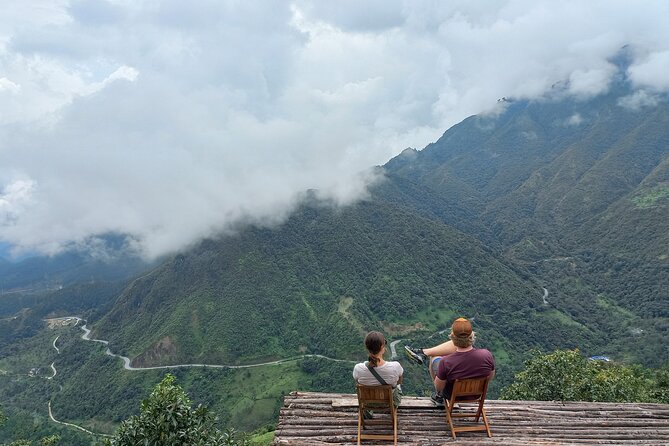
- A Hmong guide with deep local roots: The guiding family lives in the valley and knows the villages by name and connection.
- Day 1 villages and rice-country trekking: You visit Y Linh Ho, trek toward Lao Chai, and end in Ta Van.
- Homestay comfort that’s not fussy: Private suite, double bed, and hot shower are part of the stay.
- Hoang Lien National Park trails and waterfalls: Day 2 focuses on forest paths and waterfall scenery around the Sapa valley.
- Flexible route choices: Your guide can tailor the trek to your interests and abilities, including different rice-field scenes depending on timing.
- Private tour with only your group: Easier conversation, fewer bottlenecks on the trail, and more control of your pace.
How the Hmong-led trek works (and why it feels different)
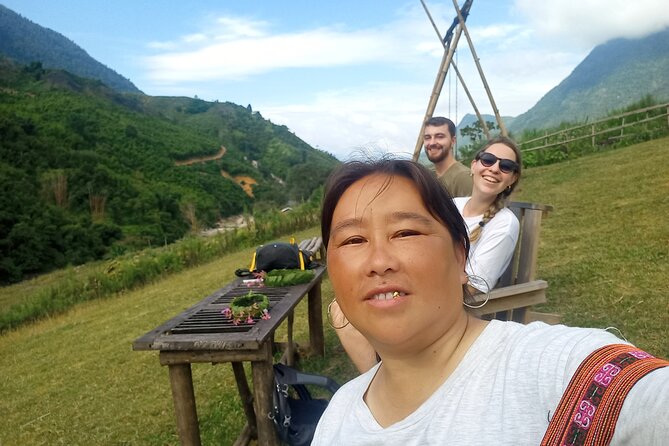
This is a two-day trekking route through Sapa Valley with a native Hmong guide, typically from Indigo Trekking Tour Sapa. You’ll start and finish back in the same place in Sapa, and the big idea is simple: you’re not just sightseeing from a bus. You’re walking with someone who grew up here, knows the paths, and can explain daily life instead of reciting facts.
The value is partly in the story access. When your guide is from the valley, questions land better. You don’t have to rely on guesswork about why a village is where it is or what rice farming changes across seasons. The guide can also customize the trek to match your interests, whether that means more village time, more nature time, or more time on rice fields (when conditions allow).
The other value is the homestay setup. In many Sapa treks, “homestay” can mean basic and cold. Here, the stay includes hot shower and a private suite with a bathroom and double bed, so you can actually recover. That matters on day 2, when you’re back on trails for several hours.
Start point in Sapa: meeting at 8:30am (and pickup)
Your meeting point is Sapa Church on Hàm Rồng Street, and the start time is 8:30am. Pickup is offered, and it’s also described as near public transportation, which helps if you’re coordinating with other plans in town.
This early start is smart in the mountains. Morning light can make rice terraces and jungle edges easier to appreciate, and starting earlier generally gives you more time before weather shifts. If you’re staying in Sapa already, plan to be ready to go without rushing.
You’ll also use a mobile ticket, and confirmation happens at booking. In plain terms: you should feel organized before you even arrive on the trail.
Day 1 to Ta Van: Y Linh Ho, Lao Chai, then your Hmong home base
Day 1 is the village-and-farmland day. You begin by meeting at the pickup point, then you travel to Y Linh Ho village before starting the trek proper. From there, you head toward Lao Chai, stopping for lunch along the way, before continuing to Ta Van, the guide’s hometown.
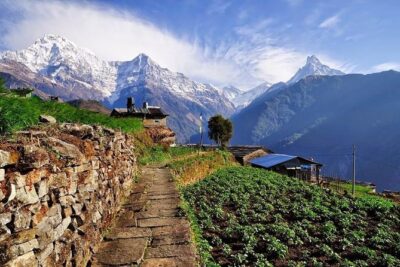
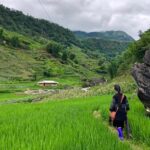
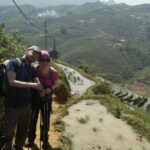
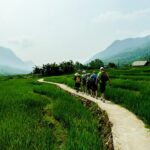
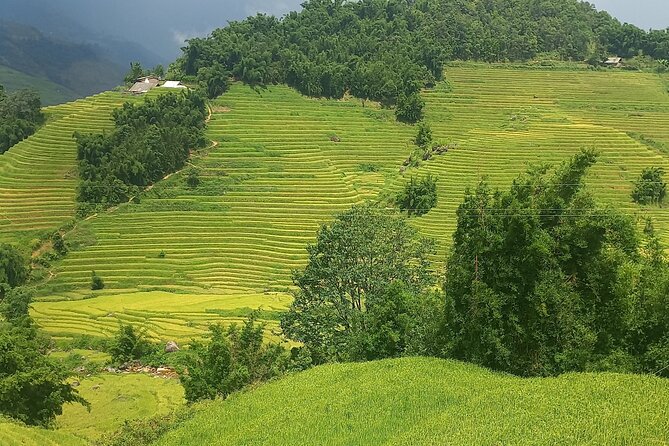
On the trail, expect a mix of rice fields (season-dependent), mountains and jungle scenery, bamboo forest, and the kind of footpaths locals actually use. The guide can also arrange extra time around rice farming—if the season and timing line up, you may see planting or harvesting practices on the family’s land.
Why this day matters: it sets the tone. You’re walking through the valley’s working landscape, not just scenic overlooks. You’ll also hear practical explanations as you go—how villages are connected, what life looks like across generations, and what you should pay attention to as you move from one area to another.
A quick realism note: the walking can be long enough that comfortable shoes and steady pacing matter. If you try to “power through” like it’s a gym workout, you’ll miss some of the stories and slower moments.
Dinner and a homestay night in Ta Van: hot shower and a private suite
In Ta Van, day 1 ends with dinner with the family and a 1-night homestay. The stay is described as a private suite with a bathroom and a double bed, plus a hot shower. That’s a big deal for two reasons: you’ll actually warm up if the mountain air turns cold, and you’ll be able to reset for day 2 without spending your morning in discomfort.
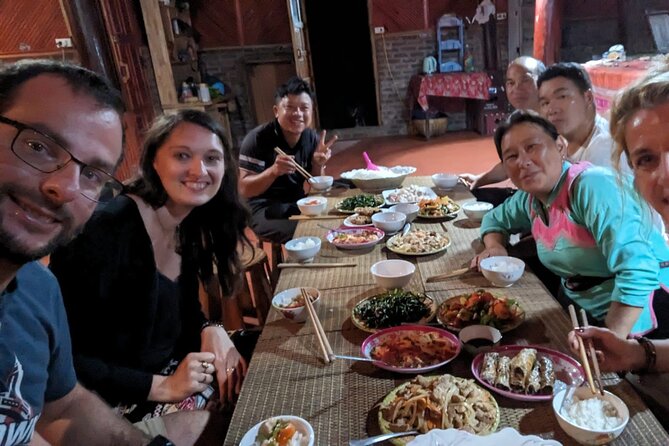
You can also expect home-cooked food as part of the evening. This isn’t a hotel meal with limited local flavor; it’s the family’s kitchen routine. That’s the kind of experience that doesn’t feel staged because you’re part of the household schedule for a night.
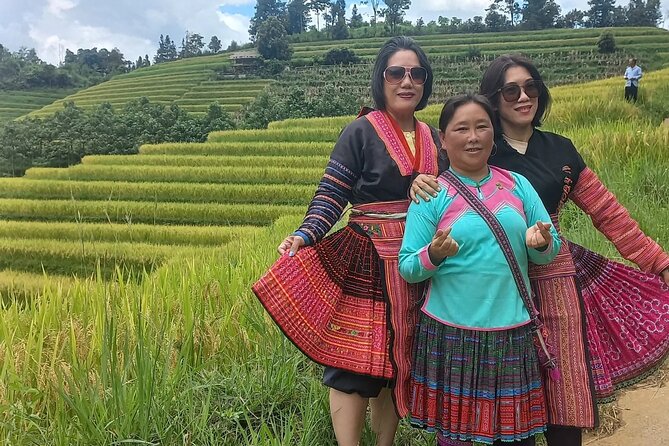
This is also where the trip earns its name as a cultural exchange. The guide (often Sue, or a family member like Mai) can explain customs you notice during the day—clothing choices, village life rhythms, and how people see their own history through living memory rather than museum captions.
Day 2 in Hoang Lien National Park: trails, forests, and waterfalls
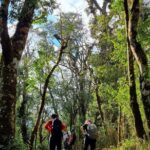
After breakfast, you head into Hoang Lien National Park for about 7 hours of trekking. This is the nature-focused half of the trip: trails through forests, waterfall areas, and the surrounding terrain of Sapa Valley near the guide’s village.
This day is where you’ll likely feel the altitude and weather most. If clouds roll in, you may get less sweeping visibility, but the green and mist can still make the forest sections feel dramatic. If it’s clear, you’ll get better chances for distant views over the valley edges.
Why I think this part is worth doing: it balances the human side from day 1 with real outdoor time. You don’t just return to town after dinner and call it a trek. You actually walk in protected landscapes that shape daily life for local communities on the edge of the park.
At the end of the experience, you return back to the meeting point in Sapa.
Guides you might meet: Sue, Mai, Miy, and Bao
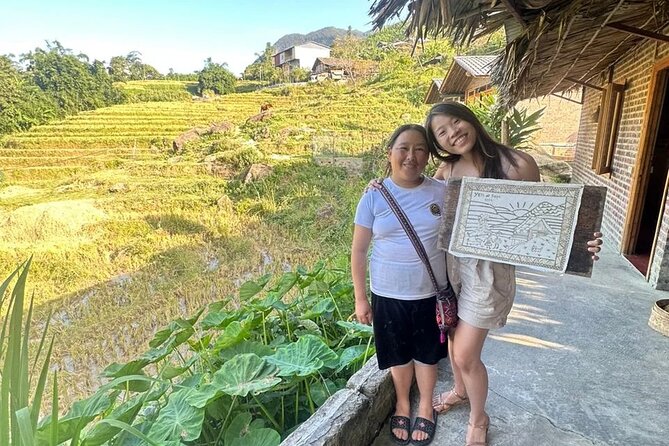
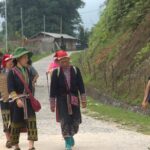
One of the strongest signals in the guide style is continuity. People repeatedly connect the experience to a family team—especially Sue. When Sue isn’t the one guiding your specific group, you might still be in capable hands with family members such as Mai, or guides like Miy, along with support from Bao and other family members.
The common theme across these guide names is communication. English is described as excellent by multiple guests, and the guides are known for answering questions and talking about how people lived and live today. That matters because a trek becomes more than walking when you understand what you’re seeing.
Also, the guides tend to personalize. You’re not stuck on a single route regardless of energy level. If you want more rice-field time or more nature time, you can usually shape the day around that—within the realistic flow of the villages and trails.
Price and value: how $110 stacks up for two full hiking days
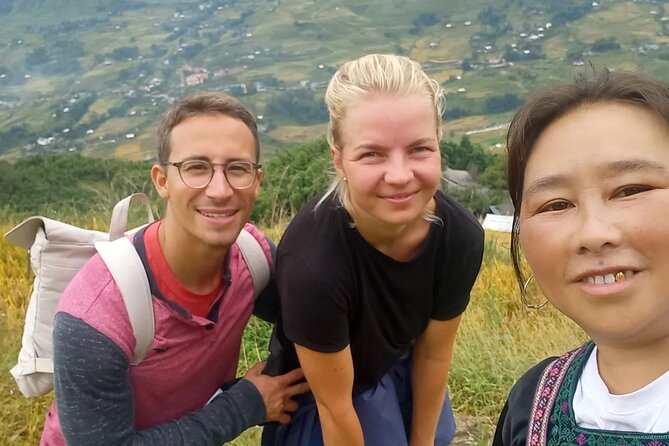
At $110 for about two days (and one night homestay), the value is strongest if you care about three things: a private group, a real homestay setup, and substantial hiking time across two different settings.
You’re not paying for a short walk plus a photo stop. Day 1 includes multiple village areas, lunch, and dinner plus the overnight stay. Day 2 is a full trek through the national park with forests and waterfalls. The pace is long enough that you’ll feel like you did something meaningful, not just checked off a box.
There’s also an extra practical point: day 1 admission is listed as free, and day 2 admission is included. You won’t be constantly asked for small add-ons during the experience, which keeps budgeting calmer.
Is it the cheapest trek in Sapa? Probably not. But if you want the “this felt like a real place” experience—rather than a generic guided loop—this price tends to make sense.
Weather matters: cold clouds can change what you see
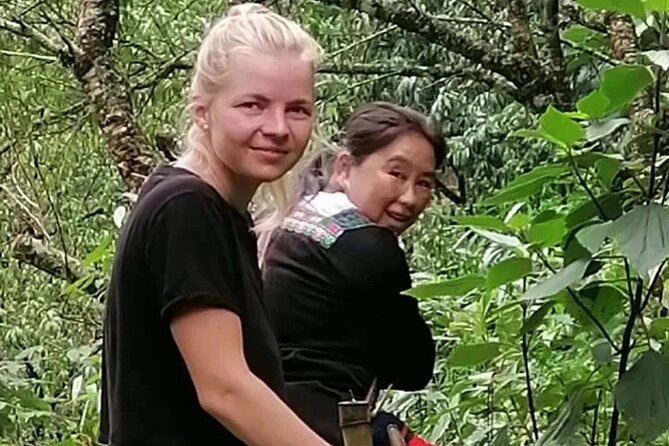
This trek requires good weather. If it gets canceled due to poor conditions, you’ll be offered a different date or a full refund. So don’t treat this as something you can force no matter what.
In practice, that means you should arrive with warm layers and be ready for mountain chill. Even in months that are pleasant at sea level, March and other cool periods can bring cold and cloudiness. When that happens, visibility can drop, but your day is still valid: forests, bamboo sections, and village life continue even when views are limited.
A simple strategy: choose your focus. If you’re chasing dramatic panoramas, aim for the clearest forecast days. If you’re enjoying village conversations and the feel of walking rural trails, you can still have a great time even when the sky isn’t perfect.
Who should book this trek (and who might not)
This is a strong fit if you want:
- A private, custom trek with a guide from the valley
- A homestay night that includes hot shower and private room comfort
- Real hiking across village terrain and then into Hoang Lien National Park
You’ll likely be happier if you have moderate physical fitness. The trip is described as customizable to all ages and athletic abilities, but you should still expect real footpaths and long walking days.
If you want zero effort walking, wheel-to-table convenience, or a strictly urban experience, this won’t match your style.
Should you book this Sapa trekking experience?
Yes, if you’re the type of traveler who likes meeting the people who live where you’re walking. This trek is built on family knowledge, village connections, and a homestay setup with the comforts you need after a full day on foot.
I’d book it sooner rather than later if your schedule in Sapa is tight, because weather-dependent experiences can require shifting dates. And I’d choose it if you want to learn about rice farming, village rhythms, and the way the Hmong community sees the valley—not just take photos of it.
If you’re sensitive to cold or you’re only traveling in a shaky weather window, plan extra layers and keep flexibility in your mind. The mountains don’t care about your itinerary, and this company is set up to deal with that by offering alternate dates or a refund when weather cancels the plan.
FAQ
FAQ
What is the duration of the Sapa trekking and homestay?
The experience runs for about 2 days, with an overnight homestay included.
Where does the trek start and end?
It starts at Sapa Church on Hàm Rồng Street in Sapa and ends back at the same meeting point.
What time does the tour begin?
The start time is 8:30am.
Is pickup offered?
Yes, pickup is offered, and the meeting area is also described as near public transportation.
What is included in the Ta Van homestay?
You get a 1-night homestay with dinner provided, plus a private suite setup that includes a hot shower, a bathroom, and a double bed.
How much trekking is there, and is it for moderate fitness?
You should have moderate physical fitness. Day 1 is about 8 hours and day 2 is about 7 hours of trekking.
What does the itinerary include on day 1?
You visit Y Linh Ho village, trek to Lao Chai for lunch, then continue to Ta Van for dinner and the homestay.
What does day 2 include?
Day 2 is trekking through Hoang Lien National Park trails, including forests and waterfalls, with a return to the meeting point afterward.
What happens if the weather is poor?
This experience requires good weather. If it’s canceled due to poor weather, you’ll be offered a different date or a full refund.