REVIEW · NAYA PUL
Pokhara: Amazing 7-Day ABC Trek with Natural Hot Spring
Book on GetYourGuide →Operated by Himalayan Nomad Treks Pvt. Ltd. · Bookable on GetYourGuide
One word: altitude. This 7-day walk up to Annapurna Base Camp mixes steady hiking with a real payoff view—and then you get a natural hot-spring reset at the end. It’s a guided plan built for manageable days, with transportation from Pokhara that keeps the focus on walking and scenery.
I like the way the route gives you variety fast: forests, villages, suspension bridges, and waterfalls along the climb. I also like that the trail is supported end-to-end with an English-speaking guide and a medical kit, plus accommodation and (in the full package) meals during trekking days. That’s the kind of structure that helps you keep your energy for the big moments.
One thing to consider: you’ll spend meaningful time in vehicles (jeeps) on travel days. If you hate road time, this trek may feel more long-haul than you expected, even though the hiking itself is intentionally timed to be doable.
In This Review
- Key highlights worth your attention
- Annapurna Base Camp feels like a mountain amphitheater
- Pokhara start: Lakeside, pickup, and getting your bearings
- Day 1: Lakeside Pokhara to Chhomrong (jeep then uphill)
- Day 2: Chhomrong to Dovan through forests, suspension bridges, Modi views
- Day 3: Dovan to Deurali (rhododendron, bamboo, waterfalls)
- Day 4: Deurali to Annapurna Base Camp (4,130m amphitheater day)
- Day 5: Annapurna Base Camp to Sinuwa (long descent reset)
- Day 6: Sinuwa to Jhinu Dada hot spring (soak day at 1,600m)
- Day 7: Jhinu Dada back to Lakeside Pokhara (trek then jeep finish)
- Value and cost: what $200 buys, and what to verify
- Guides, pacing, and why the human part matters
- What to pack for ABC + Jhinu Dada (use the list, tweak for comfort)
- Should you hire a porter on this trek?
- Who this trek suits best
- FAQ
- FAQ
- What is the trek route and where does it start?
- How many days is this Annapurna Base Camp trek?
- What are the major altitude stops on the trek?
- Is hotel pickup included?
- Do I need trekking permits?
- Is an English-speaking guide provided?
- Are meals included?
- Is a porter included?
- What insurance is included?
- Should you book this ABC trek with Jhinu hot springs?
Key highlights worth your attention
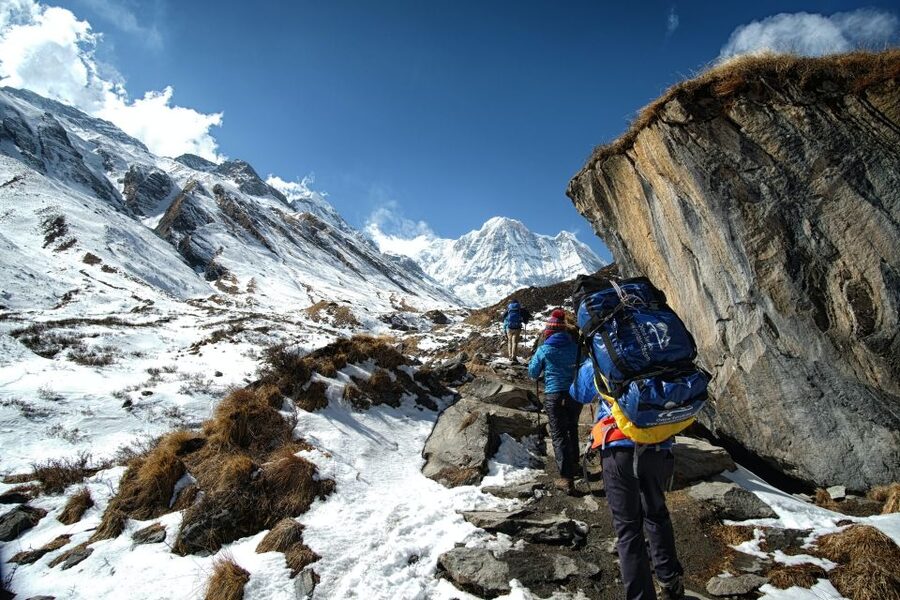
- Real mountain milestone at 4,130m: you reach Annapurna Base Camp after a gradual climb.
- A guide who adjusts your tempo: pacing and safety are a big theme in how guides are described.
- Suspension bridge and Modi River day: a classic Annapurna-region crossing plus wide mountain views.
- Rhododendron and bamboo forests: the middle section has that “walk through living greenery” feel.
- Jhinu Dada hot springs on the way down: your body gets a natural cooldown at 1,600m.
Annapurna Base Camp feels like a mountain amphitheater
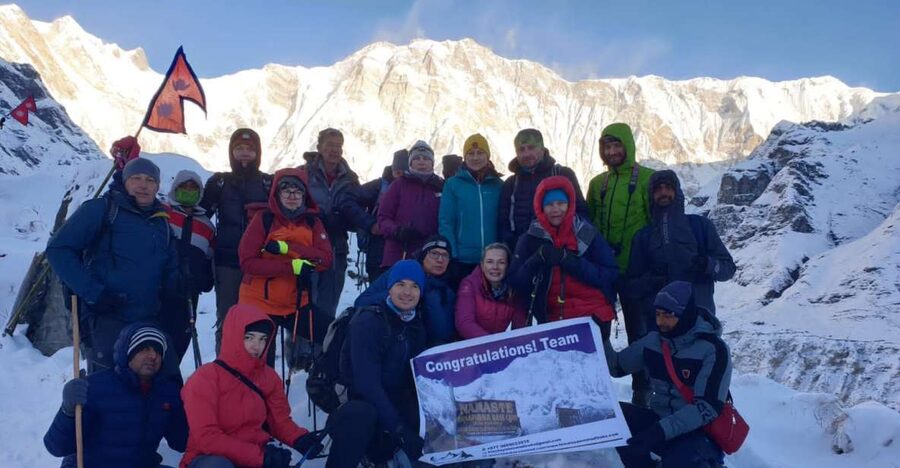
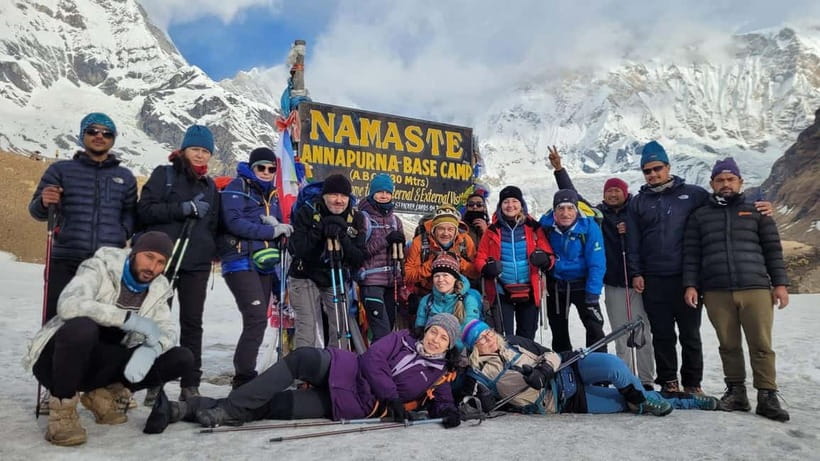
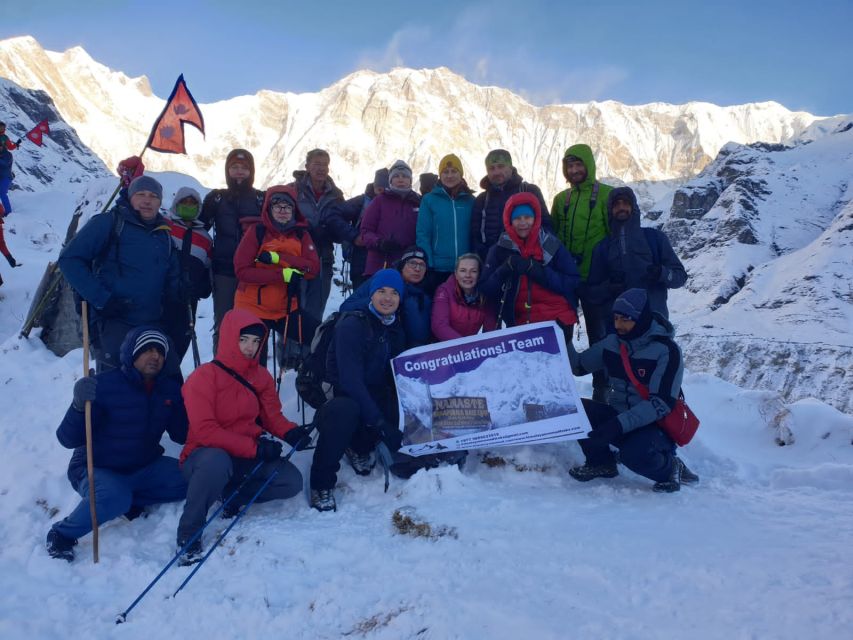
Annapurna Base Camp is special because it’s not just a viewpoint. At the end of the climb (4,130m), the mountains form a dramatic bowl shape around you, with glaciers and snow-capped peaks pressing in close.
I also love that the trek earns that moment. You don’t get pushed straight to high altitude; you build up day by day through villages and forested stretches, with long-enough days to feel like you’re working—but not so long that you’re racing the route.
Finally, the hot spring finish makes this trek memorable even for people who care more about how they feel than how fast they move. After you’ve returned to lower elevations, Jhinu Dada’s natural waters give you a practical recovery break, not just a photo stop.
You can also read our reviews of more tours and experiences in Naya Pul.
Pokhara start: Lakeside, pickup, and getting your bearings
Your trek begins in Lakeside Pokhara (around 800m). You start early morning after breakfast, and pickup is included from places in Lakeside, Pokhara Airport, and across the Pokhara Valley.
This matters more than it sounds. A smooth start means you’re not scrambling for transport the morning you need calm and focus. If you’re arriving from Kathmandu, pickup is available on request for an additional cost, so it can still fit a bigger itinerary without adding extra stress.
A private group also helps here. You’re not sharing the trekking “rhythm” with strangers, and the guide can manage the pace for your group.
Day 1: Lakeside Pokhara to Chhomrong (jeep then uphill)
Day 1 combines road time and hiking time: about 4 hours by jeep plus 3 hours trekking, climbing from roughly 800m up to Chhomrong (around 2,200m).
The route takes you past the Seti River area and through green paddy fields with mountain views. When the jeep drops you and you start walking, you get that immediate shift: vehicle noise disappears, and you’re hearing villages, birds, and the trail.
Chhomrong is also the kind of village stop that makes the Annapurna region feel human. You’ll have time to pass through local community areas and get a sense of hospitality as you move deeper into the trekking corridor.
Watch-outs on Day 1: even though the hike time isn’t huge, it’s still an altitude jump from 800m to 2,200m. Go steady for the first hour and let your breathing find a rhythm.
Day 2: Chhomrong to Dovan through forests, suspension bridges, Modi views
You’ll go from Chhomrong to Dovan (around 2,400m) in roughly 5–6 hours. The day is about transition: leaving the higher village feel and stepping into more forested walking.
This is also the day with the suspension bridge crossing. On top of that, the Modi River scenery is highlighted, and you’ll get big views toward the Annapurna area and Machhapuchhre (the famous fishtail peak).
Why this day works: it keeps you moving while varying what you’re looking at. Forest trails make your legs feel busy, bridges and river views keep your attention up, and mountain glimpses remind you why the climb is worth it.
Small practical tip: bring sunglasses and sunscreen. Even when the path is shaded, the higher you go the more you’ll notice glare.
Day 3: Dovan to Deurali (rhododendron, bamboo, waterfalls)
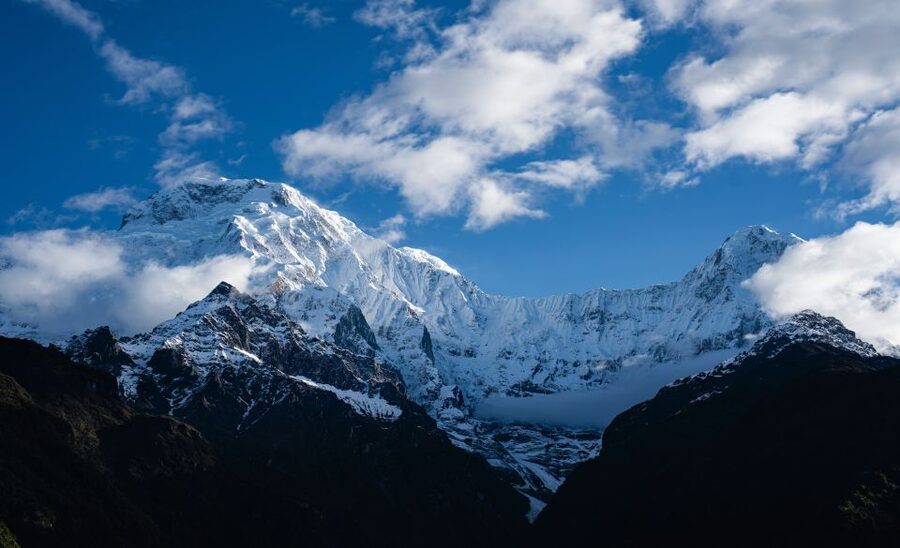
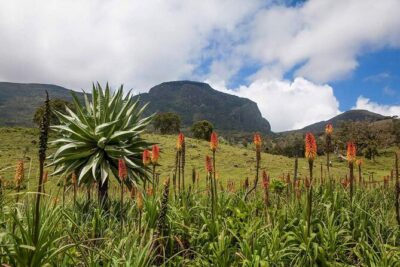
Day 3 is a longer climb to Deurali (around 3,200m), with about 6 hours on the move. The description focuses on rhododendron and bamboo forests, which is a nice change from the village-and-stone feeling of lower days.
As you ascend, you may encounter waterfalls and scenery that tends to break up the monotony of uphill steps. The big win is reaching Deurali surrounded by high terrain—exactly the mood you want before the Base Camp day.
This is also the day when you’ll likely feel altitude more clearly than on the first two days. The plan’s pace gives you time to adjust, but you still need to listen to your body.
Consideration: if you’re someone who pushes hard early, try not to. Deurali is your “set the stage” night, not the day to prove you can sprint uphill.
Day 4: Deurali to Annapurna Base Camp (4,130m amphitheater day)
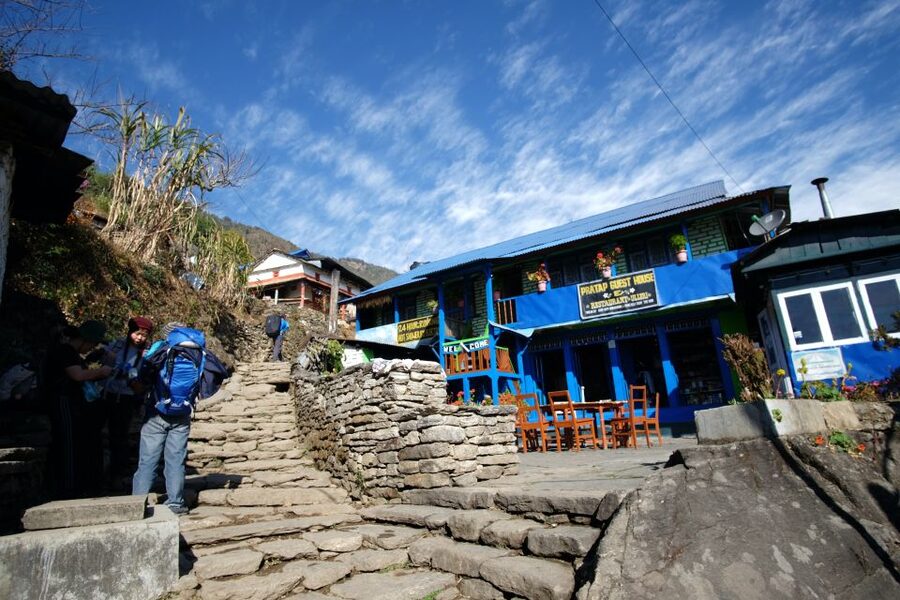
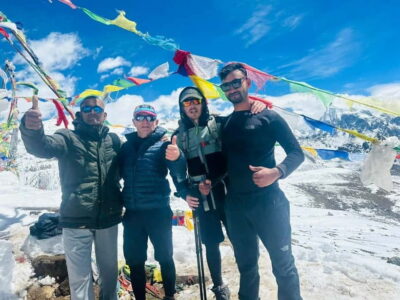
Day 4 is the big milestone: Deurali to Annapurna Base Camp (4,130m) in about 6 hours. This is the day you’re building toward—standing in awe of the amphitheater-like mountain setting, with glaciers and snow-capped peaks around you.
The most practical way to think about this day: it’s a hiking test, but also a patience test. You’ll feel better if you keep a steady pace rather than surging to “win” each steep section. Your guide’s experience matters here; guides mentioned in the program focus on keeping people safe, and pacing is described as flexible based on the group.
If you’re lucky with conditions, you’ll get dramatic mountain clarity, and if clouds roll in, Base Camp can still feel powerful because the scale remains huge.
My advice: pack for changing weather even if Pokhara feels sunny. Bring layers and plan for temperature swings at high altitude.
Day 5: Annapurna Base Camp to Sinuwa (long descent reset)
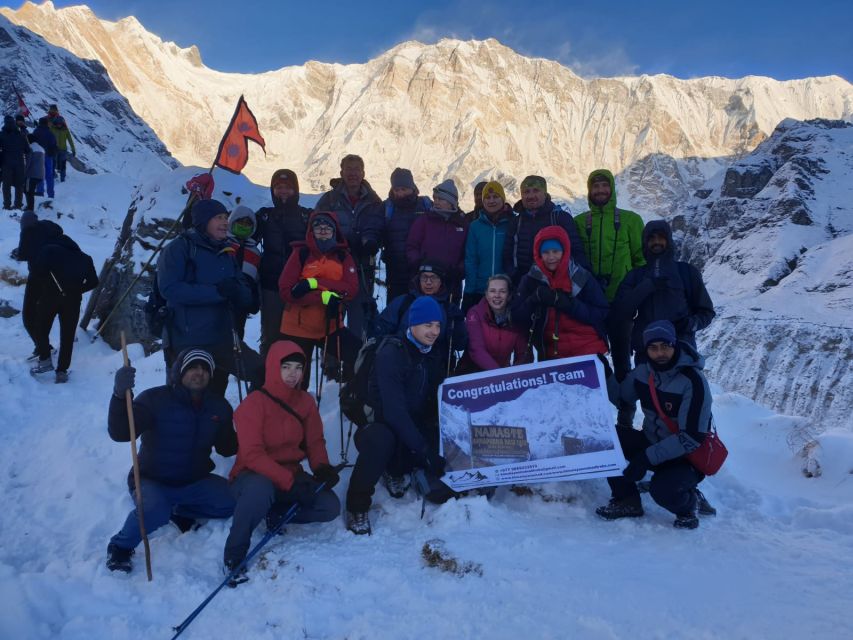
After Base Camp, you retrace part of the route down to Sinuwa (around 2,200m) in about 7 hours. This day is not about summiting again—it’s about controlled descent and recovery.
A longer descent can be hard on knees and thighs. Going slower on downhills is usually better than trying to match your uphill pace in reverse. The upside is that your body gets a break from the high-altitude stress as you drop closer to 2,200m.
Sinuwa is a quieter overnight stop that helps you process what you just did. And it sets up the final highlight: Jhinu Dada hot springs.
Day 6: Sinuwa to Jhinu Dada hot spring (soak day at 1,600m)
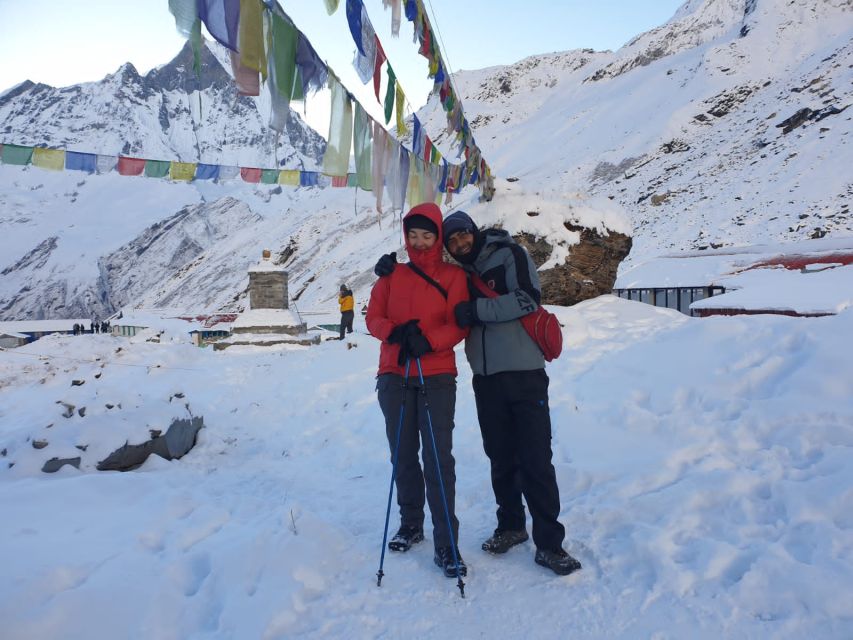
Day 6 drops you further to Jhinu Dada (about 1,600m) with around 5 hours of trekking. This is the day you’ll actually want to move a bit slower—because you’re not just going downhill, you’re saving energy for a soak.
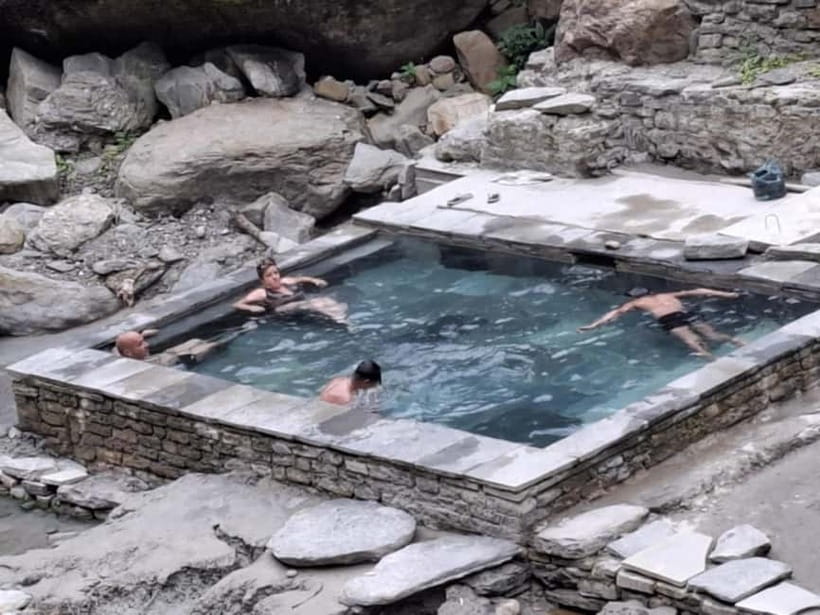
Jhinu Dada’s natural hot springs are the core reward here. You’ll have time to relax in the therapeutic waters so your tired muscles can unwind in a way that’s hard to replicate with just rest.
This is one reason I think the 7-day pacing works well. The hot springs day lands after you’ve already had the Base Camp payoff, so it feels like recovery rather than a distraction.
Practical note: bring your towel. It’s listed in the recommended packing items, and you’ll be glad you did.
Day 7: Jhinu Dada back to Lakeside Pokhara (trek then jeep finish)
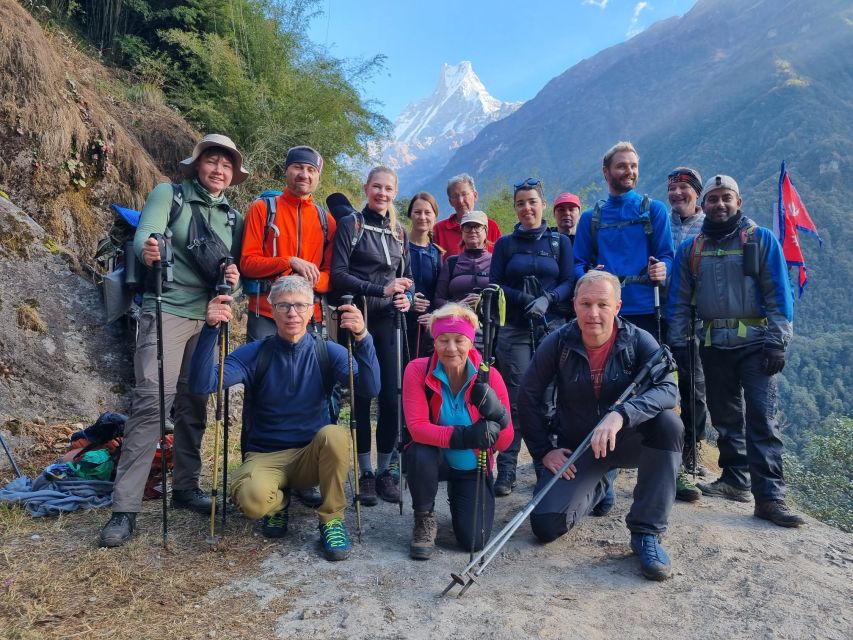
Your final day returns toward Pokhara: about 2 hours trekking, then you get on a jeep back to Lakeside after breakfast. You’ll follow the same general idea—walk enough to end the trek feeling earned, then vehicle time to get you back to comfort.
This is a good moment to catch your breath and notice the change in air, temperature, and the overall pace of life. Lakeside Pokhara is where the whole Annapurna effort starts to feel real.
Value and cost: what $200 buys, and what to verify
The listed price is $200 per person, and on paper the inclusions make it look like strong value for a guided trek. You’re getting permits and paperwork covered (including the TIMS fee), a medical kit, trekking guide with insurance, and accommodation during the trek.
The biggest value question isn’t the guide—it’s package coverage. The details say all meals during the trek are included for the full package, while lunch and evening meals in Pokhara are not included. So before you commit, confirm whether your option includes breakfasts, lunches, and dinners during trekking days or whether you’re paying for some meals on your own.
Also note what’s not included: travel and rescue insurance, and you’ll likely pay for a porter only if you choose to. That’s an important distinction because the trek is high enough that you’ll want your own safety coverage plan, not just the on-route support.
Guides, pacing, and why the human part matters
A guided ABC trek isn’t just about navigation. It’s about how the day feels, especially on altitude days and on the long descent.
Guides named in past experiences include Niraj, Ghanshyam Silwal, Jeet, and Prakash, and the consistent themes are safety, pacing that matches the group, and confidence on the route. One account even highlighted morale-building—game nights, dancing during the trek, and humor—plus a calm response when someone wasn’t feeling well on an evening.
Ramesh (from Himalayan Nomad Treks Pvt. Ltd.) is also mentioned as responsive during preparations and as someone who meets you at the start and again on the return. That kind of presence can cut down on the awkward moments when you’re trying to confirm details in a new country.
What to pack for ABC + Jhinu Dada (use the list, tweak for comfort)
The tour data gives a clear packing list. Stick to it, then adjust for your comfort level and the weather in your travel month.
Bring:
- Passport or ID card
- Hiking shoes
- Long pants and shorts (for mixed trail conditions)
- Jacket and T-shirt
- Sunscreen and sunglasses
- A towel (especially for hot spring day)
- Sleeping bag
- Camera
- Trekking gear
- Cash
- Towel (again, it matters on soak day)
One practical tweak: pack lighter than you think you need. Even if you’re not hiring a porter, the route is still long enough that every extra weight becomes fatigue by Day 3.
Should you hire a porter on this trek?
Porter service is available for purchase, but not included. If you carry your own gear, the descent days—especially Day 5’s longer down trek—can feel rough on legs.
One strongly worded piece of advice from a past trek centered on porters as a real help on the trail. If you’re traveling with a heavier daypack, or you want your legs to focus on walking instead of lifting, it’s worth discussing with your guide before the trek starts.
Who this trek suits best
This ABC trek is a great fit if you want:
- A guided Annapurna Base Camp climb with English-speaking support
- A route that builds toward 4,130m without collapsing your schedule
- A meaningful finish at Jhinu Dada hot springs for recovery
- A structure where accommodation and (if you choose the full package) meals are handled during the trek
It may be less ideal if you dislike road time, want total independence with zero guidance, or you’re not comfortable with altitude exposure at high points.
FAQ
FAQ
What is the trek route and where does it start?
It starts in Lakeside Pokhara (around 800m) and follows the Annapurna region route up to Annapurna Base Camp, then down to Jhinu Dada hot spring, finishing back at Lakeside Pokhara.
How many days is this Annapurna Base Camp trek?
The duration is 7 days.
What are the major altitude stops on the trek?
Key elevations listed include Chhomrong (about 2,200m), Dovan (about 2,400m), Deurali (about 3,200m), Annapurna Base Camp (about 4,130m), Sinuwa (about 2,200m), and Jhinu Dada hot spring (about 1,600m).
Is hotel pickup included?
Yes. Pickup is included from Lakeside, Pokhara Airport, and the entire Pokhara Valley. Pickup from Kathmandu is also available on request for an additional cost.
Do I need trekking permits?
Trekking permits and all necessary paperwork are included, along with the Trekkers’ Information Management System (TIMS) fee(s).
Is an English-speaking guide provided?
Yes. An authorized English-speaking guide is included, and guides may speak English, Hindi, and Nepali.
Are meals included?
All meals (breakfast, lunch, dinner) during the trek are included for the full package only. Lunch and evening meals in Pokhara are not included.
Is a porter included?
Porter service is not included, but porter support is available for purchase.
What insurance is included?
Travel and rescue insurance is not included. The guide insurance is mentioned as part of the included services, but you should plan your own coverage.
Should you book this ABC trek with Jhinu hot springs?
If you want a guided Annapurna Base Camp trek that balances effort with payoff—and you specifically care about recovery—this is a solid choice. The combination of a high-altitude milestone at 4,130m and a natural hot spring soak at 1,600m is a smart way to finish strong instead of limping into your return day.
Book it if you’re comfortable with some vehicle time, you’ll pack smart, and you can follow your guide’s pacing. Double-check whether your option is the full package so you know exactly how meals are handled during the trek, since that affects day-to-day cost more than people expect.
If all that lines up, you’ll get what matters most on this route: steady trekking days, dramatic mountain scale at Base Camp, and a practical hot-spring unwind that feels earned.