REVIEW · SAPA
Sapa Trekking Tour – 1 day
Book on Viator →Operated by Sapa Motorbike and Trekking · Bookable on Viator
A quick trek, three village worlds. This one-day Sapa route is built for variety: cool-weather mountain air plus ethnic-group encounters in just 6 to 7 hours.
What I like most is the way the day mixes viewpoints, walking paths, and real village time. You get Lao Chai’s Black Hmong valley views, then a Ta Van Giay lunch stop, then a Red Dao finish in Giang Ta Chai—so you’re not just checking boxes.
One thing to plan for: the weather can turn fast. Sapa is known for shifting conditions, including winter snow, so pack for cold even if the morning looks mild.
In This Review
- Key highlights worth showing up for
- A one-day trek that actually feels like a full experience
- The Sapa weather reality check: four seasons in one day
- Lao Chai viewpoint: Black Hmong terraces and the valley view
- The Ta Van Giay walk: rice terraces, a suspension bridge, and rock carvings
- Giang Ta Chai and the Red Dao finish: bamboo forest, waterfall rest, uphill return
- What you get for $45: included food, guide, transport, and fees
- Timing and pacing: how the 6–7 hour day feels in real life
- Who this one-day trek suits best
- Should you book this Sapa trekking tour?
- FAQ
- How long is the Sapa Trekking Tour (1 day)?
- How much does the tour cost?
- Does the tour include pickup?
- Is this tour private?
- What villages do you visit in one day?
- Who will you have a chance to meet?
- What’s included in the price?
- What’s the cancellation policy?
Key highlights worth showing up for
- Three different villages in one day: Lao Chai, Ta Van, and Giang Ta Chai
- Muong Hoa River and terrace walking with photo-ready stops
- Cultural time with Black Hmong, Giay, and Red Dao communities
- A suspension bridge crossing plus rock carvings en route
- A bamboo forest + waterfall break before the uphill return
- Included lunch and entrance fees that keep the day easy on your wallet
A one-day trek that actually feels like a full experience
Sapa is one of those places where you can waste half a day trying to find the right path, the right viewpoint, and the right timing. This tour solves that by putting structure around your day while still keeping it simple: you walk, you stop, you meet people, you eat well, and you end back in Sapa without turning it into a logistics project.
The tour is priced at $45 per person, and the value comes from what’s folded in. You’re not just paying for a guide and transport. You also get lunch, bottled water, and entrance fees for the stops you visit. That matters in Sapa, where you can easily end up paying extra for basic convenience if you plan everything alone.
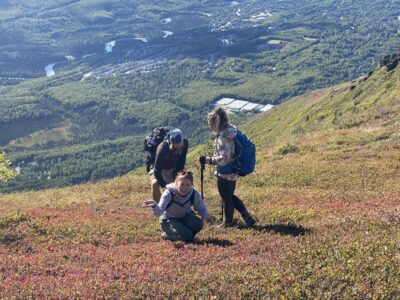
The route is built for a moderate fitness level. If you’re comfortable walking on uneven ground for a few hours, you’ll be fine. If you want a flat stroll, this isn’t it. You’ll climb some uphill sections—especially on the way back from Giang Ta Chai.
The Sapa weather reality check: four seasons in one day
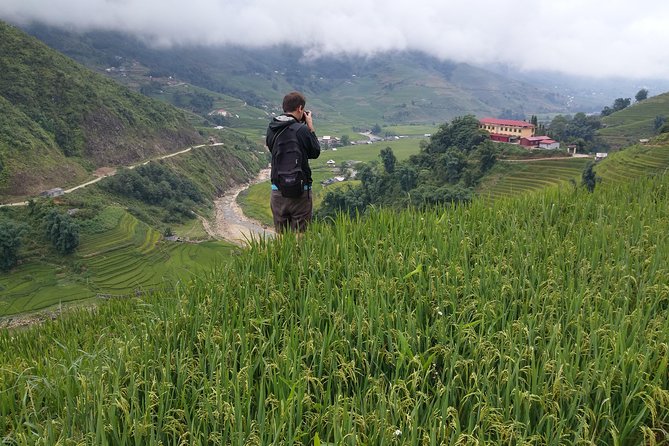
Your day starts with a quick lesson in why Sapa feels different from most of Vietnam. Temperatures here average around 15–18°C, and conditions shift a lot. The morning can feel like cool spring air, midday may bring lighter sunshine and warmer cloud cover, and afternoons often feel cooler like autumn.
In winter, Sapa can even get snow, and the mountains look like they’re wearing a white coat. The tour includes time around Sapa Town Square, which is where that winter feel becomes playful and safe—touching snow and doing simple snow games if conditions allow.
Practical tip: treat this stop as your forecast. If it’s cold or damp when you arrive, it’s likely to stay that way during the walking portions. Bring layers you can adjust fast, not a single heavy coat that traps sweat.
Lao Chai viewpoint: Black Hmong terraces and the valley view
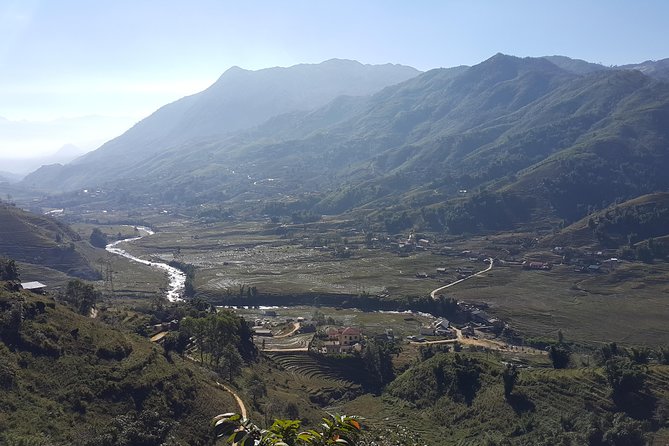
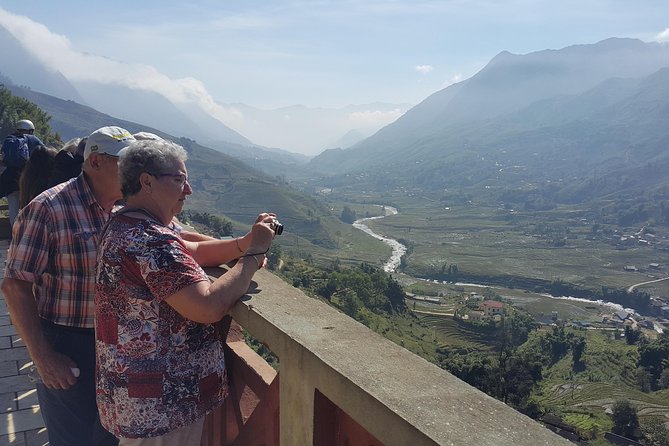
Lao Chai is the first big scene-setter, and it’s not random. You start at a viewpoint area where Lao Chai sits about 6 km from Sapa town, with the viewpoint spot roughly 8 km from town. From up high, you get a broad panorama: the village with terrace fields, the river facing the valley, and steep mountains all around.
This is where the tour’s pacing works well. Instead of walking right away into the cold, you get the view first, then you gradually transition into village time. You’ll learn how Lao Chai connects to Muong Hoa Valley, and you’ll see terrace farming and water features that shape daily life in the region.
What makes this stop special is the human part. Lao Chai is home to Black Hmong families—over 100 families are mentioned for this area—and the vibe is hospitable. You can interact with families and learn about local customs right at the village level, not just from a distance.
A gentle reality check: viewpoint time can be windy and chilly. If you hate cold hands, keep gloves handy. It’s one of those small comfort choices that makes the rest of the day better.
The Ta Van Giay walk: rice terraces, a suspension bridge, and rock carvings
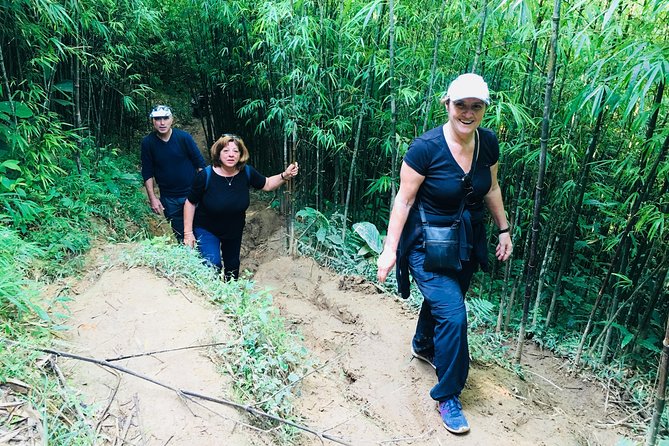
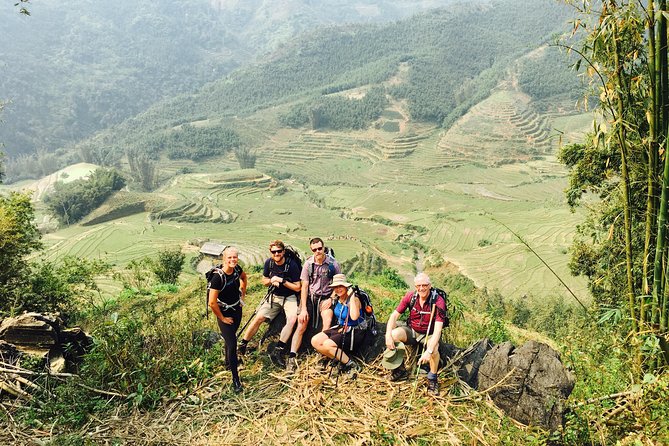
After Lao Chai, you continue through the colorful rhythm of Sapa’s rice terraces and head toward Ta Van, a Giay village. This part of the trek tracks the Muong Hoa River, so you often get movement + water views instead of just uphill and silence.
You’ll cross a small suspension bridge roughly 2 km from the settlement. It’s a fun change of pace. The bridge helps break up the walking and gives you a new angle on the river valley below.
Then comes one of the tour’s most interesting details: rock carvings. You’ll see engravings that depict images of people, stilt houses, and decorative patterns. For many visitors, this is the moment where you realize Sapa isn’t only about scenery—it also holds physical traces of past life in the region.
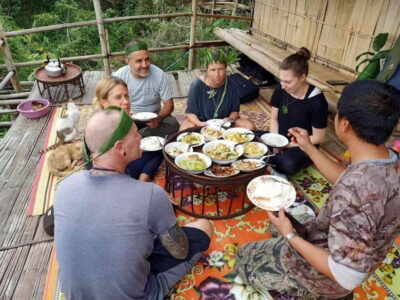
Lunch is included here, and it’s a home-style stop: you’ll eat with typical local food at a home in the village. That’s one of the best “included” items on the whole day because it saves you from hunting for food options mid-trek.
Small drawback to plan for: lunch may not be a fancy restaurant experience. It’s local and straightforward, and it’s timed for the trek schedule. If you’re picky about spice or textures, say something before you sit down, and focus on energy instead of perfection.
Giang Ta Chai and the Red Dao finish: bamboo forest, waterfall rest, uphill return
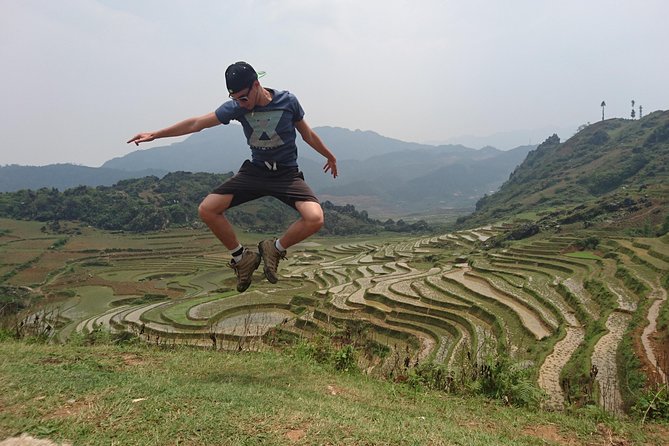
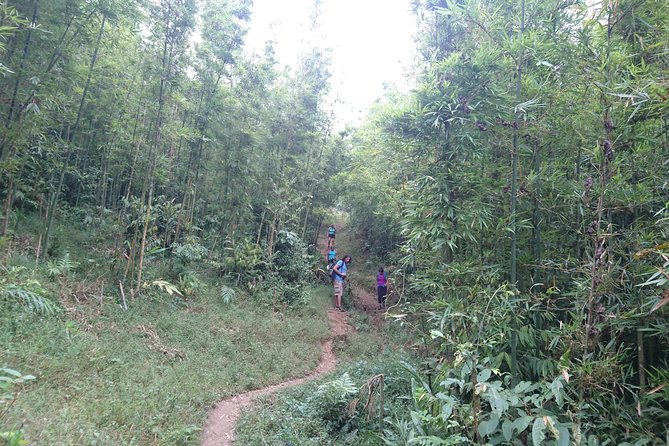
After lunch, the route shifts into a more shaded feel. You’ll walk through a bamboo forest toward Giang Ta Chai, a Red Dao ethnic minority village. Bamboo forest sections are great for a day like this because they give relief from direct cold sun and also break up the terrain visually.
Then you get a rest near a waterfall. It’s not just pretty—it’s a built-in recovery spot. Your legs get a pause, and your brain resets before the uphill section.
From there, the trek climbs uphill to a road where the car is ready to take you back to Sapa. That final climb is the hardest part for many people, mostly because it comes after lunch. The good news: the tour doesn’t leave you guessing. You know the car is waiting, so you can pace yourself instead of wondering how much longer you’ll walk.
If you’re someone who likes a strong finish, this stop delivers. The Red Dao village time plus the waterfall break gives you a sense of variety, not just continuous trudging.
What you get for $45: included food, guide, transport, and fees
For $45 per person, you’re buying more than a route. Here’s what the tour includes:
- Local English-speaking guide
- Lunch
- Bottled water
- Private transportation
- Entrance fees to the indicated sites
In plain terms, that means fewer decisions mid-day. You don’t have to negotiate entrance costs at each stop. You also don’t have to solve the lunch question under time pressure.
You’ll also get pickup offered, and it’s described as a private tour—meaning your group is the only group participating. That tends to make the day less crowded and easier to manage, especially when the weather gets moody.
What’s not included is also important for budgeting:
- Pocket money
- Insurance
- Tip money
- Alcoholic beverages
Tip money is the big wildcard. If you plan to tip, build it into your budget so you’re not reaching into your wallet at the end. Also consider travel insurance if you’re trekking, even at moderate level.
Timing and pacing: how the 6–7 hour day feels in real life
The tour runs about 6 to 7 hours total, with stops that each last around 2 hours. That’s a good structure for a one-day experience because you aren’t constantly running. You get time to look around, talk to people, and take photos without feeling like you’re sprinting.
You’ll likely feel the day in layers:
- Cool morning for viewpoint time
- Steady walking after Lao Chai
- Lunch and a reset in Ta Van
- Bamboo forest plus waterfall rest
- Uphill climb for the car pick-up
Also, the day depends on conditions. If the weather is colder or visibility is lower, you may want to go slower and keep warm. If conditions are better, you can enjoy the views longer. Either way, the schedule is designed to end at a realistic time back in Sapa.
One small clue from past feedback: people liked the buffalo trails. That fits what you might expect on this kind of trekking route—paths that feel like they’ve been used for generations, not only tourist paths. It’s part of the authenticity, but also part of why sensible shoes matter.
Who this one-day trek suits best
This tour fits best if you want culture and scenery without spending multiple days in a hiking plan. You’ll meet and interact with Black Hmong, Giay, and Red Dao communities and see how terrace farming and valley life connect.
It’s a strong match for:
- First-time Sapa visitors who want the essentials fast
- People who like guided context, not just random walking
- Anyone who wants included lunch and straightforward transport
- Small groups or couples who prefer a private feel
It may be less ideal if:
- You dislike climbs or uneven paths
- You’re very sensitive to cold and can’t dress in layers
- You expect a perfectly flat walk with lots of restaurant time
Should you book this Sapa trekking tour?
If you want one day that feels meaningful, this is a solid choice. The best reason to book is the way the day combines viewpoints, river/terrace walking, and village interaction—plus lunch and entrance fees already handled. It’s a good value package at $45 because you’re not paying extra for basic essentials along the way.
The main reason not to book is weather tolerance and physical comfort. Sapa can get cold quickly, and the route includes uphill sections. If you go prepared with layers and shoes, you’ll likely come away with the kind of Sapa memory that isn’t just a photo—it’s the feeling of a real valley day.
If your goal is depth in a short time, book it. If your goal is a relaxed stroll, choose a gentler option.
FAQ
How long is the Sapa Trekking Tour (1 day)?
It lasts about 6 to 7 hours.
How much does the tour cost?
The price is $45 per person.
Does the tour include pickup?
Yes, pickup is offered.
Is this tour private?
Yes, it’s a private tour/activity, and only your group participates.
What villages do you visit in one day?
You visit three villages: Lao Chai, Ta Van, and Giang Ta Chai.
Who will you have a chance to meet?
The tour includes opportunities to meet the Black Hmong, Giay, and Red Dao minority groups.
What’s included in the price?
Included are a local English-speaking guide, lunch, bottled water, private transportation, and entrance fees to the indicated sites.
What’s the cancellation policy?
You can cancel for a full refund up to 24 hours before the experience’s start time (based on local time).