REVIEW · KATHMANDU
Annapurna Circuit Trekking 12 Days
Book on Viator →Operated by Nepal Himalayan Hiker (P) Ltd. · Bookable on Viator
One circuit. Big mountains, early mornings. The Annapurna Circuit is a classic for a reason: the Annapurna massif sits above the clouds, and the region draws serious trekkers for its mix of scenery and real trekking rhythm. I like that this 12-day trek is run by a team that’s been operating in the Himalayas since 2010, and I also like the way your leader handles the small stuff so you can focus on walking and breathing.
What stands out is the combination of professional trek leadership and meal flexibility. In the feedback I saw, Raj was praised for briefing every day’s do’s and don’ts, and for taking care of practical needs like food and stay. A fair consideration: the trek is aimed at people with at least moderate physical fitness, and with a 5:00 am start, you’ll need to be ready for an early, steady routine from day one.
In This Review
- Key Things You’ll Really Notice
- From Thamel at 5:00 am to Pokhara’s Launch Pad
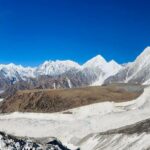
- Mt. Annapurna Is the Center of This Whole Circuit
- A Private Trek with Raj-Style Leadership
- Meals That Keep You Comfortable (Lunch, Dinner, Breakfast Options)
- Timing, Group Size, and What “Private” Means for Your Pace
- Price and Value: What You’re Paying For at $1,179.49
- Who This Annapurna Circuit Trek Fits Best
- Should You Book This 12-Day Annapurna Circuit Trek?
- FAQ
- Where does the trek start?
- What time does the experience start?
- How long is the Annapurna Circuit Trek?
- Is pickup included?
- What meals and drinks are included?
- What is not included in the price?
- What is the cancellation policy?
Key Things You’ll Really Notice
- Raj’s day-by-day planning style: clear guidance on do’s and not-to-dos before you set off each day
- Flexible meal choices: lunch, dinner, and breakfast options, plus coffee or tea included
- Private group format: only your group participates, so the pace and attention stay more personal
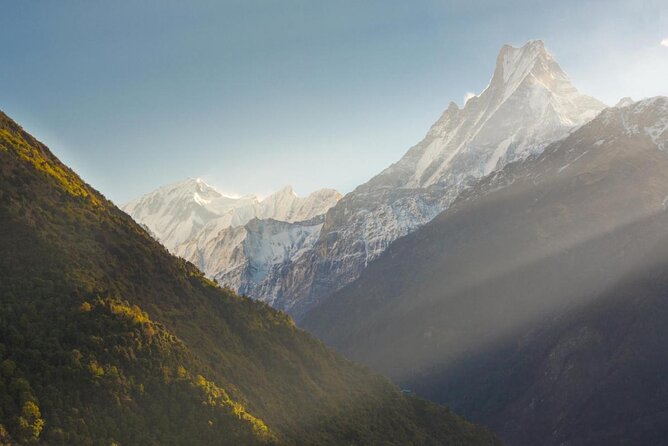
- A classic Annapurna setting: centered on Mt. Annapurna (8,019m / 26,545ft), with big views above clouds
- Kathmandu to Pokhara transfer: a 7–8 hour drive helps get you moving toward the trek base area
From Thamel at 5:00 am to Pokhara’s Launch Pad
Your Annapurna Circuit adventure starts at Thamel Marg in Kathmandu (44600), with a 5:00 am start time. That early start sounds intense, but it’s also practical in Nepal—long drives and a tight schedule mean you get daylight for the journey instead of burning your first day sitting around.
One of the smartest pieces of context here is the route logic: after Kathmandu, you’ll head to Pokhara. The drive is about 7–8 hours, and Pokhara is described as a lakeside city and a go-to staging spot for adventure in Nepal. In plain terms, Pokhara is where the trip starts to feel real. You get that shift from city logistics to trekking prep mode.
This is also where private trekking formats can matter. Because it’s private—only your group—your team can keep the plan moving without the shuffle you sometimes get in shared group setups. If you’re someone who likes order (and who doesn’t want to be waiting while other people hunt for the right gear), this type of structure tends to feel good.
A quick reality check: an early departure means you should keep your morning routine simple. Have what you need ready the night before. Also, plan for hydration and snacks during the transfer; the trek itself is built around walking days, so you want your body ready before you even hit the first trail sections.
You can also read our reviews of more tours and experiences in Kathmandu.
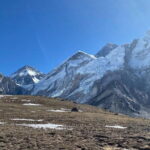
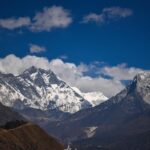
Mt. Annapurna Is the Center of This Whole Circuit
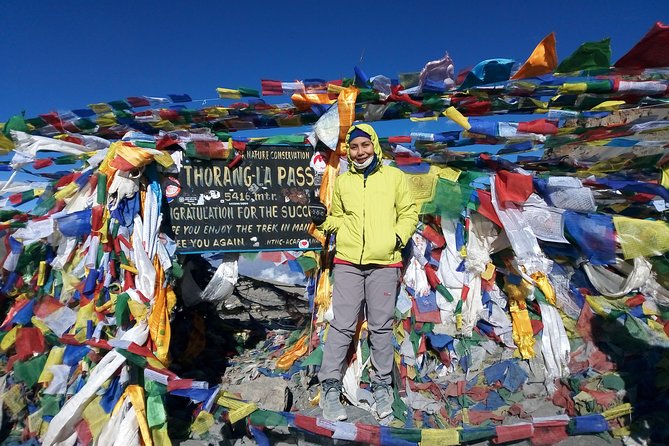
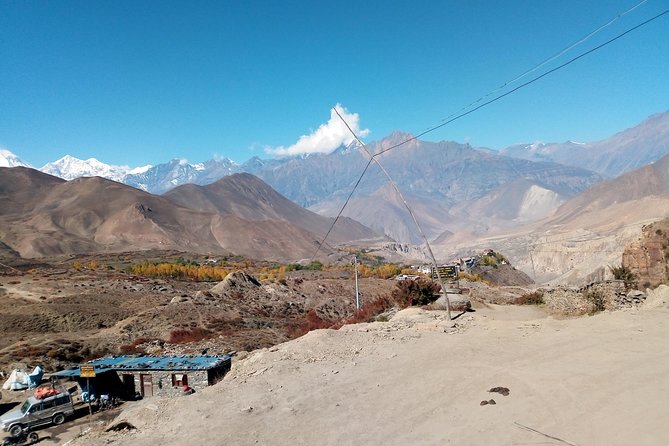
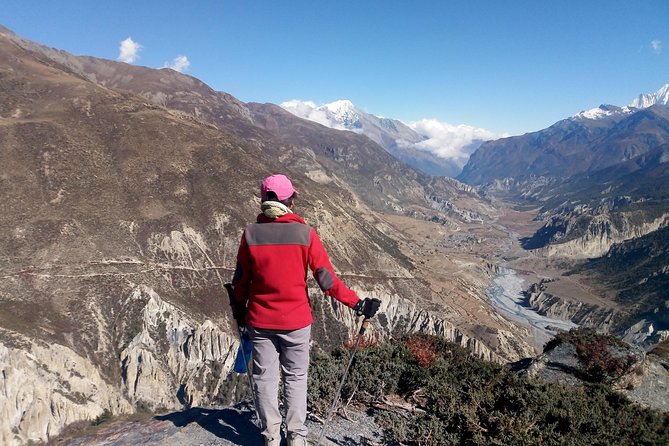
The Annapurna Region is the western Nepal trekking hub, often compared with the Everest Region for its popularity and overall trekking quality. The big headline: more than 100,000 trekkers come to the Annapurna Region every year. That doesn’t automatically mean it’s easy, but it does mean the area is well-known among trekking operators and is set up for repeat visitors.
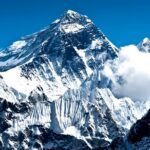
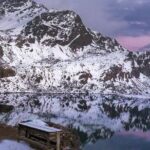
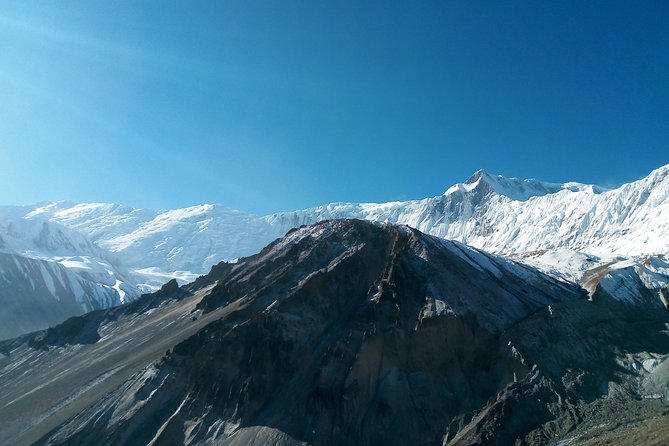
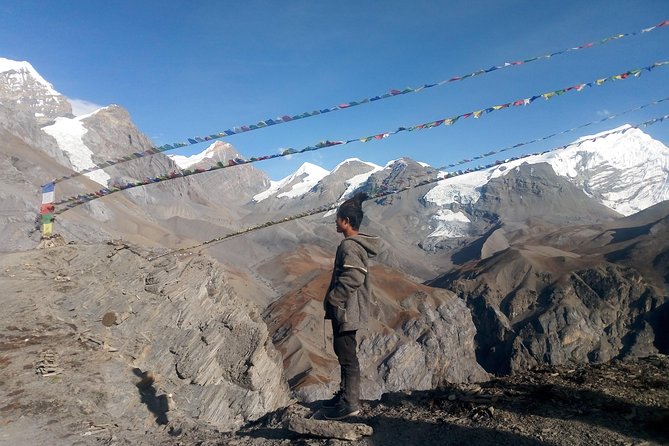
The logic of the circuit is that Mt. Annapurna is the centerpiece. The peak is listed at 8,019m (26,545ft), and it sits high enough that the views can look like they belong to another planet—especially when conditions put you above clouds. Even if you’re not chasing summit height, being in a region defined by that altitude changes how the air and the skyline feel.
Another reason this trek is so widely done is the mix of “big scenery” and “accessible trail routes” relative to other Himalayan options. The info here calls the routes in the Annapurna area relatively easier for trekkers to reach compared with some other famous regions. In practice, that often means you spend more time walking through established trekking country, and less time dealing with major uncertainty.
Also, the Annapurna Circuit name matters because it signals a true circuit experience. You’re not just doing a point-to-point hike. You’re moving through the region in a way that keeps the trek interesting day after day—more variety in what you see, more chances to settle into a rhythm, and a stronger sense of completion when you finish.
If you love classic trekking challenges—steady altitude exposure, long hiking days, and mountain weather shifts—this is one of the most recognizable ways to get them.
A Private Trek with Raj-Style Leadership
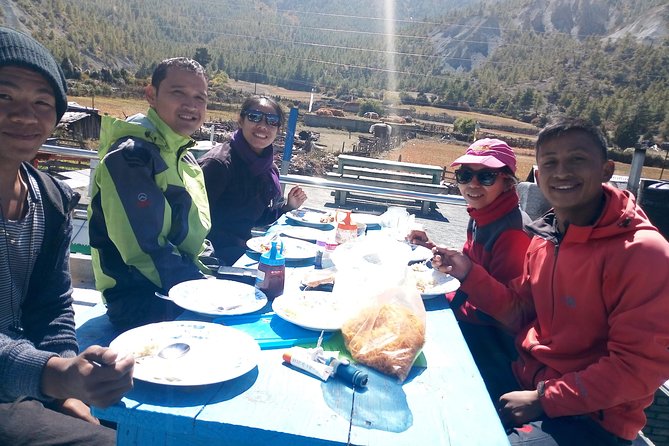
The best trekking days are the ones where nothing important feels mysterious. And that’s where the leadership level shines.
In the feedback you provided, Raj is repeatedly mentioned as an excellent trek leader—kind, warm, and attentive in the way a big brother would be when you’re trying to get through something tough but exciting. The standout detail isn’t just personality. It’s the method: Raj briefs you on every small do and not-to-do before the trek starts each day.
That kind of pre-walk structure matters more than people think. When you know what to expect, you conserve mental energy. You also walk smarter. You’re less likely to get caught off guard by something as simple as timing for meals, water planning, or how to manage your energy during the day. That translates into less stress for you and fewer problems for the team.
Because this is private, you also have a better chance to have your questions answered quickly. If you’re worried about your first high-altitude trek, a confident guide can be the difference between second-guessing every hour and trusting your body’s pace.
So here’s the practical takeaway for you: before you start walking each day, pay attention to the briefing. Don’t treat it like background noise. In the Annapurna Circuit, the day’s plan and small rules can affect comfort, safety, and how you feel at the end of the hike.
Meals That Keep You Comfortable (Lunch, Dinner, Breakfast Options)
This trek includes meals in a way that’s surprisingly helpful: you get lunch (with your choice), dinner (from the menu), breakfast (from the menu), plus coffee and/or tea. That sounds basic, but on a long multi-day trek it matters a lot. Food isn’t just fuel—it’s morale.
The value angle here is simple: when meals are included and customizable, you waste less time negotiating what’s available and you spend more time on your trek. You also get a chance to eat what you want rather than being stuck with one fixed option every day.
You’ll also want to think about what’s not included. Alcoholic beverages are not included, and the info also notes things like mineral water and cold drinks aren’t included. Insurance and other unforeseen expenses aren’t included either. That means you should budget for hydration choices and the extras you personally like after a long day on foot.
One more subtle benefit: having coffee and/or tea included helps you stay consistent. Caffeine can be a comfort thing when the day starts early. And warm drinks help on cold mornings when your body is still waking up.
Practical tip for you: when you choose meals, think like an endurance athlete. Go for what sits well in your stomach and gives you steady energy. On a trek, you’re not just tasting food—you’re trying to keep your legs working for the next day too.
Timing, Group Size, and What “Private” Means for Your Pace
This is listed as a private tour/activity, meaning only your group participates. That single detail changes the whole experience.
In a private format, your team doesn’t need to compromise your pace to coordinate with strangers. That gives you a more natural rhythm. If you like to move steadily and don’t want to keep stopping for regrouping, private tends to feel calmer.
It also helps with daily management. A leader like Raj—praised for detailed daily briefs—can tailor the day’s rules to your group’s needs. That matters if someone in your party has questions, needs reminders about water, or wants reassurance about timing.
The schedule also sets expectations. The start time is 5:00 am, and the overall duration is listed as about 12 days 6 hours 30 minutes. That means you should expect a “travel + trekking” pattern rather than a slow vacation cadence. You’ll be active for most of the days, and the logistics days are built around getting you positioned well.
One consideration: because it’s private and guided, you should come prepared to follow the plan. Private trekking rewards cooperation. If you constantly diverge from the agreed rhythm, the whole system works less smoothly.
If you want a trekking experience that feels organized, guided, and focused on your comfort level, this setup fits that goal.
Price and Value: What You’re Paying For at $1,179.49
The price is listed at $1,179.49 per person. Trekking price tags can feel confusing because they often blend different costs. Here’s a clearer way to judge value using only what’s included.
Your package covers lunch, dinner, and breakfast (with menu choices), plus coffee and/or tea. It also includes pickup and is run by an established operator in the Himalayas since 2010. There’s also private group structure, and the starting point is clearly defined in Kathmandu.
So what are you really buying?
- Less decision fatigue: meals are arranged, so you spend less time figuring out food logistics
- More consistent daily management: a leader who gives structured daily briefings helps you travel with less stress
- A more tailored trek pace: private format reduces interruptions from group coordination
Now, what’s not included affects your final budget. Alcoholic beverages, mineral water, cold drinks, insurance, and unforeseen expenses are not included. That means you should plan for personal spending on top of the listed price if you tend to buy extra drinks or want bottled comfort.
Overall, the value looks strongest for you if you care about guidance quality and want a trek where the fundamentals are handled. If you’re the type who prefers a totally DIY style and already knows how to structure multi-day high-altitude trekking logistics, you might compare alternatives. But if you want fewer unknowns, this package makes practical sense.
Who This Annapurna Circuit Trek Fits Best
Based on what’s provided, this trek fits best if you:
- Have moderate physical fitness and want a structured high-altitude trekking experience
- Prefer a private group where you’re not sharing the day’s rhythm with strangers
- Value clear leadership and practical guidance, like Raj’s do’s and not-to-dos
It’s a strong match for first-timers too—especially if this is your first high-altitude trek in Nepal. The emphasis on briefing and care for comfort addresses the main fear newcomers have: not knowing what to do next.
If you’re an experienced trekker who hates early starts, you might find the 5:00 am timing tough. And if you expect all drinks, bottled water, and insurance to be bundled into the base price, you’ll want to budget accordingly.
The key is honesty with yourself: if your fitness is truly only moderate, go into this with patience. The circuit rewards steady effort more than speed.
Should You Book This 12-Day Annapurna Circuit Trek?
I’d recommend booking if you want a classic Annapurna Circuit experience with the basics handled: meals, a private group format, and leadership that focuses on practical daily guidance. The repeated emphasis on Raj’s day-by-day briefings and responsible care is exactly what you want when conditions can change and your body is doing real work.
Don’t book if you’re looking for a fully self-guided trek, or if you want every extra cost (like insurance and all drinks) included in one flat figure. Also, if early starts ruin your trip mood, plan your expectations around a 5:00 am beginning.
If you’re a planner who likes structure, and you want to walk in the Annapurna Region with confidence, this is a solid option.
FAQ
Where does the trek start?
The meeting point is Thamel Marg, Kathmandu 44600, Nepal.
What time does the experience start?
The start time is listed as 5:00 am.
How long is the Annapurna Circuit Trek?
It’s listed as about 12 days 6 hours 30 minutes.
Is pickup included?
Yes, pickup is offered.
What meals and drinks are included?
Lunch (you choose), dinner (from the menu), breakfast (from the menu), and coffee and/or tea are included.
What is not included in the price?
Alcoholic beverages, price excluding lunch/dinner/bar bill/alcohol, mineral water, cold drinks, and any insurance or unforeseen expenses are not included.
What is the cancellation policy?
Free cancellation is available. You can cancel up to 24 hours in advance for a full refund. If you cancel less than 24 hours before the start time, the amount paid is not refunded.