REVIEW · KATHMANDU
Langtang Trekking
Book on Viator →Operated by Trek Mania Nepal · Bookable on Viator
Langtang mixes mountains, monasteries, and cold-blue lakes. This trek is interesting because you’re not just chasing views: you’ll pair standout Kyanjin Gompa time with the icy air above Gosaikunda Lake, while licensed English-speaking guides like Kumar and Pradip keep Tibetan Buddhism and village life understandable on the move. The route also leans into quieter viewpoints and cultural hamlets in the Northern Himalayas, so you get a real sense of how people live here, not just photos.
One thing to weigh first: the $699 price includes your guide, permits, and an air-conditioned vehicle, but meals and accommodation during the trek are not included, so you’ll still need to budget for day-to-day costs on the trail.
In This Review
- Key Highlights You’ll Care About
- Why This Route Works: Langtang, Gosaikunda, and Chisopani in One Circle
- Getting Started in Kathmandu: the 7:15 am push and included vehicle support
- Kyanjin Ri and Kyanjin Gompa: the big viewpoint-meets-monastery combo
- Sherpa Gaon and Shin Gompa: cultural stops that make the trail feel alive
- Gosaikunda: turquoise lake views and the cold-air feeling you should plan for
- Mangengoth, Mul Kharka, and Chisapani: steadier trekking and smaller payoffs
- Price and Value: what $699 really covers on this 13-day trek
- Guide Quality Matters: the names that come up, and why they signal value
- Pace, Fitness, and Weather: how to prepare without guessing
- What You’ll Miss If You Don’t Pack Smart (and what to bring)
- Should You Book This Langtang Trek with Gosaikunda and Chisapani?
- FAQ
- What does the $699 price include?
- What expenses are not included in the package?
- How long is the trek?
- What time does the experience start?
- Which seasons are best for this trek?
- Is this a private group tour?
Key Highlights You’ll Care About
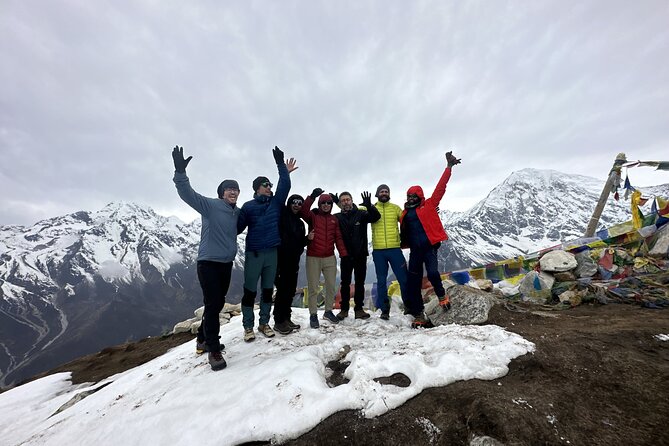
- Kyanjin Gompa at the center of Langtang Valley: a major monastery stop that anchors the cultural side of the hike.
- Kyanjin Ri viewpoint energy: long views over the Langtang range with Ganesh Himal and the Annapurna range showing up along the way.
- Gosaikunda Lake and its siblings: turquoise water, plus that crisp, cold-feeling approach near the lake area.
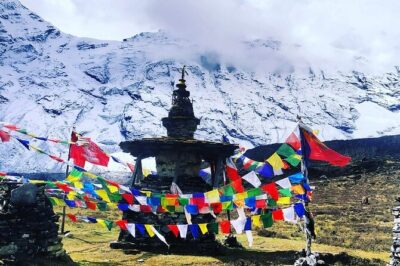
- Shin Gompa and other monasteries: Tibetan Buddhism showing up in the way settlements are organized and explained.
- A private group setup: your group stays together for the experience, not mixed into a crowd.
- Licensed guide and permits included: you get the basics handled, so you can focus on walking and learning.
Why This Route Works: Langtang, Gosaikunda, and Chisopani in One Circle
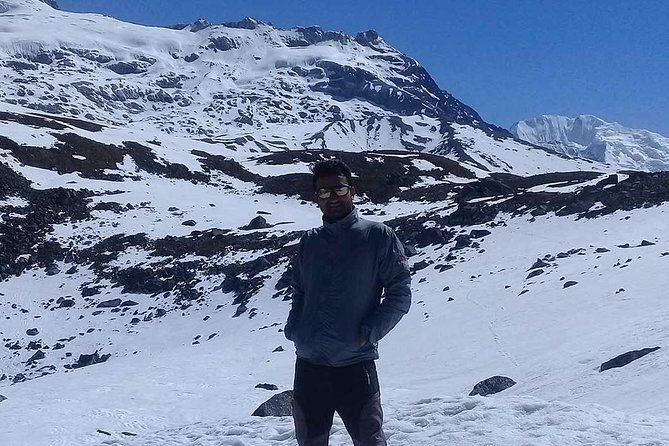
I like that this trek stitches together three different “moods” of the Northern Himalayas. Langtang Valley brings you big mountain presence and monastery culture, Gosaikunda adds the dramatic cold-and-color moment with the turquoise lake, and Chisopani shifts the tone toward a steadier trekking rhythm through hamlets and viewpoints.
You’ll also get a practical mix of scenery types: steep and icy-feeling air around the lake area, ridgeline-style viewpoints (like Kyanjin Ri), and quieter village sections where the conversation with locals actually has room to land. It helps that the emphasis is not only on altitude drama; the trip frames endurance as part of the experience, which is exactly what you’ll be doing anyway for 13 days of long walking.
The cultural piece matters here. Tibetan Buddhism is built into the stops—especially around monastery sites like Kyanjin Gompa and Shin Gompa—so you’re not guessing at what you’re seeing. Even on tougher days, having someone explain the meaning behind a gompa, a village layout, or a trail tradition keeps the hike from feeling like just effort.
You can also read our reviews of more tours and experiences in Kathmandu.
Getting Started in Kathmandu: the 7:15 am push and included vehicle support
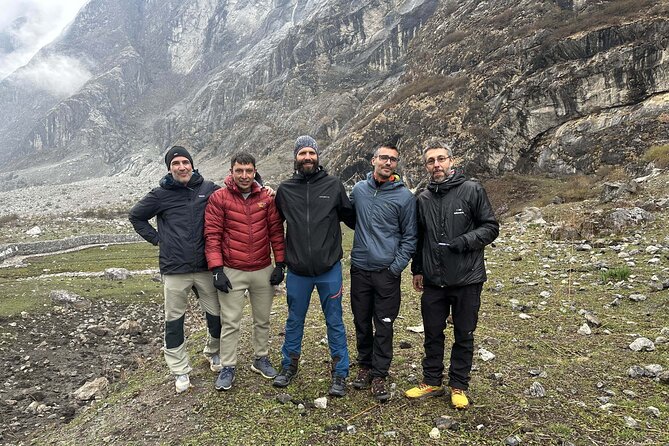
This trip starts with a 7:15 am start time in Kathmandu. That early kick matters for trekkers because it sets a calmer pace for the rest of the day and helps you avoid the feeling of rushing later when you’re already tired.
What I like on the logistics side is that you get an air-conditioned vehicle as part of the included features. You’re spending time moving between Kathmandu and the trekking start context, and it’s a small comfort that can make a difference—especially if your arrival day left you groggy.
Permits are included, too. That’s not glamorous, but it removes a common headache. You can focus on being prepared with the right gear and fitness instead of worrying whether paperwork is sorted at the last minute.
Kyanjin Ri and Kyanjin Gompa: the big viewpoint-meets-monastery combo
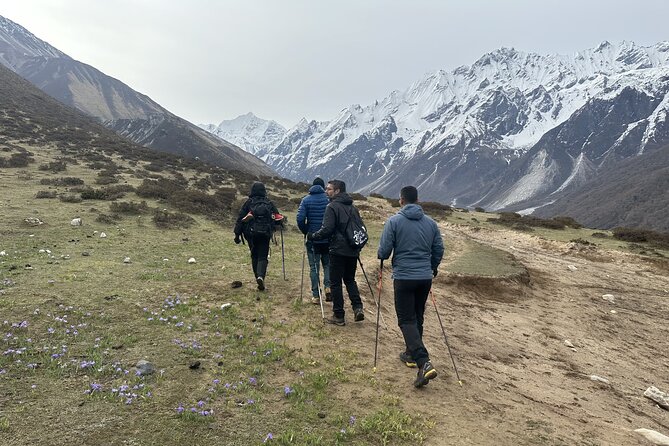
If you’re the type who wants one or two “centerpiece” days, this portion does the job. The route highlights Kyanjin Ri for incredible views, and it then ties right into Kyanjin Gompa, described as the largest monastery of the Langtang valley.
What makes that pairing work is contrast. A viewpoint day is about readjusting your sense of scale—Langtang range peaks feel massive, and you get that wide horizon where Ganesh Himal and the Annapurna range can enter the frame. Then you switch from sweeping distance to something human-scale: monastery life, local explanation, and the cultural meaning of the place. That swing keeps the days from blending into one long grind.
A practical consideration: viewpoint time often means cold air and wind exposure. Even without getting into numbers, plan for weather changes. Bring layers you can actually manage when you’re stopping for photos and then moving again. The best photos usually come when you’re comfortable enough to stay still for a few minutes.
Sherpa Gaon and Shin Gompa: cultural stops that make the trail feel alive
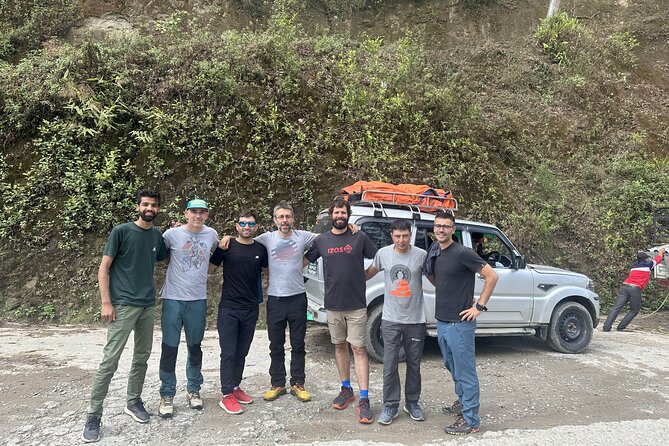
Langtang is a cultural trek as much as it is a trekking trek. The route includes Sherpa Gaon and Shin Gompa, so you’re not only passing through settlements—you’re also getting time to understand what you’re seeing.
This is where a good guide pays off. In the feedback you’ll see names like Pradip and Kumar stand out for explaining landscape and cultural sites, and that’s a big deal on a trip like this. Without that context, monasteries can blur together. With it, you start noticing patterns: how people orient structures, how daily life relates to religious landmarks, and why certain places matter.
You’ll also likely find conversations with locals more natural on these segments. The trek is built around classic settlements where traditions are still part of everyday rhythm, which gives you a chance to slow down. If you enjoy people-based travel—asking simple questions, listening more than talking—this part is often the most satisfying.
Gosaikunda: turquoise lake views and the cold-air feeling you should plan for
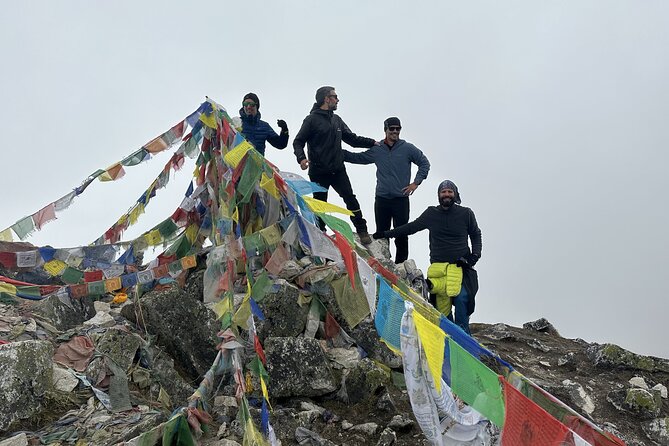
This is the star stop on many treks for good reason: the route centers Gosaikunda and also includes the lake’s siblings. The description calls out the surreal turquoise lake, plus the icy air above the lake area. That mix is exactly what you’re likely chasing—scenery that feels unreal, paired with weather that reminds you you’re high in the mountains.
How to think about this day or days: don’t treat it as only a photo stop. Treat it as a “body temperature management” section. You’ll be walking, stopping, and probably waiting a little while for conditions to feel right. If you’re under-layered, the cold can turn a scenic moment into an energy drain.
Another practical point: because snacks and bottled water aren’t listed as included, you’ll want to plan for hydration and small energy boosts. You can’t always rely on the trail to solve your needs instantly. Bring what you can carry comfortably and talk with your guide about the best way to handle water and pacing around the lake area.
Mangengoth, Mul Kharka, and Chisapani: steadier trekking and smaller payoffs
After the peak moments, the trek continues through sections like Mangengoth, Mul Kharka, and ends up at Chisapani. These stops matter because they keep the trek from being all drama, all the time. Instead you get a steady rhythm of walking through mountain country and spending time in places that feel more lived-in than postcard.
I like this kind of structure for long trips. When your route includes at least a couple of high-emotion highlights (Kyanjin Ri, Kyanjin Gompa, Gosaikunda), the later sections feel more sustainable. They give your legs time to settle into a groove. They also let you appreciate smaller details—views that are narrower but clearer, hamlet life that’s quieter but still meaningful.
One consideration: you may find these stretches more tiring than expected simply because your mind is still chasing earlier highlights. This is where discipline helps. Keep your pace realistic, take breaks before you’re exhausted, and use the guide’s cultural explanations to keep your brain engaged even on the quieter walking days.
Price and Value: what $699 really covers on this 13-day trek
Let’s talk value plainly. At $699 per person, this package includes an English-speaking trekking guide (licensed by the government), permits, and an air-conditioned vehicle. That’s the core cost of running the trek and handling the paperwork side.
What it does not include is a lot of daily life costs that add up on any Himalayan trek: lunch, dinner, and breakfast are not included, and accommodation during the trek is also not included. Snacks and bottled water are not included either, and coffee/tea and alcoholic beverages also aren’t listed as included. You’ll also need to budget for Nepal visa fee, international flights, travel insurance, and tips for guide and porters.
So the value equation looks like this: you’re paying for guidance + permits + transport support, and you’re separately covering the day-to-day trail spending. If you’re comfortable managing that extra budget, this can feel like a good deal, especially if you want a well-organized route with strong cultural interpretation.
If you prefer a fully packaged price with meals and lodging handled end-to-end, this might feel incomplete. In that case, ask your operator clearly what’s planned for accommodation style and meal options during the trek days, and what your realistic daily spend will be.
Guide Quality Matters: the names that come up, and why they signal value
The guides are a huge part of why this trek earns top marks. Names that stand out include Kumar and Pradip, both praised for being experienced, friendly, and consistent, with Kumar described as funny and upbeat and Pradip noted for explaining landscape and cultural sites and for taking nice photos.
The organization side also shows up through names like Devaraj, who is described as coordinating the trip well, and Pralad and Sunil (a porter) for patience and support on shorter treks. Even if your exact team varies by departure, these names are a useful hint: you’ll want a guide who can mix practical navigation with cultural context, and ideally someone who helps you get photos without turning every stop into a rush.
Practical takeaway for you: when you’re booking, look for an operator that communicates clearly, includes a licensed English-speaking guide, and assigns guides thoughtfully. On a route mixing monasteries, lake areas, and long walking days, the guide’s role is not optional. It’s what turns effort into understanding.
Pace, Fitness, and Weather: how to prepare without guessing
This trek is listed for people with moderate physical fitness who can walk for long hours. That means you should expect sustained effort rather than short bursts. If you train for endurance—brisk walking, stairs, and long-slow sessions—you’ll likely feel more in control once the days stack up.
Season choice is another big factor. It can be done in any season except winter. Monsoon is not so good, but trekking is possible. Spring and autumn are best seasons for this kind of trip, mainly because conditions tend to be more comfortable for visibility and footing.
Cold planning is key around Gosaikunda. The trip specifically calls out the icy air above the lake area. Even if the daytime sun helps, mornings and wind can bite. Bring layers, a hat or hood you can tolerate on the move, and gloves if you get cold easily.
What You’ll Miss If You Don’t Pack Smart (and what to bring)
Since meals, snacks, and bottled water aren’t included, your comfort depends on how you handle small needs between bigger stops. I recommend thinking in systems, not in one-off decisions: hydration plan, calorie plan, and warmth plan.
- For warmth: pack layers you can adjust quickly when you stop for monastery visits or viewpoints.
- For food: consider what you’ll eat on trekking days if lunch and dinner timing doesn’t fit your preferences.
- For comfort: you’ll be walking for 13 days, so take blisters seriously from day one.
Also, expect you’ll want lots of photos. The route includes famous monastery structures and wide viewpoints like Kyanjin Ri, plus the turquoise lake at Gosaikunda. A camera plan helps: keep batteries warm, store gear dry, and don’t let rain or wind steal your best minutes.
Should You Book This Langtang Trek with Gosaikunda and Chisapani?
Book it if you want a trek that mixes serious mountain scenery with real cultural stops—especially monastery time at places like Kyanjin Gompa and Shin Gompa, and the lake moment at Gosaikunda. It’s also a good pick if you value organization and guide support, since the included licensed English-speaking guide and permits reduce stress.
I’d pause and ask more questions before booking if you’re hoping for a fully all-inclusive price. Since lunch, dinner, breakfast, trek accommodation, snacks, and bottled water aren’t included, your final trip cost will be higher than the headline $699. Also note the season caveat: winter is off, monsoon is not so good (though trekking is still possible).
If you’re the kind of traveler who likes learning while walking—asking about Tibetan Buddhism, noticing how villages live around gompas, and earning your viewpoint photos—this route can feel like the right kind of challenging. Get your packing and daily budget sorted, and you’ll have the freedom to enjoy the best parts instead of worrying about logistics mid-trek.
FAQ
What does the $699 price include?
The price includes an English speaking trekking guide licensed by Government, permits, and an air-conditioned vehicle, with pickup offered and a mobile ticket included.
What expenses are not included in the package?
Lunch, dinner, and breakfast are not included, along with accommodation during the trek, snacks, bottled water, and coffee or tea. The package also lists visa fees, international flight tickets, travel insurance, tips for guide and porters, and alcoholic beverages as not included.
How long is the trek?
The duration is 13 days approximately.
What time does the experience start?
The start time is 7:15 am.
Which seasons are best for this trek?
It can be done in any season except winter. Monsoon is not so good but trekking is possible, while spring and autumn are described as the best seasons.
Is this a private group tour?
Yes. It’s a private tour/activity, and only your group participates.