REVIEW · POKHARA
7 Days Annapurna Base Camp Trek from Pokhara
Book on Viator →Operated by Swami Narayan Travels Pvt Ltd · Bookable on Viator
High mountains meet village life on this trek. The 7 Days Annapurna Base Camp route from Pokhara is popular for a reason: you move through Gurung countryside, cross suspension-bridge scenery, and end at base camp at around 4,130–4,310 meters, depending on where you measure from.
I like that the support feels personal, not just logistical. You’ll get an English-speaking trekking guide, and multiple team members are highlighted in the feedback—owner Mr. Saroj for organization and support, and guide Mr. Krishna for kind, on-trail help and a steady presence.
The main thing to watch is cost beyond the package. Meals and personal expenses aren’t included, and rescue costs in an emergency are also on you, so you’ll want to budget for that. You’ll also want solid physical fitness, because this is real trekking, not a stroll.
In This Review
- Key highlights worth knowing
- The Annapurna Base Camp trek: what makes this route special
- Price and logistics: what your $287.92 really buys
- Your guide and the team: what great support looks like
- Day-by-day: from Nayapul to Ghandruk, Sanctuary, and Base Camp
- Day 1: Pokhara to Nayapul, then up to Ghandruk (about 7.5 hours total)
- Day 2: Chhomrong comes next (about 6 hours trekking)
- Day 3: Annapurna Sanctuary day (about 7 hours)
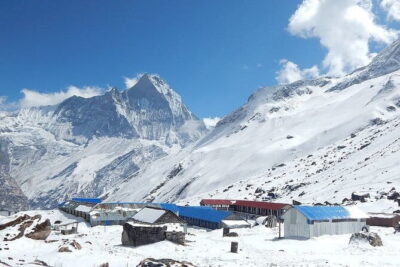
- Day 4: Machhapuchhare Base Camp, then Annapurna Base Camp (about 7 hours total)
- Day 5: Trek down to Bamboo (about 6 hours)
- Day 6: Ghandruk and hot springs (about 4 hours)
- Day 7: Phedi Khola to Pokhara (about 4.75 hours total with a drive)
- What’s included on the trail (and what you’ll plan for yourself)
- Who this trek is best for
- Small considerations that can shape your experience
- Should you book this Annapurna Base Camp trek?
- FAQ
- What is the duration of the Annapurna Base Camp trek?
- Where does the trek start?
- Is hotel pickup and drop-off included?
- Are trekking permits and TIMS card included?
- What kind of guide do I get?
- Is accommodation provided during the trek?
- Are meals included in the price?
- What about rescue costs in an emergency?
- Is this a private trip?
- What is the cancellation policy?
Key highlights worth knowing
- Private car transfers for the driving sections, so you’re not piecing together rides
- TIMS card + trekking permit included, which saves you time and paperwork
- Guest house accommodation each night, with local trekking-circuit comforts
- Village scenery in Ghandruk and Chhomrong, plus Gurung culture along the way
- Hot springs option at Ghandruk, a nice recovery moment mid-trek
- Base camp altitude payoff in the ~4,130–4,310 meter range
The Annapurna Base Camp trek: what makes this route special
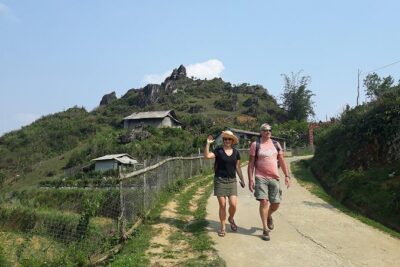
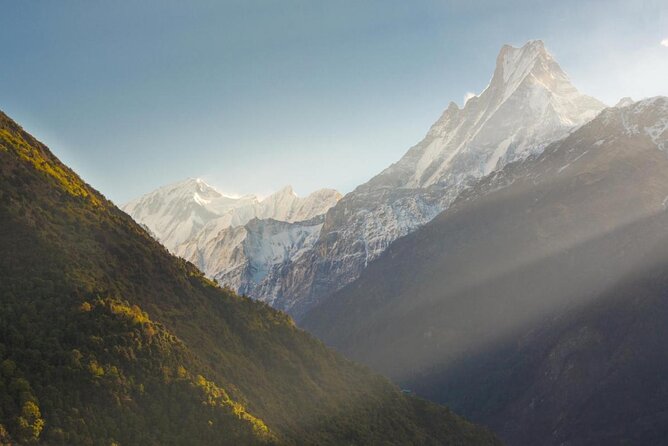
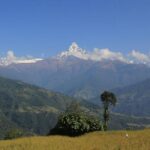
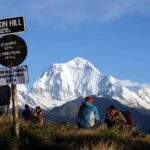
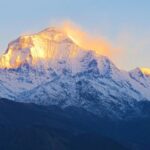
Annapurna Base Camp is famous because it’s not just one big view at the end. The route mixes several kinds of trekking moments: village lanes, wooded sections, and the classic dramatic mountain framing you came for. You start in the lower-lying Pokhara area, then gradually work your way uphill through communities and landscape that feel distinctly Nepal—especially around the Gurung villages on the way.
One thing I really like about this particular 7-day structure is that it hits the “headline stops” without trying to cram in an impossible daily grind. You’re given clear trekking segments each day, plus shorter drive days where you can breathe and get oriented. That matters because trekking success is often about consistency, not heroics.
Also, the trekking “extras” are part of the appeal. The overview calls out suspension bridge scenery and forests, which are exactly the kinds of small surprises that make a trail feel like a journey rather than a checklist.
You can also read our reviews of more tours and experiences in Pokhara.
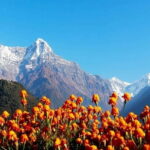
Price and logistics: what your $287.92 really buys
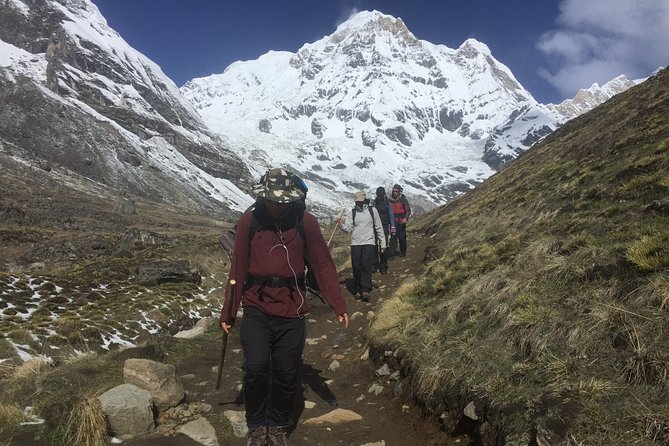
At about $287.92 per person, this package is positioned as solid value because it covers the pieces you’d otherwise have to arrange separately. You’re not just buying a guide for the mountains—you’re also getting the basics that reduce friction on both ends.
Here’s what you’re covered for:
- Hotel pickup and drop-off (Pokhara start and end)
- Round-trip transfer with a private car as per the itinerary
- Trekking permit and TIMS card
- English-speaking trekking guide
- Guest house accommodation
- Private trip (only your group participates)
What’s not covered:
- All meals and personal expenses
- Rescue costs in an emergency
- Gratitude (optional)
So the value comes from smoothing out the hardest-to-manage parts: permits, guide language support, and transportation timing. The trade-off is that you still have trekking-day meals to figure out. If you’ve never done Nepal trekking before, it’s smart to treat meals as an additional budget line from the start, not an afterthought.
Your guide and the team: what great support looks like
This is the kind of trek where your guide can quietly make or break your experience. In the feedback, Mr. Saroj is mentioned for top-tier organization and care—arranging transportation and making sure things run well. The guide side also pops up clearly: Mr. Krishna is described as supportive and kind, with help that made base camp feel achievable.
One particularly fun theme in the accounts is the energy on the trail. The guidance style described includes lots of dance breaks while hiking up and down. That might sound small, but it’s actually a big deal on a long trek. When your day feels heavy, brief levity helps you keep moving with better spirits.
If you care about more than just route-following—if you want someone who’s practical, caring, and ready to keep your group on track—this kind of team emphasis is a strong sign.
Day-by-day: from Nayapul to Ghandruk, Sanctuary, and Base Camp
Day 1: Pokhara to Nayapul, then up to Ghandruk (about 7.5 hours total)
You begin with a drive from Pokhara to Nayapul (about 1 hour 30 minutes). Nayapul is where the walking rhythm starts. Then it’s a trek up to Ghandruk that takes about 6 hours.
Why Ghandruk is a great first trekking target: it’s a classic stop on this route because it lands you in a village setting where you can already feel the Himalayan trekking world. Your body also gets its first taste of uphill movement without jumping straight into the most intense days.
What to consider: that first day is a long hiking stretch after a drive. If you’re coming from Pokhara without much trekking warm-up, take it steady early. The point is to arrive at a village day-one with energy left for dinner and sleep.
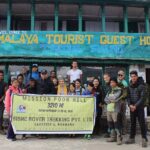
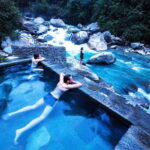
Day 2: Chhomrong comes next (about 6 hours trekking)
Today you trek to Chhomrong, with about 6 hours on the trail.
Chhomrong matters because it’s one of those key “middle-of-the-journey” anchors. By the time you reach it, you’ve moved deeper into the trekking corridor and your altitude sense starts to sharpen. It also helps set up the longer, more iconic mountain-zone walking that follows.
Potential drawback: this is still a solid trekking day. If you feel any altitude sensitivity, you’ll want to keep your pace calm and let your breathing settle as you walk.
Day 3: Annapurna Sanctuary day (about 7 hours)
You trek toward the Annapurna Sanctuary, with about 7 hours of walking, ending at Himalaya according to the itinerary outline.
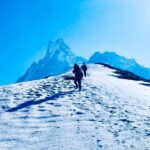
This day is the turning point from “village trek” toward “mountain trek.” The Sanctuary is where the scenery tends to feel more enclosed and serious, and that shift is often why people remember Annapurna Base Camp after everything else blends together.
Possible consideration: 7 hours is a long day on tired legs, especially after Day 2. The upside is that the itinerary is building you toward the big mountain experiences that are coming.
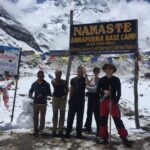
Day 4: Machhapuchhare Base Camp, then Annapurna Base Camp (about 7 hours total)
Day 4 is two parts:
- Trek to Machhapuchhre Base Camp (about 5 hours)
- Then reach Annapurna Base Camp (about 2 hours)
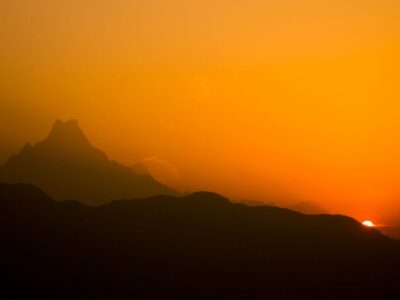
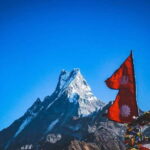
This is a smart routing choice. Instead of rushing directly to base camp, you add a dramatic side highlight—Machhapuchhare Base Camp—and then continue on to the main event.
Why it works for most hikers: you get a major moment, then a second payoff. That reduces the chance that one long summit push becomes too demoralizing. It’s also easier mentally because your day has built-in milestones.
What to watch: it’s still a full trekking day, even though the second leg is shorter. Base camp is the finish you’re working for, so plan to keep your energy controlled for the final stretch.
Day 5: Trek down to Bamboo (about 6 hours)
You trek down to Bamboo, about 6 hours.
A down day is not “easy,” but it is often a relief. Moving downward gives your body a different kind of work—less ascent pressure, more careful foot placement. It also gives you a chance to reset slightly after the base camp peak day.
This is also a day where the trail can feel more like a journey through ecosystems. The overview notes forests as part of the experience, and days like this often contain that kind of walking feel.
Day 6: Ghandruk and hot springs (about 4 hours)
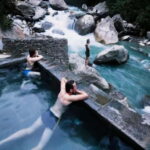
Today you trek to Ghandruk, and you also get the option to go to hot springs. The itinerary notes about 4 hours trekking.
This is one of the most enjoyable practical moments in the plan. After several days of stepping over uneven ground, a hot bath is a real morale booster. Even if you don’t spend long there, it’s a great chance to treat recovery as part of the itinerary—not something you postpone until you get home.
Consideration: hot springs can be a time sink if you linger. Use it as a recovery tool, but don’t let it steal your dinner and rest plans.
Day 7: Phedi Khola to Pokhara (about 4.75 hours total with a drive)
You trek down to Phedi (about 4 hours), then take a drive from Phedi to Pokhara. That transfer is about 45 minutes, and you’re taken back to your hotel. Trip end.
This is the classic finishing rhythm: a final descent, then a comfortable return to the city. It also helps you process what you just did while you’re still fresh—rather than immediately crashing into airport planning or long travel days.
What’s included on the trail (and what you’ll plan for yourself)
This trek is set up so you’re not juggling essential items while you’re tired.
Included:
- Trekking permit and TIMS card
- English speaking trekking guide
- Guest house accommodation
- Pickup and drop-off, plus private car transfers for the driving segments
Not included:
- Meals
- Personal expenses
- Rescue cost if something goes wrong
- Gratitude is optional
A practical takeaway: when you budget, don’t only budget for the trek price. Plan for meals every day plus any extra costs that come up personally. The package structure is good at handling the mountain-side essentials, but it’s not a full-board package.
Who this trek is best for
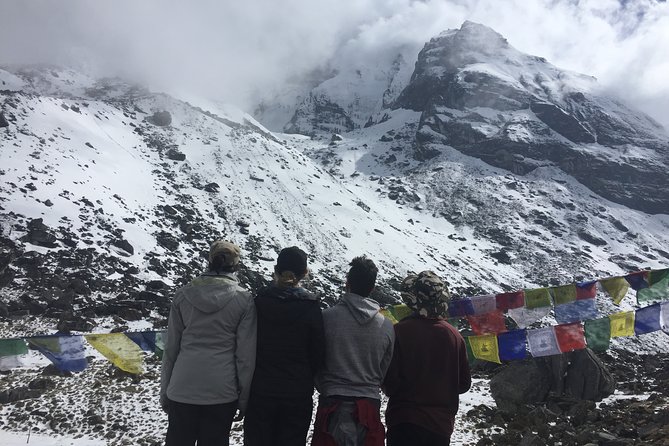
You’ll get the most from this Annapurna Base Camp experience if you meet two conditions:
- You have strong physical fitness, because the daily trekking blocks include 6–7 hour hiking days.
- You prefer a setup with real support—a guide, permits, accommodation, and transfers handled—rather than improvising those parts alone.
It also suits you if you want authentic trail life. The route is built around Nepal trekking culture: Gurung villages, suspension-bridge scenery, forests, and base camp as the headline reward.
If you’re traveling as a group, the private trip setup can feel especially comfortable because only your group participates. You won’t have to match your pace to strangers.
Small considerations that can shape your experience
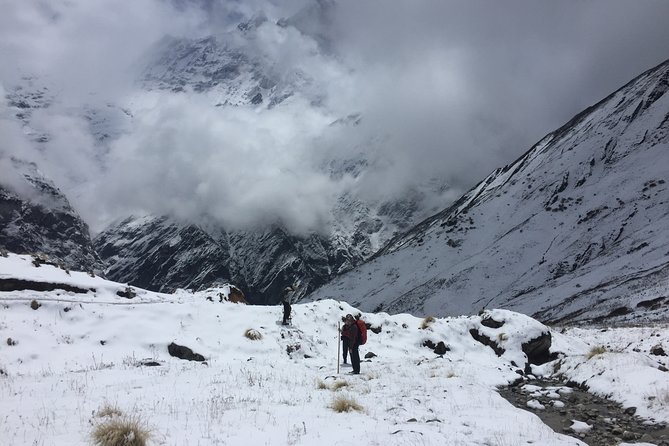
A trek like this is intense, so a few practical realities matter:
- Meals aren’t included, so your daily comfort and energy depend on what you choose to eat and how you budget.
- Rescue costs aren’t covered, which is why physical preparedness is not optional.
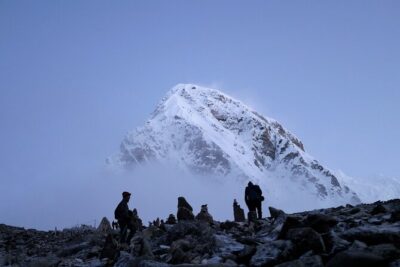
- The base camp payoff is high altitude (reports place it around 4,130–4,310 meters). If altitude affects you, go slow and treat each day as work, not a race.
The good news: the trek’s structure—drives mixed with hiking, and guest house nights—reduces the uncertainty that can make high-altitude trekking more stressful.
Should you book this Annapurna Base Camp trek?
If you want a straightforward, supported way to do Annapurna Base Camp from Pokhara, this is an easy yes to consider. The combination of permit + TIMS, an English-speaking guide, guest house accommodation, and private car transfers removes a lot of hassle. The feedback also puts clear weight on the team: Mr. Saroj for organization and support, and Mr. Krishna for caring guide work and a positive trail mood.
I’d say book it if:
- You’re fit enough for several 6–7 hour trekking days
- You’re happy planning your own meals budget
- You want the comfort of a private group experience without DIY logistics
Skip or rethink it if:
- You want meals and emergency costs fully covered in the package price
- You aren’t confident in your ability to handle sustained trekking
If you’re prepared, this trek is a memorable arc: villages and bridges early, sanctuary and peaks in the middle, then the relief of hot springs and a smooth return to Pokhara.
FAQ
What is the duration of the Annapurna Base Camp trek?
It’s listed as about 7 days (approx.).
Where does the trek start?
The trek starts in Pokhara, Nepal, with pickup and a drive to Nayapul on Day 1.
Is hotel pickup and drop-off included?
Yes. Hotel pickup and drop-off are included.
Are trekking permits and TIMS card included?
Yes. Trekking permit and TIMS card are included.
What kind of guide do I get?
You get an English speaking trekking guide.
Is accommodation provided during the trek?
Yes. Accommodation is included in guest houses.
Are meals included in the price?
No. All meals and personal expenses are not included.
What about rescue costs in an emergency?
Rescue costs in case of an emergency are not included.
Is this a private trip?
Yes. It’s described as a private tour/activity, and only your group will participate.
What is the cancellation policy?
Free cancellation is available. You can cancel up to 24 hours in advance for a full refund. If you cancel less than 24 hours before, you don’t get a refund.