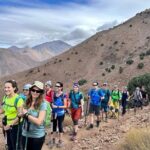
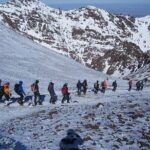
Toubkal in two days? It’s a big plan with tight timing. This trek packs the key Atlas Mountains highlights into a very doable 36-ish hour window, with a professional guide, included meals, and an overnight in a mountain refuge. I really liked the 8:00 am pickup from your Marrakech hotel and the smooth, organized transfer to Imlil, and I also liked how the guiding feels hands-on and practical. The one real catch: you start early (and you’ll be walking uphill a lot), so if you hate mornings or steep grades, you’ll feel it.
On day 2, I love the way the schedule is built around daylight: breakfast at 5:00 am, an early start at 5:30 am, then a steady climb that gives you time for the summit rest before heading back down. You also get simple fuel along the way (nuts, oranges, and water), which makes the long day feel manageable rather than chaotic. If there’s a drawback, it’s that this experience needs good weather, so you should be ready for possible date changes.
In This Review
- The Most Useful Highlights in One Glance
- Two Days to Mount Toubkal: What You’re Signing Up For
- Marrakech to Imlil: Leaving on Purpose at 8:00 am
- Day 1 Route Details: From Imlil Toward the Refuge
- Overnight in a Comfortable Refuge (and Possible Summer Tents)
- Day 2 Summit Plan: Breakfast at 5:00 am and Climb at 5:30 am
- Food and Comfort: What the Included Meals Actually Solve
- Guides and Drivers: Why Smooth Logistics Matter on Toubkal
- Price and Value: Is $128.55 a Good Deal?
- Who This Trek Fits Best (and Who Might Feel Rushed)
- Gear Tips: What to Bring (and What You Can Rent)
- Weather Matters: The One Thing That Can Change Your Dates
- Quick Practical FAQ Before You Go
- FAQ
- What time does the trek start from Marrakech?
- How long is the trek?
- How far is Imlil from Marrakech?
- What’s included in the price?
- Do we get lunch on both days?
- Where do we sleep overnight?
- When does the summit climb start on day 2?
- Can I rent hiking equipment if I don’t have any?
- How many people are in the group?
- Should You Book This 2-Day Toubkal Trek?
The Most Useful Highlights in One Glance
- 8:00 am start from Marrakech with pickup, so you don’t burn time figuring out transport
- Imlil (1740 m) setting in the Atlas foothills, a classic staging point for Toubkal treks
- Refuge overnight with dinner included, plus an option for tents in summer months
- 5:00 am breakfast and 5:30 am ascent for a summit push while conditions are best
- Small group size (max 10), which keeps the pace more controlled and communication easier
Two Days to Mount Toubkal: What You’re Signing Up For
Mount Toubkal is Morocco’s highest peak, and this trek is designed like a mission: short distance in calendar time, but real altitude and real effort on foot. You’re not doing a slow, wandering hike. You’re doing a focused route with a clear goal—summit, photos, then descent.
The value here is that the tough parts are handled for you. You get a professional mountain guide, an overnight stay in a comfortable refuge, and meals planned around the climbs. That matters because on Toubkal, the difference between tiring and miserable often comes down to logistics: when you eat, where you sleep, and whether someone keeps the timing straight.
You can also read our reviews of more tours and experiences in Marrakech.

Marrakech to Imlil: Leaving on Purpose at 8:00 am
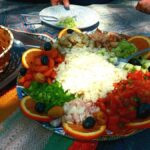
Your day 1 begins with pickup. The start time is 8:00 am, and the plan calls for leaving at that time “sharp,” so don’t schedule anything tight the night before. A big practical win is the use of an air-conditioned, comfortable car for the ride up from Marrakech.
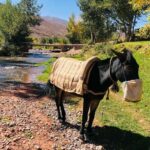
Imlil is the main jumping-off point for Toubkal treks. It sits about 65 km (40 miles) south of Marrakech in the Atlas foothills, at roughly 1740 meters (5,700 feet). Even before you start climbing, you’ll feel you’re in a mountain setting, not a city day trip.
You’ll also pass the mountain shrine of Sidi Chamharouch. That’s a small moment, but it adds meaning to the walk. In the Atlas, local sites like shrines are part of how people map the mountains in their own way, and you’ll typically get a better sense of that when your guide explains what you’re seeing.
Day 1 Route Details: From Imlil Toward the Refuge
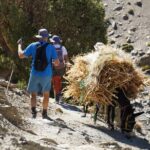
Day 1 is about moving from foothills into real altitude, then settling in for the night. The itinerary has you starting from Marrakech, reaching Imlil, and then hiking upward through mountain terrain toward a refuge at about 10,500 feet.
You’ll have a picnic lunch prepared beforehand by a cook, with a break before continuing upward. This is the kind of detail that sounds small until you’ve hiked for hours and you’re hungry. A planned lunch prevents the common mistake—eating too late or too lightly—then arriving at the refuge with energy completely drained.
One thing to notice: the itinerary mentions you’ll be “well over 8,000 feet” and within distance of your mountain hut as you go. That’s a key clue about the day’s shape. You’re not doing a flat warm-up. You’re climbing from early on, so bring a steady pace mindset rather than a push-fast mindset.
What you should keep in mind on day 1: the goal isn’t max effort. It’s positioning yourself for the summit day. If you go out too hard on day 1, you’ll feel it the next morning.
Overnight in a Comfortable Refuge (and Possible Summer Tents)
Your overnight stay is one of the reasons this 2-day format feels realistic. Instead of sleeping rough, you’re lodged in a refuge with dinner included.
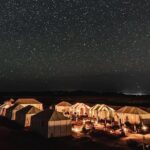
In the summer months, there may be an option to sleep in tents at night. That can be fun if you like starry skies and don’t mind less “room comfort.” If you prefer a more sheltered setup, ask your guide what the overnight arrangement is for your specific date and season.
A practical note from the on-the-ground experience shared by past participants: the shelter tends to provide bedding/blankets, and you might not need a sleeping bag. I’d still treat that as “likely, not guaranteed.” If you’re a light sleeper or feel cold easily at altitude, pack like you’ll need more warmth.
Day 2 Summit Plan: Breakfast at 5:00 am and Climb at 5:30 am
Day 2 is the big day, built around a very specific rhythm. Breakfast is served at 5:00 am, and the ascent begins around 5:30 am. The reason for the early start is simple: you need daylight, stable walking conditions, and enough time to summit and descend before the day tightens up.
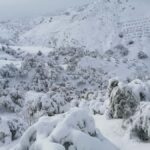
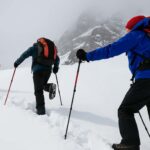
The climb is mostly uphill walking. The plan estimates around four hours up, including a short break halfway. Along the way, you’ll be fed nuts, oranges, and water. This is smart trekking design. It keeps energy steady without turning the climb into a repeated stop-and-start.
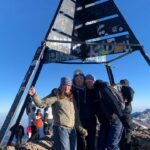
When you reach the summit, you’ll have around 45 minutes to rest and take photographs. That rest time is important. It turns the summit from a “hit it and go” moment into something you can actually enjoy.
Then it’s back down the same route. The itinerary doesn’t claim an easy descent, and it won’t be. Descending uses different muscles, and your knees will notice. Bring focus to foot placement and let your guide set a pace that keeps you safe.

Food and Comfort: What the Included Meals Actually Solve
You’re covered on meals: breakfast, dinner, and lunch (2) are included. On a short trek like this, included meals aren’t just a bonus—they’re part of the pacing strategy.
Here’s what that means for you on the ground:
- Day 1 picnic lunch helps you climb without running on empty
- Day 2 breakfast at 5:00 am prevents the classic summit-day mistake of eating too late
- Snacks like nuts and oranges during the ascent keep energy more stable than just water alone
Dinner after day 1 is also part of the value. You’re not hunting for food after the hike; you’re finishing the day with a warm meal and a place to rest.
Guides and Drivers: Why Smooth Logistics Matter on Toubkal
This trek feels well run. That’s not fluff—it shows up in the actual flow of the experience: pickup on time, clear timing for the hike, and organized support from start to finish.
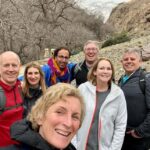
In past experiences, guides have included people like Omar and Mohamed, and others such as Rachid also show up as experienced mountain guides. Drivers and organizers have been praised too, with names like Zacharia, Abderrahman Abbassi, and Ayoub Belgot mentioned for punctuality, friendliness, and for explaining Moroccan culture during the ride.
Even if you don’t care about stories, you should care about competence. On Toubkal, competence reduces stress: correct start times, safe pacing, and a plan for getting everyone to the summit window and back.
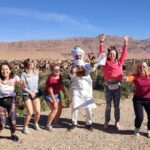
And because the group is capped at 10 travelers, you can usually expect a tighter, more controlled pace than on larger treks. Smaller groups often mean less waiting and more direct guidance.
Price and Value: Is $128.55 a Good Deal?
At $128.55 per person, this trek is priced like an organized 2-day mountain experience, not like a barebones hike. The value comes from what’s included:
- Tour guide
- Accommodation (overnight refuge)
- Breakfast, dinner, and two lunches
- Pickup offered and transportation by car
- Mobile ticket for smoother coordination
If you were to DIY this—transport, guide hire, meals, lodging—the cost usually climbs fast, and so does the hassle. Here, the structure is doing the heavy lifting. You get a tight schedule, a known overnight setup, and food timed for trekking.
One more value point: the trek is designed for people who want a goal (the summit) without spending the entire trip managing logistics. You can spend your attention on the walking and the views.
Who This Trek Fits Best (and Who Might Feel Rushed)
This trek works well if you:
- want a short, intense mountain adventure
- can handle early starts
- prefer a guided pace over planning every step
The info says that most people can participate, which tells me the operator isn’t aiming this for only elite mountaineers. Still, it’s not a flat stroll. Day 2 involves hours of uphill walking, and day 1 is also a climb into the high-altitude hut zone.
If you’re traveling with family members or friends and you want one guided plan that covers transport and food, this makes sense. If your group includes someone who struggles with steep uphill for hours, you may want to talk with the guide beforehand about pace expectations—because the schedule on day 2 is fixed by sunrise timing.
Gear Tips: What to Bring (and What You Can Rent)
You should bring your equipment and passport. The data also notes that if you don’t have gear, you can rent it there.
What counts as good gear for a mountain trek is mostly about safety and comfort:
- shoes with solid grip for rocky downhill sections
- layers for early-morning cold
- a plan for staying hydrated
I can’t list exact items beyond what you’re told here, but the key idea is simple: if you show up without the right footwear, the trek will feel harder than it needs to.
If you rent gear on-site, give yourself a little buffer on day 1 so you’re not starting the climb under stress.
Weather Matters: The One Thing That Can Change Your Dates
This experience requires good weather. If conditions aren’t right, you’ll be offered a different date or a full refund. That’s a fair approach for mountain hiking where visibility and safety matter.
So here’s the practical advice: don’t treat this trek like an optional add-on you can cancel at the last minute with zero consequences. If your schedule allows flexibility, you’ll feel calmer when weather decisions come up.
Quick Practical FAQ Before You Go
FAQ
What time does the trek start from Marrakech?
The pickup and departure are set for 8:00 am.
How long is the trek?
It’s a 2-day experience, with the hiking on each day structured into the schedule described.
How far is Imlil from Marrakech?
Imlil is about 65 km (40 miles) south of Marrakech.
What’s included in the price?
The price includes breakfast, dinner, lunch (2), accommodation, and a tour guide.
Do we get lunch on both days?
Yes. Lunch (2) is included in the itinerary.
Where do we sleep overnight?
You’ll stay overnight in a comfortable refuge. In summer, there may be an option to sleep in tents.
When does the summit climb start on day 2?
Breakfast is served at 5:00 am, and the ascent usually begins at 5:30 am.
Can I rent hiking equipment if I don’t have any?
Yes. If you don’t have the equipment, you can rent it there.
How many people are in the group?
The group has a maximum size of 10 travelers.
Should You Book This 2-Day Toubkal Trek?
If you want the summit experience without turning your trip into a logistics project, book it. The combination of early, organized timing, included meals, and overnight refuge makes this format work for a two-day window. It’s especially attractive if you like guided hiking and want confident support on the climb.
Skip it (or at least reconsider) if you hate early mornings or if your group needs a very relaxed pace. Day 2 starts early on purpose, and you’ll spend much of it climbing uphill. Also, if you’re traveling during a period when weather might be unpredictable, choose dates with flexibility so the plan can adjust.
Bottom line: for $128.55, you’re buying structure, safety, and food that matches the climb. That’s what turns a hard mountain into a memorable two-day adventure.