REVIEW · MARRAKECH
Toubkal trek – 2 days
Book on Viator →Operated by Toubkal Guide · Bookable on Viator
Toubkal really gets your attention. This 2-day trek from Marrakech starts in Imlil and climbs to North Africa’s highest peak with an on-the-ground guide, cook, and mule support. You’ll walk through the Mizane Valley, pass the shrine of Sidi Chamarouch, and camp high near the refuge before a summit morning.
What I like most is how easy the logistics feel: hotel pickup, a drive up to Imlil, then you’re off to hike while the team handles camp and food. I also love the small-group limit (up to 15), which keeps the pace friendlier and the experience more personal, especially on a tough day like summit push.
One drawback to plan for: this is a real altitude hike. The route includes scree and steep sections, and the itinerary is built for people with moderate fitness—so if you hate hills and breathlessness, you may struggle.
In This Review
- Quick Key Points (Why This Trek Works)
- Marrakech to Imlil: The Drive That Sets the Tone
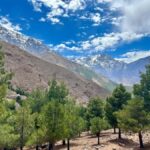
- Day 1 Through the Mizane Valley: Aremd to Sidi Chamarouch to Camp Near the Snowline
- Night at the Refuge Area (3206m): What the Camping Part Really Means
- Day 2 Summit Morning: The South Cirque, Scree, and That Ridiculous View
- Guides and the Camp Team: Why Names Keep Coming Up
- Meals, Mule Support, and Small-Group Pace (Max 15)
- Price and Value: What $255.89 Covers (and What It Doesn’t)
- Winter vs Non-Winter Reality: Crampons, Ice Axe, and Sleeping Warmth
- Who This Trek Suits Best (and Who Should Rethink It)
- Should You Book This 2-Day Toubkal Trek?
- FAQ
- What time does pickup start in Marrakech?
- How long is the trek?
- What is the group size?
- What’s included with the trek?
- Do I need to bring winter hiking equipment?
- Are transfers between Marrakech and the trail included?
- What fitness level do I need?
- What if I need to cancel?
Quick Key Points (Why This Trek Works)
- Hotel pickup and round-trip transport from Marrakech mean less hassle before you start climbing
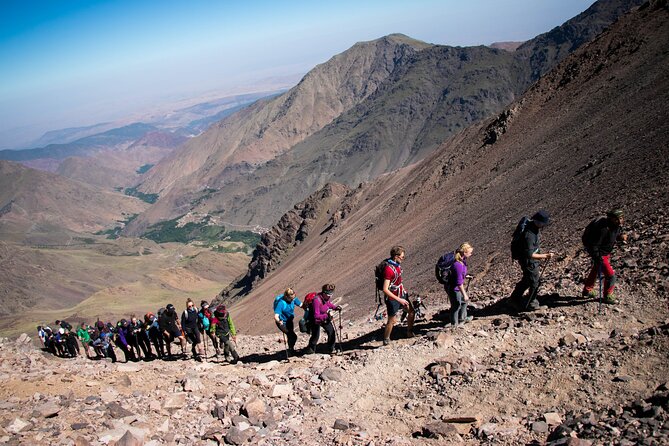
- Day 1 walking 5–6 hours sets you up at the snowline and the refuge area (about 3206m)
- Summit timing is early with an up-and-over route via the south cirque, crossing streams along the way
- English-speaking guide plus a cook means you get actual camp support, not just a walking companion
- Meals included (breakfast, lunch x2, dinner) make the big days easier to manage
- Up to 15 people keeps the group energy from turning into a slow-moving traffic jam
Marrakech to Imlil: The Drive That Sets the Tone
This trek starts the practical way: you’re picked up from your accommodation in Marrakech at 8:00 am. Then it’s about a 1.5-hour drive to the mountain village of Imlil, where the walking actually begins. That gap—between city life and Atlas Mountains reality—is part of what makes this trip feel like a proper switch of gears.
I like that the trip is structured so you’re not spending your first day figuring out transport, where to meet, or what to eat. You step into the plan and head uphill, passing through the Mizane Valley on foot after you arrive. For a two-day schedule, that matters: you get more mountain time and less waiting around.
There’s also a nice rhythm to the day-1 start. You don’t just jump straight to the summit. Instead, you work up to altitude in a controlled way—camping near the refuge area rather than trying to do everything in one push.
You can also read our reviews of more tours and experiences in Marrakech.
Day 1 Through the Mizane Valley: Aremd to Sidi Chamarouch to Camp Near the Snowline
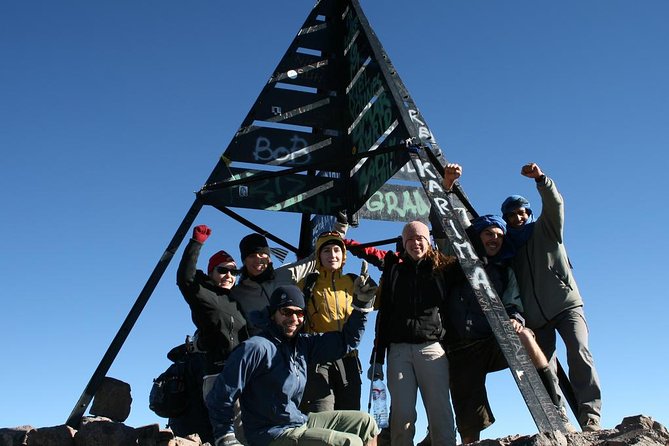
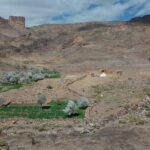
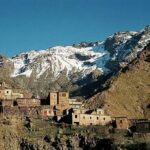
Day 1 is your warm-up for altitude, your first taste of Atlas trails, and a chance to settle into the mountain pace. After transfer to Imlil, your route heads along the Mizane Valley and passes through Aremd before moving toward the shrine of Sidi Chamarouch. This is one of those stops that changes the feel of the hike: you’re not just following a line on a map. You’re moving through lived-in mountain country where pilgrims and visitors come to this religious site.
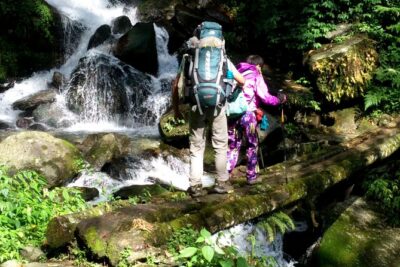
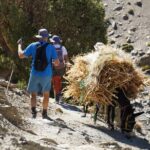
From there, the trail keeps climbing steadily. You’ll cross flood plains and spend time on mule tracks, which means you’re often hiking on routes used by locals rather than only on tourist paths. The terrain also shifts as you go higher—up to rocky cliffs above the valley—so the walk feels varied instead of monotonous.
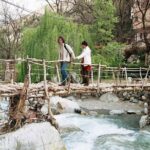
Eventually you cross a river and reach the shrine again in the higher pastoral area tied to Sidi Chamarouch. Then the real grind starts in a good way: the trail snakes and zigzags up toward the snowline. You finish the day near the refuge at about 3206m, where you sleep in a tent camp close to that area.
Walking time is about 5–6 hours on Day 1. That’s long enough to feel you worked for it, but it’s not so long that you’re completely wrecked before the summit day. Dinner and camp setup support are included, so your evening is about recovering, not chasing logistics.
A couple practical notes for Day 1:
- Expect colder air as you gain elevation, even if the weather in Marrakech felt mild earlier.
- The first day is often when people start judging how “easy” the trek will be. It’s better to judge it as a warm start: Day 2 is the one that counts.
Night at the Refuge Area (3206m): What the Camping Part Really Means
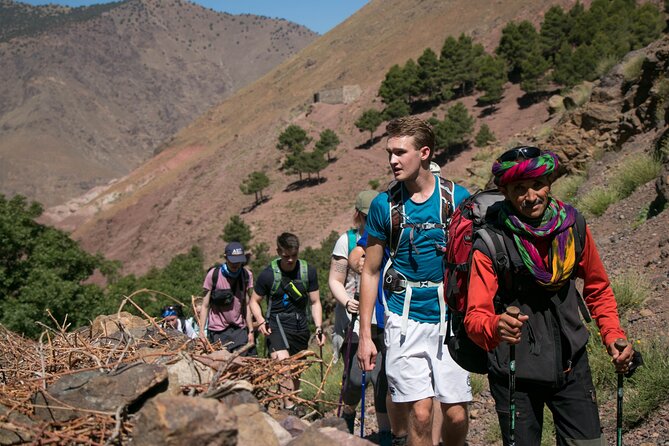
You’re sleeping in a tent on the first night near the refuge. That’s not “luxury camping,” so if your idea of comfort is a thick mattress and a hot shower, adjust expectations now. But the camping setup is still part of the value: it’s what puts you close enough to start summit day early and properly.
This overnight also changes the mental game. You’re not just walking in the daylight. You’ll wake up into a colder, higher environment and step into the summit attempt without needing a huge, exhausting morning warm-up. It’s one reason this trek is built as an overnight plan rather than a single-day climb.
Food support is included: you get breakfast later, plus dinner on Day 1 and lunch on Day 2 (and another lunch on Day 1). A cook is part of the package, and many people highlight that warm camp meals make a huge difference when you’re tired and high up.
If you’re doing this in winter, the “camp in a tent” reality matters even more. Winter gear like crampons or ice axe rentals can be needed (more on that later). Sleeping bags aren’t included, so you’ll want to plan for warmth.
Day 2 Summit Morning: The South Cirque, Scree, and That Ridiculous View
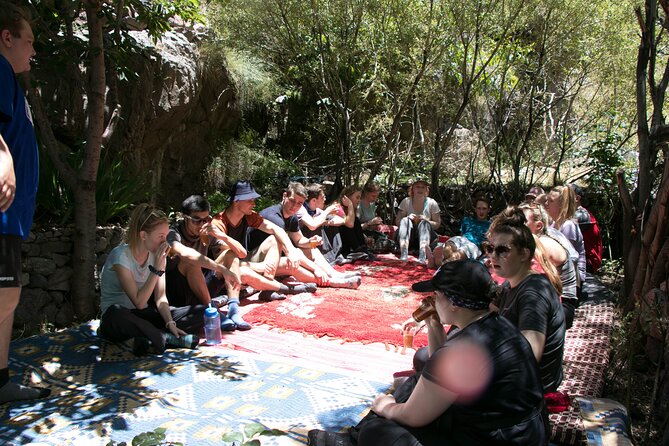
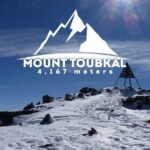
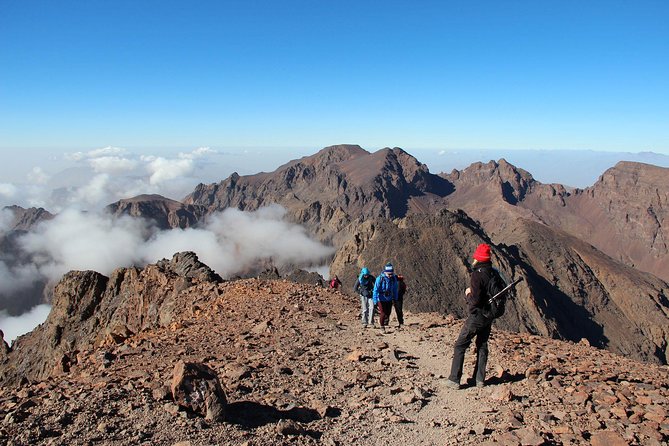
Day 2 starts early with your attempt on Jebel Toubkal, the highest peak in North Africa. The route goes up the south cirque, and you’ll cross a stream above the refuge as you head upward. This is where the trek goes from scenic to serious.
The walking is described as relatively straightforward in style, but you still get rough terrain. Scree and altitude can make the climb feel tougher than you expect, even if you’re moving steadily. In plain terms: your legs may be okay, but the air is thinner and the footing can be annoying.
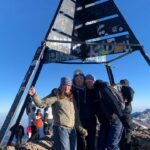
Still, the payoff is real. When you reach the summit, you get unrestricted views in every direction—from the Marrakesh Plain up toward the High Atlas to the north, and as far south as the Anti-Atlas and the Sahara. Even on a cloudy day, the sense of space can be jaw-dropping, because you’re finally above the immediate terrain and looking across regions.
Then you retrace your route back down to civilization when you’re ready. Expect the descent to be its own kind of work: it’s often faster than climbing, but scree and steep sections can tax your knees and concentration.
What I’d tell you to focus on for summit day:
- Take it slow and steady. The altitude is the real opponent.
- Keep your breathing calm. Panicking for speed usually costs you.
- Don’t ignore hydration and snacks. You’re going hard for hours.
A lot of people also mention the guides’ ability to set the rhythm and time the push so you’re on the summit as light improves. Even if the exact timing depends on conditions, the early start is consistent, and the mountain rewards those who show up ready.
Guides and the Camp Team: Why Names Keep Coming Up
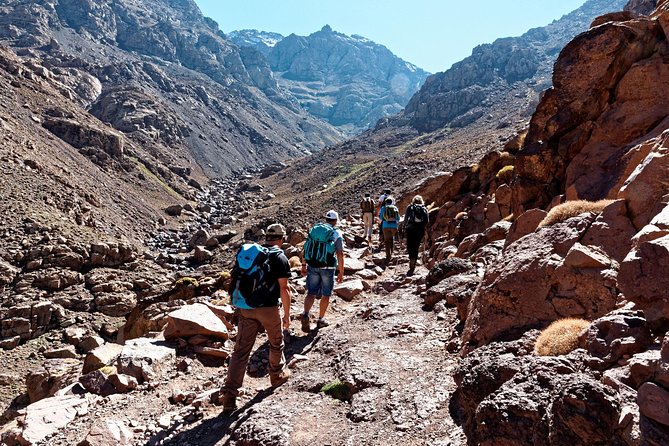
One of the strongest themes in the experience is how much effort goes into the people doing the guiding and cooking. You don’t just get a route plan—you get a team.
The tour includes an English-speaking guide and a cook. People have specifically called out guides such as Mohamed Tsiou, Hamid, Ismail (linked with Imlil Tour Guide), Ibrahim, and Sayid. Chefs have also been praised, including Mohamed Abayen. The point isn’t the exact name—it’s that you’re rarely left on your own with questions about pace, safety, or what comes next.
That matters on a trek like Toubkal. Conditions can shift fast with weather and trail texture. Having a guide who can read the group and adjust the hike is a big part of why this trip tends to earn a high satisfaction rating.
Meals, Mule Support, and Small-Group Pace (Max 15)
For a two-day trek, you’d be surprised how often meals and group size decide whether the experience feels stressful or fun.
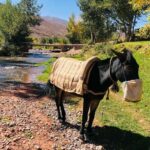
Here, you get meals covered: breakfast, dinner, and lunch twice, plus drinks are not included beyond what’s specified. Mule support is included, which helps reduce the load you personally carry. That can be the difference between finishing Day 1 tired but okay versus arriving at camp already cooked.
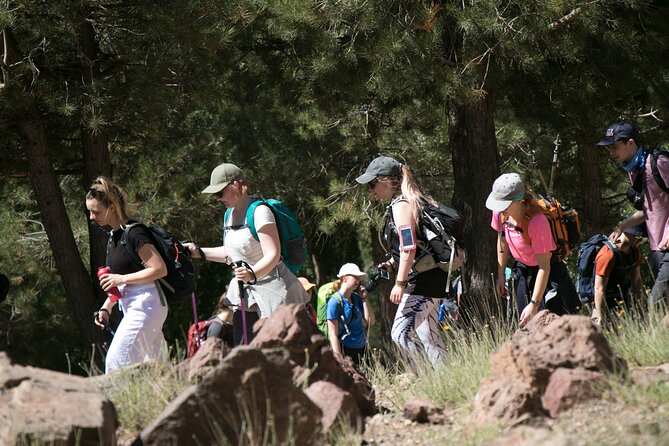
The group size max is 15 travelers, which is comfortably small for Toubkal. With fewer hikers, it’s easier to keep the pace steady, maintain space on narrower sections, and avoid the “everyone moves at once” bottleneck feeling. That becomes especially important on summit day when attention and footing matter.
Also, because this is structured camping rather than a do-it-yourself scramble, you can focus on the walk and the altitude. You’re not thinking about where food will be or who has the cooking setup.
Price and Value: What $255.89 Covers (and What It Doesn’t)
At $255.89 per person for about 2 days, the value is best understood as a “complete package” deal rather than a simple hike. You’re paying for a team (guide + cook), transport from Marrakech and back, the overnight camping setup, and the mule support. For many hikers, that’s the real cost-saver: you avoid paying separate fees for guides, food, and coordinated transport.
You also get camping gear and basics included as part of the plan, plus meals are built into the schedule. Admission is listed as included too, which reduces the chance of surprise add-ons once you’re already at the mountain.
What’s not included is equally important. You may need to rent winter gear like crampons and ice axe (winter), and you’ll have to bring or arrange your sleeping bag and other items like walking poles depending on season. Soft drinks and tips aren’t included either, plus travel insurance is not included.
So, if you’re coming from Marrakech with reasonable fitness and you’ve budgeted for winter gear if needed, this price feels like it covers the hard-to-organize parts. If you show up underprepared for equipment, the total cost can climb.
Winter vs Non-Winter Reality: Crampons, Ice Axe, and Sleeping Warmth
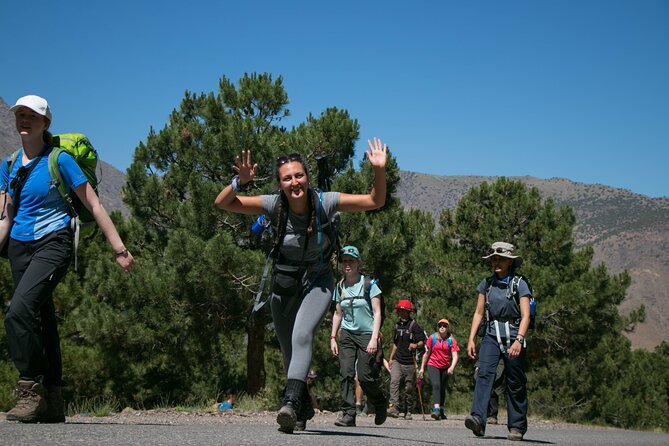
Season matters a lot for Toubkal. The information you have here specifically flags that winter equipment rental may be needed, including crampons and ice axe, and that sleeping bags aren’t included.
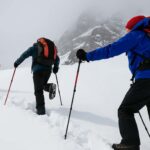
If you’re trekking in colder months, do not assume your sneakers and bravery are enough. Even if the trail looks manageable in photos, winter traction and proper warmth can make the difference between feeling in control and feeling miserable.
Walking poles aren’t included, and tips aren’t included either. So if you like extra stability on the scree and descent, consider packing poles (or renting them locally if that’s an option through the provider). Also, plan for cold nights: tent camping at altitude can chill you quickly.
A simple rule: if you wouldn’t sleep comfortably in the cold at home, don’t expect you’ll be fine without the right sleeping setup up near the refuge.
Who This Trek Suits Best (and Who Should Rethink It)
This is aimed at people with moderate physical fitness. That’s honest, and I appreciate it. The hike isn’t described as technical like a climb with ropes, but Day 2 is long and altitude-driven. You’ll be dealing with scree, elevation, and long hours.
You’ll enjoy this trek most if you want:
- A structured climb with meals and camp support
- A summit goal that’s realistic for a non-technical hike (with proper preparation)
- A small-group feel where the guide can manage pacing and safety
You might reconsider if you:
- Hate steep, rocky footing and rough descents
- Know you freeze easily at night and don’t want to manage winter gear
- Are looking for a relaxing walk with minimal discomfort
It’s also a good choice if you’re short on time in Morocco. Marrakech gives you culture and food on the front end, then you get the Atlas Mountains payoff without turning the trip into weeks of planning.
Should You Book This 2-Day Toubkal Trek?
I’d book this if you want a high-value, well-supported way to climb Mount Toubkal in a tight timeframe from Marrakech. The combo of hotel pickup, a real camp setup, meals, mule support, and an English-speaking guide makes this feel like the mountain experience without the mountain hassle.
I’d think twice if you’re not ready for altitude day. Even with a guide, Day 2 is tough in parts because of scree and elevation. If you go, go prepared, especially for winter conditions—sleep warmth and traction matter more than people expect.
If you’re the type who likes earning the view and doesn’t need comfort at every step, this trek is a strong pick. The best sign is that the organization focuses on the exact things that keep a summit day from going sideways: pacing, food, camp support, and small-group control.
FAQ
What time does pickup start in Marrakech?
Pickup starts at 8:00 am from your accommodation in Marrakech.
How long is the trek?
The trek runs for about 2 days (with a full Day 1 walk and a summit attempt on Day 2).
What is the group size?
The maximum group size is 15 people.
What’s included with the trek?
Meals are included (breakfast, lunch x2, and dinner), plus transport from Marrakech and back, one night of camping accommodation, mule support, a cook, and an English-speaking guide. Hotel pickup and drop-off service is also included.
Do I need to bring winter hiking equipment?
Winter equipment like crampons and ice axe rentals are not included, and sleeping bags are also not included. Walking poles are also listed as not included.
Are transfers between Marrakech and the trail included?
Yes. You get transport from Marrakech and back to Marrakech, and hotel pick-up and drop-off service are included.
What fitness level do I need?
You should have a moderate physical fitness level.
What if I need to cancel?
You can cancel up to 24 hours before the experience’s start time for a full refund. If you cancel less than 24 hours before, the amount paid will not be refunded.