REVIEW · HANOI
Mai Chau – Pu Luong trekking 3 days 2 nights
Book on Viator →Operated by Mr Linh's Adventures · Bookable on Viator
Hills, villages, and real homestay nights. I like the convenience of door-to-door pickup and included guide and transfers, and I really like that this trek is built around sleeping with Thai families in stilt houses. The main drawback to keep in mind is that homestay comfort can vary, and weather in the mountains can turn chilly or cloudy.
Pu Luong Nature Reserve runs between Mai Châu and Cuc Phuong National Park, and this route focuses on the everyday rhythm of Thai and Muong communities, not just photo stops. You’ll hike through rice fields and small villages, then spend dinners and nights with locals, which is usually the best part of this kind of trip when you want culture you can actually touch.
Because this is a trekking-focused itinerary, you should be ready for steep climbs and river crossings on both Day 2 and Day 3. It’s rated for moderate physical fitness, so if you prefer flat walking or easy evenings, you’ll want to choose carefully.
In This Review
- Pu Luong trek highlights in 5 minutes
- From Hanoi to Mai Châu: the ride and first village stop
- Bản Poom Coọng: lunch in a Thai stilt house and a calmer start
- Pu Luong Nature Reserve trekking: rice fields, mountain views, and village crossings
- Homestay nights: Thai family dinners and what to expect in practice
- Day 2 sunrise at Mr. Nếch and the first real climbing day
- Day 3 from Mai Châu Ecolodge to Pho Doan: easy start, steep finish
- Price and value: why $514 can be fair, or not
- Who this trek suits best (and who should choose a different pace)
- What to pack (so you don’t hate Day 2)
- Booking decision: should you go on this Mai Châu – Pu Luong trek?
- FAQ
- What time does the tour start in Hanoi?
- Is pickup included, and is it door-to-door?
- What’s included in the price besides transportation?
- Is the sunrise activity on Day 2 required?
- How strenuous is the trekking?
- What should I bring for the trek?
Pu Luong trek highlights in 5 minutes
- Door-to-door Hanoi pickup and all private transfers handled for you
- Stilt-house homestays with dinners and breakfasts made by local Thai hosts
- Optional sunrise activity at Mr. Nếch homestay in Kho Muong village
- Day 2 and Day 3 trekking variety, including steep sections and river crossings
- All meals and permit/ticket coverage included across the 3 days
From Hanoi to Mai Châu: the ride and first village stop
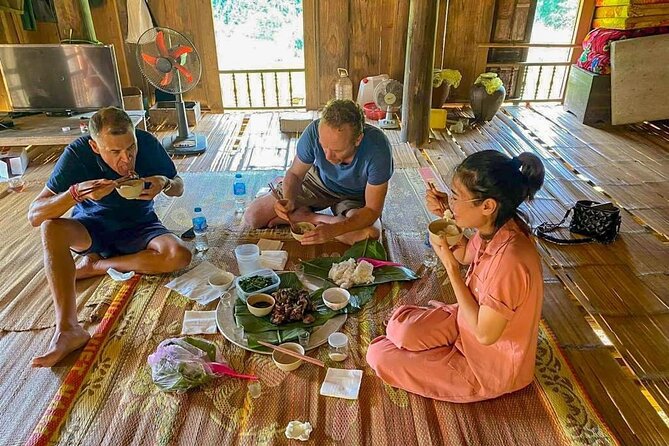
Most of your day starts in Hanoi, with a hotel pickup after breakfast. The tour then heads toward Hoa Binh Province, about 80 km west of Hanoi, and you’ll make a stop at a local market along the way. For me, that first market pause matters. It’s not a long detour, but it helps you get your bearings fast—what people sell, how they move, and what daily life looks like before you step deeper into the countryside.
After the road trip, you reach Mai Châu Valley and land at your first village stop: Bản Poom Coọng (Pom Coong). This is where the day shifts from highway Vietnam to village Vietnam. You’re not just driving through scenery; you’re meeting the rhythm of a Thai community, right away.
You should expect a guided pace here. The tour includes time to rest and have lunch in a typical Thai home on stilts. Even if you’ve been on the road already, this first stop makes the day feel like a gradual handoff rather than a hard drop into hiking mode.
You can also read our reviews of more tours and experiences in Hanoi.
Bản Poom Coọng: lunch in a Thai stilt house and a calmer start
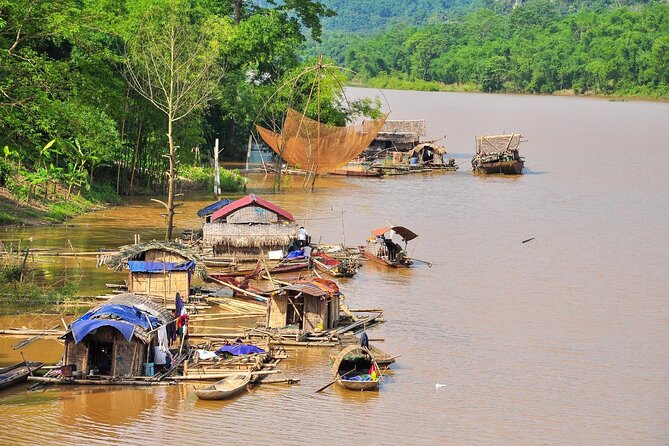
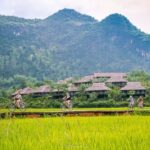
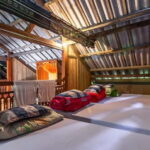
Pom Coong is scheduled as a short, grounding introduction. You’ll get a rest and lunch in a typical Thai stilt house, built for life above the ground in a region where flooding and humidity are real parts of the environment. That stilt design isn’t just architecture trivia—it affects airflow, how families organize rooms, and how you’ll feel inside at different times of day.
This stop is about two hours, which is ideal if you want to taste village life without tiring yourself out before the trek begins. You also get a sense of hospitality norms early, which helps later when you’re sharing dinner and sleeping in the same kind of setting.
A practical note: stilt houses can mean stairs and uneven flooring. Even before serious hiking starts, wear shoes you can trust on indoor/outdoor surfaces.
Pu Luong Nature Reserve trekking: rice fields, mountain views, and village crossings
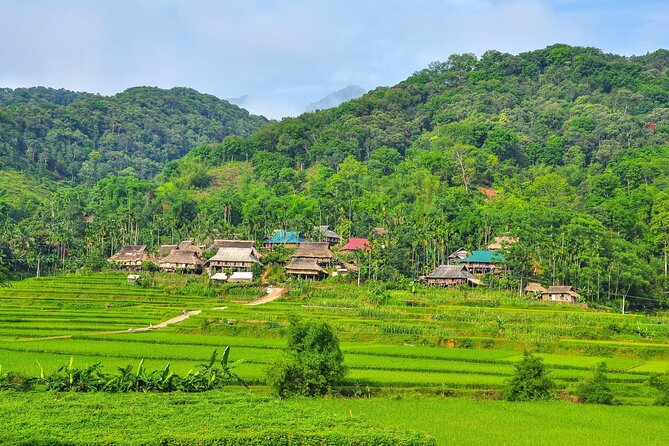
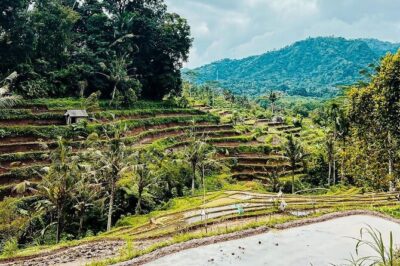
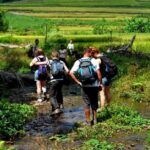
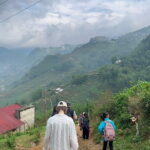
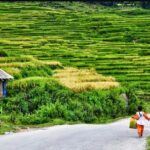
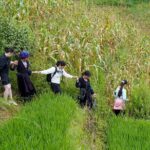
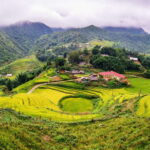
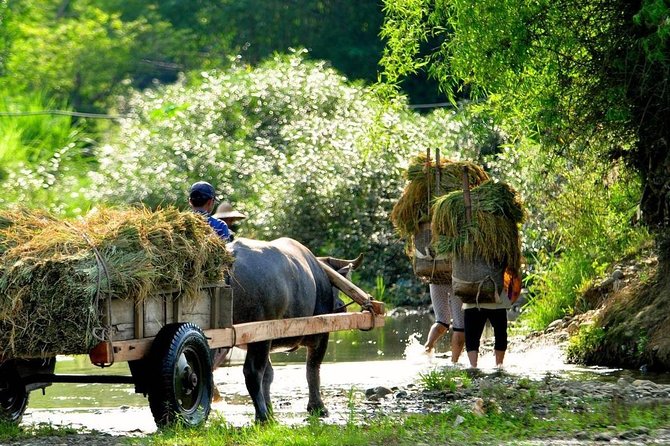
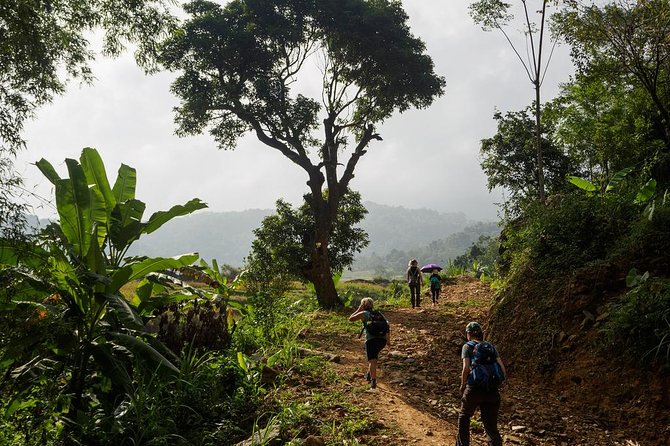
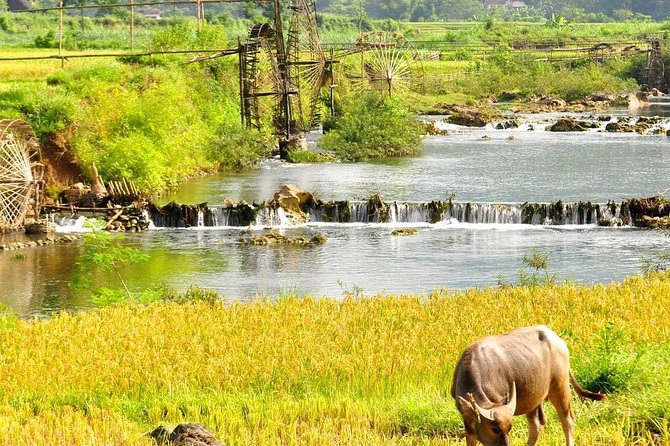
After lunch, the route moves into Pu Luong Nature Reserve with a hike planned around about three hours. This is the part where the tour earns its name. You’ll walk through rice fields and mountain scenery, but the key detail is the route includes small villages along the way. That means you’re not trekking through empty “viewpoints.” You’ll pass through lived-in space where daily tasks are happening right beside your trail.
The tour’s design is smart for first-time trekkers in this region. It sets expectations: walking among fields, then crossing through villages where you can see how people live with the land. You’re also given an included ticket/admission for the day’s activities, so you don’t spend your energy figuring out paperwork once you’re already outside.
At the end of this hiking stretch, dinner and night move you from “passing through” into “staying with.” That transition is often the difference between a scenic hike and a trip that feels personal.
Homestay nights: Thai family dinners and what to expect in practice
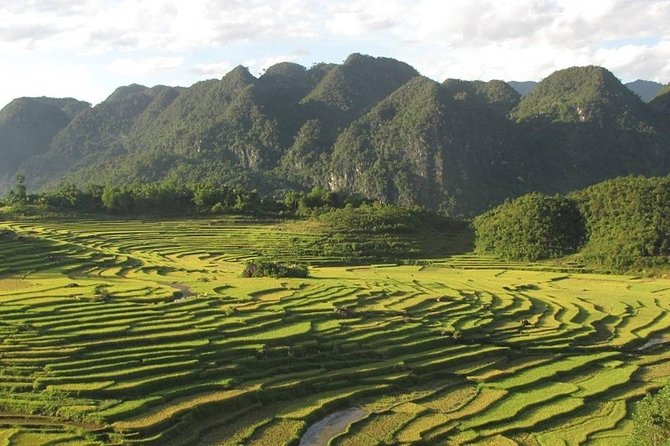
This itinerary includes accommodation at homestays for two nights (Day 1 and Day 2), plus dinner (2), breakfast (2), and lunch (3). In other words, the homestay isn’t just a place to sleep—it’s the base for how you’ll experience local food and daily routine.
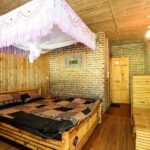
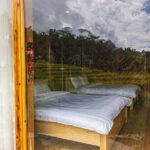
The included accommodation is described around Thai families and Thai stilt houses, which makes sense for Pu Luong and Mai Châu. In feedback from people who’ve done this route, homestays have often been praised as cozy, and food as a standout. At the same time, there’s at least one caution: someone felt the lodging quality didn’t match the price they paid, especially when the weather was poor.
So here’s the balanced way to think about it: you’re paying for a cultural trek experience, and part of that is accepting that lodging is not a hotel. If you go in expecting clean, basic comfort and good meals, you’ll likely feel satisfied. If you want air-conditioning-level comfort and modern bungalows, you might leave frustrated.
Also plan for the overnight environment. Mountains can cool down fast. Pack for comfort in cooler evenings, and don’t count on your clothes drying instantly.
Day 2 sunrise at Mr. Nếch and the first real climbing day
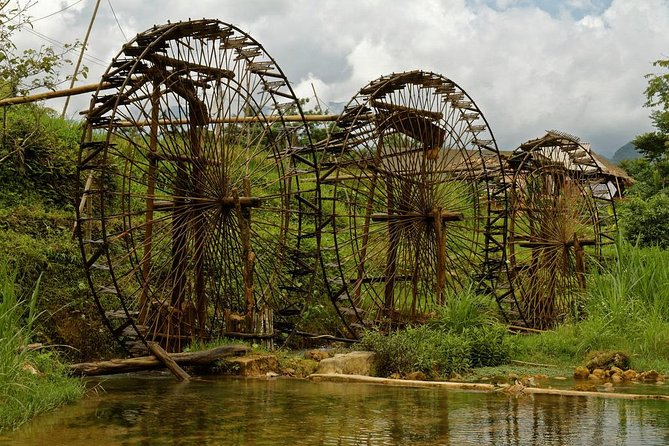
Day 2 starts with an optional early-morning moment at Mr. Nếch homestay in Kho Muong village. If you wake up before sunrise, you can watch it rise over the mountain tops and see local farmers doing early work. The tour suggests you can join in for a little while if you want. This is the kind of optional activity that’s worth the effort because it connects you to the land’s schedule, not just your own.
If you don’t join the sunrise plan, you’ll still have breakfast made by the Thai people you’re staying with, and then you move into trekking.
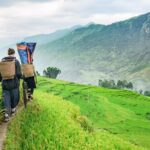
The main hike is planned for 5 to 6 hours, and it has a key structure: the first stretch is the hardest, including steep climbs and river crossings, followed by an easier segment where the day feels more rewarding. That pacing matters. If you know you can push through the first tough part, the later easier walking gives you a chance to actually enjoy the views and village scenes instead of just surviving the trail.
This is also the day where your body will tell you what you packed. Comfortable shoes matter. So do socks that don’t slide. If you’re unsure, bring trekking footwear you’ve already worn before.
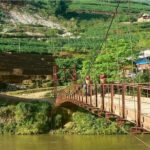
One more thing: river crossings mean you should expect wet feet at some point, even if the crossings are quick. Tight-fitting shoes that dry fast usually feel better than bulky ones that take forever to dry.
Day 3 from Mai Châu Ecolodge to Pho Doan: easy start, steep finish
Day 3 continues the trek with another 3 hours of walking (roughly 5 to 7 km, depending on conditions and group pace). It starts with a nice easy stretch, which is a great design choice. You get a chance to wake up fully, relax, and warm up before the tougher parts arrive.
After a rest in Ban Hieu Village, the route shifts into steep climbs and more river crossings. Then the valley opens up into views from an elevated position—exactly the sort of payoff you want after the uphill grind.
Once you’ve spent time enjoying that vantage, the tour moves toward Pho Doan Village, where you get some more time to rest. After that, it’s back to the main road, and your driver waits to take you back toward Hanoi. The itinerary includes a lunch stop during the return plan, which helps if you’ve been moving since morning.
This day feels like a classic “finish strong” trekking arc. It’s not just one long push; it has reset points (easy start, village rest, and another rest near Pho Doan). That structure makes the final day more manageable, especially if you weren’t sure how you’d feel after Day 2.
Price and value: why $514 can be fair, or not
At $514 per person for about 3 days / 2 nights, the big question is value. This itinerary tries to solve the logistics that usually eat budget in Vietnam trekking trips: it includes private door-to-door pickup, all private transportation/transfer, an English-speaking guide, homestay accommodation, and admission tickets and travel permits.
It also bundles your meals: 2 breakfasts, 3 lunches, and 2 dinners. That matters because rural areas often mean buying food as you go, and it’s not always cheap or predictable. Here, you’re not worrying about where lunch will be or whether you’ll find something you can eat.
What may affect your satisfaction is the homestay experience. One person specifically flagged that the lodging they received didn’t feel like great value for what they paid. That doesn’t mean every stay will be poor—just that comfort level is not guaranteed in the same way it is with a big hotel chain.
If your travel style leans toward authentic rural life, meeting Thai and Muong communities, and accepting basic accommodations, this price can feel reasonable. If you want consistent lodging quality and you’re sensitive to room comfort, you should factor that into your decision.
Who this trek suits best (and who should choose a different pace)
This tour fits best if you want:
- Culture through daily life, not just monuments
- Homestay nights and meals included in the experience
- A guided trek with enough structure to keep you comfortable on rougher trail days
- A moderate fitness challenge with steep climbs and river crossings
It may be a rough fit if you:
- Hate wet feet or don’t like river crossings
- Need hotel-grade comfort
- Want a sightseeing-only trip with minimal trekking
In terms of group style, this is a private tour/activity, so it’s only your group. That usually means you’ll have more flexible pacing and more attention from your guide. It also makes the sunrise option (when chosen) feel less awkward—you’re not sharing early mornings with strangers.
What to pack (so you don’t hate Day 2)
The tour is clear about what to bring, and I agree with the logic:
- Light, comfortable clothes for outdoor walking
- Comfortable walking shoes
- A small day pack for hikes
- Passport is essential
- Insect repellent, sun cream
- Raincoat and sun hat
Even if the forecast looks fine, mountain weather can shift quickly. If you come prepared with a rain layer and a hat, you’ll feel more in control.
Also think about small comforts. Trekking is sweat + cool air + changing conditions. A spare pair of socks (if you have room) can turn a miserable day into a tolerable one.
Booking decision: should you go on this Mai Châu – Pu Luong trek?
If you’re choosing between doing Pu Luong as a quick day trip versus a real trek with homestays, this is one of the better formats. You get multiple hiking chunks (about three hours on Day 1, 5–6 hours on Day 2, and about three hours on Day 3) plus real cultural time through stilt-house stays and village routes.
I’d book it if you’re excited by:
- Rice-field walking and village crossings
- Homestay dinner and breakfast as part of the experience
- The option to catch sunrise at Mr. Nếch before your hike
I wouldn’t book it if you’re expecting a smooth, hotel-comfort trek or you want to avoid any physical challenge. Day 2 and Day 3 both include steep climbing and river crossings. Add in the fact that homestay comfort can vary, and you’ll be happier if you treat this as a cultural trek first, comfort second.
If you do book, message your guide team with your preferences for pace and comfort level. Clear expectations before you leave Hanoi can save headaches later.
FAQ
What time does the tour start in Hanoi?
The meeting time is 8:30 am.
Is pickup included, and is it door-to-door?
Yes. The tour includes private door-to-door pick-up services from your Hanoi hotel area.
What’s included in the price besides transportation?
The price includes an English-speaking guide, homestays, admission tickets and travel permits, and meals: dinner (2), breakfast (2), and lunch (3).
Is the sunrise activity on Day 2 required?
No. It’s optional. If you choose it, you can go out before sunrise from Mr. Nếch homestay in Kho Muong village and watch the sunrise over the mountain tops.
How strenuous is the trekking?
It’s aimed at moderate physical fitness. Day 2 includes 5–6 hours with steep climbs and river crossings at the start. Day 3 includes steep climbs and more river crossings after an easier opening stretch.
What should I bring for the trek?
Bring light outdoor clothes, comfortable walking shoes, a small day pack, and a passport. You’re also recommended to pack insect repellent, sun cream, a raincoat, and a sun hat.