REVIEW · HANOI
2-Day Amazing Sapa Trek With Sleeper Train From Hanoi – Overnight At Hotel
Book on Viator →Operated by Old Quarter Travel · Bookable on Viator
Sapa starts on the night train. This 2-day Sapa trek pairs overnight sleeper transport with hiking in the Muong Hoa Valley, plus village time that feels way more human than a quick bus stop.
What I like most is the small-group size (max 15) and the built-in village route: Lao Chai and Ta Van give you real face-to-face moments with Black H’mong and Giáy communities.
One consideration: this is a schedule-first trek, so you’ll want moderate physical fitness and you should plan for good weather, since the trip depends on it.
In This Review
- Key Points to Know Before You Go
- The Night Train Hanoi to Sapa: Cheaper and Less Tiring Than It Sounds
- Muong Hoa Valley Trek Day: Lao Chai to Ta Van (Black H’mong and River Views)
- Sapa Night: Market Time, Hotel Rest, and Community Encounters
- Cat Cat Village and Rice Terraces on Day 3
- Price and Value: What $193 Buys You (and What It Doesn’t)
- Guides, Group Size, and How the Tour Feels in Real Life
- Packing and Trek Fitness: Small Steps to Make It Comfortable
- Should You Book This Sapa Trek + Sleeper Train?
- FAQ
- How long is this tour?
- What time does the tour start in Hanoi?
- What kind of sleeper train cabin is included?
- Is there an overnight stay in Sapa?
- Are meals included?
- What physical fitness level do I need?
Key Points to Know Before You Go

- Sleeper train round-trip means you save at least one hotel night and lose less time to transfers
- Muong Hoa Valley hiking with river views during the Lao Chai portion
- Village visits focused on Black H’mong and Giáy communities (and the program also references Red Dzao villages)
- Cat Cat village + rice terraces on Day 3 for a classic Sapa trekking feel
- Small group (max 15) with an experienced guide, including runs led by Lisa San
The Night Train Hanoi to Sapa: Cheaper and Less Tiring Than It Sounds
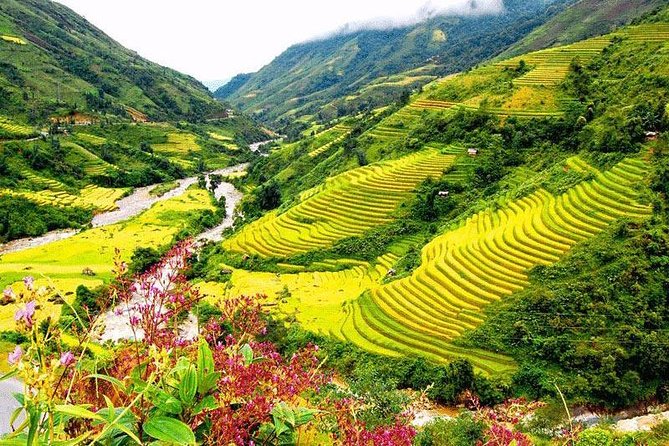
The real trick here is how the trip uses the train. You meet at Ga Hà Nội (Ga Hàng Cỏ) at 20:50, then depart around 21:30–22:00 for Lao Cai. It’s an 8-hour overnight ride, and you travel in a sharing cabin for 4.
Here’s why that matters for you: instead of paying for (and packing around) an extra overnight in Hanoi, your “travel day” turns into sleep time. Also, you start Day 2 in the mountains without losing half the morning to logistics.
You’ll likely appreciate the included dinner during the train segment. It cuts down on planning on a day when you’re meeting late in the evening. And if you’re the type who hates last-minute tickets, you’ll also get a mobile ticket.
Practical heads-up: overnight trains can be a bit snug—4 to a cabin means you’ll want to keep your essentials organized and be ready for basic comfort rather than hotel-level quiet.
You can also read our reviews of more tours and experiences in Hanoi.



Muong Hoa Valley Trek Day: Lao Chai to Ta Van (Black H’mong and River Views)
After arriving in Lao Cai, pickup is scheduled for 05:30–06:00. Then the pace shifts fast into “mountain mode”: you get breakfast around 06:30 while your luggage is arranged. This is a nice touch because it prevents the classic problem of trekking with bags you don’t want to carry.
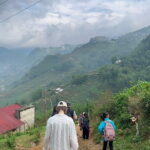
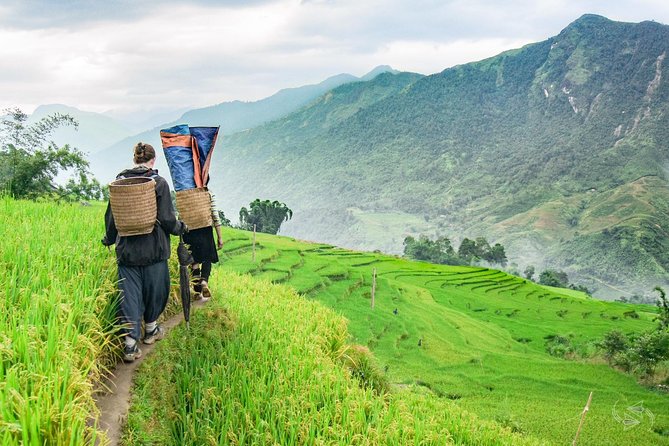
The morning hike starts at 08:30. You’ll trek toward Lao Chai Village, described as home of the Black H’mong minority. The walk runs about 3–4 hours and follows the Muong Hoa Valley with scenery along the river.
What you’ll feel on this section: this isn’t a treadmill-style trek. It’s more like a sequence of village views, path changes, and moments where the valley itself is part of the story. If you like hiking that stays grounded in daily life—rather than only photographing from viewpoints—this part fits.
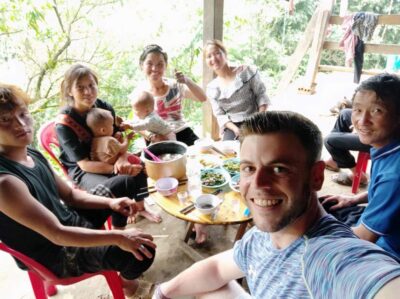
You’ll also have a clear meal plan. At 12:00, you stop for lunch at a local restaurant before continuing to Ta Van Village. Ta Van is where you get the “meet people” side of this itinerary: you’ll have time to make friends with a Giáy family homestay.
Then, at 13:30, you head back to Sapa by car for hotel check-in. That timing is smart if you’re not trying to turn Day 2 into a full-day grind. You get hiking time, then you’re not stuck sweating through late afternoon.
Sapa Night: Market Time, Hotel Rest, and Community Encounters
After checking into your hotel in Sapa, you’ll have free time to explore Sapa. The tour highlights also include time for Sapa Market, which is where you can connect what you saw on the trails with what daily life looks like back in town.
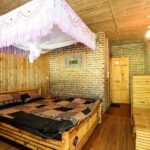
Dinner is included, and you’ll spend the night in Sapa—so you’re not rushing through everything. That rest matters because Day 3 includes another trekking block.
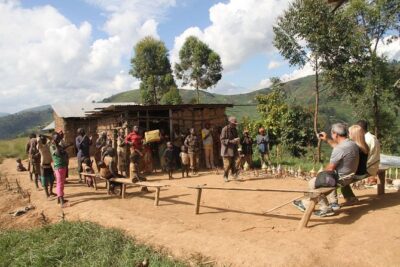
This is also where the ethnic-village theme comes into focus. The program is designed around communities such as Black H’mong, Giáy, and Red Dzao. Even when you’re not hearing every detail from a guide in a classroom format, you’ll get the practical context: what people do, where they live, and how they organize daily routines in the hills.
For me, the most valuable part of this night is that it’s not just “sleep and repeat.” The trip gives you enough time to slow down, digest the morning, and then go back out for town-market wandering.
Cat Cat Village and Rice Terraces on Day 3
Day 3 begins with breakfast at 08:00, then you start a half-day trek. You’ll head through rice terraces toward villages and experience Black H’Mong daily life, ending with a visit to Cat Cat village.
The total walking time is listed as around 4 hours. In other words, you’re getting the classic Sapa look—terraces, paths, and village edges—without committing to an all-day trek before your train back.
At 12:00, lunch is included, and then you’re back in Sapa with free afternoon time. This block is deliberately unstructured: it’s for you to freshen up, wander, or simply take a break if your legs are feeling a little dramatic.
At 17:00, you transfer back to Lao Cai station. You’ll have dinner on your own before boarding the night train to Hanoi. You arrive in Hanoi the next morning, with the exact time not specified in the tour details, so you’ll want to plan your onward day with some flexibility.
Price and Value: What $193 Buys You (and What It Doesn’t)
This costs $193 per person, and the value is mostly in two places: transportation and time.
First, the trip includes return overnight sleeper train transport between Hanoi and Lao Cai, with the train cabin shared by 4. Second, you get one hotel night in Sapa, plus meals that are doing real work for your budget:
- Breakfast (2x)
- Lunch (2x)
- Dinner (included)
It also includes guided activities tied to the trekking sections, and the overall tour is small-group with a maximum of 15 people.
What’s not included is equally important: tip and tax, insurance, drinks, and anything not stated. Also, dinner on the return train day is on you.
Is it worth it? If you want Sapa without spending hours arranging transportation, and you like hiking with village context (not only scenery photos), then yes. The sleeper train is a value move because it compresses the timeline and reduces the number of paid lodging nights you’d otherwise need.
My honest caution: because it’s non-refundable and can’t be changed, you should only book if your dates are solid. And since the experience requires good weather, keep your plans flexible if you’re traveling in a season where rain is common.



Guides, Group Size, and How the Tour Feels in Real Life
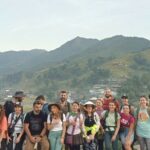
This tour caps at 15 travelers, which changes the whole vibe. You’re not lost in a crowd. You’re more likely to get questions answered and to keep a steady pace with your group.
A highlight from one recent run was the guide Lisa San, praised for how smoothly everything ran and for helping guests understand Sapa and the people of the region. That matters because Sapa is one of those places where a good guide turns what you see into something you actually understand.
Also, the tour format is built to keep transitions simple: meet at the station late at night, pickup in Lao Cai early morning, breakfast while luggage is handled, then straightforward trekking blocks, then return by car to Sapa.
If you’re the kind of traveler who likes structure (but still wants real moments), this itinerary style usually lands well.
Packing and Trek Fitness: Small Steps to Make It Comfortable
The tour calls for moderate physical fitness. That doesn’t mean you need to be an athlete. It does mean you should plan for walking on uneven paths, time spent on your feet, and hikes around 3–4 hours in the first trekking block and ~4 hours on Day 3.
Here’s what you can do to make it easier:
- Wear closed-toe shoes with good grip for trail sections and village paths
- Bring light rain protection if weather shifts, since the itinerary requires good conditions
- Keep a small day bag with water and essentials, even though meals are planned
For the hotel night, pack like you’ll be tired. You’re arriving from a sleeper train, hiking twice, then taking another train back. Anything you can do to reduce friction—clean base layer, hand wipes, a comfortable change of clothes—pays off.
Should You Book This Sapa Trek + Sleeper Train?
Book it if you want:
- Hiking plus village time, not just quick views
- A smoother timeline thanks to the sleeper train and hotel night in Sapa
- A small group experience where you’re less likely to feel like a ticket number
- Included breakfasts and lunches so your budget stays predictable
Skip it (or at least think twice) if:
- Your dates are strict and you’re not comfortable with the trip being non-refundable
- You need a very flexible, weather-proof plan—this experience depends on good weather
If you’re excited by the idea of starting Sapa with a night train, then walking through Muong Hoa Valley, meeting communities like Black H’mong and Giáy, and finishing with Cat Cat and terrace views, this is a strong value way to do it.
FAQ
How long is this tour?
The experience runs for about 3 days (with an overnight sleeper train each way and one night in Sapa).
What time does the tour start in Hanoi?
You meet at 20:50 at Ga Hà Nội (Ga Hàng Cỏ), and the train leaves between 21:30 and 22:00.
What kind of sleeper train cabin is included?
The round-trip sleeper train is in a sharing cabin of 4.
Is there an overnight stay in Sapa?
Yes. You’ll have overnight at a hotel in Sapa after the Day 2 trekking and village time.
Are meals included?
Yes. The tour includes 2 breakfasts, 2 lunches, and dinner. Dinner on the return train day is on your own.
What physical fitness level do I need?
You should have moderate physical fitness, since the plan includes trekking sessions of several hours each day.