REVIEW · MARRAKECH
3 Day Trekking in Atlas Mountains and Berber Villages From Marrakech
Book on Viator →Operated by Art de Cuivre Travel · Bookable on Viator
A three-day trek in Morocco can feel like a postcard. This one adds real Berber village time plus private guide support from Marrakech. You’ll walk between hamlets, eat with families, and sleep in a local home instead of a hotel bubble.
What I like most is the built-in help: pickup, a guide, and a mule carrying your gear. The other big win is the human pace—tea stops, lunch at a family home, and sleeping in a Berber house rather than just passing through.
One thing to consider: this is mountain hiking with real altitude. Expect uphill work, including climbs up to Mount Tawdja (2800m) and other days that can run from around 1600m to 2400m, so you’ll want solid hiking legs and good footwear.
Private trek with only your group, plus pickup and return transport to Marrakech
Mule support means you hike more comfortably with less weight
Berber village visits and home-stays give you daily-life context, not just scenery
Sleeping bags are provided, so you can pack lighter for overnights
Meals are included, and the cooking has impressed people enough to get named (Omar, portable stove)
In This Review
- Getting From Marrakech to the Trailhead Feels Like Part of the Trip
- Day 1 Route: Imlil Valley to Aroumd, Tidli Lunch, and Up to Mount Tawdja (2800m)
- Days 2 and 3: Real Altitude Work (1600m to 2400m) Without the Hustle
- Sleeping in a Berber Home: Comfort Comes From Preparation, Not Luxury
- Mule Gear Support, Chef Cooking, and Why the Food Matters
- Price and Value for $139.59: What You’re Actually Buying
- Should You Book This Atlas and Berber Villages Trek?
- FAQ
- Where is the meeting point for the trek?
- Does the tour include pickup from Marrakech?
- How long is the experience?
- Is this a private trek?
- What village and mountain areas do you hike to?
- Is a mule provided for carrying gear?
- Are meals included?
- Are sleeping bags provided?
- Is return transport to Marrakech included?
- Can I cancel for free?
Getting From Marrakech to the Trailhead Feels Like Part of the Trip
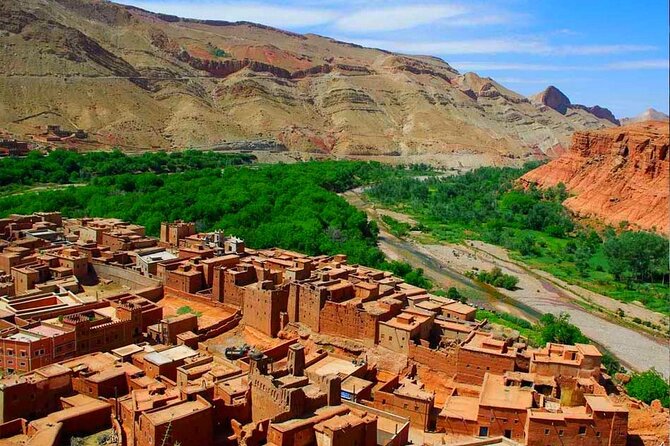
You start in the right place for doing this well: you leave Marrakech in the morning, and you don’t have to figure out how to reach Imlil Valley on your own. The departure is set for 9:00 am from the Hôtel Restaurant Café de France area near Jemaa el-Fna, and you reach Imlil Valley around 10:30. That timing matters. It gives you daylight, time to settle, and less rushing before you start climbing.
Once you arrive, you meet your guide and the mule team. You’ll have a tea moment, then you’ll pack and organize for the trek. That small pause is practical. It helps you avoid the common mistake of starting the hike with the wrong layers in the wrong bag.
Also, this is a private tour/activity, so it’s not a long shuffle with strangers. Your day plan stays yours. If your group wants extra stops for photos or questions, you’re more likely to get it.
One more note: you’ll likely get a mobile ticket, so keep your phone charged and ready. It sounds obvious, but in Morocco, power banks are often the difference between smooth check-in and a slow scramble.
Day 1 Route: Imlil Valley to Aroumd, Tidli Lunch, and Up to Mount Tawdja (2800m)
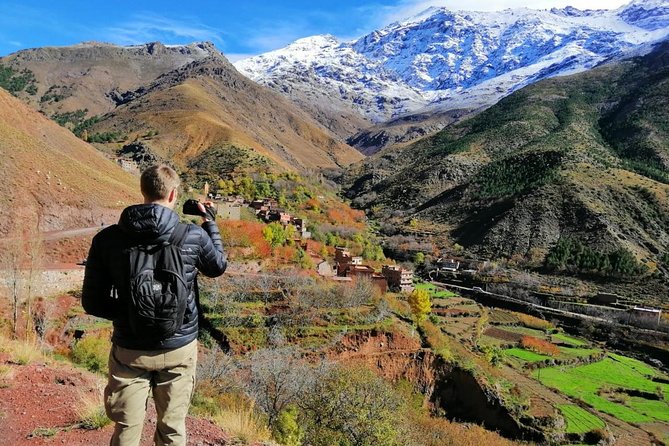
Day 1 has the classic Atlas rhythm: start in the valley, warm up with walking, then climb into the mountains. After you arrive in Imlil Valley (~10:30), you meet your guide and mule, drink tea, and get your bags ready. Then you begin hiking toward the Aroumd area.
This is the “get your bearings” day, but it still sets the tone. You’re not just on a flat path. You’ll be walking through village terrain and transitioning from easy valley steps to mountain effort.
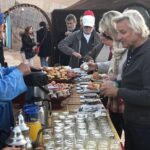
Then comes lunch, and this is one of the reasons I’d choose this trek over a purely scenic hike. You stop in Tidli for lunch at the home of a local Berber family. That’s a big deal for two reasons. First, you get to eat in a place that feels lived-in, not staged. Second, it’s a natural break where you can slow down and talk—without it feeling like a formal “tour stop.”
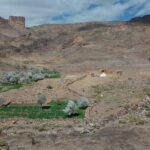
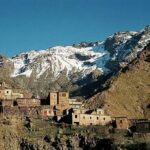
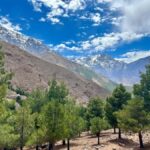
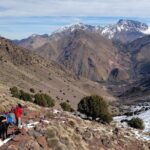
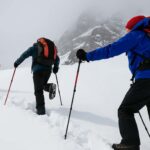
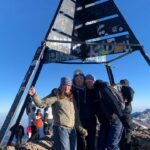
After lunch, the hiking turns upward. You climb toward Mount Tawdja (2800m). The route includes walking through smaller villages such as Tagadirt and Tamatert, which is how you get those up-close moments with rural life. If you’re the kind of person who likes seeing how communities connect to the land, this day will click for you.
Practical tip: plan on layers. Even if the morning starts mild, the higher you go, the more temperature shifts you’ll feel.
You can also read our reviews of more tours and experiences in Marrakech.

Days 2 and 3: Real Altitude Work (1600m to 2400m) Without the Hustle
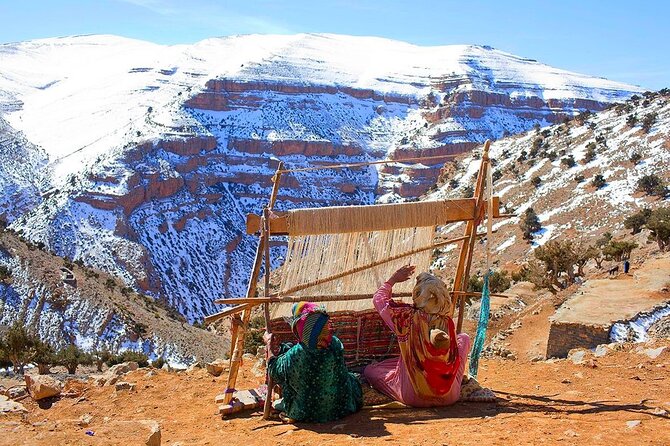
The strongest hint about the trekking effort comes from people who specifically mention the climb profile. The second and third days tend to run with altitude changes from about 1600m up to around 2400m, and then back down again. That’s not “easy mountain walking,” but it’s also not a mountaineering mission. It’s the kind of effort where your pace matters more than speed.
What you can expect on these days is repeatable mountain logic: you’ll climb, you’ll pass through small village areas, you’ll stop to regroup, and you’ll descend to reach where you’ll sleep. The trek is designed to connect multiple village experiences rather than stick to one viewpoint.
This is also where the guides shape the experience. In past departures, your guide could be someone like Ishmal, known for being engaging and good at explaining what you’re seeing. Another guide who’s been mentioned is Hamsa—praised for the way he handles the walk and keeps the days moving. Even if you don’t share the exact same guide, this trek is built around that kind of on-the-ground knowledge and steady pacing.
One more value point: the plan is meant to help you escape the heavy tourist trail. You’re walking out toward older village areas and living on a more local timetable. That doesn’t mean “no one else is around,” but it does mean your day doesn’t feel like it was designed for crowds.
If you’re sensitive to breathing at altitude, bring respect to your pace. Use short breaks. Drink water. Don’t “race the trail.” Most people underestimate how long uphill effort feels when it’s layered over two or three days.
Sleeping in a Berber Home: Comfort Comes From Preparation, Not Luxury
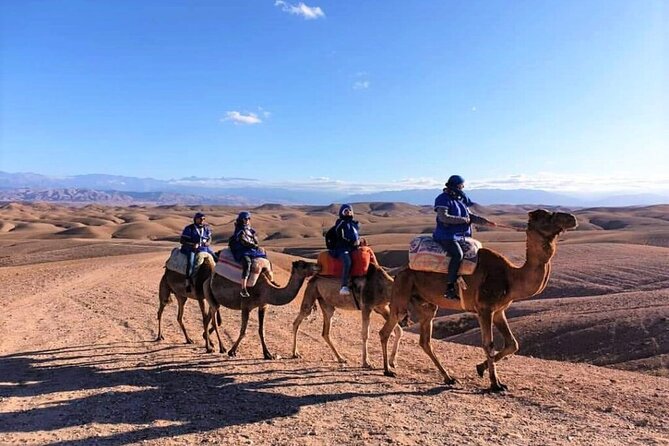
This is not the kind of trip where you’re expecting a hotel bed and room service. The good news is that you’re not left to figure things out alone. The trek includes accommodation and sleeping bags. That single detail helps a lot. It means you can focus your pack on the essentials rather than scrambling last-minute for cold-weather gear.
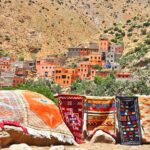
Sleeping in a local Berber home is the core cultural piece. You’re not just visiting a village for an hour. You’re staying where families live. That changes your perspective fast. You hear the rhythms of the household. You see the spaces people actually use during daily life.
Still, “home-stay” usually means simple arrangements. There may be less privacy than you’re used to, and comfort levels can vary depending on the family and the season. I’d treat it like cultural exchange with basic practical realities—not like a resort.
Also pay attention to how the itinerary is structured around family time. You’re going to eat and spend time in homes, not just point at buildings. That’s how you avoid turning culture into a checklist.
Packing advice (practical, not fancy): bring layers you can sleep in comfortably, and keep a small kit for bedtime. You’ll feel happier if you’re not digging through your main bag in the dark.
Mule Gear Support, Chef Cooking, and Why the Food Matters
There’s a reason people rave about the team behind the meals. This trek includes many meals, and it doesn’t treat food like an afterthought.
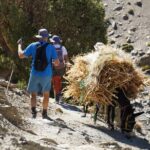
You’ll also have a mule carrying your gear, which is a quiet quality-of-life upgrade. Less weight on your back usually means you arrive less wrecked and can enjoy conversations when the day slows down. It also helps if your group includes people with different fitness levels. The mule makes “everyone starts the day together” more realistic.
Cooking on this kind of trek can be tricky, but one name comes up with real confidence: Omar, the chef who managed impressive meals using a single portable stove. That’s exactly the kind of detail you want to hear. It suggests your meals are planned and consistent, not improvised at random stops.
You’ll also have at least one tea moment built into the start (in Imlil Valley). Tea is small, but it signals how the day is paced—breaks that aren’t just functional, but part of how people gather.
If you’re the type who needs strong meals to hike well, you’ll likely feel grateful here. When food is handled well, you stop worrying about what you’ll eat next and start paying attention to where you are.
One consideration: because meals are included, you may eat foods you don’t usually choose at home. If you have allergies or strict dietary limits, this is the moment to ask specific questions before you go.
Price and Value for $139.59: What You’re Actually Buying
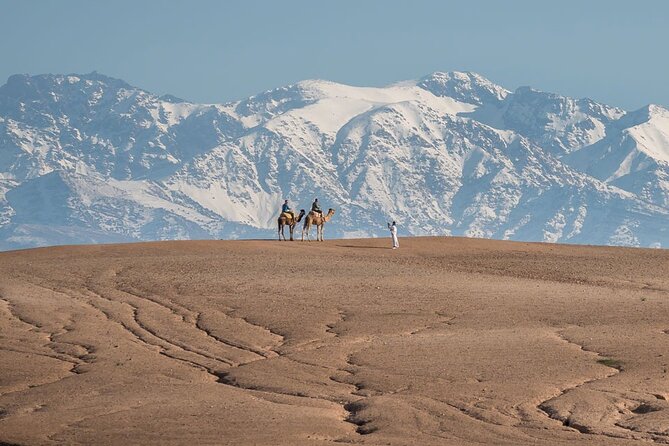
At $139.59 per person, this trek can be a strong value—especially compared to the cost of piecing together a driver, a guide, and a multi-day itinerary from scratch.
Here’s what your money covers, based on what’s included:
- Pickup and return transport to Marrakech
- A private trek experience for your group
- A guide and mule gear support
- Accommodation plus many meals
- Sleeping bags provided
That combination is the key. You’re not just paying for hiking. You’re paying for logistics and local coordination that would be hard to recreate cheaply if you’re doing it on your own.
It also helps that organization has been praised by name. People have mentioned Mohammed as the person who organized transport between Marrakech and the mountains, and others have highlighted how smooth the team felt once the trek started. When a trip is well run, you spend less energy on problem-solving and more on walking and noticing details.
The only “value catch” is fit. If you want flat, low-effort walking, this might feel too physical. If you want a genuine, village-centered trek with real mountain elevation, the price starts to look very reasonable.
Should You Book This Atlas and Berber Villages Trek?
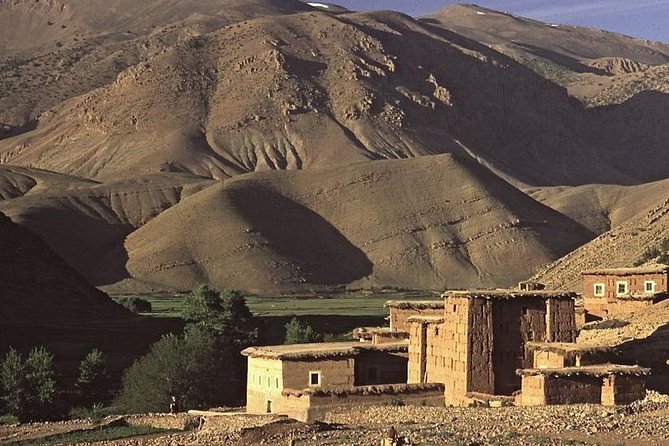
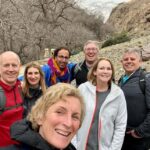
I’d book it if you want a Morocco trekking experience that feels human-scale. You get village visits, a Berber home-stay, and meals handled by a real team. You also get mule support, which keeps the focus on the trail instead of the weight on your back.
Skip it (or at least rethink) if altitude scares you or if you expect hotel-level comfort. Days that climb from about 1600m up to 2400m, plus a route up toward Mount Tawdja (2800m), means this is for people who can handle sustained uphill effort.
If you do book, do two things: wear good shoes, and set your expectations around simplicity. This is the kind of trek where the best moments come from sharing time in small places, not from ticking off big sights.
FAQ
Where is the meeting point for the trek?
The trek starts at Hôtel Restaurant Café de France, near Jemaa el-Fna in Marrakech.
Does the tour include pickup from Marrakech?
Yes, pickup is offered, and you depart from your Marrakech hotel at 9:00 am.
How long is the experience?
The duration is listed as approximately 2 days and 6 hours.
Is this a private trek?
Yes. It is private, and only your group participates.
What village and mountain areas do you hike to?
The hike begins in the Imlil Valley area, heads toward the Aroumd area, and includes climbing toward Mount Tawdja (2800m) on day 1.
Is a mule provided for carrying gear?
Yes. There is a mule to carry your gear.
Are meals included?
Yes. Accommodation and many meals are included.
Are sleeping bags provided?
Yes. Sleeping bags are provided.
Is return transport to Marrakech included?
Yes. Return transport to Marrakech is included.
Can I cancel for free?
Yes. Free cancellation is available up to 24 hours in advance for a full refund.