REVIEW · KAMPALA
3 Days Lake Bunyonyi and Gorilla Trekking Tour in Uganda
Book on Viator →Operated by Bright Safaris Uganda · Bookable on Viator
Bunyonyi and gorillas in just three days. This tour pairs Lake Bunyonyi with a trek for mountain gorillas, so you go from lakeside calm to the intensity of Bwindi’s forest in a very short time. The schedule also gives you real time on the lake, including an afternoon boat cruise to islands where birds and cultural performances may be part of the experience.
I especially like the mix of comfort and structure. You check in at Bunyonyi Overland Camp, eat lunch and dinner on schedule, and then get to Bwindi with a ranger briefing and a clear expectation that the trek can run short or long. One thing to consider: gorilla tracking depends on where the gorillas are, and the walk time can stretch from a couple of hours to a full day, so this isn’t a sit-and-watch style outing.
What I’d watch for on the service side is how it’s handled end-to-end. The guidance and transfers are taken seriously, and the name Reddy comes up in feedback as someone who handled the trip with full responsibility from airport pickup through the end. With a max 18 travelers, the group size stays small enough to feel organized, but not so small that you’ll lose the shared energy of being on a group safari.
In This Review
- Key things worth knowing before you go
- A smooth Kampala start with transfers and small-group pacing
- Lake Bunyonyi Overland Camp: birds, islands, and cultural stops
- Bwindi Gorilla Trek: ranger briefing and a day that can stretch
- What to expect in Bwindi’s forest (and how to prep)
- Entebbe and Kampala on Day 3: timing, lunch stops, and the Equator option
- Price and value: why $2,194.88 can make sense here
- Who should book this 3-day Bunyonyi and Gorilla Tour
- Should you book Bright Safaris Uganda for this tour?
- FAQ
- What time does the tour start?
- Does the tour include pickup?
- Where do you stay on the Lake Bunyonyi day?
- How long is the gorilla trekking day?
- Do I need to bring packed lunches?
- Is there a group size limit?
- What kind of physical fitness level do I need?
- What is the cancellation window for a full refund?
Key things worth knowing before you go
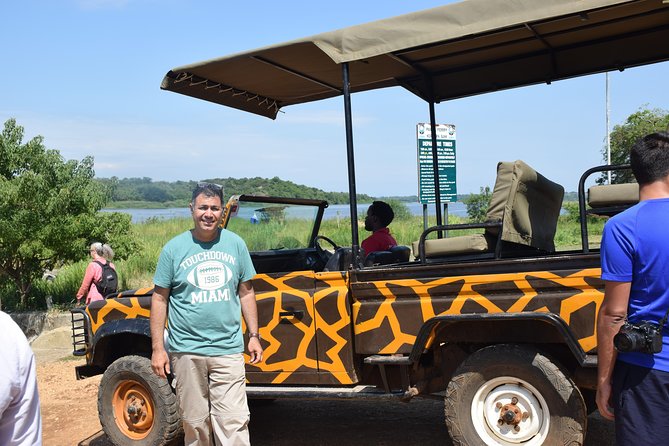
- Lake Bunyonyi boat cruise: island stops focused on birds and local cultural moments, not just scenic time.
- Ranger briefing at Bwindi: you get an official start from UWA before you enter the forest.
- Gorilla trek timing varies: your day can be a few hours or a long forest day depending on the gorilla location.
- Packed lunch matters: you’ll want your lunch ready for the day’s track.
- Small group size: up to 18 people, with a more controlled pace than large tours.
- Return flexibility: you can be dropped back in Kampala or at Entebbe for your flight.
A smooth Kampala start with transfers and small-group pacing
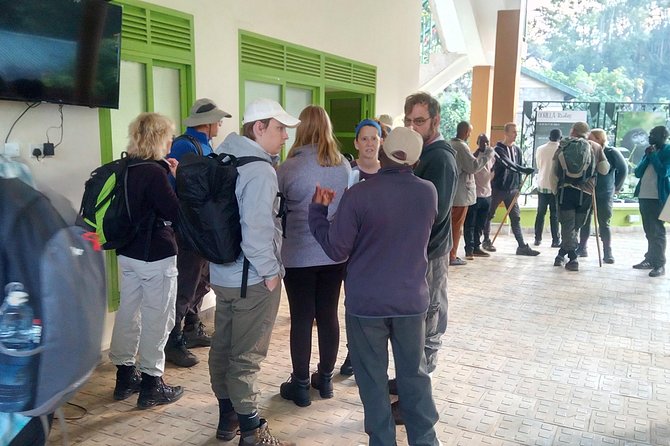
The tour starts at 6:30 am, which is early in the best way. Gorilla trekking tends to work on conservation-friendly timing, and an early start helps you get into Bwindi with enough daylight to handle whatever the forest throws at you.
This is also the kind of trip where logistics matter because two different worlds are involved: lakeside Uganda one day, dense forest the next. You’ll get pickup, and the tour uses a mobile ticket, with confirmation provided at booking time.
Group size caps at a maximum of 18. That number matters because it shapes the feel of the days. In smaller groups, it’s easier to keep track of everyone, follow instructions, and move at a steady pace without the chaos that can happen when people bunch up.
You should also plan for a moderate fitness level. The trek day is the real physical test, and it involves walking through forest conditions where you’ll want to be comfortable moving for hours if it runs long.
You can also read our reviews of more tours and experiences in Kampala.
Lake Bunyonyi Overland Camp: birds, islands, and cultural stops
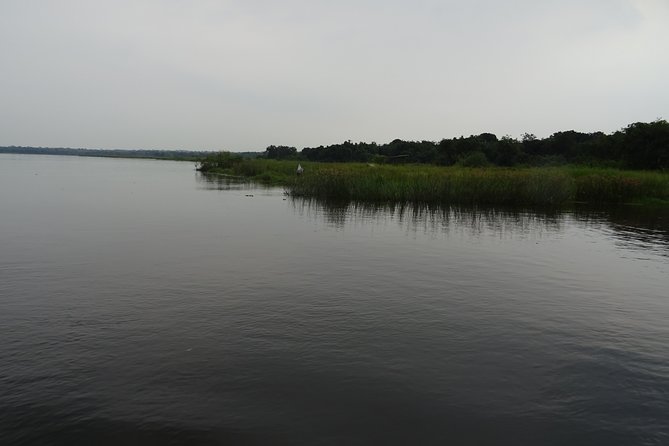
Day one is built for settling in. You arrive in the afternoon and check into Bunyonyi Overland Camp, then you get lunch and time to relax. That matters because lake days can’t be rushed if you want to enjoy them, and you’ll feel the difference after the gorilla trek day.
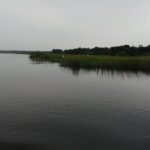
The highlight here is the afternoon boat cruise. It’s not just a cruise around the lake; you can visit some islands. On those island visits, you may spot a lot of water birds, which is a big win if you like wildlife spotting without waiting for a trek.
There’s also a cultural element mentioned for the islands—traditional dancers and Pygmies. You should think of this as part of the local storytelling around Lake Bunyonyi rather than a separate, ticketed show. Still, it’s good to keep an open mind, and it’s worth watching with respect for how the performances fit into local life.
Practical tip: bring layers for the boat ride. Even if the sun is out, lake air can shift, and you’ll be outside longer than you expect once you start hopping between viewpoints and island stops.
Dinner and overnight at the camp finish the day in a way that feels restful. You go to bed knowing tomorrow’s goal is straightforward: get to Bwindi and track the gorillas.
Bwindi Gorilla Trek: ranger briefing and a day that can stretch
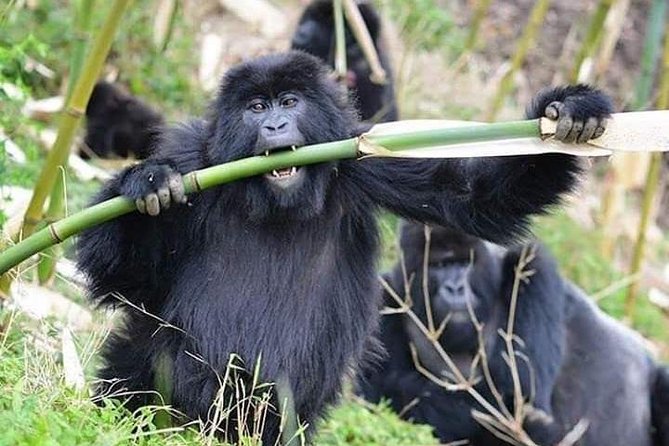
Bwindi Impenetrable National Park is the main event. The day starts with a drive to the park, then a briefing from your ranger guide at the UWA offices. That briefing is more than formality. It’s where you learn how to move safely, how to keep your distance, and what to expect in the forest so you can focus on the moment when gorillas appear.
Your actual gorilla tracking can take a couple of hours or a whole day. That range isn’t a vague promise; it’s the reality of where the gorillas are and how quickly you can reach them. So if you have a tight flight schedule, build in wiggle room.
You should also remember the note about packed lunches. This is not a day where you want to improvise food after the trek starts. Carry your lunch prepared and keep it accessible so you can eat when the timing works.
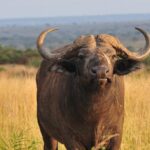
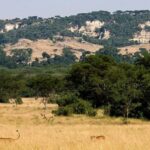
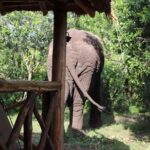
The forest is alive with other wildlife. During the trek, you might spot forest species such as buffaloes, elephants, black-fronted duikers, and bush bucks. Even when gorillas aren’t immediately visible, that background wildlife is part of what makes Bwindi so absorbing.
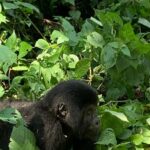
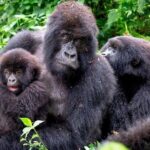
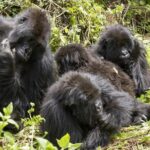
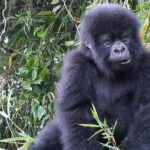
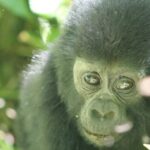
And yes, the gorilla encounter itself is the humbling part of the trip. You’re close enough to see them eat, play, and bond with their young—close enough that you realize you’re the guest in their world. If you’re the type who likes photos, remember that the most memorable images are often the calm, waiting moments rather than the frantic shoot.
What to expect in Bwindi’s forest (and how to prep)
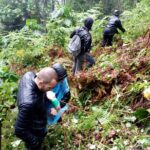
The trek is done through an ancient forest environment, and that means slow travel, changing footing, and a lot of listening as well as looking. You’re moving with a ranger guide, so you’re not out there on your own, but the conditions still shape the day.
Because you might see animals like buffaloes and elephants, it’s smart to follow every ranger instruction fast—no negotiating, no rushing ahead, no slipping off the group. This is one of those times where discipline makes the experience better, not worse.
You’ll also want to be mentally ready for uncertainty. When gorillas decide to move, your path changes. When weather shifts, the forest atmosphere changes. When the group meets gorillas, the day narfs from plans into reality.
A good packing approach is to keep things simple. You don’t need to overthink gear, but you do want clothing that works for walking and a way to handle rain if it shows up. The tour also states the experience requires good weather, so you can expect some flexibility in case conditions turn.
If you’re a photographer, plan to keep your camera protected and your hands free when moving. It’s easy to get so focused on the shot that you forget how slippery forest ground can be.
Finally, keep in mind that the gorilla encounter is brief compared to the walk time. The walk can be long; the moment of seeing gorillas is the payoff.
Entebbe and Kampala on Day 3: timing, lunch stops, and the Equator option
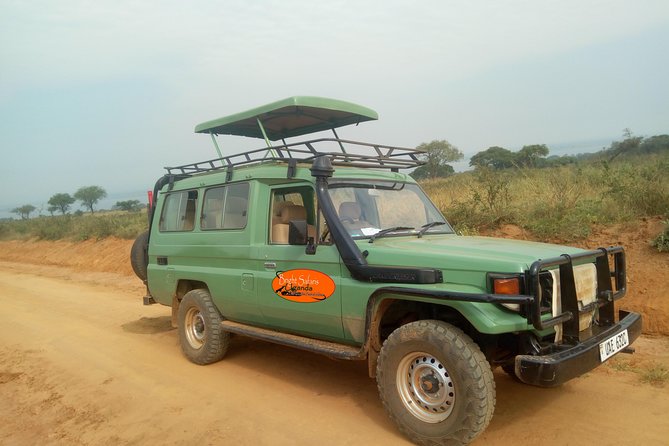
Day three shifts gears from tracking to getting you home smoothly. After breakfast, you drive back toward Kampala. The drive includes a stopover for an en-route lunch, which helps keep the day from feeling like a long transfer with no breaks.
There’s also an Equator stop if you happen to have missed it earlier. This is optional in the sense that your route can adjust based on whether you already did it, but the idea is clear: it’s a quick cultural-and-geographic highlight during the return day.
Your guide drops you back either at your accommodation in Kampala or at Entebbe if you’re catching a flight. That flexibility is useful because not everyone ends their Uganda days in the same place.
One more small detail that matters: the tour ends with support and thanks, which is part of what you want on a short, high-intensity trip. When the final day is smooth, it helps you remember the gorilla day as a success instead of a scramble.
Price and value: why $2,194.88 can make sense here
The price is $2,194.88 per person for a three-day trip. That number can look steep if you’re only thinking of transportation. But this itinerary includes the hard-to-get centerpiece: gorilla tracking.
A key value clue is the way admissions are shown as free for the main activities. Lake Bunyonyi has a boat cruise marked as admission free, and the gorilla tracking day at Bwindi is also marked admission ticket free. In other words, your biggest costs are being handled within the tour structure rather than hitting you later as surprise line items.
You’re also buying more than a ticket. You get professional guide/drive support from the start time in the morning, organized transfers between regions, and a defined pace that keeps the trip from turning into “figure it out” travel.
There’s also a practical quality-of-life factor. Staying at Bunyonyi Overland Camp on day one means you aren’t constantly chasing lodging plans while tired after arrival. Then day two focuses on the forest with briefing and a realistic schedule.
That said, value depends on fit. If you’re expecting a slow, leisurely week with lots of extra activities, this three-day format is intense. If you want a focused Uganda highlights run—lake + gorillas—this pricing structure can feel fair because it centers on the permit-based experience and the logistics around it.
Who should book this 3-day Bunyonyi and Gorilla Tour
This is best for people who want two top Uganda experiences without adding extra hotel nights. Lake Bunyonyi is for calm, birds, and island time. Bwindi is for the one thing most people fly to Uganda for: mountain gorillas.
It also fits you if you like a guided day that handles the tricky parts. You get ranger briefing, you bring a packed lunch, and you follow the route that gets you into the forest at the right time. That guidance matters if this is your first gorilla trekking trip.
The physical requirement is listed as moderate fitness. If you’re okay walking for hours on uneven ground and can handle a day that might last longer, you’ll likely be comfortable with the trek day’s timing range.
If you’re sensitive to long travel days, plan your expectations. Day two involves driving to Bwindi and then walking in the forest. Day three is mostly return driving, with lunch and an Equator stop option.
And if you’re traveling with family, it can work—small group size helps—but you should be honest about who can handle the trek length if it becomes a full-day track.
Should you book Bright Safaris Uganda for this tour?
If your priority is Lake Bunyonyi plus a real gorilla tracking day in Bwindi, I think this tour is a strong choice. The schedule is compact, the group size stays reasonable, and the big activities are clearly built into the tour price structure, with admissions shown as free for the main elements.
Book it if:
- you want a guided experience with clear morning start timing and transfers handled
- you’re okay with a trek day that can run from a couple of hours to all day
- you appreciate having a settled first-night base at Bunyonyi Overland Camp
I’d reconsider if:
- you can’t handle physical movement through forest terrain
- you need strict timing for flights and you can’t absorb the variable trek length
- you don’t do well with “weather and location decide the day” scenarios
If you can handle those realities, this is one of the more efficient ways to hit two Uganda icons without wasting days.
FAQ
What time does the tour start?
The tour meeting start time is 6:30 am.
Does the tour include pickup?
Yes, pickup is offered.
Where do you stay on the Lake Bunyonyi day?
You check in at Bunyonyi Overland Camp on the Lake Bunyonyi day.
How long is the gorilla trekking day?
Gorilla tracking can take a couple of hours or a whole day, depending on where the gorillas are.
Do I need to bring packed lunches?
Yes. You are advised not to forget to carry your packed lunches for the gorilla trekking day.
Is there a group size limit?
Yes. The tour has a maximum of 18 travelers.
What kind of physical fitness level do I need?
The tour notes that travelers should have a moderate physical fitness level.
What is the cancellation window for a full refund?
You can cancel up to 6 days in advance for a full refund, and changes made less than 6 days before the experience start time are not accepted.