REVIEW · HANOI
From Hanoi: 3-Day Sapa Trek with Guide, Homestay and Meals
Book on GetYourGuide →Operated by VIETNAM GOLF PACKAGE · Bookable on GetYourGuide
That first downhill walk into a valley hits fast. This 3-day Sapa trek takes you from Cat Cat’s waterfall area to the big Muong Hoa rice-terrace day, then ends at Giang Ta Chai. I love how the route mixes active hiking with real village time, not just quick photo stops. I also love that the trip is powered by an English-speaking guide, with names Su and Mu showing up in how people describe the care they got. The main consideration is fitness: expect about 9–15 km of trekking total, and it isn’t recommended for seniors.
If you’re trying to understand Sapa beyond town markets, this itinerary helps. You’ll eat family-made food, meet ethnic community members, and get time in a basic but memorable homestay setting. Just be ready for cool weather and possible fog in winter months, which can affect visibility and comfort.
In This Review
- Key Things to Know Before You Go
- Why Sapa Feels Different When You Actually Walk It
- Day 1: Hanoi to Cat Cat Village, Plus a Waterfall Linked to French Engineering
- Day 2: 12 km Through Muong Hoa Terraces to Lao Chai and Ta Van’s Homestay
- Day 3: Giang Ta Chai Viewpoints, Bamboo Forest Walking, and Back to Sapa
- The Guide Makes It: English Support You’ll Actually Feel
- Homestay and Hotel Setup: Simple, Real, and Part of the Tradeoff
- Price and Logistics: What You’re Really Paying for
- What to Bring for Sapa: Shoes, Warm Layers, and Cash
- Who Should Book This Sapa Trek (and Who Should Skip)
- Should You Book This 3-Day Sapa Trek?
- FAQ
- Is the tour duration really 3 days with fixed start times?
- What’s included in the price of $138 per person?
- Do I have to pay extra for the Hanoi to Sapa transfer?
- How far and how long are the trekking days?
- What is the homestay like in Ta Van Village?
- Which ethnic villages do we visit?
- What should I bring for the trek?
- Is fog common in Sapa?
- Can I cancel and get a refund?
Key Things to Know Before You Go
- Cat Cat is a real village trek: you’ll walk down toward a waterfall area tied to a French hydraulic power station.
- Day 2 is the workday: about 12 km along the Muong Hoa Stream through rice terraces to Lao Chai and on to Ta Van.
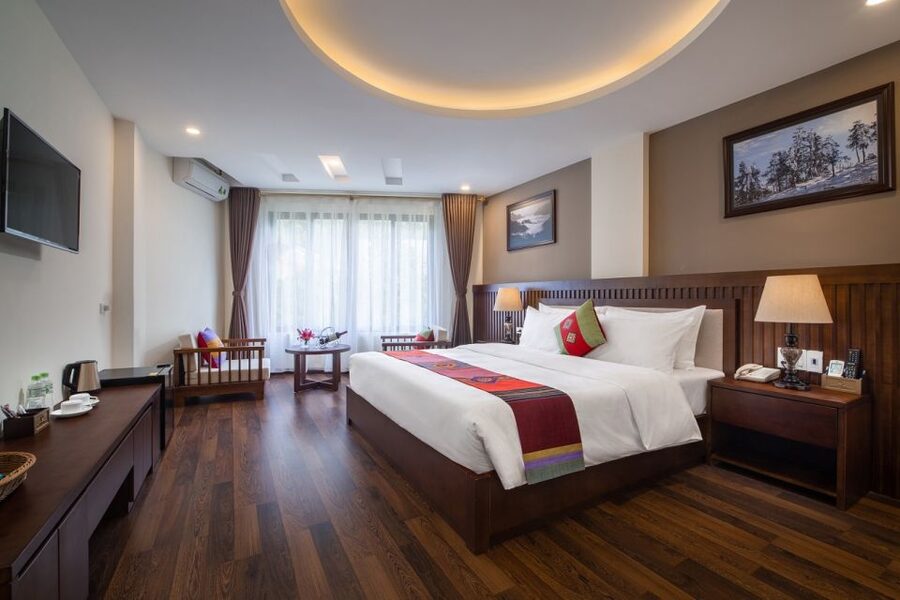
- Homestay life is basic, meals are included: you’ll sleep in a bungalow and eat what the family cooks.
- Expect cultural stops tied to specific groups: Black Hmong at Cat Cat and Lao Chai, Dzay in Ta Van, red Dzao at Giang Ta Chai.
- Winter fog can change your photos: December through March can mean reduced visibility in Sa Pa.
Why Sapa Feels Different When You Actually Walk It
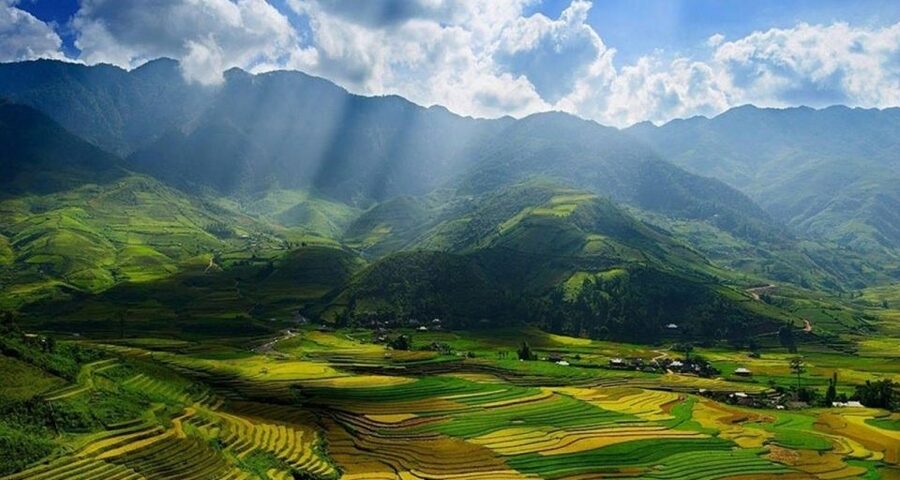
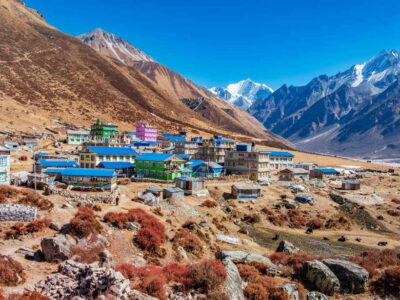
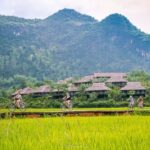
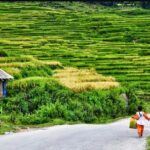
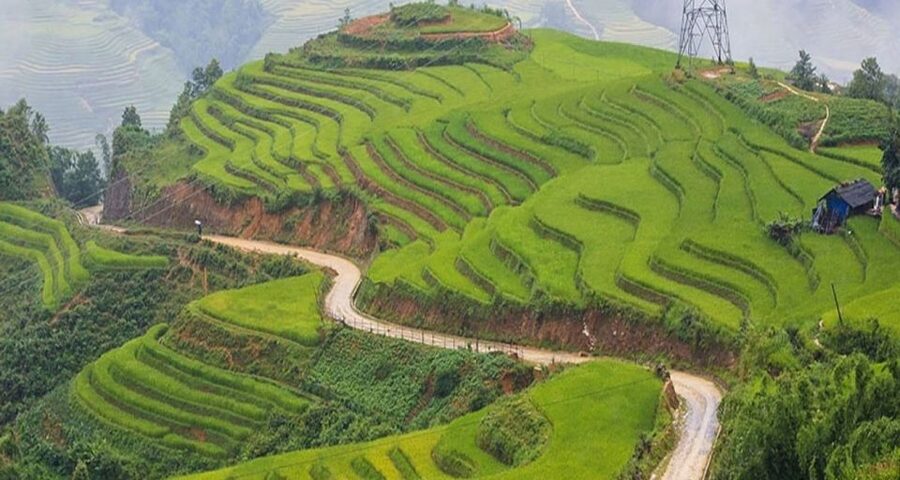
Sapa’s reputation is all about views, but the best part is what you learn while walking between communities. This trek is built around that in-between space: rice terraces that people farm by hand, stream edges where paths make sense, and villages where daily routine is the point.
You’ll spend time moving through the Hoang Lien Son mountain region and the Muong Hoa area, then slow down when the trail opens up. That rhythm matters. It turns Sapa from a postcard place into a lived-in place, with food and conversation as part of the day, not a side quest.
You can also read our reviews of more tours and experiences in Hanoi.

Day 1: Hanoi to Cat Cat Village, Plus a Waterfall Linked to French Engineering

The day starts with a long but manageable transfer from central Hanoi to Sapa. Pickup runs early—typically 6:00 to 6:30 from the Hanoi Old Quarter area if you take the bus option—then you’ll make rest stops in Lao Cai city before reaching Sapa around 13:00.
When you arrive, you’ll get your first look at the area’s ethnic mix through traditional costume wear (H’mong, Dzao, Tay). After lunch with local Vietnamese dishes, you head out for a shorter trek: about 3.5 km over roughly 2 hours.
Your walk targets Cat Cat village, home to Black H’mong people, tucked near the bottom of a deep valley at the foot of Fansipan Peak. The route is a mix of easy-to-moderate walking and changing elevation, with a downhill section that feels like you’re stepping into a different climate.
The signature moment is the walk down to the valley bottom for the waterfall area, including the bridge and waterfall views connected to a French-built hydraulic power station. It’s one of those stops where the story gives the scenery context—why the water matters here, and why the engineering left a visible mark on the area.
By mid-afternoon you’re back in Sapa town (around 16:30), then you’ll have dinner and overnight at a hotel. There’s time for evening routines and night activities, which helps you avoid the trap of a “trek-only” day where you’re too tired to enjoy town.
Best for you if: you want a gentle start that still feels like you’re earning your views.
Consideration: since you’re traveling most of the morning, day 1 can still feel long, even if the trek itself is shorter.
Day 2: 12 km Through Muong Hoa Terraces to Lao Chai and Ta Van’s Homestay

Day 2 is where the trip earns its reputation. After breakfast at your Sapa hotel and checkout, you start trekking around 8:30 to 8:45. This is the big one: about 12 km over roughly 4 hours.
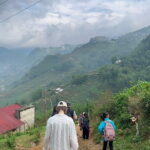
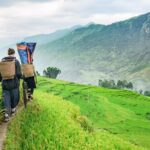
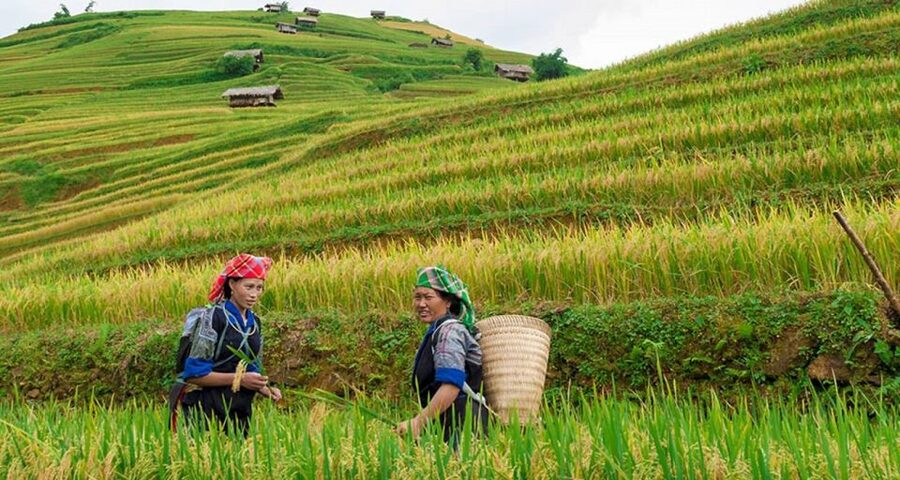
The route follows rice terraces and the Muong Hoa Stream toward the Black Hmong village of Lao Chai. As you move, you get repeated glimpses toward the Hoang Lien Son mountain area, with the trail threading between farming plots rather than cutting through open sightseeing fields.
This day is about effort plus payoff. You’re walking for hours, but you’re not stuck with the same kind of view the whole time. The terraces change by angle and elevation, and the stream adds a constant reference point.
Around midday, you stop for lunch prepared by a family. That’s a key part of why this tour works: it’s not just “eat included.” It’s that you’re eating in the place where farming and village life set the pace for the day.
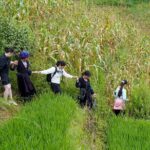
In the late afternoon you arrive at Ta Van Village, home of the Dzay ethnic group. You check in to a bungalow, meet the family, and then shift from trekking mode into mountain-life mode. Sunset time is built in, so you’re not rushing your first real look at how the village sits in the valley.
You might also join in cooking local dishes with the family, then have dinner in a calmer, quieter setting than town. After dinner, there’s an option to join a local bar nearby with music and socialize with other people—useful if you want company, and optional enough that you can skip it if you want to rest early.
You sleep in the bungalow in Ta Van Village for a second night, which keeps the feel of the trip grounded. You’re not just visiting rural Sapa; you’re staying where people live.
Best for you if: you want a full trekking day plus real homestay time, not just a quick cultural stop.
Consideration: the 12 km distance is the clearest “fitness check” in the whole itinerary.
Day 3: Giang Ta Chai Viewpoints, Bamboo Forest Walking, and Back to Sapa
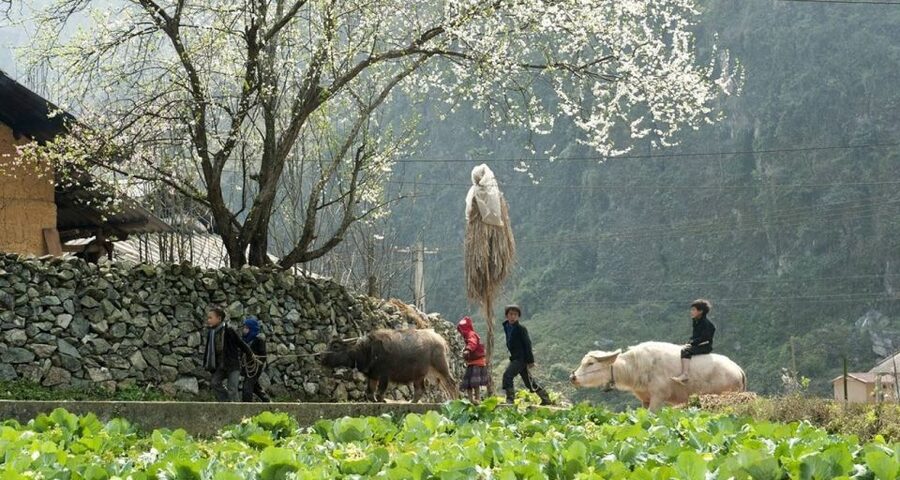
Your last day starts with breakfast prepared by the family at Ta Van around 8:00, then you head back out on foot. This time the trek is shorter—about 3 km—and runs about 3.5 hours, which is a nice break after day 2.
You’ll pass through rice paddies for a photo session where the scenery is framed by terraced fields and mountain angles. Then you move through a bamboo forest section, which feels like a change in sound and temperature as the trail tightens.
Midday-ish, you reach a panorama view of Giang Ta Chai village, home of the red Dzao people. This stop is built for looking—taking in how the village location connects to paths, ridgelines, and the terraced farmland around it.
After that, you continue walking to the Giang Ta Chai Bridge and then back to the main road. The bus picks you up and you return to Sapa town for lunch around 12:30 to 13:30.
The afternoon is flexible time to relax and enjoy before your planned meeting with the group to prepare for the ride back to Hanoi. You’ll depart Sapa around 15:30, with two rest stops, and arrive back in Hanoi around 21:30 to 21:45.
Best for you if: you want a strong cultural end without more long-distance hiking.
Consideration: day 3 is shorter, but you’re still walking on uneven paths—comfortable shoes matter here.
The Guide Makes It: English Support You’ll Actually Feel
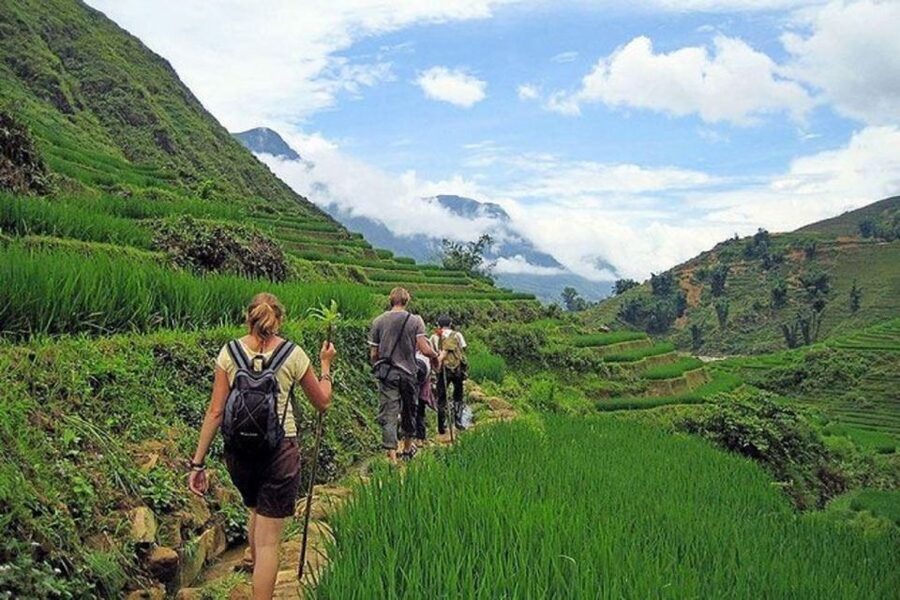
An English-speaking guide isn’t just a comfort feature here—it’s how you connect the dots while you’re moving. With this kind of trek, what you’re seeing matters, and you’ll get context on daily activities, village routines, and the meaning behind the places you walk through.
In the way people describe their experiences, Su and Mu stand out as guides who provide real care and keep the group moving with attention to safety and pace. That matters on day 2, when the trail requires steady attention for hours and conditions can change quickly.
You also get an English audio guide included. Between the live guide and audio support, it’s easier to understand what you’re looking at without needing to stop and guess constantly.
Practical takeaway: if you’re the type who likes asking questions, this itinerary gives you a lot of chances—during village time, during meal time, and while walking between stops.


Homestay and Hotel Setup: Simple, Real, and Part of the Tradeoff
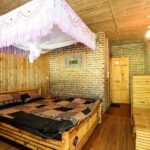
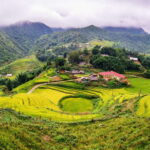
This trip gives you one night in a basic homestay bungalow in Ta Van Village and one night in a hotel in Sapa town. That means you get comfort one day and a more rustic setup the other.
Homestays in this part of Vietnam are typically functional rather than fancy. Plan for simple facilities. If you’re someone who needs modern bathroom comforts or quiet luxury, you may find the homestay part challenging. But if you treat it like a cultural exchange—sleeping close to village life—then it’s one of the best parts of the itinerary.
Meals are included on all days, and that’s a big deal. In rural areas, your best meal often comes from where you’re staying. Here, lunch and dinner are built around family cooking, so you’re not spending the day searching for food or making compromises.
One more small but important detail: you’ll want warm layers for evenings and mornings. Even when Sapa looks mild in town, the valley can feel colder once you stop moving.
Price and Logistics: What You’re Really Paying for
At $138 per person, this trek includes a lot of the stuff that usually inflates costs on multi-day tours. You’re covered for:
- all meals
- an English-speaking tour guide
- transportation in Sapa
- village entrance fees
- 1 night at a homestay and 1 night at a hotel
What’s not included is equally important. Drinks are extra. And the big missing piece for many people is the Hanoi–Sapa–Hanoi transfer surcharge. The cost depends on the option you choose: a shuttle bus or a limousine round trip, with per-person add-ons listed in the tour details.
If you’re traveling solo, there may also be a single supplement for a private room. So when you compare prices with other Sapa tours, make sure you calculate the real total with the Hanoi ride included, not just the base price.
Value check: for $138, you’re buying more than hiking. You’re buying guidance, meals, village entry, and two kinds of lodging. If you were to do the trek independently, you’d likely end up paying something similar in transport plus paying for guides and meals on top of it.
What to Bring for Sapa: Shoes, Warm Layers, and Cash

Sapa trekking is outdoors, and weather can turn. Pack warm clothes like a scarf, hat, and cap. Bring trekking shoes. Add sunglasses, sunscreen, and insect repellent.
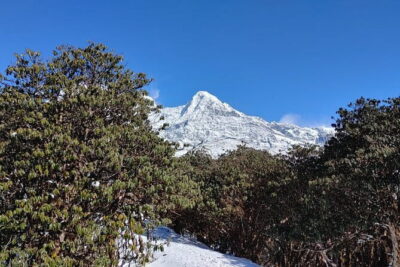
Fog is a real seasonal factor. From December through March, Sa Pa can be foggy, which can make early views less sharp than you hoped. You’ll still enjoy the trek, but your photo expectations should adjust. Good news: walking in the fog still feels special because village details and path textures stand out even when distance views disappear.
Bring passport or an ID card. And bring cash in Vietnamese dong. The banking system in Sa Pa can be unreliable, and the tour notes that US dollars, euros, and Australian dollars are accepted, which helps if you’re carrying limited local currency.
Also plan for medicines. While there are some pharmacies in Sa Pa, the tour suggests bringing anything you need with you.
Who Should Book This Sapa Trek (and Who Should Skip)
This tour works best if you like walking through real working areas—rice terraces, streamsides, and villages—and you’re comfortable with a full day of hiking on day 2.
It’s not recommended for senior citizens because of the trek distance (about 9–15 kilometers total). It’s also not suitable for children under 6, and it’s not for wheelchair users.
If you’re afraid of getting cold, or you dislike simple lodging, then the homestay and winter conditions may not match your style. But if you’re okay with basic facilities in exchange for a family stay and included meals, you’ll likely find the tradeoff worthwhile.
Finally, pets aren’t allowed, so plan for that if you’re traveling with animals.
Should You Book This 3-Day Sapa Trek?
Book it if you want a guided trek that connects the main Sapa highlights with actual time in ethnic villages, including family meals and a real homestay night. This is also a good choice if you’d rather have an organized pace than piecing together transportation and village visits on your own.
Skip it (or choose a shorter, gentler option) if your priority is easy walking, or if you can’t comfortably handle several hours of hiking on day 2. Also think twice if fog-heavy winter weather would ruin your trip expectations, or if basic homestay facilities won’t feel right for you.
In the right mindset, you’ll come away with the kind of Sapa memory that isn’t just a photo. You’ll remember the walk down to the waterfall area, the long day along Muong Hoa Stream and terraces, and the quieter homestay evening where the day finally slows down.
FAQ
Is the tour duration really 3 days with fixed start times?
The tour runs for 3 days, but the exact starting times can vary. You’ll need to check availability to see the specific departure timing for your dates.
What’s included in the price of $138 per person?
Included items are all meals, an English-speaking tour guide, transportation in Sapa, village entrance fees, 1 night at a homestay, and 1 night at a hotel.
Do I have to pay extra for the Hanoi to Sapa transfer?
Yes, the Hanoi–Sapa–Hanoi transfer is not included in the base price. An extra surcharge is listed for shuttle bus or limousine options for the two-way trip.
How far and how long are the trekking days?
The first day trek is about 3.5 km for around 2 hours. Day 2 is about 12 km for about 4 hours. Day 3 is about 3 km for about 3.5 hours.
What is the homestay like in Ta Van Village?
The homestay is basic with simple facilities. You’ll sleep in a bungalow and have included meals prepared as part of the family stay.
Which ethnic villages do we visit?
You’ll visit Cat Cat Village (Black H’mong), Lao Chai (Black Hmong), Ta Van Village (Dzay ethnic group), and Giang Ta Chai Village (red Dzao people).
What should I bring for the trek?
Bring a passport or ID card, warm clothing (scarf, hat, cap), trekking shoes, sunglasses, sunscreen, and insect repellent. You should also bring any needed medicines.
Is fog common in Sapa?
Yes. From December through March, Sa Pa can be foggy, which can reduce visibility for some views.
Can I cancel and get a refund?
You can cancel up to 24 hours in advance for a full refund.