REVIEW · HANOI
Hanoi- SaPa: 3-Day Homestay Trek to Explore Ethnic cultures
Book on GetYourGuide →Operated by Vietnam Nomadtrails · Bookable on GetYourGuide
You feel Sapa before you see it. This overnight trek from Hanoi turns into a 3-day walk with homestays in Ta Van and Ban Ho, with an English-speaking guide (some groups are led by Su or Sang).
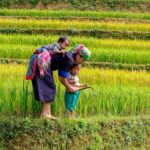
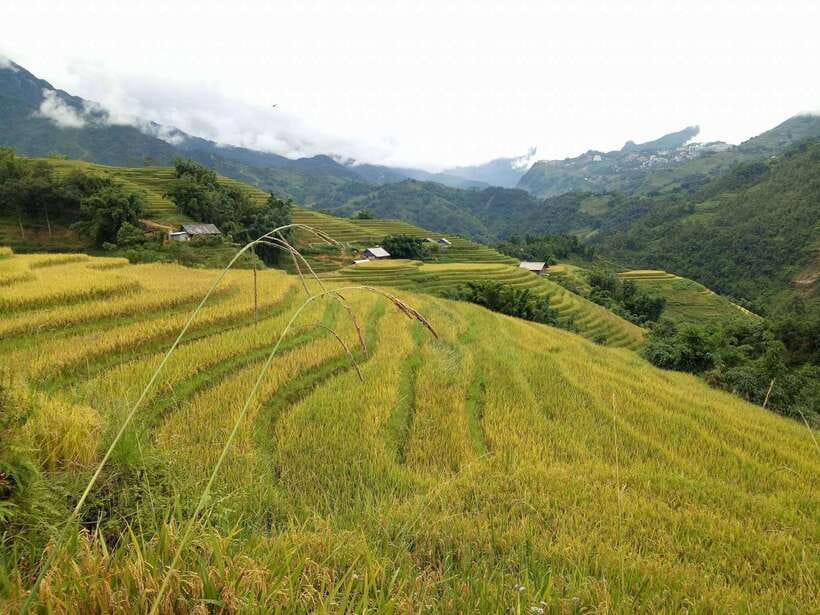
I like how the route is set up for real culture, not just scenery. You get to photograph rice-terrace country and then spend time talking with Hmong and Giay families in the villages.
One thing to consider: the overnight bus to Sapa can feel rough and cold, and the trail is tiring even though it is well guided.
In This Review
- Key things you should notice before you book
- The overnight Hanoi to Sapa start: efficient, but be ready
- Entering the trail with a guide and a small group
- Day 1: From Y Linh Ho to Lao Chai (Hmong) and onward to Ta Van (Giay)
- Day 2: Bamboo forest to Red Dzao villages, then Rattan Bridge and Ban Ho
- Day 3: Sunrise in Ban Ho valley and a short trek to Nam Tong
- Food, water, and the homestay rhythm
- Price and value: why $139 can make sense (or not)
- Who this trek is for, and who should skip it
- What to pack (and how to get the most from village time)
- Should you book this 3-day homestay trek from Hanoi?
- FAQ
- Where is the pickup point in Hanoi?
- What time does the tour arrive in Sa Pa?
- How many people are in the group?
- What meals are included during the 3 days?
- How many nights do you stay in homestays?
- What should I bring for the trek?
- Is the tour suitable for everyone?
- What language is the guide?
Key things you should notice before you book
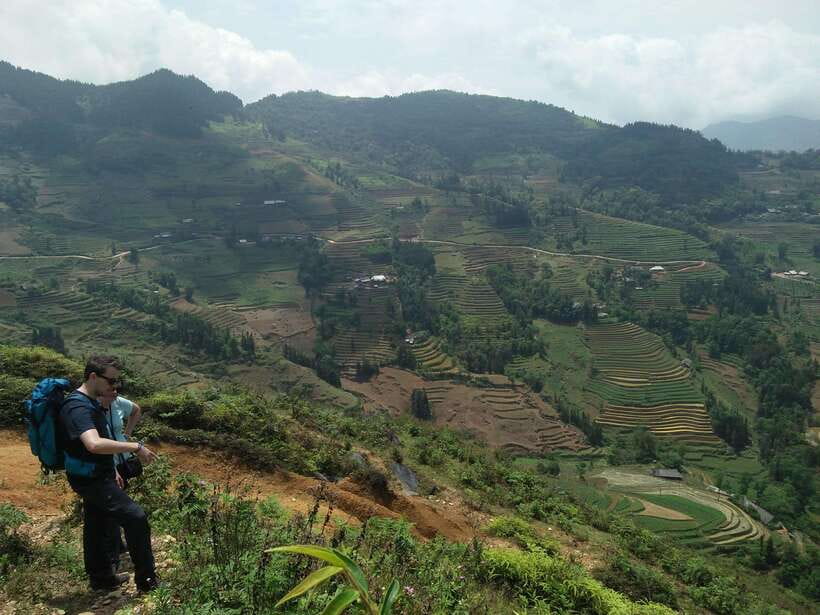
- Small group (up to 14): you get more personal attention on the trail and in village time.
- Two homestays in real villages: you sleep with families and learn daily rhythms, not staged performances.
- A guide who adapts: some groups report their guide worked routes around weather and how they were feeling.
- Day 3 sunrise in Ban Ho valley: that early start is part of the payoff.
- Plenty of included meals: plus mineral water, though you may need to budget for beverages.
- Fitness matters: expect muddy days, steep paths, and long walks over three days.
The overnight Hanoi to Sapa start: efficient, but be ready
This trip starts with pickup from the Hanoi Old Quarter area at around 20:45. Then you ride to Sa Pa overnight, arriving around 4:00 AM the next morning. You get a chance to sleep on the bus until about 6:00 AM, when you’re woken up and taken to a boutique hotel for breakfast.
In practice, this part can make or break your mood. One review called the sleeping bus dirty and uncomfortable, and that matches what you should expect on a long haul in a sleeper-style setup. On the other hand, arrival is smooth when it works: at least one group said they were able to shower/change and eat breakfast right after getting to Sa Pa.
If you get cold easily, bring layers. Even when you do everything right, you’ll likely feel chilly on that early morning. And if you need a private nap before trekking, understand that hotel room timing can vary.
You can also read our reviews of more tours and experiences in Hanoi.
Entering the trail with a guide and a small group
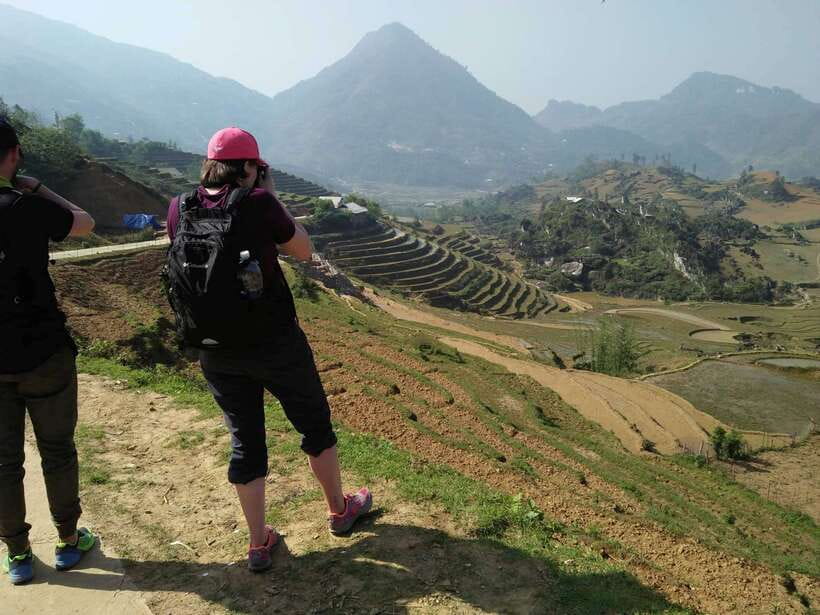
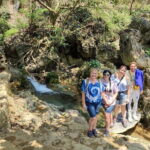
On Day 1, after breakfast and meeting your group, you start trekking at around 9:00 AM with your guide. The tour is led in English, and the group size is capped at 14 people, which helps with pacing and questions.
What I appreciate most here is how the guide’s role goes beyond pointing. Guides on this trek often know the villages you’re passing through and explain daily life in plain terms. In multiple accounts, guides were described as attentive, flexible, and good at sharing extra stories that connect the photos to people’s real routines.
That matters because these walks can feel long when you’re thinking about only distance. With a guide talking through what you’re seeing, the hours move faster, and you learn faster too.
Day 1: From Y Linh Ho to Lao Chai (Hmong) and onward to Ta Van (Giay)
Day 1 runs from Lao Cai to Ta Van. After pickup and breakfast, your guide starts you trekking toward Lao Chai in the Hmong area, passing through Y Linh Ho village.
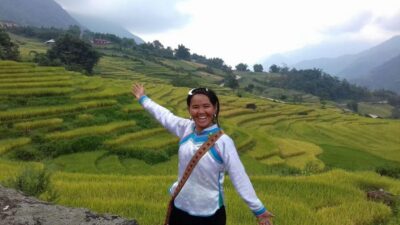
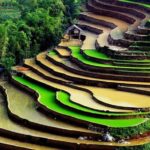
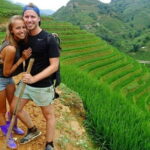
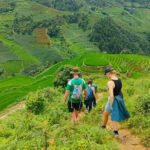
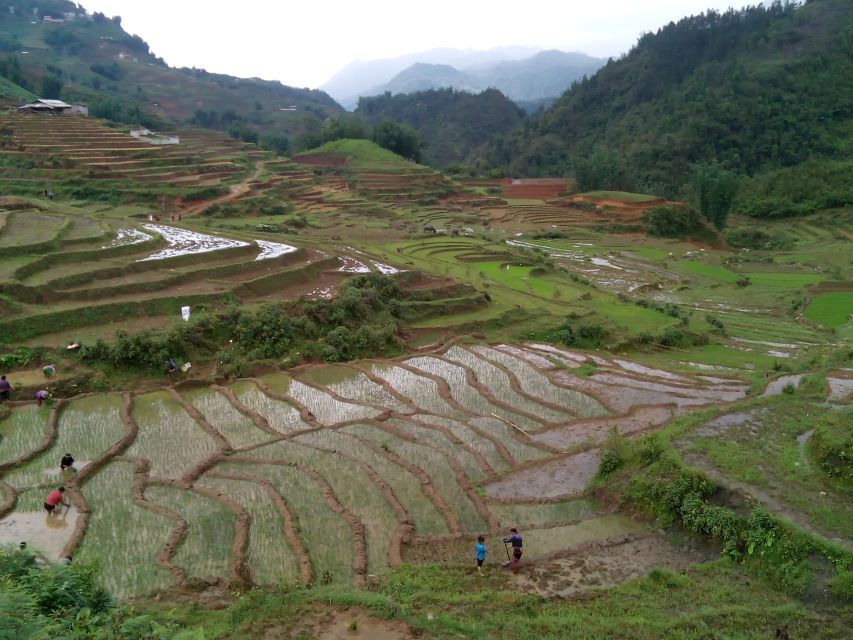
You’ll usually get the kind of views people come for—rice fields, ridgelines, and that layered valley feeling. But what I like is that you don’t just stare. You stop for lunch inside a local family setting in Lao Chai, which turns the meal into a culture moment instead of a fuel stop.
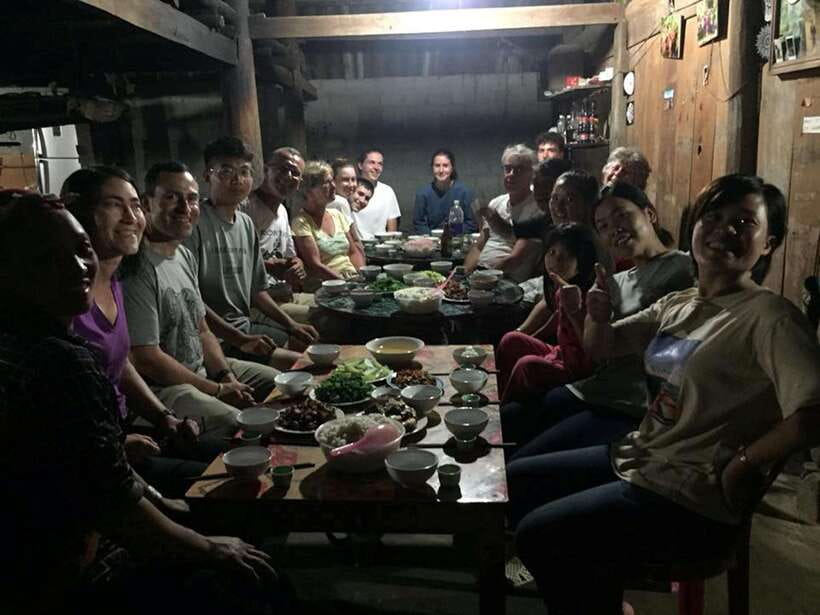
Then you continue trekking to Ta Van village, where the Giay people live. That evening is your first homestay experience. It’s where the tone shifts from hike to relationship: you’re not just passing through a village—you’re staying and sharing time with your hosts.
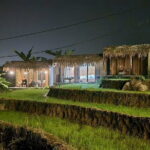
In the homestay, you should expect the basics to be simple and family-run. In the reviews, hosts were described as welcoming, with food portions that were generous. If someone offers you rice wine, you can politely decline—your comfort comes first.
A potential drawback for Day 1: weather. Sa Pa can be cold and wet early in the year. One traveler said the first day was freezing, with heavy rain and low visibility. Even so, the trade-off was that later days opened into clear, dramatic views.
Day 2: Bamboo forest to Red Dzao villages, then Rattan Bridge and Ban Ho
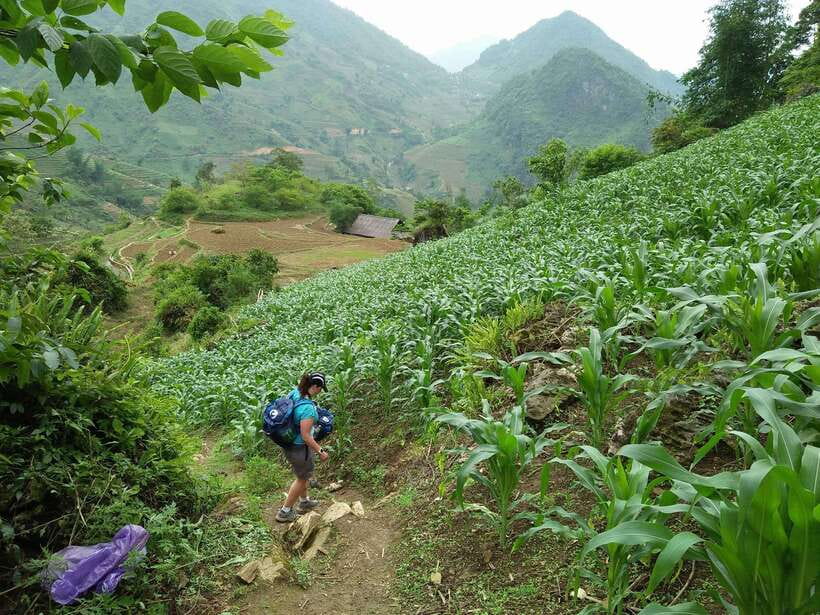
Day 2 starts with breakfast in Ta Van, then you set off on foot again. The trail takes you through a bamboo forest toward Giang Ta Chai village, where the Red Dzao community lives.
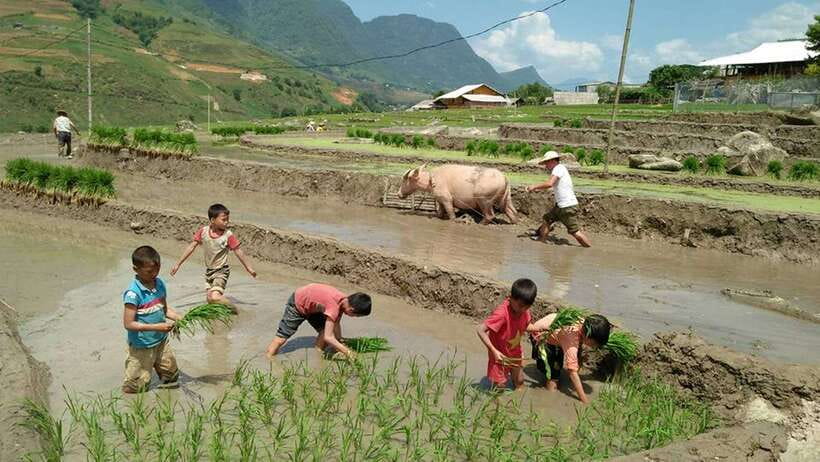
This day has a strong sense of movement and variety. One section is described as countryside walking along the trail—less about big stops and more about soaking in the daily farming landscape as you pass fields and paths.
You’ll also visit a rattan bridge and then step into a Red Dzao family home. That kind of stop helps you understand how infrastructure and home life work in a place where the terrain shapes everything. It also breaks up the walking with a human-scale moment.
Lunch is served during the trek on a footpath. That’s practical, and it keeps your schedule tight for the final leg to Ban Ho.
Then you reach Ban Ho village, where you get free time. Use it. This is a good slot to slow down, stroll, and watch village life without feeling rushed by transport times. That evening includes dinner and a second night homestay.
One note from reviews: water. Mineral water is included, but some people felt they went through it fast. Be prepared to buy extra drinks if you want more during lunch breaks. If you like staying hydrated, pack a small willingness to pay a bit extra for beverages.
Day 3: Sunrise in Ban Ho valley and a short trek to Nam Tong
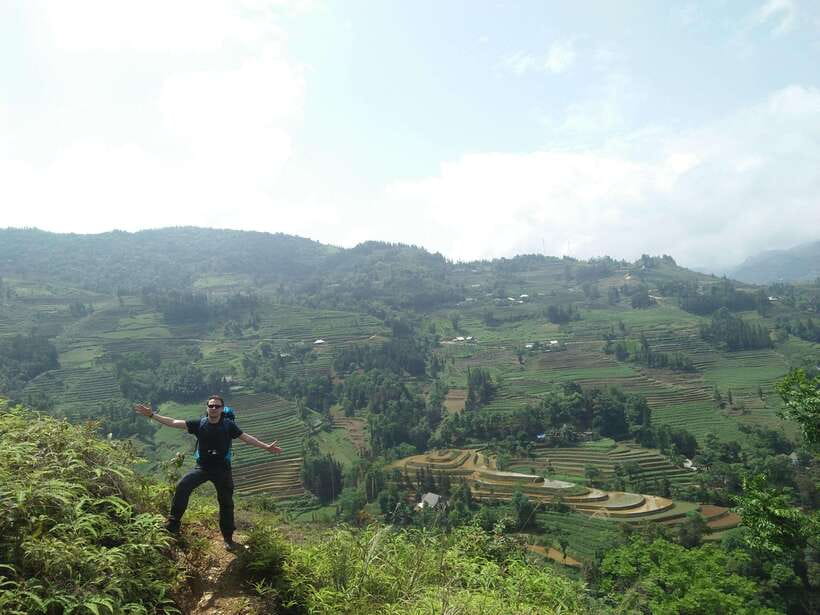
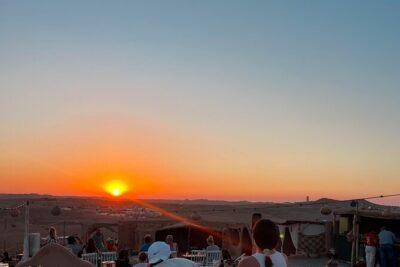
Day 3 is shorter on paper, but the early start is the point. After breakfast, you enjoy sunrise in Ban Ho valley. This is one of the trek’s most memorable windows because you see how the valleys look when the light changes.
Then you begin a short trek to Nam Tong village, also inhabited by the Red Dzao tribe. The focus here is cultural learning—listening to traditions and daily life, and using your guide to connect what you’re seeing with what it means.
After that, you return to Ban Ho. A van picks you up and you head back toward Sa Pa where you can relax before the ride back to Hanoi.
The bus back leaves Sa Pa at 4:00 PM and you arrive in Hanoi around 10:00 PM, ending back near the starting meeting point.
If you’re the type who hates rushed endings, take a small view: the trek is timed so you still get a full evening in Hanoi. Just don’t plan a late-night thing that requires high energy.
Food, water, and the homestay rhythm
Meals are a major part of the value here. The tour includes 3 breakfasts, 3 lunches, and 2 dinners, plus mineral water. That means you aren’t searching for food during the walk, which keeps the pace comfortable.
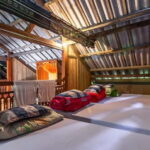
Food in homestays tends to be home-style and filling. Reviews describe excellent meals and generous portions, with families also willing to share rice wine. Some say there were many beverages available for a price during homestay time and along trekking areas.
What you should plan for:
- Breakfast is provided at your hotel/boutique hotel parts plus in the homestay on village mornings.
- Lunch is included and is often eaten during the trek or in a family setting.
- Dinner is included on the homestay nights.
If you’re a picky eater or have strong dietary needs, this is the one area where you might want to check directly with the operator before you go. The data here doesn’t spell out special menus.
Price and value: why $139 can make sense (or not)
At $139 per person for a 3-day trek with roundtrip transport, an English guide, meals, and two homestays, you’re paying for a bundled experience that would be annoying to assemble yourself.
Here’s what you get that’s hard to DIY cheaply:
- Roundtrip bus from Hanoi to Sa Pa and back
- An English-speaking guide who knows village routes
- Two nights sleeping in homestays (not just a hotel stay)
- Most meals across three days
- Mineral water included
The biggest “hidden” cost risk is beverages and personal spending, since beverages are not included. Also, there’s a $75 Lunar New Year surcharge for the period listed (Jan 26 to Feb 2, 2025). If you travel then, budget for it.
The value is strongest if you want guided access to ethnic communities and you like the idea of staying with families instead of doing day hikes only.
Who this trek is for, and who should skip it
This is a great fit if you want:
- A real homestay experience with local families (Ta Van and Ban Ho)
- Guided learning about ethnic cultures on foot
- A small group pace with an English-speaking guide
- Photos of rice fields and valley views tied to village life
It is not suitable for:
- People with limited mobility, wheelchair users, or those needing accessibility support
- Children under 6
- Pregnant women
Also, if you’re not comfortable walking on uneven ground, plan to sit this one out. Even though the trip is guided, the terrain and trekking hours are real.
Season matters. Warm clothes are recommended in Sa Pa from October to March. If you travel in that window, pack layers and expect cold mornings.
What to pack (and how to get the most from village time)
The basics you should bring are clearly spelled out, and I agree with them:
- Comfortable trekking shoes
- Sun hat and sunglasses
- Sunscreen
- Insect repellent
- Warm clothes for Sa Pa (Oct to Mar)
Then add two personal tweaks:
- Bring a small daypack you can carry comfortably for long stretches.
- Keep your expectations flexible on weather days. Visibility can drop hard on rainy mornings.
In village time, respect matters. Don’t treat homes like photo sets. Ask your guide what’s okay, watch how others behave, and remember that your host family is living their normal day, not performing for you.
Should you book this 3-day homestay trek from Hanoi?
If you want a hands-on Sa Pa experience—guided walks, ethnic village visits, and two homestays—you’ll probably love this. The trek is structured, the group is small, and the guide effort is a big part of why people call it a memory for life.
I’d book it if:
- You’re comfortable with early mornings and long walks
- You want cultural learning tied to daily living
- You’re okay with simple, family-run accommodations
I’d think twice if:
- The idea of an overnight sleeper-style bus makes you nervous
- You want a purely comfortable, hotel-based trip
- You have mobility constraints, are traveling with a child under 6, or are pregnant
If you’re deciding, my best advice is simple: match the trip to your energy level. This trek rewards people who show up ready to walk, listen, and be respectful. That’s when it turns into more than a photo stop.
FAQ
Where is the pickup point in Hanoi?
Pickup is available from 30 Hàng Muối, Lý Thái Tổ, Hoàn Kiếm, Hanoi, Vietnam. If you’re staying outside the Old Quarter, you must go to the bus station.
What time does the tour arrive in Sa Pa?
The bus arrives in Sa Pa at about 4:00 AM the next day.
How many people are in the group?
The group is limited to a small size, with a maximum of 14 participants.
What meals are included during the 3 days?
You’ll get 3 breakfasts, 3 lunches, and 2 dinners, plus mineral water.
How many nights do you stay in homestays?
You stay 2 nights in homestays.
What should I bring for the trek?
Bring comfortable trekking shoes, sunglasses, a sun hat, sunscreen, and insect repellent.
Is the tour suitable for everyone?
No. It is not suitable for limited mobility, wheelchair users, children under 6, or pregnant women.
What language is the guide?
The tour guide speaks English.