REVIEW · KATHMANDU
Mardi Himal Trek Nepal
Book on Viator →Operated by Magic Himalaya Treks · Bookable on Viator
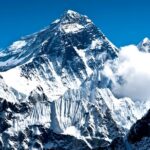
Mardi Himal delivers big mountain views on a short trek. This 9-day Annapurna-region walk with Magic Himalaya Treks is a smart pick if you want less crowding and more sky time, with standout panoramas of Machapuchare (Fishtail), Annapurna South, and Hiunchuli. I also like that the program is tightly organized for first-timers: airport and hotel transfers, a real guide/porter setup, and meals and permits handled along the way. One thing to consider is the early start and the mountain rhythm: you’ll be up and moving fast, and the trail involves long hikes and some narrow, steep sections.
My favorite part is how the trek threads through changing Nepal scenery—from forest walks to alpine meadows and rugged ridgelines—without feeling like a marathon. I also really like the route variations in the middle, including time around Shiding Village and then the return to Pokhara, so you’re not just retracing your footsteps. A possible drawback: comfort levels vary at altitude, and you should expect basic tea-house style lodging rather than hotel-grade rooms.
In This Review
- Key Highlights You’ll Care About
- Why Mardi Himal Feels Different From the Usual Annapurna Trails
- The Magic Himalaya Treks Setup: What Helps You Start Smoothly
- Price and Value: What $750 Covers (And What to Budget Separately)
- Day-by-Day: What You’ll Actually Do and Why Each Stop Matters
- Day 1: Kathmandu pickup, Thamel hotel, and a real briefing
- Day 2: Kathmandu to Pokhara by tourist bus (about 7 hours)
- Day 3: Kande start and the Australian Camp viewpoint lunch, then Deurali
- Day 4: Forest walking to Low Camp
- Day 5: Low Camp to High Camp with a thinning tree line
- Day 6: Upper viewpoint day with narrow, steep bits and pasture time
- Day 7: A different route to Shiding Village, then drive back to Pokhara
- Day 8: Pokhara to Kathmandu by bus (6–7 hours), then rest
- Day 9: Airport transfer and departure
- Lodging and Meals: Tea-House Style Comfort at Altitude
- Trail Effort, Altitude Reality, and Who This Is For
- What You’ll See: Fishtail Views, Camps, and Bird-and-Forest Moments
- Practical Packing and Mindset Tips (Based on the Trek Shape)
- Should You Book Mardi Himal With Magic Himalaya?
- FAQ
- How long is the Mardi Himal Trek?
- Where does the trek start?
- What’s included in the price?
- What isn’t included?
- How is transportation handled during the trek?
- Do I need to arrange permits?
- What fitness level do I need?
- What time does the trip start?
- What group size should I expect?
- What’s the cancellation policy?
Key Highlights You’ll Care About
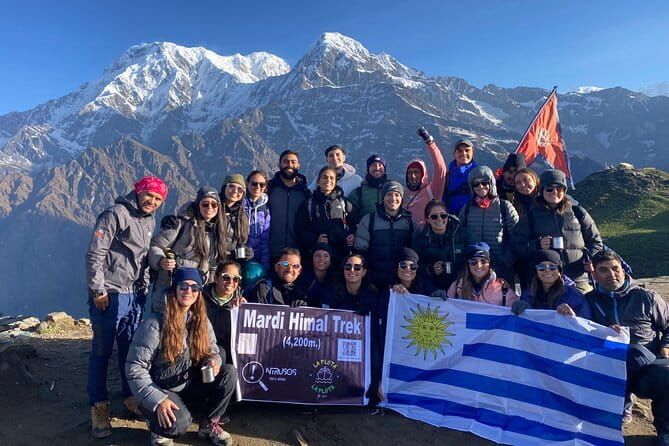
Quieter Annapurna option focused on Mardi Himal instead of the most overbooked routes
Fishtail and Annapurna panoramas across multiple viewpoints, not just one “big moment”
Small-group feel with a maximum of 16 travelers
Transport choices that reduce hassle (tourist bus Kathmandu–Pokhara, jeep segments, and hotel transfers)
Practical team support with guide + porter included, plus a medical kit and required permit handling
A mid-trek change of route through Shiding Village for variety before you drop back to Pokhara
Why Mardi Himal Feels Different From the Usual Annapurna Trails
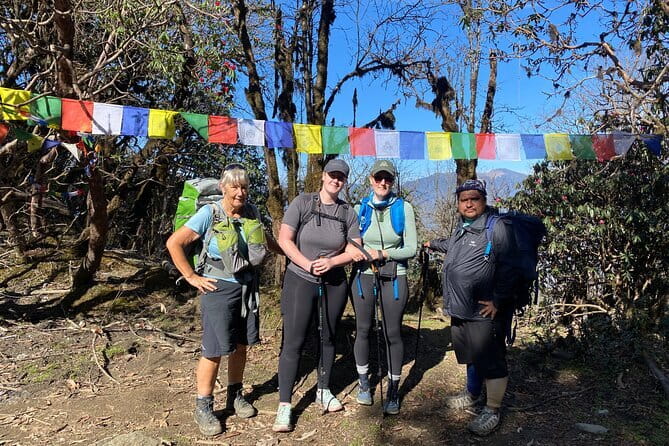
If you’re tired of crowded “checklist treks,” Mardi Himal is a breath of fresh air. The whole point of this route is that it’s shorter and calmer than the region’s headline hikes, while still delivering dramatic scenery. You’re still walking in the Annapurna Himalaya zone, but the pace and crowd level make it easier to notice details: the sounds in the forest, the shift from greenery to open pasture, and that quiet feeling when the mountains dominate your horizon.
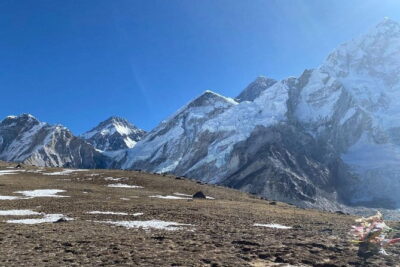
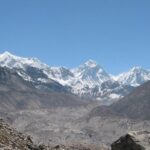
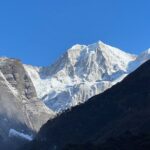
The views are the headline, yes—but what matters is how many chances you get to see them. On this trek, Machapuchare (Fishtail) and the Annapurna mass show up across days, including viewpoint time that builds as you gain altitude. One of the reviews notes stunning views up to about 4500 meters, which matches why people come back from Mardi Himal feeling like they earned the skyline.
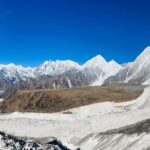
The trail also has a “layer cake” quality: you don’t just hike from point A to point B and hope for good weather. You move through different ecosystems and trail types—forest paths, higher camps, and narrow sections near upper viewpoints. That variety is part of the value for your time. In nine days you get a real sense of the region without needing a two-week commitment.
You can also read our reviews of more tours and experiences in Kathmandu.
The Magic Himalaya Treks Setup: What Helps You Start Smoothly
This trek is designed around reducing friction. You don’t have to figure out transport timing on your own. You land in Kathmandu, get a hotel transfer to Thamel, and then get a briefing at the Magic Himalaya office. That first day matters more than people think. In Nepal, travel days come with small surprises—traffic, changing schedules, language barriers—so having a team meet you and explain the plan helps you relax early.
You also get guide + porter support included. That affects your experience in a real way: your guide handles navigation and pacing, while the porter helps with the weight so you can focus on steady steps. The reviews emphasize that the team is attentive and available, and that’s exactly the kind of support that makes the trail feel smoother, especially if you’re not a hardcore hiker.
The group size cap—maximum 16 travelers—is another quiet advantage. It’s not a tiny private trek, but it’s small enough that you usually don’t feel swallowed by a huge line of people. For Mardi Himal, where the magic is in the calm, that balance is useful.
Finally, you get a mobile ticket and pickup included. It’s a small detail, but it signals the operator is thinking about how travelers actually show up and move through the first logistics steps.
Price and Value: What $750 Covers (And What to Budget Separately)
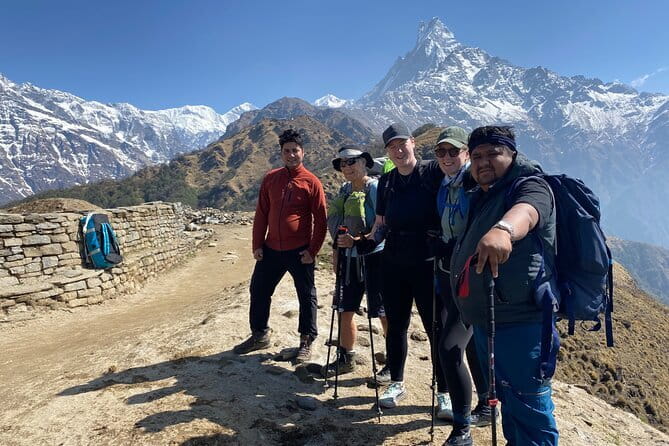
At $750 per person for roughly nine days, this trek isn’t priced like a stripped-down DIY challenge. What you’re paying for is the structure: transport segments, guide/porter, meals on trek days, lodging, permits, and support items like a medical kit box & required medicine.
Here’s the practical value math:
- Kathmandu ↔ Pokhara transport is included by tourist bus (with air-conditioned vehicles noted for Kathmandu–Pokhara–Kathmandu).
- You have private transportation to Kande and a jeep segment from Shiding to Pokhara, so you’re not doing long backtracking hikes just to reach vehicles.
- Permits for the Annapurna conservation area and required documents are included.
- Most meal needs are covered on the trek itself: the package includes breakfast (8) and dinner (5) plus lunch (5).
What you should budget separately:
- Gear and clothing are not included. You’ll need your own trekking shoes, layers, and basics.
- Lunch and dinner in Kathmandu and Pokhara aren’t included.
- Personal expenses aren’t included, and bar bills/alcohol aren’t included.
- Rescue operations aren’t included, so travel insurance matters.
- Your Nepal entry visa fee and international flight are not included.
- The info notes travel insurance for the Nepal trek, but insurance itself would be something you arrange.
If you want a trek where you’re not constantly thinking about logistics, this price can be a good fit. If you’re already fully set up with gear and you’re comfortable DIY transport and permits, you could possibly do it cheaper. But that’s not the vibe here. This program is built for smoother pacing and support.
Day-by-Day: What You’ll Actually Do and Why Each Stop Matters
Day 1: Kathmandu pickup, Thamel hotel, and a real briefing
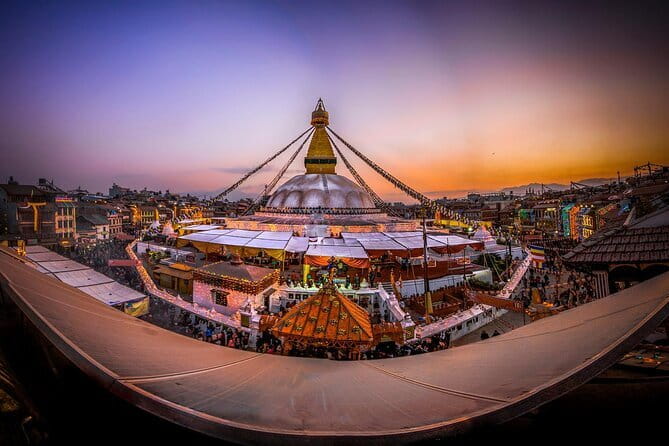
You arrive in Kathmandu and get picked up from the airport, then transferred to a hotel in Thamel. In the evening, you go to the Magic Himalaya treks office for a briefing. This is where you get your bearings: what’s ahead, what to pack, and what kind of hiking rhythm you’ll follow.
Why it matters: the trek starts early (the listed start time is 1:15 am), so you want the first day to set your sleep schedule and your expectations. The Thamel area also makes it easier if you need any last-minute items like socks or a warm layer.
Day 2: Kathmandu to Pokhara by tourist bus (about 7 hours)
After breakfast, you transfer to the bus station and head to Pokhara by tourist bus, spending the night there. The drive is long enough to feel like a travel day, but it’s also one of the easiest ways to shift from Kathmandu’s traffic chaos to Pokhara’s calmer pace.
A heads-up for your planning: because the next day starts with transport toward the trek trailhead, you’ll likely want an early evening in Pokhara to keep your energy for the next steps.
Day 3: Kande start and the Australian Camp viewpoint lunch, then Deurali
Today begins the real trekking day. A car or private vehicle transfers you to Kanda, where you start the trek toward Deurali. You’ll likely have lunch at Australian Camp, which is described as a good viewpoint.
Then you stay at Deurali villa. This is a smart first-night base because it’s early in the route but not too close to the city rhythm. It helps you transition.
Why this works for many people: the early viewpoint lunch gives you a taste of what’s coming, without pushing altitude too fast on day one of hiking.
Day 4: Forest walking to Low Camp
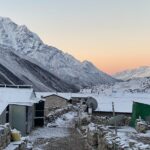
You continue through forest terrain until you reach Low Camp for the night. The key theme here is transition: you’re moving from lower greenery into higher, cooler air as the day progresses.
The package includes accommodation and meals on trek days, so you’re not stuck managing hunger mid-route. Expect a solid hike length (listed as about 6 hours), and plan on focusing on steady walking rather than speed.
Day 5: Low Camp to High Camp with a thinning tree line
Today is about going higher—walking upward to High Camp. One of the most useful details here is the mention of the tree line thinning as you climb. That tells you what to expect visually and physically: less shade, colder air, and more open views.
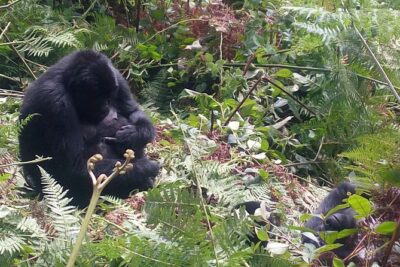
There’s also a chance to see Danphe (the Himalayan pheasant) on the way. Even if you don’t spot it, the note is a reminder that wildlife can pop into your trail experience when you move through the right habitat.
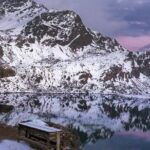
High Camp is your destination for the day (listed as about 5 hours of walking). You’ll likely feel that change when you stop and look out—this is where the trek starts to feel more “mountain” and less “forest walk.”
Day 6: Upper viewpoint day with narrow, steep bits and pasture time
Day 6 focuses on climbing toward an upper viewpoint, with an itinerary that includes ascent and descent and some steep and narrow trail segments. You’ll also pass through pastures and reach the viewpoint along a narrow ride/trail.
The time listed is about 10 hours, which is long. This is one day where pacing is everything. Your guide and the team support becomes crucial here—if your body is telling you to slow down, you’ll want that permission built in.
Why this day is worth it: viewpoint days are where Mardi Himal delivers. If weather cooperates, you’ll get the payoff feeling that people talk about when they choose this trek.
Day 7: A different route to Shiding Village, then drive back to Pokhara
Instead of following the same trail line back, you take a different route to reach Shiding Village, then drive back to Pokhara for an overnight stay. The walking time listed is about 5 hours.
This is a practical break from repetition. It helps you avoid that “I’ve seen it already” feeling, and it keeps the day interesting even though it’s not a high-altitude push. For many hikers, the Shiding Village segment gives a more local, lived-in sense of mountain life before the return to city comforts.
Day 8: Pokhara to Kathmandu by bus (6–7 hours), then rest
After breakfast in Pokhara, you head to the bus park for the ride back to Kathmandu. The drive takes about 6–7 hours. Day 8 is mostly travel and recovery. A small walk or drive is mentioned, but the main job is getting you back to Kathmandu smoothly.
This is a good day to take it slow, hydrate, and let your legs recover without rushing around for sightseeing.
Day 9: Airport transfer and departure
On your final day, you get hotel pickup and a transfer to the airport. That’s it. No last-minute trekking, no complicated logistics—just closure.
Lodging and Meals: Tea-House Style Comfort at Altitude
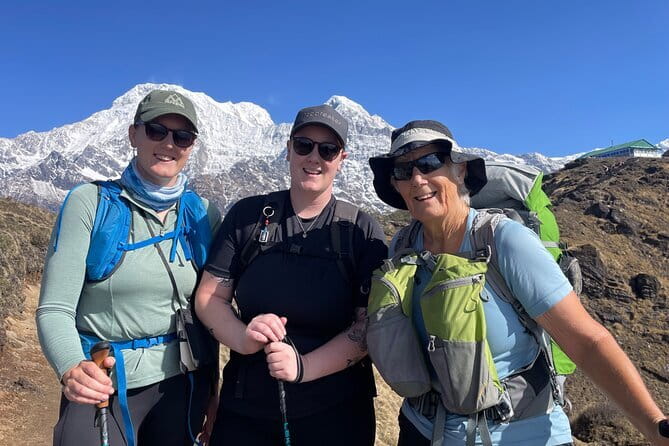
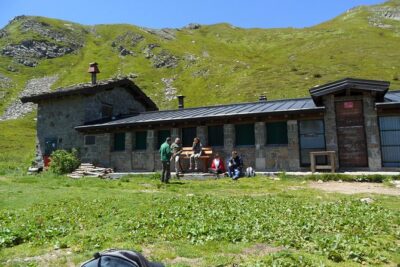
This trek is now described as a tea house trek with hotels and lodges along the route. That matters because it means you’re not carrying everything and sleeping in tent mode on every night. You’ll get lodging and meals as part of the trek package, which reduces the friction for you.
Still, tea-house style lodging at altitude typically means “cozy and simple,” not luxury. Electricity, hot water, and room comfort can vary by location and season. Your best strategy is to pack for warmth and keep expectations realistic. The good news is that you won’t be left guessing about meals on trek days—the package includes breakfasts, dinners, and some lunches as listed.
One review highlights that transport and places stayed, plus food, were all really good and smooth. That’s the kind of consistency that keeps the trek experience from turning into logistics homework.
Trail Effort, Altitude Reality, and Who This Is For
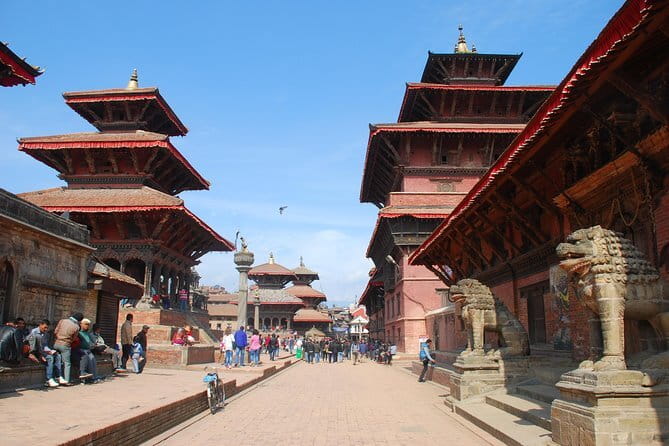
The package recommends moderate physical fitness. That’s a fair description for Mardi Himal: it’s not an easy walk, but it’s also not framed as a technical climbing expedition.
What makes it feel demanding:
- The trek includes multiple hiking days with several hours each and at least one long day (Day 6 is listed around 10 hours).
- You’ll do steep and narrow trail sections near the upper viewpoint.
- You climb into higher elevations where air feels thinner and you’ll want to pace.
Why it’s manageable: you’re not doing endless multi-week trekking. You’re finishing in about nine days with structured support and the ability to rest each night at camps/lodges.
Who should strongly consider this:
- First-time trekkers who want a guided experience and clear logistics
- Travelers who want the Annapurna region without the big-crowd feel
- People who enjoy views earned through steady hiking rather than technical climbing
Who might find it challenging:
- Anyone expecting a leisurely walk with minimal climbs
- Hikers who can’t handle long travel days and early starts (start time is listed as 1:15 am)
What You’ll See: Fishtail Views, Camps, and Bird-and-Forest Moments
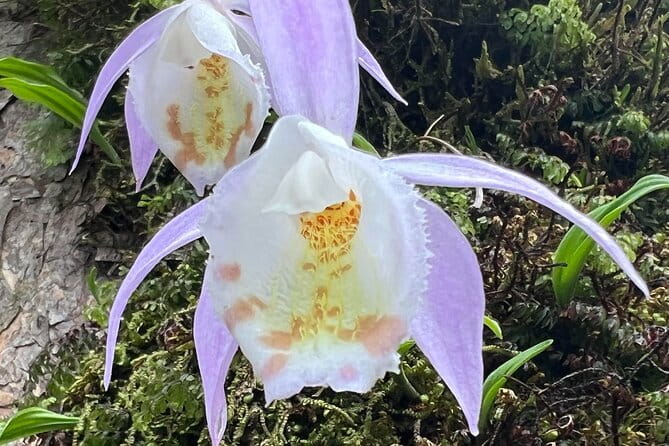
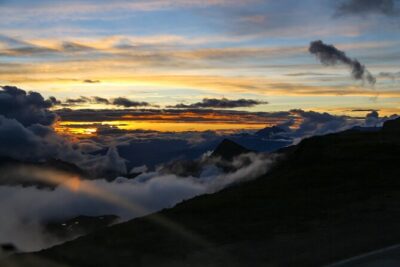
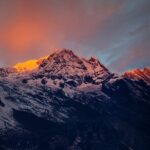
When people choose Mardi Himal, they mostly want the mountains—and they get plenty of them. The tour is built around panoramic sightings of Machapuchare (Fishtail), Annapurna South, and Hiunchuli. You get repeated view chances rather than one single viewpoint moment, which increases your odds of getting the scenery you came for if clouds shift.
Beyond peaks, the trek includes:
- Forest walking on earlier days
- A thinning tree line as you gain height
- Pastures and open ridges near the upper viewpoint
- A chance to spot Danphe (Himalayan pheasant)
I like how these pieces make the days feel different even when you’re doing the same routine of walking, resting, and eating. Your attention stays engaged because the scenery and trail character are changing.
Practical Packing and Mindset Tips (Based on the Trek Shape)
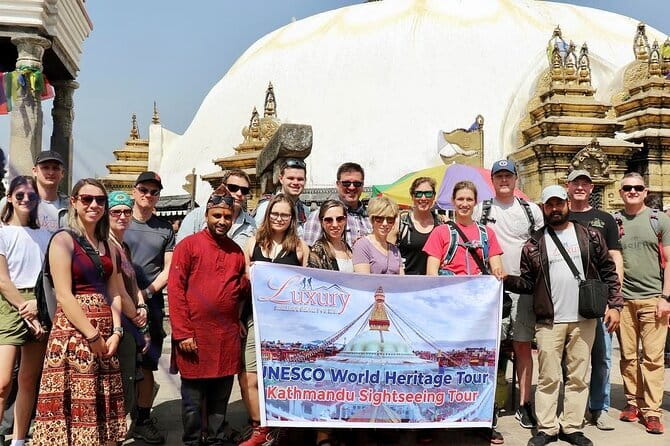
You’ll get plenty of help from a guide and porter, but you still need to bring the right essentials. Since clothing and gear are not included, pack with warmth and weather in mind.
My practical checklist for a trek like this:
- Layers for cold mornings at higher camps
- Reliable trekking shoes for narrow, potentially steep sections
- A windproof outer layer (viewpoint days can feel colder)
- Something warm for evenings at camps
- Sunscreen and sunglasses, especially as the tree line thins
Mindset-wise: focus on rhythm, not speed. On a route that includes ascent, descent, and narrow trail stretches, the goal is steady breathing and smart pacing. If you go too fast, you’ll pay for it later, especially on the long viewpoint day.
Should You Book Mardi Himal With Magic Himalaya?
I’d recommend booking this trek if you want a guided, supported Annapurna experience with excellent views and a quieter trail feel than the biggest regional hits. The value is strong because so much is included: transport segments, guide/porter support, permits, and most trek meals and lodging. For a first trek in Nepal, that’s a big deal.
Before you commit, sanity-check two things: your comfort with long hiking days (including a day listed around 10 hours) and your willingness to handle basic tea-house lodging at altitude. If those fit you, you’re in the right place.
FAQ
How long is the Mardi Himal Trek?
The duration is listed as 9 days (approx.).
Where does the trek start?
You’re based in Kathmandu, with airport pickup and transfer to a hotel in Thamel on Day 1.
What’s included in the price?
The package includes Kathmandu–Pokhara–Kathmandu transport by tourist bus (with air-conditioned vehicles noted), private transportation to Kande, jeep drive from Shiding to Pokhara, guide and porter salary, accommodation and meals on trek days, Annapurna conservation permits and required documents, trekking map, a duffel bag for the porter, and a medical kit box with required medicine. It also includes a farewell dinner and celebrations.
What isn’t included?
Not included: clothing and required gears, lunch and dinner in Kathmandu and Pokhara, personal expenses, bar bills and alcohol/non-alcoholic drinks, and rescue operation expenses if needed.
How is transportation handled during the trek?
You take a tourist bus between Kathmandu and Pokhara. You get private transport to Kande to start the trek, and you use a jeep drive after Shiding to return to Pokhara.
Do I need to arrange permits?
Permits for the Annapurna conservation area and required documents are listed as included, and a trekking map is provided.
What fitness level do I need?
The experience recommends travelers with moderate physical fitness.
What time does the trip start?
The start time is listed as 1:15 am.
What group size should I expect?
The experience has a maximum of 16 travelers.
What’s the cancellation policy?
Free cancellation is available. You can cancel up to 24 hours in advance for a full refund, but cancellations less than 24 hours before the start time aren’t refunded.