A Sahara camp in Morocco starts with a simple pickup. This 3-day run from Marrakech to Merzouga mixes real desert time with Berber food, music, and a camel trek into the dunes. I also love how the route builds in cultural stops like Khamlia (Gnawa music and dance) and village markets, so it’s not only sand. One possible drawback: lunch and drinks aren’t included, and the long road days mean you’ll want snacks and a flexible attitude.
What makes this experience feel “worth it” is the pacing. You get a desert sunset, an early sunrise the next morning, then you shift gears to see Erfoud fossil country and the famous Todra Gorge. The small group size (up to 18) helps you feel more like you’re riding with people, not getting processed.
Finally, the experience leans on comfort where it counts, but it’s still the Sahara. One camp night is under the stars, and you’ll spend time outside even if the weather changes. If you hate anything cold at night or you’re not into early mornings, plan your gear carefully.
In This Review
- Quick hits worth knowing
- Marrakech to Merzouga: the early start that sets the tone
- Khamlia Gnawa music in Merzouga: culture before the dunes
- Erg Chebbi camel trek: sunset you’ll remember, morning you’ll plan for
- Desert camp night: Berber food, Berber music, and star time
- Merzouga day 2: from fossil country to Todra Gorge drama
- Day 3 return toward Marrakech: Rissani market and abandoned ruins
- Price and value: what you’re really paying for at $139.37
- Who should book this Merzouga-to-Sahara tour (and who should skip it)
- Should you book this Sahara trip?
- FAQ
- What time does the tour start?
- How long is the tour?
- Is pickup included?
- How many nights does the trip include?
- Does the tour include camel trekking?
- Is food included?
- Can I visit Todra Gorge and Erfoud as part of the trip?
- How big is the group?
- Can I get a full refund if I cancel?
Quick hits worth knowing
- Air-conditioned transport + safety-focused driving praised by riders, including drivers like Abdilah the Marrakchi and Abdelilah
- Erg Chebbi camel trekking for sunset plus a second trek for sunrise
- Berber camp dinner with Berber food and Berber music in the dunes
- Khamlia Gnawa music and dance adds culture before you hit the desert
- Erfoud and Todra Gorge break up the sand-heavy days with dramatic canyons
- Mobile ticket and an operator that keeps things organized, with groups capped at 18
Marrakech to Merzouga: the early start that sets the tone
This tour starts at 7:00am, and you’ll likely feel it the moment you leave Marrakech. The drive is done in an air-conditioned vehicle, which matters when you’re heading toward desert heat. Pickup is offered, and since the meeting point is near public transportation, it’s not a maze to get to.
Here’s what I like about how this type of itinerary works: the day is structured so you don’t waste your limited vacation time. You’re on the road early, then you can still enjoy the first big sensory hit of the Sahara before night falls. The operation also gets credited for taking real breaks along the way, not just stop-and-go token stops.
A key practical point: this is not a short hop. It’s a “hang in there” road-trip style experience. That’s fine if you treat the drive as part of the adventure—music, scenery, photos at agreed stops—and pack accordingly.
You can also read our reviews of more tours and experiences in Marrakech.
Khamlia Gnawa music in Merzouga: culture before the dunes
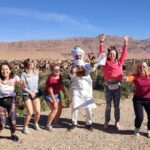
Before you’re out in the sand, you get a cultural stop at Khamlia Village. This is where you can experience traditional Gnawa music and dance, which is lively in a way that feels hands-on rather than staged for tourists. You also have time to explore the Merzouga village itself, including local shops and the kind of friendly conversations that happen when you wander with curiosity.
I like this sequence because it slows the moment down. You’re not rushing straight from Marrakech into the desert night. You ease into the region’s sound, rhythms, and daily life, then the dunes feel even more dramatic when they finally show up.
One consideration: music and dance can be energetic. If you’re sensitive to noise or you prefer quiet sightseeing, you might want to plan a calm break afterward. Still, this stop is usually a highlight for people who want more than photo ops.
Erg Chebbi camel trek: sunset you’ll remember, morning you’ll plan for
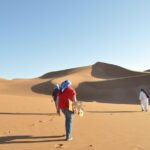
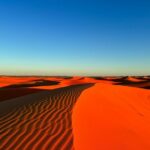
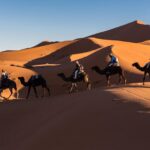
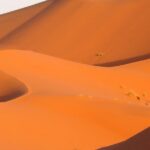
The big “Sahara math” here is the camel trek into the Erg Chebbi dunes. Day 1 is built around the classic moment: ride out, then witness the Sahara sunset from the desert. It’s the kind of view that changes fast—light shifts, shadows stretch, and the silence feels loud.
Day 2 brings the other essential side of the desert: an early trek back for sunrise. That’s not a random extra. Sunrise is when the Sahara feels most stripped down. No distractions, just light, wind, and the dunes doing their slow-motion thing.
Now the practical part. Camel trekking is a real activity, even if it’s scenic and gentle overall. Bring what you can to stay comfortable: something warm for early hours and nighttime, and closed shoes or sturdy sandals that work in sand. And yes—photos are easier when you’re not fidgeting from cold.
Also, in the options sprinkled through the day, you might find sandboarding available. In other words, you’re not stuck with only one kind of fun. If you like motion and a bit of controlled chaos, you’ll probably enjoy it.
Desert camp night: Berber food, Berber music, and star time
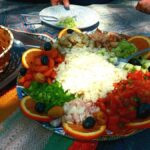
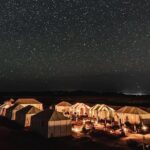
Night in the desert camp is where the tour starts to feel like it earns its reputation. You’ll have a delicious dinner under the stars, and the evening includes traditional Berber music along with tasty Berber food. This isn’t just a meal stop. It’s the moment you step into the rhythm of the Sahara camp experience.
Comfort gets mentioned in the feedback too. People describe the camp stay as comfortable, which matters because “sleeping under the stars” can sound romantic while still needing basic practicality. You should expect an outdoors-focused night, but you can also expect the camp portion to be run in a way that doesn’t leave you feeling lost.
One more reality check: desert nights can be chilly. Even if the day felt warm, the temperature can drop after sunset. If you want the night to be pleasant instead of just tolerable, pack for layers.
And if weather hits hard—one departure in June 2026 even included a sandstorm moment—the group might still keep moving with the schedule. That’s a good sign of an experienced team. Still, don’t treat the desert like it always behaves.
Merzouga day 2: from fossil country to Todra Gorge drama
After the sunrise trek, the day changes pace. You return toward Merzouga in the morning, then shift into the surrounding region. One stop focuses on Erfoud, known for its fossil-rich landscapes. Even if you don’t know the science, it’s interesting to see how the ground tells a story over millions of years.
Then comes the big visual payoff: Todra Gorge. This is a series of limestone river canyons, and it’s the kind of place where the rock walls do most of the talking. If you want a change from sand, Todra gives you that “wow” feeling with cooler air and strong natural lines.
In the evening, you’re back in Merzouga. Dinner is included again, featuring traditional Moroccan cuisine at a local restaurant. That’s another quiet win in the itinerary: you’re fed twice on the tour days, and you’re fed food that matches the region.
A small drawback to consider: lunch and drinks aren’t included, so you’ll want to budget for quick meals or water stops during the day. If you’re the kind of person who hates making decisions on an empty stomach, keep snacks handy.
Day 3 return toward Marrakech: Rissani market and abandoned ruins
On the final day, after breakfast, you head back with stops that feel a little more historical and local. The first is Rissani, known for historic architecture and a lively market. Markets can be overwhelming, but here you’re not dumped into chaos with no context. You get the chance to walk, look, and take in what daily life looks like beyond the tourist zones.
Next is Ksar Ouled Debbab, an abandoned village with a fascinating history. This is one of those stops that’s worth slowing down for. Empty buildings can feel spooky, but they also show you how communities change over time—what people built, and what they left behind.
You’ll also have lunch in Rissani before heading back. And there’s an option mentioned for sandboarding on the dunes, which can be a fun final burst if you still have energy (and if the timing works on the day you go).
Evening is departure time. You’ll check out and move on, taking with you the big sensory memories: dune light, camel pace, camp music, and the canyon walls.
Price and value: what you’re really paying for at $139.37
At $139.37 per person, this tour is priced for people who want a “Sahara package” without paying boutique-level luxury prices. Here’s the value math that matters:
- You get air-conditioned transport across the long distance from Marrakech to the desert zone.
- You get camel trekking (sunset and sunrise treks).
- You get meals: 3 breakfasts and 2 dinners included.
- You get the camp night experience with Berber food and Berber music included in the plan.
What’s not included is also clear: tips and drinks and lunch. So the true day-to-day cost will depend on how you travel. If you buy drinks and full lunches daily, your total goes up. If you’re budget-minded—water planning and simple snacks—you can keep it close to the listed rate.
Also, the maximum of 18 travelers matters more than it sounds. Smaller groups tend to move more smoothly, and you’re more likely to feel like a person instead of a seat number.
Finally, admission tickets are listed as free for the activity stops. That’s a small line item, but it does help keep the day’s costs predictable.
Who should book this Merzouga-to-Sahara tour (and who should skip it)
This tour fits best if you:
- Want your Sahara experience to include both sunset and sunrise camel trekking
- Like a mix of desert time plus real-world regional sights like Erfoud and Todra Gorge
- Appreciate cultural stops with local music, like Gnawa in Khamlia
- Prefer a small group (up to 18) and a safety-focused driver
The trip also seems to work well for solo travelers and couples. One standout theme from feedback is that riders—two girls specifically were mentioned—felt safe on the journey. Drivers are repeatedly described as friendly, punctual, and careful behind the wheel, including names like Abdilah, Abdoul, and Abdelilah.
Who might want to think twice? If you’re the type who gets grumpy about early starts and long road days, you might find the schedule tiring. Also, if you want downtime with no activity—this isn’t that. It’s an experience designed to keep you moving.
Should you book this Sahara trip?
If you want the Sahara to feel like a real journey—not just a one-night photo session—this is a strong pick. The combination of camel trekking twice, a desert camp night with Berber dinner and music, and worthwhile regional stops like Todra Gorge gives you more than one kind of memory.
I’d book it if you can handle early mornings, dress in layers for desert temperature swings, and you’re okay paying for lunch and drinks on your own. If that fits your style, you’ll likely come away with exactly what you came for: dunes, stars, and a Morocco road trip that actually delivers.
FAQ
What time does the tour start?
The tour start time is 7:00am.
How long is the tour?
It’s a 3-day tour (approx.).
Is pickup included?
Pickup is offered.
How many nights does the trip include?
It includes 2 nights.
Does the tour include camel trekking?
Yes. Camel trekking is included.
Is food included?
Yes. Breakfast is included three times, and dinner is included twice. Drinks and lunch are not included.
Can I visit Todra Gorge and Erfoud as part of the trip?
Yes. Todra Gorge and Erfoud are included stops in the itinerary.
How big is the group?
The tour has a maximum of 18 travelers.
Can I get a full refund if I cancel?
Yes, you can cancel up to 24 hours in advance for a full refund.