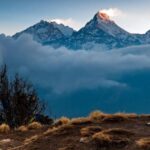
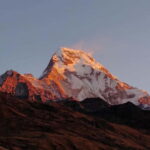
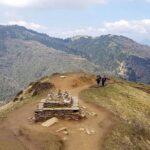
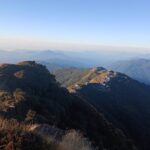
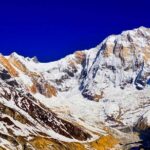
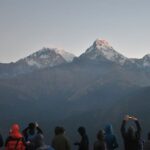
Quiet Himalayan views, in just five days. The Mardi Himal Trek is built for people who want Annapurna scenery without the heavy crowds, and you still get the wow factor of big peaks like Machapuchare. I like that you pass through real trail variety—rhododendron forest, streams, and that gradual hardening into rugged high-mountain terrain—plus it’s short enough to fit a quick Himalayan break.
One thing to consider: this is still a mountain trek, and the route climbs to around 3300m, so your day-to-day comfort depends on how steady your pace is. The payoff is worth it if you’re ready for some up-and-down and basic altitude discipline.
In my book, the best part is the balance. You get manageable trekking days for average fitness, teahouse living, and a culturally rich route through the Annapurna region, with the extra bonus that the trail feels less frantic than many more famous hikes.
In This Review
- Key highlights you’ll feel on the trail
- Why Mardi Himal feels quieter than most Annapurna hikes
- Day-by-day flow: Pokhara, Kande starts, and finishing at Siddhing
- Day 1: From Pokhara toward Kande, then into the trek rhythm
- Days 2–4: Forest to alpine moods, with altitude building steadily
- Final day: From the high trail down toward Siddhing, then back to Pokhara
- Altitude and effort: handling the climb to around 3300m
- Teahouses and meals: what you’re really buying with the package
- Guides and porters: the service that shows up in real moments
- Price and logistics: is $500 a good deal?
- What to pack for a fast Himalayan trip (without overdoing it)
- Weather and mountain visibility: why your schedule matters
- Is Mardi Himal right for you? Best fit and possible mismatches
- Should you book this Mardi Himal Trek from Everest Trekking Routes?
- FAQ
- How long is the Mardi Himal Trek?
- Where does the trek start and where does it end?
- What’s included in the price?
- Are hotel stays included?
- Do you get a porter?
- What meals are provided during the trek?
- Are flights included?
- What’s not included besides flights?
- Is this a private tour?
- Is free cancellation available?
Key highlights you’ll feel on the trail
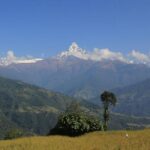
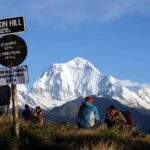
- Machapuchare views as you climb into the Annapurna high-country mood
- Rhododendron forest and stream valleys early on, then more rugged terrain later
- Teahouse accommodation + 3 meals daily, so you’re not carrying food logistics
- Local transport included (Pokhara to Kande and Siddhing back to Pokhara)
- Porter support built in for shared treks (1 porter per 2 people)
- Guide teams that care about safety and flow, with names like Sushil Gurung, Phul Gurung, Robin, Sobit, and Sandesh showing up often
Why Mardi Himal feels quieter than most Annapurna hikes
If you’ve tried to plan around the Annapurna crowd levels, you already know what this trek is chasing: mountain drama without the long lines and constant traffic of day hikers. Mardi Himal sits in a part of the Annapurna region that’s popular, but it still has that sense of moving through space rather than through crowds.
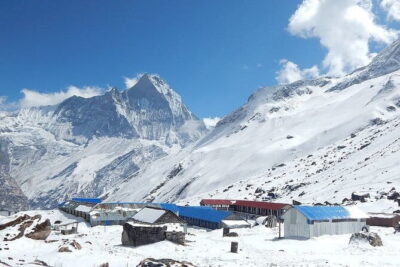
You also get a nice mix of scenery in a compact time window. The early part leans into forest and water—paths through rhododendron, plus crossing and paralleling streams in places. Then, as you gain altitude, the trail shifts. The air changes. The terrain gets more serious. And when the mountains decide to show themselves, they can feel close—especially as you start chasing higher viewpoints.
Another detail that matters: the route is described as newly opened and growing fast. That usually means two things. First, it may feel more like you’re walking on a living trail system rather than a rigid, heavily commercial circuit. Second, standards can vary by season and local capacity, so having a solid guide and a straightforward plan really helps.
You can also read our reviews of more tours and experiences in Pokhara.
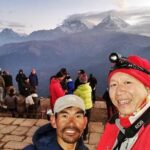
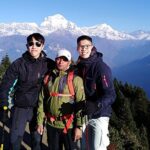
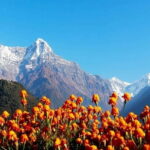
Day-by-day flow: Pokhara, Kande starts, and finishing at Siddhing
This trek is organized around a simple logistics rhythm: you start from Pokhara with transport to Kande, you spend roughly five trekking days moving through the Annapurna region, then you wrap up with the return from Siddhing back to Pokhara.
Here’s how that typically feels on the ground:
Day 1: From Pokhara toward Kande, then into the trek rhythm
You’ll have local transport from Pokhara to Kande included, and your meeting time is listed as 8:15 pm. In practice, that often means you’re connecting with the team in the evening for pickup and final coordination so the trek can start smoothly the next day.
The first day usually acts like a warm-up. Even if it doesn’t feel like it at the moment, this is when your body learns the pace. You’ll likely ease into the trail while the scenery transitions from lower-area surroundings into more classic trek-country—forest edges, winding paths, and the first real mountain glimpses if the weather cooperates.
Days 2–4: Forest to alpine moods, with altitude building steadily
The core of Mardi Himal is about that shift: lush forest and stream zones in the earlier stages, followed by increasing exposure as you climb. The trek winds through rhododendron forest and you climb out to around 3300m.
This is where you’ll feel the trek’s “average fitness” friendliness. It’s not described as an expert-only climb, but it is still a mountain walk with a real elevation gain. Your goal should be steady effort, not sprinting. On days like these, the guide’s pacing matters just as much as your legs.
Final day: From the high trail down toward Siddhing, then back to Pokhara
Your return transport is listed from Siddhing to Pokhara, and that’s the trek’s closing rhythm. After days of climbing and descending, you’ll appreciate how much energy you save by having the pickup/return arranged.
If you want a clean travel day after the trek, this is one reason I like short treks: you finish with a defined exit point and a clear return, rather than getting stuck planning your own last-mile transportation.

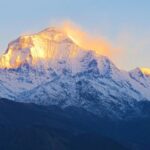
Altitude and effort: handling the climb to around 3300m
The trek is promoted as suitable for most people with average fitness, but don’t let that fool you into thinking it’s effortless. The route climbs to around 3300m, and at those heights, your pace needs to be calm.
What I’d watch for if you’re planning:
- Your breathing and recovery between stops. If you feel “wiped out” quickly, you’re probably going too fast.
- Hydration habits. Teahouse trekking makes it easy to forget you still need water.
- Weather variability. At higher elevations, clouds and wind can change comfort fast.
The upside is that the trek is short—so even if you feel challenged on a day or two, you’re not locked into weeks of gradual adaptation. In five days, you’ll get a clear before-and-after in how your body handles altitude and exertion.
Teahouses and meals: what you’re really buying with the package
This is one of the strongest value parts of the program. Your package includes:
- Meals 3 times a day (breakfast, lunch, dinner) with tea or coffee
- All tea house accommodation during the trek
That matters because it removes a lot of decision fatigue. You don’t need to figure out where to eat each day. You also don’t need to carry food for full meals, which changes what you can pack (and what you can leave behind).
One practical note: tea house food quality can vary by location and season. You’ll usually have solid options, but the most important thing is to eat regularly and not wait until you feel starving. With a steady trek pace, you’ll feel the benefit of planned meals rather than last-minute scrambling.
Guides and porters: the service that shows up in real moments
A big reason people rate this trek highly is the human support. Names that come up repeatedly include Sushil Gurung and Phul Gurung, plus in other journeys Robin, Sobit, and Sandesh.
Here’s what that typically translates into for you:
- A guide who helps keep your pace realistic for altitude
- Practical organization so the day-to-day doesn’t feel chaotic
- A team that cares about comfort and safety, especially when weather shifts
Porter support is also part of the package logic. You’ll have a porter setup of 1 porter for 2 people, and the note is clear: there is no porter for solo trekkers under this arrangement. That’s a key planning detail. If you’re traveling alone and you pack heavy, your trek will feel harder than it needs to.
In at least one journey, the guide team went beyond the routine—one guide was praised for foraging seasonal vegetables and mushrooms for the group. That kind of effort doesn’t change the route on paper, but it can change how your meals feel on a cold mountain night.
Price and logistics: is $500 a good deal?
At $500 per person for roughly five days, the best way to judge value is what’s included—and what’s not.
Included that actually reduces cost and hassle:
- Local transport: Pokhara to Kande and Siddhing to Pokhara
- Permits: ACAP and TIMS
- Meals and tea/coffee
- Tea house accommodation
- Porter support: 1 porter for 2 people (no porter for solo)
- Government taxes
- Pickup offered
- Private tour/activity (only your group)
Not included (and worth budgeting for):
- Hotels in Kathmandu and Pokhara
- Flights (internal/domestic)
- Personal expenses
- Tips for guide, porters, and driver
So is it good value? Usually, yes—because permits, meals, and tea house stays are expensive if you try to assemble them last-minute on your own. Also, the included local transport takes away the common headache of coordinating the start and exit points.
The main “watch-out” is that tips and hotels are on you, and those are the categories that can quietly make the final bill feel bigger. If you go into it with a realistic total budget, the package feels straightforward.
What to pack for a fast Himalayan trip (without overdoing it)
Because this is only about five days, you don’t need the heavy long-trek kit—but you do need smart mountain clothing.
Pack for:
- Layering. Even in short treks, mornings and evenings can feel colder.
- Comfort walking shoes with grip for uneven stone and trail edges.
- A light rain shell or weather layer. Clouds and mist are common realities on mountain hikes.
- Sunscreen and a hat for exposure once you rise above the forest.
Also consider your weight strategy. If you’re in a shared porter arrangement (1 porter for 2), you can pack a bit more comfortably. If you’re solo, you’ll want to keep your load lean.
Weather and mountain visibility: why your schedule matters
You’ll be moving through forest and then higher terrain, including time in view corridors where mountains like Machapuchare can steal the show. But visibility isn’t guaranteed. Even when the trek is described as offering breathtaking views, mountain weather decides the exact timing.
If you can, aim for:
- Early mornings for the best chance of clearer views
- Flexible expectations if clouds roll in
- Patience at viewpoints, even when it feels like the sky might change any second
The good news: even when the peaks hide, the trek still delivers a solid walking experience—forest, streams, and the steady sense of altitude gaining.
Is Mardi Himal right for you? Best fit and possible mismatches
This trek is a strong fit if you want:
- Big Annapurna views in a short trip
- A teahouse trek pace rather than a full-on camping expedition
- Support from a guide and porter team
- Fewer crowds than the busiest Annapurna routes
It may not be your best match if:
- You want a trek with zero altitude challenge. Climbing to around 3300m means effort.
- You hate carrying your own load. Solo trekkers don’t have a porter under this package structure.
- You’re looking for a long, multi-zone trek. This is short, fast, and focused.
Should you book this Mardi Himal Trek from Everest Trekking Routes?
I think you should book it if you want an efficient, organized way to experience Mardi Himal’s mix of forest hiking and high-mountain views, with teahouses, meals, and permits handled for you. The repeat success signals in guide support and service also matter, especially for a short five-day itinerary where smooth logistics protect your energy.
I’d hold off if you’re unsure about your altitude comfort or if you’re solo and planning to carry too much. If those are manageable concerns, this trek is exactly the kind of trip that leaves you with real mountain memories without stretching your schedule thin.
FAQ
How long is the Mardi Himal Trek?
The duration is listed as approximately 5 days.
Where does the trek start and where does it end?
It starts with local transport from Pokhara to Kande, and it returns with transport from Siddhing to Pokhara.
What’s included in the price?
Included are local transport, meals 3 times a day (with tea or coffee), ACAP and TIMS permits, tea house accommodation, porters (1 porter for 2 people), and government taxes.
Are hotel stays included?
No. Hotels in Kathmandu and Pokhara are not included.
Do you get a porter?
Porters are provided at a 1 porter for 2 people ratio. For solo trekkers, the package notes no porter.
What meals are provided during the trek?
You get breakfast, lunch, and dinner, plus cup of tea or coffee with meals.
Are flights included?
No. Internal and domestic flight fares are not included.
What’s not included besides flights?
Not included are personal expenses and tips for guide, porters, and driver, plus transportation for Kathmandu to Pokhara and Pokhara to Kathmandu (those are listed as not included).
Is this a private tour?
Yes. It’s listed as private, meaning only your group participates.
Is free cancellation available?
Yes. You can cancel up to 24 hours in advance for a full refund.