REVIEW · POKHARA
Mardi Himal Trek 4N-5D
Book on Viator →Operated by Sisne Rover Trekking · Bookable on Viator
Mardi Himal is a fast way to get big Himalaya views without the longer slog of some bigger treks. I really like the village-to-ridge rhythm here, where you start in Gurung country, walk through rhododendron forests, and end up on exposed ridgelines with Machhapuchhre and Mardi Himal looming nearby. The one thing to watch is Day 4: it’s longer, rockier, and higher, so moderate fitness and a steady pace matter.
I also like that this version is built for real-world comfort: you use teahouses, you get an English-speaking government-licensed guide, and you have a full set of permits handled (ACAP and TIMS). On top of that, people have praised specific guides over multiple trips, including Milan, Krishna, Dilaram Poudel, Ram, Manoj, and Prince Dila Ram—names that keep showing up because the team stays organized and supportive.
If you’re expecting totally flat paths or guaranteed animal sightings, temper that. The trek includes early mornings, a stretch without tea houses on Day 2, and wildlife you might see only if conditions line up.
In This Review
- Key highlights you’ll feel on the trail
- Why Mardi Himal feels special east of Annapurna
- Day 1 from Pokhara roads to Dhampus and the climb toward Deurali
- Sunrise, forests, and the Day 2 segment with no tea houses
- Ridge days: Low Camp, Badaldanda viewpoints, and the Daphne mention
- The Day 4 climb to Mardi Base Camp at 4500m
- Day 5 descent through forest, Kalimati ridge, and Lumre to Pokhara
- Price and value: what $413.33 covers (and why that matters)
- Guides, group feel, and teahouse comfort
- Packing and pacing tips for Mardi Himal’s altitude rhythm
- Who should book this trek (and who might rethink it)
- FAQ
- What permits are included for the Mardi Himal trek?
- Is a guide included, and do they speak English?
- Where is the meeting point in Pokhara?
- Do you provide pickup from Pokhara?
- What is the highest altitude on this route?
- Do we stay in teahouses?
- Are meals included?
- Is there a medical kit on the trek?
- Is travel and rescue insurance included?
- Does the itinerary include a section with no tea houses?
- Should you book Mardi Himal 4N-5D?
Key highlights you’ll feel on the trail
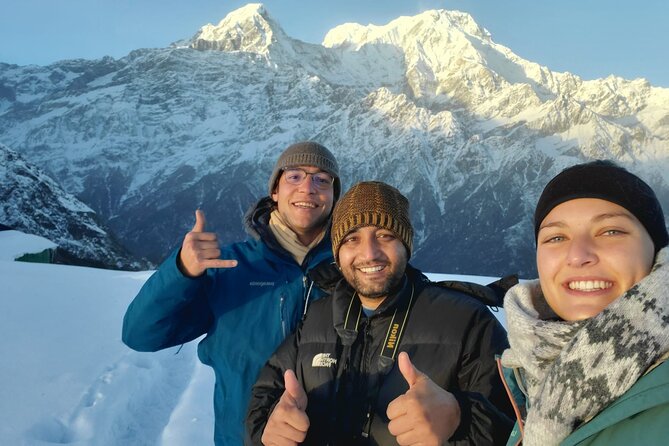
- 4500m Mardi Base Camp: the highest point on this short route and the clearest “wow” moment
- Rhododendron + grassland hiking: changing vegetation from forest paths up toward higher camps
- Village culture stops: Dhampus and Lumre add local life before and after the big altitude day
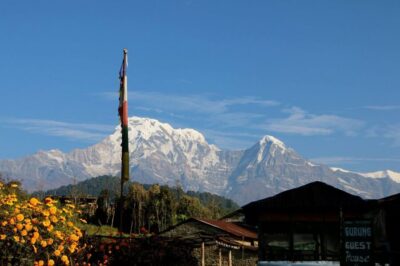
- Machhapuchhre and Fishtail in your sightline: views open up at multiple points, not just at the top
- A guide-driven pace: support and mountain interpretation from guides like Milan and Krishna
Why Mardi Himal feels special east of Annapurna
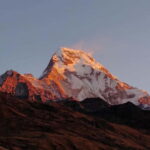
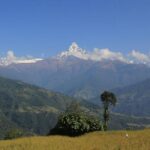
Mardi Himal sits east of the classic Annapurna circuit. That geographic position is part of why this trek can feel quieter: the trail has its own rhythm, and your view “targets” are different. You’ll spend days looking toward Mardi Himal, Machhapuchhre (Fishtail), Annapurna South, and Hiunchuli, often with mountains appearing and disappearing as you move between forest and ridge.
What makes this route work for many people is the mix. You’re not just walking from camp to camp; you’re also transitioning through a variety of settings—hamlets, terraced village edges, dense forest, then rougher high paths. It’s a short trek that still gives you the feeling of traveling through Nepal’s height zones, from about 1100m up to 4500m.
You can also read our reviews of more tours and experiences in Pokhara.
Day 1 from Pokhara roads to Dhampus and the climb toward Deurali
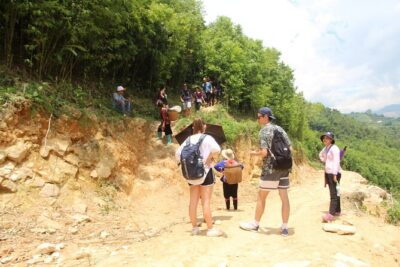
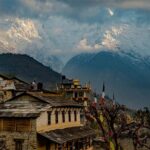
You’ll start with a short drive from Pokhara toward the trailhead area, then begin hiking from Banskot around 1100m. After about an hour of climbing, you reach Kalikasthan at about 1600m, which is one of those early points where the mountains start peeking in alongside village rooftops.
From there, the day keeps you moving with variety: you descend to Hemjakot (about 1500m), then continue on to Dhampus (about 1170m), a small Gurung village. Dhampus is a smart first cultural stop because it gives you that rural Nepal feel before the trek turns more alpine.
After lunch at Dhampus, you climb again toward Australian Camp (about 2100m) and continue via Pothana to Deurali (around 2142m). Deurali works as a gentle warm-up viewpoint, with Fewa Lake in one direction and mountain views in others. One practical plus: the Deurali viewpoint stop is listed as admission ticket free, so you’re not paying extra just to enjoy the view.
Watch-out for Day 1: it’s not a flat start. Even if the altitude feels manageable on paper, you’re building stamina with multiple ups and downs before you ever reach the true high trail.
Sunrise, forests, and the Day 2 segment with no tea houses
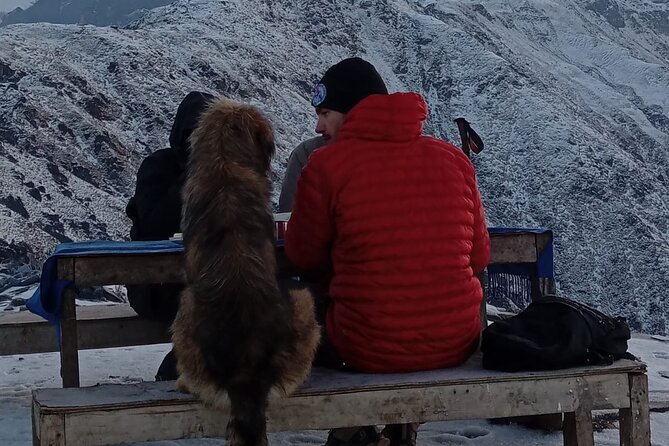
Day 2 starts early, with the classic early-morning goal: sunrise and mountain views. After breakfast, you walk through forest paths, and this is where the trek’s personality becomes clear. The route between Deurali and Forest Camp (about 2550m) is described as having no tea houses.
That detail matters for your planning. You should think like a scout for this day segment: bring what you’ll need for the stretch (snacks and enough water planning), and don’t assume a stop will magically appear every hour. The upside is that you’re often walking through quieter terrain without constant traffic.
As you climb, the trail passes grasslands and rhododendron areas, with strong sightlines toward Fishtail and Mardi Himal. You’ll also hear about possible rare wildlife sightings such as Himalayan Thar, Spotted Deer, and even Snow Leopard. The honest approach is this: treat sightings as a bonus, not a promise.
You’ll reach Forest Camp for lunch, then continue about an hour to Rest Camp for the night. This keeps Day 2 from dragging on too long at altitude, while still doing enough work to set you up for the bigger summit push on Day 4.
Ridge days: Low Camp, Badaldanda viewpoints, and the Daphne mention
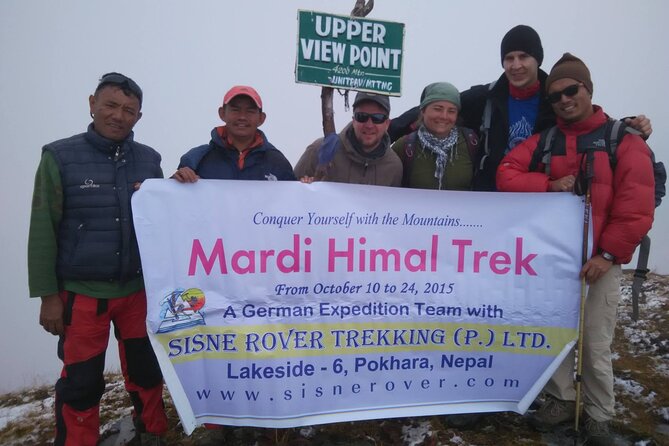
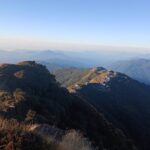
On Day 3, you gently ascend from Rest Camp to Low Camp (about 2990m) in roughly two hours, then continue onward toward Badaldanda. Badaldanda is one of those viewpoint-friendly places where you can stop and actually take in the geometry of the mountains—the way ridges connect and how peaks line up.
From Badaldanda, the hiking gets easier in terms of climbing effort, and that matters. When your body is dealing with higher altitude, any reduction in steepness helps you enjoy the scenery instead of just surviving it.
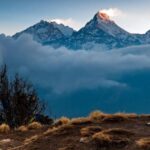
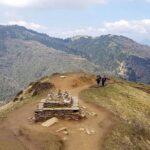
After that, you’ll walk along the ridge, with views including Mardi Himal and Machhapuchhre along the way. This is also a rhododendron phase again, which means the trail environment changes even as the altitude keeps climbing. You head through rhododendron forest toward the middle camp, and the tree line starts to fade, replaced by rhododendron bushes.
A fun, specific note: Daphne, Nepal’s national bird, is usually seen on the way to High Camp. You may spot it if luck and timing align, but even if you don’t, the fact that the trek route passes through the right habitat gives this day a more “alive” feel.
Day 3 consideration: ridge walking can expose you to wind. Even in seasons that feel pleasant in Pokhara, the ridge can feel sharper.
The Day 4 climb to Mardi Base Camp at 4500m
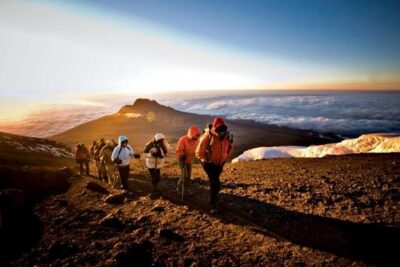
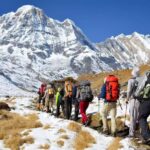
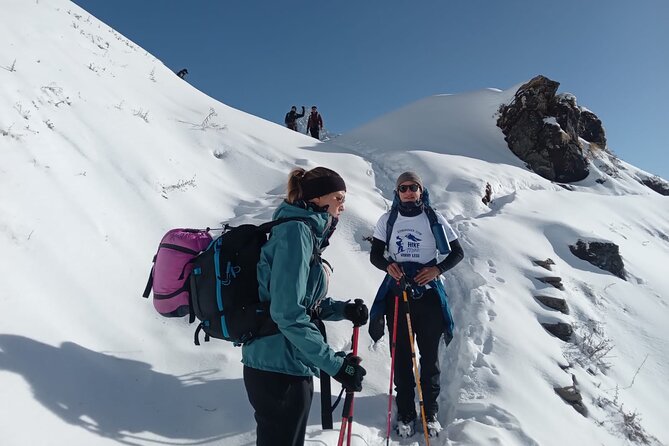
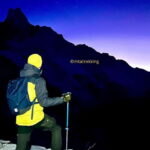
Day 4 is the summit day of this short trek. You start early and hike about four hours to Mardi Base Camp at approximately 4500m—the highest point on the route. Compared with earlier days, this section is described as more difficult due to longer distance, rocky, uneven walking at times, and the altitude itself.
This is the day to slow down and stay calm. If you’ve only done low hikes before, the key is not speed—it’s steady effort. Let your breathing guide you, take short breaks, and keep your focus on foot placement on the rockier ground.
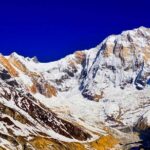
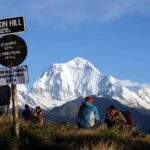
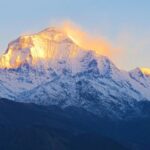
When you reach Mardi Base Camp, the rewards stack up quickly: snow-capped mountains, natural vegetation around camp, and views that include Dhaulagiri as well as Machhapuchhre and Mardi Himal. The practical win is that you get time to explore the base camp area before turning back.
Then comes the logical move: you retrace your route to Badaldanda. That return is still walking uphill by habit—your legs will feel it—but it keeps logistics simpler for a 4N/5D trek. It also means you don’t need to plan additional days around a high-altitude overnight.
Day 5 descent through forest, Kalimati ridge, and Lumre to Pokhara
Day 5 begins with a more relaxed start: from Badaldanda, you enjoy breakfast and then descend to Low Camp. The trail from Low Camp diverts east through forest with a steep descent toward Siding, so your knees will get a workout.
After Siding, you reach Kalimati at around 1700m, a ridge area with mountain views, farmland, and valley scenery. Lunch here is a smart reset moment because it’s lower altitude but still scenic enough that you don’t feel like you’ve simply escaped back to boring trails.
Then you walk down toward Lumre for about an hour and continue by drive back to Pokhara, around one hour. The trek closes with a farewell dinner where you can share stories from the week and trade notes with your guide and team.
Price and value: what $413.33 covers (and why that matters)
At $413.33 per person, the big question is what you’re buying beyond “a guide and some walking.” This package covers a lot of the hidden costs that usually surprise people.
You get all necessary paperwork and trekking permits (ACAP and TIMS), an English-speaking government-licensed guide, and a certificate of trekking completion. You’re also covered for teahouse accommodation during the trek, plus meals: breakfast is included for 4 mornings, lunch for 5 days, and dinner for 4 evenings. On top of that, the offer includes the medical kit carried by your guide, staff costs (salary, insurance, equipment, food, and accommodation), and transportation related to the trek itself.
Two practical value points:
- Permits are handled. Even when you can technically organize permits yourself, doing it with a team saves hassle and reduces the chance of paperwork mistakes.
- Meals and teahouses are included. Food logistics can become annoying on short treks, and included meals keep you from constantly calculating whether you’ll find what you need.
The main costs not included are personal expenses like laundry and recharge costs, bottle or boiled water, showers, and bar bills. Tips for guides/porters/drivers and travel/rescue insurance are also not included, so you should budget those separately.
Small drawback on value: what you pay is mostly “covered,” but you still need personal budget for comfort and convenience items on the trail. If you like frequent battery charging or bottled water, plan ahead.
Guides, group feel, and teahouse comfort
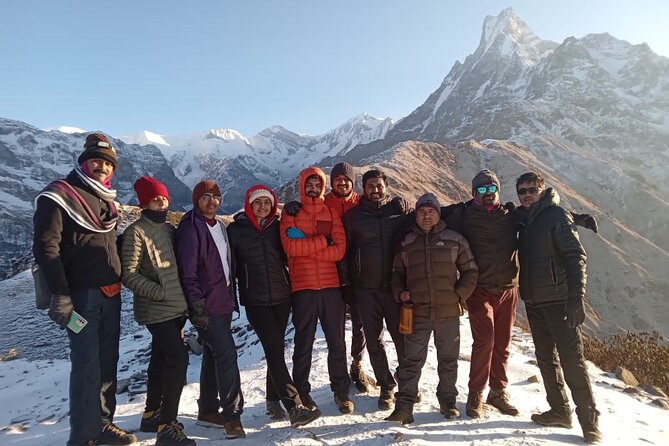
This is a private tour/activity, so you’re not mixed into a big herd with strangers. That usually means your schedule and pacing feel smoother, and it’s easier for your guide to manage the group.
The guide is described as experienced, English-speaking, and government-licensed. In real trekking, that combo matters because you want someone who can explain what you’re seeing and also help you manage the practical stuff: pacing at altitude, where the trail turns, and how to handle the rocky sections without panicking.
Teahouses keep the trip realistic for a 5-day schedule. You’re not carrying tents, and you’re not sleeping in a survival-mode setup. The tradeoff is that teahouse comfort varies by location, and you’re still sharing a mountain environment with basics. Think warm layers and patience, not luxury.
One more detail that affects comfort: Day 2 includes a stretch between Deurali and Forest Camp with no tea houses. That can make you feel more “on your own” for a few hours, even though the guide handles the route.
Packing and pacing tips for Mardi Himal’s altitude rhythm
You’re going from about 1100m to 4500m in five days. That’s not a slow acclimatization plan like some longer treks, so your pacing has to do some of the work.
Here are practical choices that fit this itinerary:
- Dress in layers for early starts and ridge exposure. Wind can make it feel colder than Pokhara.
- Expect rocky, uneven walking on Day 4 toward Mardi Base Camp. Good grip matters more than fashion.
- Plan your Day 2 food/water for the segment without tea houses between Deurali and Forest Camp. You don’t want to arrive hungry and irritated at a time when options are limited.
- If you’re sensitive to altitude, keep breaks short and frequent. Moving consistently usually helps more than forcing long rests.
Also, remember that the trek includes a farewell dinner and a trekking completion certificate, so you’re not just “done and out.” You’ll want to leave room in your packing for small extras like a change of clothes for the wrap-up.
Who should book this trek (and who might rethink it)
Mardi Himal 4N-5D is a strong match if you want:
- A shorter trek with real altitude payoff (4500m Mardi Base Camp)
- A route that mixes village life, rhododendron forest, and ridge views
- Teahouse-based comfort rather than camping
- A guided experience with permits handled and meals included
You might reconsider if:
- You struggle with rocky, uneven footing and want a mostly smooth trail
- You’re expecting guaranteed wildlife sightings (animals are mentioned as possibilities, not certainties)
- You prefer longer acclimatization. The plan is short, so you need to pace carefully and take altitude seriously.
The “moderate physical fitness” note is key. If you can hike several hours on uneven trails and keep a steady pace, you’re likely in the right zone.
FAQ
What permits are included for the Mardi Himal trek?
The package includes trekking permits: ACAP and TIMS.
Is a guide included, and do they speak English?
Yes. An experienced, English-speaking, government-licensed trekking guide is included.
Where is the meeting point in Pokhara?
The ticket redemption point is Sisne Rover Trekking Pvt. Ltd., Center Point, Pokhara 33700, Nepal.
Do you provide pickup from Pokhara?
Pickup is offered, and transportation is included as part of the trek.
What is the highest altitude on this route?
Mardi Base Camp is at about 4500m, which is the highest point of the trek.
Do we stay in teahouses?
Yes. Teahouse accommodation is included during the trek.
Are meals included?
Yes. Breakfast is included for 4 mornings, lunch for 5 days, and dinner for 4 evenings.
Is there a medical kit on the trek?
Yes. A medical kit is carried by your trekking guide.
Is travel and rescue insurance included?
No. Travel and rescue insurance is not included.
Does the itinerary include a section with no tea houses?
Yes. The path between Deurali and Forest Camp (around 2550m) doesn’t have any tea houses.
Should you book Mardi Himal 4N-5D?
Yes, if you want a short trek that still hits the big highlights: village stops, rhododendron forest walking, and a true high point at 4500m. The value is strong because permits, guide, teahouses, meals, and key logistics are handled, not left to you.
Just be honest with your fitness and expectations. Day 4 is the demanding one—rocky, uneven, and higher—so if you can hike steadily for hours and take altitude seriously, this is a smart, efficient Nepal trek choice.