REVIEW · POKHARA
Pokhara 3 Days Ghorepani and Poon Hill Private Trek via Ghandruk
Book on Viator →Operated by Himalayan Nomad Treks & Tours · Bookable on Viator
Sunrise over Poon Hill feels unreal. This private 3-day trek balances big Himalayan views with a real taste of Gurung village life, without forcing you into a long trek plan. I like that the route is structured for first-timers (with moderate fitness in mind) and that you get an English-speaking licensed local guide who can handle questions, pacing, and the practical stuff. One possible drawback: it’s a stair-heavy hike, and you’ll feel it if you’re expecting easy walking.
You also get a smooth start and finish thanks to private transportation from Pokhara, plus tea/guest house nights and meals included. The payoff is a dawn climb to Poon Hill (3,210m / 10,531 ft) for sunrise over the Annapurna range and nearby peaks, then a descent into Ghandruk at about 2,000m. If you’re sensitive to early starts or slow altitude breathing, plan for a steady pace and don’t race the group.
Key Points
- Poon Hill sunrise at 3,210m: A short, punchy trek day built around that early-morning view.
- Private pacing with a licensed English guide: Guides like Pokrash and Dipesh Aryal are noted for patience and encouragement.
- Tea/guest house stays x2 nights: Included, so you don’t have to scramble for lodging.
- Ghandruk village time with Gurung culture: You’re not only hiking; you’re also seeing how people live at ~2,000m.
- Permits included for conservation areas: Takes a common headache off your plate.
- Stairs as the main challenge: Ulleri and the Poon Hill approach mean legs do the talking.
In This Review
- Why This 3-Day Route Hits Hard (in a Good Way)
- Day 1: Jeep to Nayapul, Then Ulleri Steps Up to Ghorepani
- Day 2: Sunrise Climb to Poon Hill, Then Ghandruk at 2,000m
- Day 3: Village Exploration in Ghandruk and the Return to Pokhara Lakeside
- Guides, Private Transport, and What’s Actually Included
- Price and Value: Is $218 Worth It?
- Stairs, Altitude, and Staying Comfortable on the Route
- Weather Tips That Actually Matter for Poon Hill
- Ghandruk Village: More Than a Stop Along the Way
- The Team Behind the Smooth Trip: Real Names, Real Strength
- Who Should Book This Trek, and Who Might Want More Time
- Should You Book the Pokhara–Ghorepani–Poon Hill–Ghandruk Private Trek?
- FAQ
- FAQ
- How high do we reach on this trek?
- Is this trek private or shared?
- What’s included in the price?
- Are pickup and transport included from Pokhara?
- Are meals and lodging included, or do I need to pay separately?
- Can I cancel and get a full refund?
Why This 3-Day Route Hits Hard (in a Good Way)
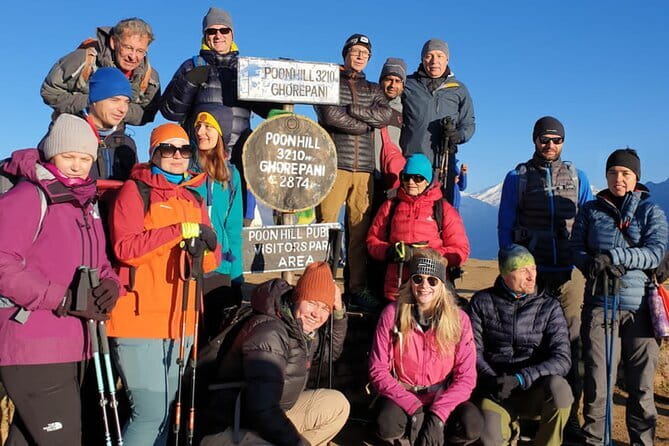
This trek is built around a simple idea: get to one of the best sunrise viewpoints in the Annapurna region fast, then spend the next day and a half experiencing the local mountain culture. Poon Hill is the headline, but the rest of the trip matters too—especially the walk through settlements and the time in Ghandruk, known for Gurung hospitality.
I like that the itinerary isn’t trying to be everything. It’s not a huge, multi-week trek. Instead, you get a tight schedule where your effort connects directly to the big moments: sunrise views, rhododendron forests, and village exploration.
The one catch is physical. Even though it’s “only” three days, the hiking includes steep stretches and lots of steps—so the experience rewards people who keep a steady pace and don’t mind some stair burn.
Day 1: Jeep to Nayapul, Then Ulleri Steps Up to Ghorepani
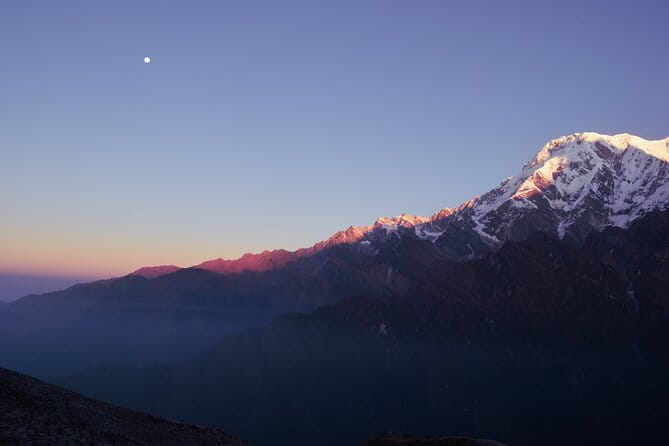
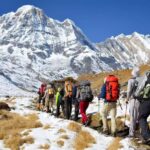
Day 1 starts with a scenic drive from Pokhara to the trailhead area (you’ll pass through Nayapul). Then you begin the real work: a hike that climbs from about 1,570m (Tikhedhunga) up toward Ulleri (2,000m) and on to Ghorepani (2,840m).
Timing is roughly 3 hours of driving and about 5 hours of trekking. That’s a good structure for day one because it lets your legs warm up gradually: you’re not thrown into the steepest grade immediately, but you still get those early “welcome to the mountains” gains.
Ulleri is the part that often defines day one. If you’ve heard about the stairs here, it’s for a reason. Plan for short breaks and a slower cadence. You’ll enjoy the views more when you’re not using every breath just to keep moving.
End the day in Ghorepani, a common base for Poon Hill hikers, where you can focus on rest and early preparation for day two.
You can also read our reviews of more tours and experiences in Pokhara.
Day 2: Sunrise Climb to Poon Hill, Then Ghandruk at 2,000m
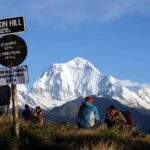
Day 2 is the big one: Ghorepani to Poon Hill (3,210m) and then onward to Ghandruk (~2,000m). The trek time is listed around 6 hours, but the “feel” of the day is shaped by an early climb and the time you spend at viewpoints.
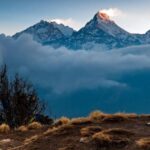
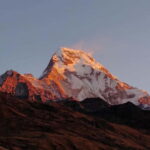
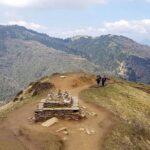
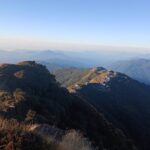
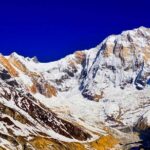
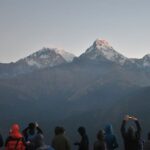
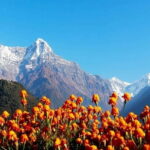
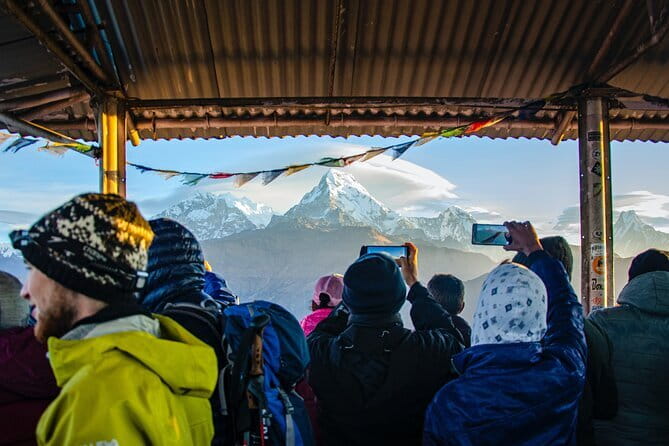
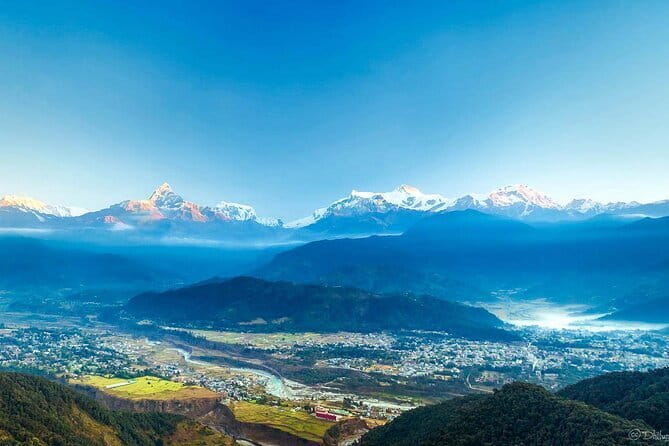
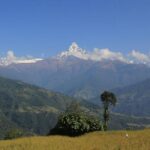
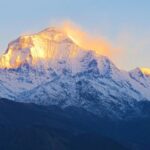
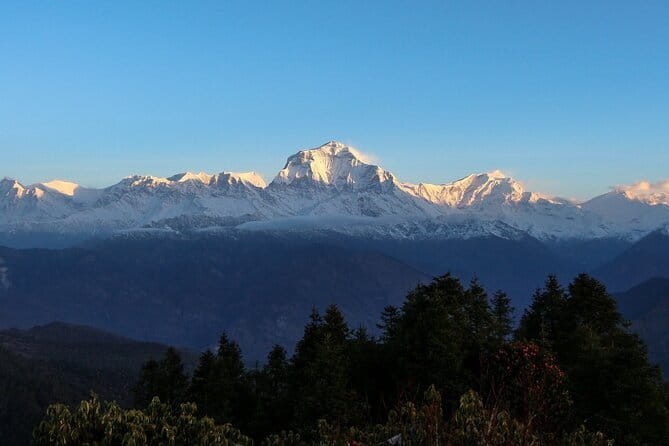
This is the day you go for sunrise over the Himalayas. The route is designed so you can reach Poon Hill in time to see the morning light spread over the Annapurna range and also get views that include Dhaulagiri.
Along the way, you’ll hike through sections described as rhododendron forests. That matters because it breaks up the monotony of constant uphill. Even if the main goal is sunrise, having shaded, forested walking helps you keep your pace comfortable.
Then comes the descent and transition to culture. Once you reach Ghandruk, you’re lower in altitude and your body starts to settle after the morning push. Ghandruk village sits in that sweet spot where you can walk, explore, and still enjoy the mountain setting without feeling like you’re constantly fighting elevation.
If you want a practical expectation: this is where your legs will remind you that trekking is not a gentle stroll. But it’s also where the views make the effort feel fair.
Day 3: Village Exploration in Ghandruk and the Return to Pokhara Lakeside
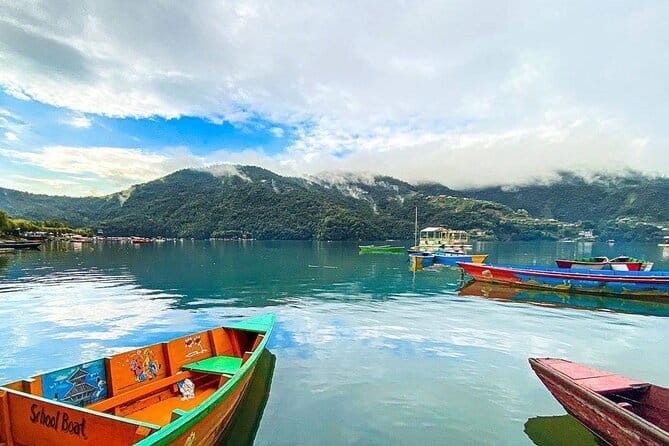
Day 3 is built for a calm finish. You start at Ghandruk (~2,000m), then hike down toward Nayapul and continue by vehicle back to Pokhara (lakeside).
The trek time is roughly 4 hours for the hike, plus around 2 hours of driving. That’s a nice combo—enough walking to feel like a complete route, but not so much that the day ends with you totally wiped out.
The plan also includes time to explore Ghandruk. You may be able to catch sunrise from a viewpoint or even a hotel terrace, depending on where you’re staying. Either way, this last morning is a chance to slow down and watch the village and mountains in daylight, when faces and details become easier to notice.
By the time you reach Pokhara, you’re ready for real food, a hot shower, and the kind of relaxed evening where you don’t have to plan your next step before you sit down.
Guides, Private Transport, and What’s Actually Included
This is a private tour, meaning only your group participates. That’s not just a label. In practice, it tends to matter for comfort: pacing, question time, and flexibility when someone needs to slow down.
The package includes an English-speaking licensed local guide plus an in-person guide on the ground. It also includes private transportation and the trail permits/fees for the conservation area. Those last two points are more important than they sound. Permits can be a headache to sort out at the last minute, and having a guide who already knows the route helps you avoid wasting energy on uncertainty.
You also get private accommodation for two nights in tea/guest houses, with meals included:
- Breakfast x2
- Lunch x3
- Dinner x2
That’s a real value lever. You’re not doing the “find food, calculate cost, ask what’s open” dance every day. It also keeps your energy steady for walking hours.
From the way this trek has been delivered by guides such as Ramesh Aryal (who is described as coordinating smoothly) and guides like Pokrash and Dipesh Aryal, the biggest strength seems to be patience. Slow walkers aren’t treated like a problem. Guides adapt pace, answer questions, and help you feel confident step-by-step.
Price and Value: Is $218 Worth It?
At $218 for a 3-day private trek, the value comes from what’s bundled together: private transport, licensed guide support, permits, two nights in tea/guest houses, and meals. A lot of budget trekking plans look cheap at checkout, then quietly cost more once you add guide fees, permits, and lodging.
Here, the cost is spent on the parts that typically take work off your plate. You’re paying for fewer surprises and more certainty.
There are still add-ons to budget for. The trip doesn’t include hard/soft drinks, personal expenses (like laundry or phone calls), tips for the guide, and travel/rescue insurance. The provider notes they can assist you with rescue if needed, but insurance is still something you should handle separately.
The other thing to check before you book is whether the $218 pricing is for each person and what your group size is. Since group discounts are mentioned along with private service, the final per-person cost may change depending on how many you are.
Stairs, Altitude, and Staying Comfortable on the Route
Altitude here is real, even though this is a short trek. You reach 3,210m at Poon Hill, then drop to around 2,000m in Ghandruk, with Ghorepani sitting at 2,840m. That up-and-down pattern is manageable for many people with moderate fitness, but it still means you’ll want a steady pace.
The guides’ ability to adapt pacing comes up again and again in the trip feedback. People describe guides who stay patient with slower walkers and who help when steps feel complicated—especially on steeper, tighter stair sections.
So here’s my practical advice: treat this as a “steady effort” hike, not a speed test. Short breaks beat big pauses. And if you’re someone who feels winded easily, the private setup helps you keep moving without stress.
Weather Tips That Actually Matter for Poon Hill
Poon Hill is all about sunrise clarity. If clouds roll in, you’ll still get a mountain experience, but you won’t get that full show of peaks.
The trip has been described as especially great in October, with good weather and clear skies. That suggests this is a route where season choice pays off. Since you’re hiking in the early morning for sunrise, you’ll want to plan for cooler air and possible wind, even if it’s warm later in the day.
Also, keep your expectations grounded. Sunrise is spectacular, but it depends on conditions. When visibility is good, Poon Hill delivers. When it’s not, your hike is still worthwhile because of the village walk and the mountain faces you’ll see along the way.
Ghandruk Village: More Than a Stop Along the Way
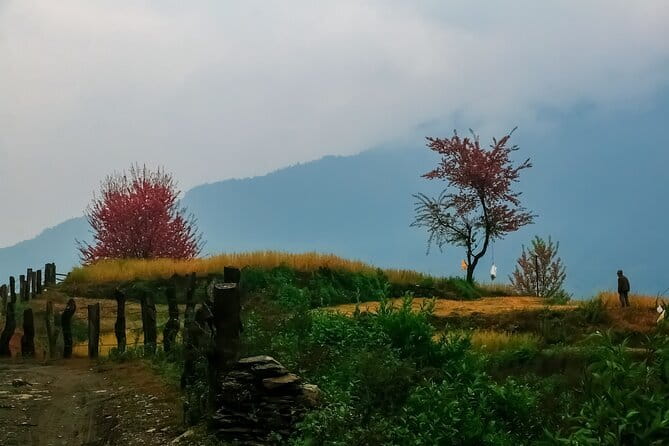
A lot of short treks treat villages like a photo op. This route gives you more time and a more meaningful connection to daily life at altitude.
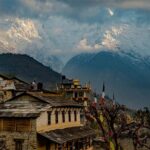
Ghandruk is tied to the Gurung community, and the trekking plan is explicit about warm hospitality and local traditions. You’re also at the right altitude to explore without constantly gasping for air.
In practice, village time helps you reset after the stair effort. You can look around, watch how people move through their day, and get a feel for how trekking fits into the rhythms of mountain communities.
It’s also a nice contrast to Poon Hill. Instead of chasing the view, you’re living inside it for a bit.
The Team Behind the Smooth Trip: Real Names, Real Strength
One of the clearest themes is the human side. People repeatedly mention guides and coordinators who bring a calm, can-do attitude.
Names that show up:
- Ramesh Aryal: described as organizing well and helping even when something went wrong, including support related to a lost wallet.
- Pokrash: praised for mountain knowledge and patience with slower walkers.
- Kauj / Kaji: noted for being helpful and caring for belongings during the trek.
- Dipesh Aryal: described as friendly and encouraging for first-time trekkers.
- Jit Badhur: mentioned for good information and careful support.
- Santos and Changra: highlighted as friendly and attentive.
- Aryalparkash: described as kind and helpful, including support for a daughter on complex steps.
Why does this matter? Because on a trek like this, logistics are half the battle. When your guide communicates well, keeps pace appropriate, and handles small problems quickly, you spend less energy worrying and more energy enjoying the walk.
Who Should Book This Trek, and Who Might Want More Time
This trek fits best if you want:
- a 3-day plan with a clear sunrise goal,
- an experience that includes culture (not just trekking),
- a guided route with permits, meals, and lodging handled.
It’s also a strong choice for beginners who have moderate fitness and can handle stairs. The feedback specifically highlights support for slower walkers and first-time trekkers.
If you’re the kind of person who wants long, gradual acclimatization or you hate steep step sections, you might prefer a longer trek with gentler day-to-day progress. But if your main goal is Poon Hill sunrise plus a village visit, this plan delivers a focused hit without needing weeks.
Should You Book the Pokhara–Ghorepani–Poon Hill–Ghandruk Private Trek?
I’d book it if you want a short trek where the money goes toward real essentials: guide, permits, lodging, meals, and private transport. The structure is clean—drive in, climb to Ghorepani, reach Poon Hill for sunrise, then finish through Ghandruk and back to Pokhara.
I’d think twice if stairs and early mornings are a deal-breaker for you. This route is doable, but it’s not “walk in the park.” If you prepare for a steady pace and accept that your legs will do a lot of work, you’ll get a satisfying mix of mountain views and Gurung village life.
FAQ
FAQ
How high do we reach on this trek?
You reach Poon Hill at 3,210m (10,531 ft). You also sleep at elevations like Ghorepani (2,840m) and Ghandruk (2,000m).
Is this trek private or shared?
It’s a private tour/activity, so only your group participates.
What’s included in the price?
Included are private transportation, an English-speaking licensed local guide, permits/fees for conservation area entry and trekking, private tea/guest house accommodation for two nights, and meals: breakfast x2, lunch x3, dinner x2.
Are pickup and transport included from Pokhara?
Yes. The experience includes pickup offered and private transportation, including the drive segments connected to the trail route.
Are meals and lodging included, or do I need to pay separately?
Lodging and meals are included as private accommodation x2 nights in tea/guest houses and meals for the trekking days (breakfast x2, lunch x3, dinner x2). Drinks and personal expenses are not included.
Can I cancel and get a full refund?
Yes. You can cancel up to 24 hours in advance for a full refund. If you cancel less than 24 hours before the start time, the amount paid is not refunded.