REVIEW · POKHARA
Pokhara: 7-Day Annapurna Base Camp Trek & Natural Hot Spring
Book on GetYourGuide →Operated by Snow Peak Tours and Travels pvt. ltd. · Bookable on GetYourGuide
Four thousand meters, then hot springs. This 7-day Annapurna Base Camp trek is a straight shot into the Annapurna Sanctuary and ends with Jhinu Danda hot springs. I love how the trail mixes stone village steps, deep rhododendron forest, and big valley views, all without feeling rushed. I also love the cozy tea house rhythm—walk, eat, sleep, repeat. One possible drawback: the days at higher altitude can feel like a long grind, especially on the stair-heavy sections.
The best part is how much your day-to-day safety and comfort depends on your guide. You’ll be with a professional English-speaking trekking guide (and in real trips I’ve seen guides like Chaundra, Anil, Jeet Bhadur, Bishnu Giri, Chandra, Sun, and Laxman). That human element matters a lot when the air thins and your motivation drops.
In This Review
- Key Highlights You’ll Actually Care About
- From Pokhara to Ghandruk: where the trek starts feeling real
- Ghandruk to Chomrong: steps, viewpoints, and Machhapuchhre drama
- Into the rhododendron forest toward Himalaya village
- Annapurna Base Camp at 4,130 m: the day that turns it into a story
- Down to Bamboo: enjoy the view, then protect your knees
- Jhinu Danda hot springs: sore legs get a reset button
- Back to Pokhara via Nayapool: finish strong, not sleepy
- Price and what your $181 actually buys
- Guides, safety, and why the best trips feel well paced
- Gear and packing: don’t overthink it, but don’t show up underprepared
- Who should book this Annapurna Base Camp trek
- Should you book this trek?
- FAQ
- How long is the Annapurna Base Camp trek?
- Where does the trek start?
- What is the highest altitude on the trek?
- Are permits and TIMS fees included?
- Are meals included?
- What kind of accommodation will I have?
- Is there a guide, and what languages do they speak?
- Is a porter included?
- Do I need travel insurance?
- Is the natural hot spring soak included?
Key Highlights You’ll Actually Care About
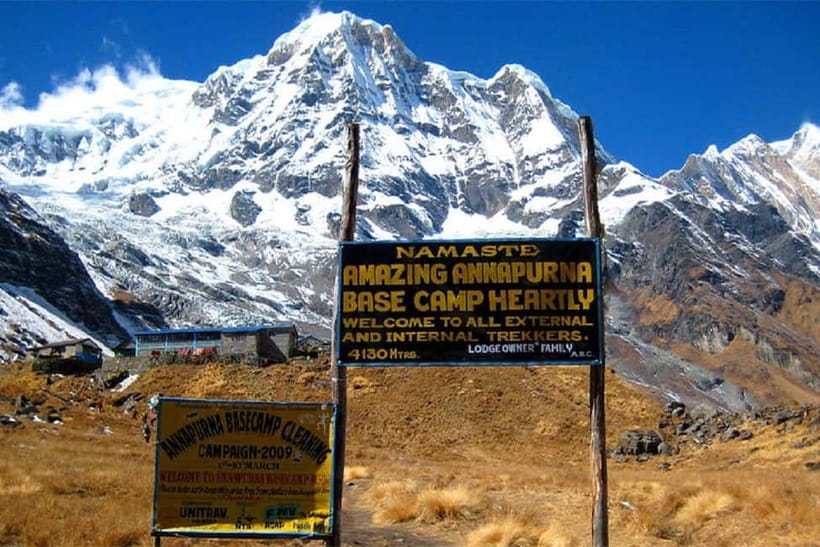
- Annapurna Base Camp at 4,130 m: a real goal, not just a photo stop
- Walk into the Annapurna Sanctuary under towering peaks and glacier-valley views
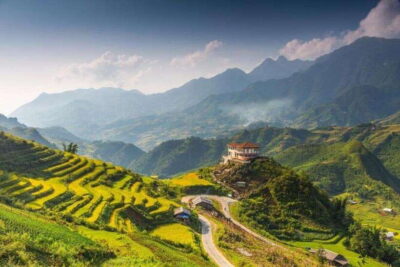
- Gurung villages + terraced fields: you’re not just hiking through scenery, you’re passing through lives
- Tea houses with meals included (depending on option): easier logistics, fewer decisions
- Jhinu Danda hot springs: warm water for sore legs on the way back down
- A guide who can adjust the pace to keep you moving safely (you’ll feel the difference)
From Pokhara to Ghandruk: where the trek starts feeling real
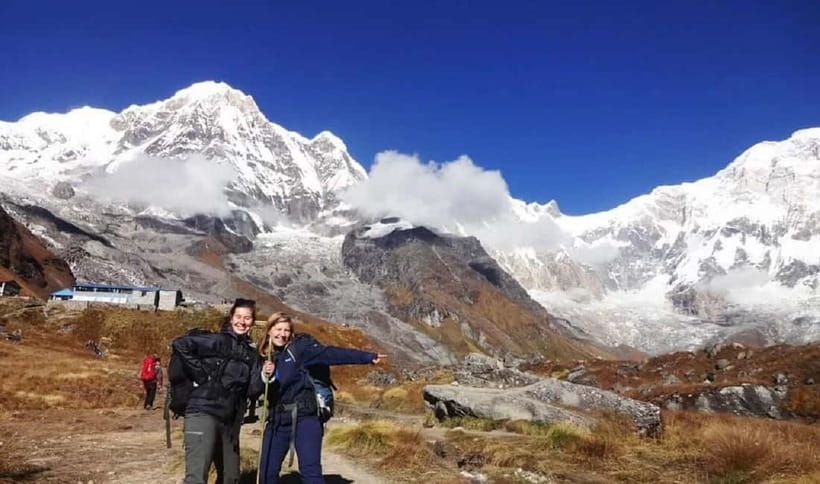
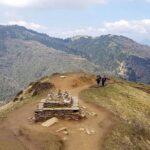
Your trek begins with transportation from your Pokhara hotel or the Pokhara International Airport area to the trail start near Nayapool/Naya Pul. Then it’s into the hills along the Modi Khola (a classic river corridor for this region), with villages and forest along the way. This is the day to get your boots broken in and your breathing figured out.
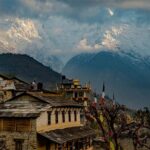
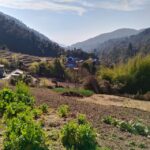
You’ll trek about 5–6 hours on Day 1, ending in Ghandruk (1,940 m). Ghandruk is one of those places where you can look around and immediately understand why people live here: the views are huge, the trails are established, and the village energy makes you feel like you’ve stepped into Nepal, not just onto a hiking route.
What I like about this first day: it’s scenic without being exhausting. The trekking time is long enough to warm you up, but the altitude is still reasonable. The potential downside is simple—dust on road approaches. If you’re sensitive to that, ask about using more vehicle time for the drive portions on the start/end days (one traveler suggested swapping extra road walking for a jeep where possible to reduce dust).
You can also read our reviews of more tours and experiences in Pokhara.
Ghandruk to Chomrong: steps, viewpoints, and Machhapuchhre drama
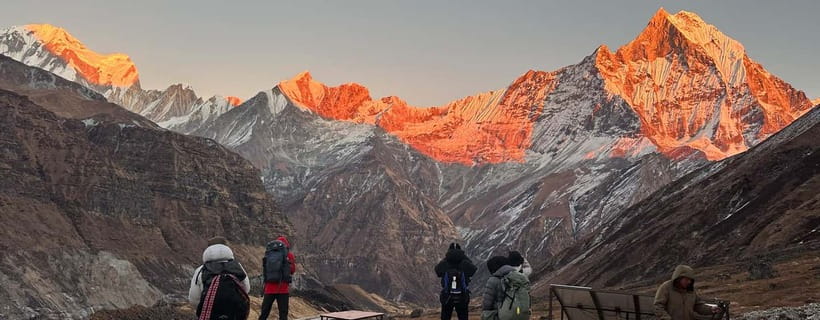
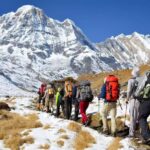
Day 2 climbs and tightens the focus. The trek goes from Ghandruk to Chomrong in about 5–6 hours, overnighting at Chomrong (2,170 m). This is where the trail’s rhythm starts to feel more serious: stone steps, forest paths, and short stretches where your legs say, yes, we are still doing this.
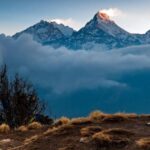
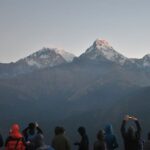
One of the most satisfying things about this section is how the views open up. You’ll start seeing wide Annapurna and Machhapuchhre outlooks from higher points along the route. Machhapuchhre (the Fish Tail) has that distinct shape, and when you catch it at the right angle, it feels like the mountain is posing for you.
Teahouse living begins to sink in here, too. After you check in, you’ll usually settle in with a warm drink while the air cools down. If you’re traveling in January, the days can be clearer and the trails feel calmer, which makes the whole experience more peaceful (and way easier for taking in the views without shoulder-to-shoulder crowds).
Drawback to plan for: Chomrong’s stair-and-steep vibe can be tough if you go out too fast on Day 2. Keep your pace steady. You’re saving energy for later.
Into the rhododendron forest toward Himalaya village
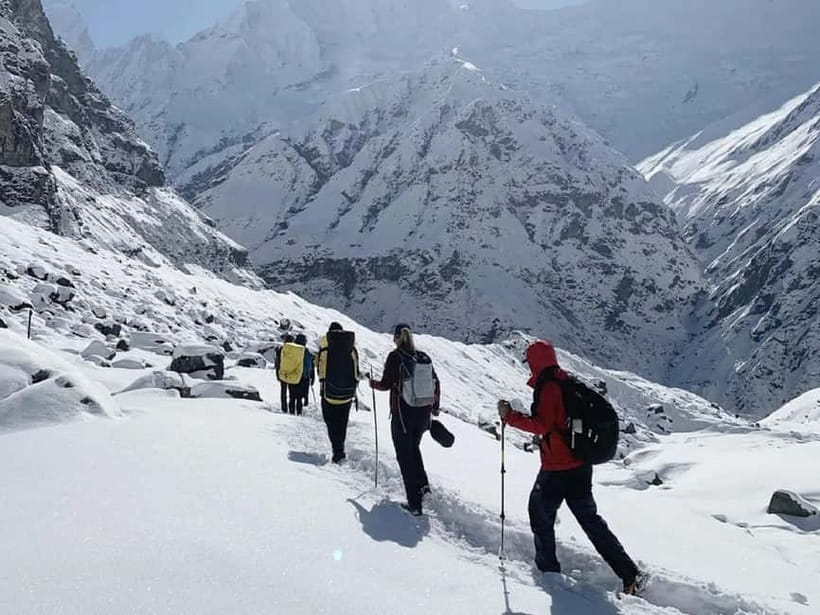
Day 3 is about getting into the “breathing forest” zone. You trek from Chomrong to Himalaya for about 6–7 hours, and overnight at Himalaya (2,920 m).
You’ll descend toward the river, then climb again through bamboo and rhododendron forest. It’s a nice change from village streets and open viewpoints. Forest hiking gives you two benefits: your mind can rest a bit (less time picking your route), and the shade helps on warmer days.
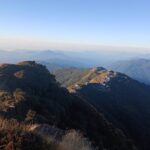
You’ll also notice the air thinning. Even if you feel fine, you can start using the hike as a pacing lesson: slower steps, longer breaths, and less rushing when you feel your heart bump. This is where a good guide earns their pay—often by pushing just enough, and stopping you from turning this hike into a sprint.
The main drawback here is cumulative fatigue. You’re not at the highest altitude yet, but you’re stacking days. If you’ve only trained for long walks, this is where you’ll appreciate having real hiking shoes and a consistent rhythm.
Annapurna Base Camp at 4,130 m: the day that turns it into a story
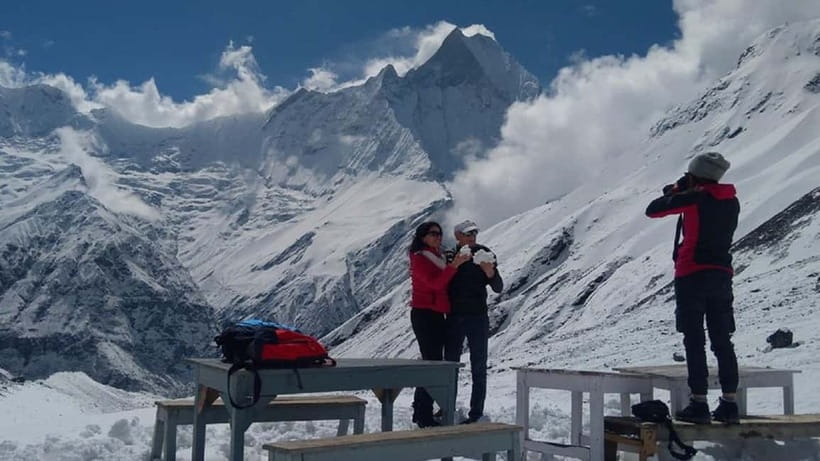
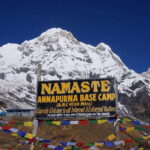
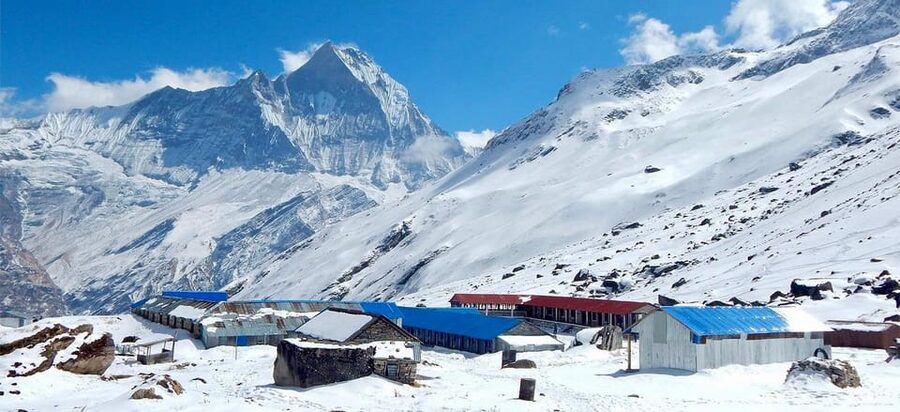
Day 4 is your summit-ish moment—though technically it’s a “base camp,” it feels like an achievement day. You trek Himalaya to Machhapuchhre Base Camp to Annapurna Base Camp, around 6–7 hours total, overnighting at Annapurna Base Camp (4,130 m).
As you move into the alpine zone, the trail environment changes fast. The glacier-valley feel comes in, and the “amphitheater” effect becomes real. This is the part where you stop thinking like a tourist and start thinking like a hiker who actually earned something.
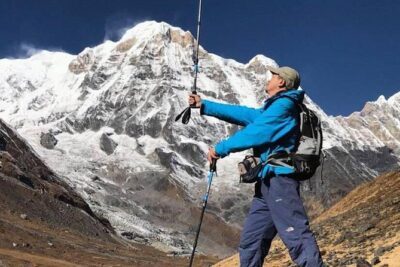
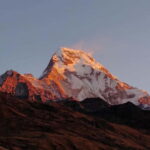
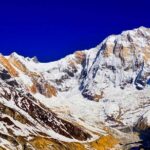
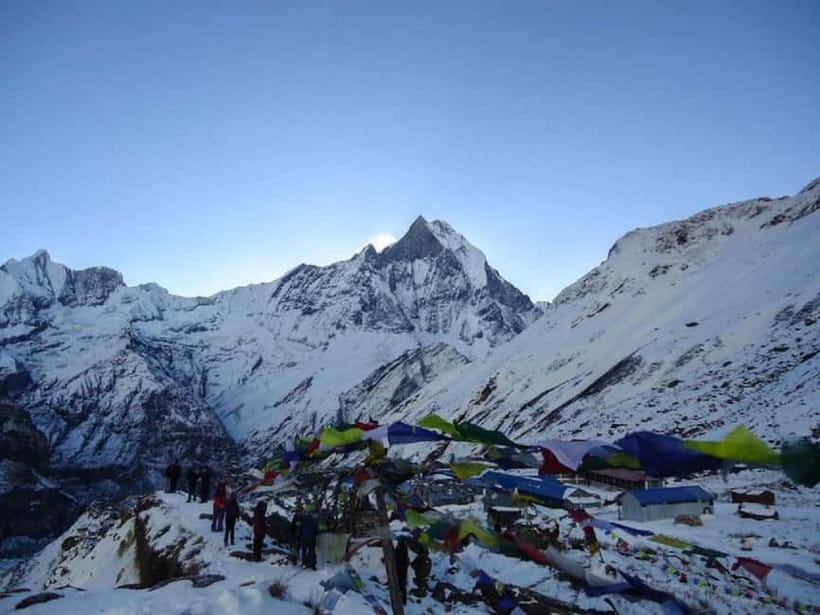
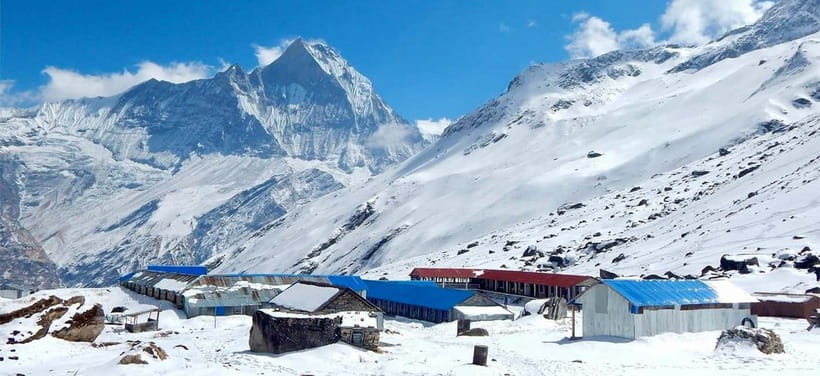
When you reach base camp, you’re surrounded by big walls of peaks, including prominent views of Annapurna I and Machhapuchhre. It’s also the day where sunrise and sunset are the magic hours. If the sky cooperates—and it often does when you time it well—you’ll get that golden light that makes everyone suddenly speak more softly, like the mountains are listening.
Drawback: cold and altitude. Even if you’re energetic at the start of the day, you might feel slowed by the thin air near base camp. Pack warm layers and don’t underestimate how chilly it can feel when you stop moving.
Down to Bamboo: enjoy the view, then protect your knees
Day 5 turns you from climber into conserver. You trek from Annapurna Base Camp to Bamboo for about 6–7 hours, overnighting at Bamboo (2,335 m).
This is a descent day, and that sounds easier until you remember how downhill works. You’ll keep the mountains in your line of sight as you go, and you’ll likely get some of the most memorable backward views of the Annapurna range. You may also spot waterfalls along the route as the valley funnels water down from the heights.
But the practical side is your legs. Descents can punish knees and shins. If you have a knee history, consider using trekking poles and keeping your steps shorter. The goal is smooth, not fast.
The best “value” of this day: it’s proof the trek isn’t only about reaching base camp. It’s also about how you handle the return journey.
Jhinu Danda hot springs: sore legs get a reset button
Day 6 is where your effort gets repaid. You trek from Bamboo to Jhinu Danda (hot spring) for about 5–6 hours, overnighting at Jhinu Danda (1,610 m).
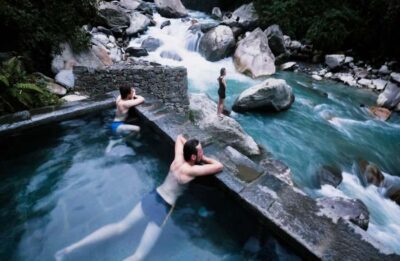
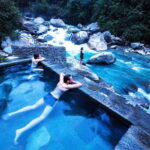
You’ll head down toward the riverside area, and then the hot spring soak is the big payoff. Natural hot water at the end of a high-altitude trek is one of those experiences that’s hard to describe until you feel it: your muscles relax, your stiffness eases, and your mood lifts because you’re finally off the climbing and back into recovery mode.
Even if your body feels wrecked, the soak gives you a reason to smile at Day 6. It turns the trek into a complete arc: effort up, reward down.
Practical consideration: bring a towel and keep your hot-spring clothes sorted so you’re not rummaging in cold air. Small prep here makes the experience smoother.
Back to Pokhara via Nayapool: finish strong, not sleepy
Day 7 combines a trek and a drive. You trek Jhinu Danda to Nayapool for about 4–5 hours, then drive roughly 1 hour back to Pokhara.
This last day is shorter than most hiking days, but don’t treat it like a casual stroll. Your legs may feel lighter than they did at base camp, but the trail still has its own obstacles—rocks, uneven steps, and that lingering soreness.
Once you reach Nayapool and head back toward Pokhara, you’ll probably notice two things: (1) how loud normal life is after mountain quiet, and (2) how much you’ll want a shower that feels like it’s replacing the entire trek. That’s normal.
If you’re traveling in clearer months like January, the return often feels extra rewarding because you get a calmer, more readable trail experience on both ends.
Price and what your $181 actually buys
At $181 per person for a 7-day trek, the value comes from what’s included—not just the trekking itself.
You typically get:
- Round-trip transportation between your Pokhara hotel/airport area and the trek starting point
- Permits and TIMS fees handled for you
- Tea house/lodge accommodation along the route
- Meals throughout the trek depending on the option you choose
- A professional English-speaking guide (certified by the Nepal Government) with first aid support
- Luggage storage in Pokhara so you don’t drag everything up the mountain
- A trekking stick and sleeping bag as needed
- Taxes and local costs covered
What’s not included (important for real budgeting):
- Travel insurance (mandatory for your safety and peace of mind)
- Personal snacks and drinks
- Emergency rescue services
- Optional porter if you decide you want one ($20 per day)
Here’s how I’d judge the value: if you’re a traveler who wants the trail planned, permits handled, and your daily logistics simplified, this price structure makes sense. If you already have your own gear, know the region well, and can manage permits and pacing independently, the budget may feel tight. For most people, though, the guide + permits + transport + tea houses are exactly the stuff you don’t want to worry about when your lungs are busy.
Guides, safety, and why the best trips feel well paced
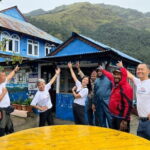
This trek is described as a “private group,” which usually means fewer people to manage and more attention on your pace. The guide you get matters a lot, and you’ll see that in real-world feedback: people highlighted how guides like Chaundra and Anil helped with everything from walking support to answering questions, while others praised Bishnu Giri for watching health and encouraging people step by step.
One useful detail you can use immediately: ask your guide early about pace. Some guides also adjust overnight stops based on progress. That can be helpful if you’re strong on Day 2 or if you’re nursing sore legs and need to keep the day realistic.
Also, don’t assume the trek will feel identical every time. Weather changes. Your body changes. The guide’s job is to keep the plan flexible enough to match real conditions.
Gear and packing: don’t overthink it, but don’t show up underprepared
You’ll want practical warm layers and footwear. The basics listed for the trek are solid:
- Comfortable shoes and/or hiking shoes (you’ll be on uneven ground)
- Warm clothing, jacket, and rain gear
- Gloves, sun hat, sunglasses, sunscreen
- Change of clothes, towel (especially for hot springs)
- Flashlight and a power bank (if you plan to recharge devices)
- Cash and a passport copy (the passport copy is accepted)
One extra “do this now” item: submit a copy of your passport at least one day prior to the trek so permits can be issued. If you leave that until the last minute, you’ll be stressed before you even start walking.
If you’re going in winter like January, plan for cold. If you’re going in warmer months, still pack a jacket. Mountain weather loves switching moods.
Who should book this Annapurna Base Camp trek
This trek is a good fit if you want:
- A classic Annapurna Base Camp experience in 7 days
- Cultural stops through Gurung villages and terraced fields
- A route with variety: forest, river valleys, villages, and an alpine final push
- A built-in payoff at the end with Jhinu Danda hot springs
It may be a tougher choice if:
- You’re not comfortable with daily hikes of 4–7 hours for a week
- You hate stair descents (knee strain is real on downhill days)
- You can’t handle altitude well, even with a steady pace and proper guidance
If you’re unsure about your fitness, you’ll get the best results by being honest with your guide and not trying to “prove” something on Day 2.
Should you book this trek?
If you want a straightforward, well-supported Annapurna Base Camp trek with permits handled, a government-certified English-speaking guide, tea house nights, and a hot spring recovery day, this looks like a strong deal for the price.
My rule of thumb: book it if you’re excited about real hiking and you’re ready to take altitude seriously. Don’t book it on a whim if you’re untrained or if your insurance situation isn’t sorted. Get your passport copy in time, pack warm layers, and go at a steady pace. Do that, and you’ll come home with more than photos—you’ll have a week-long story you can actually tell.
FAQ
How long is the Annapurna Base Camp trek?
The trek duration is 7 days.
Where does the trek start?
You’ll be picked up from your Pokhara hotel or Pokhara International Airport area, then transported to the trek starting point (with Day 1 driving to Nayapool/Naya Pul before hiking to Ghandruk).
What is the highest altitude on the trek?
The highest overnight point listed is Annapurna Base Camp at 4,130 m.
Are permits and TIMS fees included?
Yes. All required trekking permits, paperwork, and TIMS fees are included.
Are meals included?
Meals are included depending on the option selected.
What kind of accommodation will I have?
You’ll stay in simple tea houses or lodges along the route.
Is there a guide, and what languages do they speak?
Yes. A professional, friendly, experienced English-speaking guide is included, and guides may speak English, Hindi, and Nepali.
Is a porter included?
A porter is not included. If you want one, it can be arranged for $20 per day.
Do I need travel insurance?
Travel insurance is not included, and it’s stated as mandatory for your safety and peace of mind.
Is the natural hot spring soak included?
Yes. The itinerary includes trekking to Jhinu Danda for a natural hot spring bath.