REVIEW · POKHARA
Annapurna Base Camp 7 Days Trek from Pokhara
Book on Viator →Operated by Pokhara Adventure Nepal (PAN) · Bookable on Viator
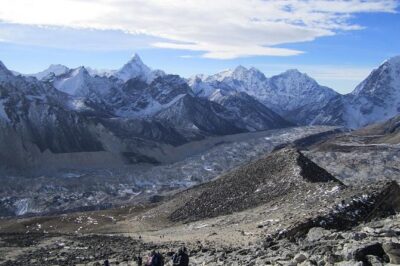
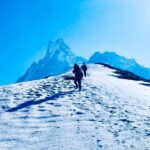
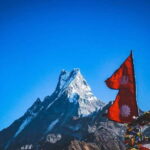
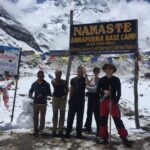
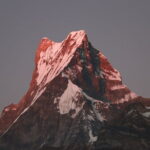
Altitude and Annapurna views in a 7-day rhythm. This trek has a big wow-factor because you walk through forest to high alpine terrain and end at Annapurna Base Camp (4,130m) under the Annapurna massif, with views of Annapurna South, Machhapuchare (Fishtail), and Hiunchuli. I also like that you get culture without feeling like you’re on a bus tour: villages tied to Gurung and Magar communities show up naturally along the trail.
I like how practical the planning feels for a trek at this altitude: you’re covered for trekking permit + TIMS card, an English-speaking trekking guide, and guest-house nights, with hotel pickup and return transport from Pokhara. The main consideration is physical demand—these are several 5–7 hour walking days with climbs and descents, and it’s not set up for anyone who can’t handle trekking trails (it’s not recommended for wheelchair users).
In This Review
- Key Highlights You’ll Actually Care About
- Why This Annapurna Base Camp Trek Starts in Pokhara
- 7 Days, Clear Steps: Your Route to Annapurna Base Camp
- Day 1: Pokhara to Ghandruk (via Nayapul and Birethati)
- Day 2: Ghandruk to Upper Sinuwa (with Chhomrong along the way)
- Day 3: Sinuwa to Annapurna Base Camp approach through bamboo and rhododendron
- Day 4: Annapurna Sanctuary to ABC (including a climb toward base camp)
- Day 5: ABC back down to Bamboo (Deurali, Himalaya, Dovan)
- Day 6: Bamboo region to Jhinu Danda (through Sinuwa-Danda, Chhomrong, and ridge lines)
- Day 7: Jhinu Danda to Pokhara (with a jeep ride back)
- Annapurna Base Camp Days: What “Sanctuary” Really Means for Your Body
- Culture You’ll Walk Through: Gurung Villages That Add Meaning
- Guides, Permits, and the Quiet Comfort of Being Organized
- Where the $435 Price Fits (and What You Still Pay Extra)
- Fitness Reality Check: Moderate Doesn’t Mean Casual
- Practical Packing Tips That Match This Route
- Should You Book This Annapurna Base Camp 7-Day Trek?
- FAQ
- What is the duration of the Annapurna Base Camp trek from Pokhara?
- What does the $435 per person price include?
- What is the highest point on the itinerary?
- How long are the walking days?
- What kind of accommodation should I expect?
- Do I need permits, and are they included?
- Is this trek suitable for wheelchair users?
- Is transport included from Pokhara?
- Can I cancel and get a refund?
Key Highlights You’ll Actually Care About
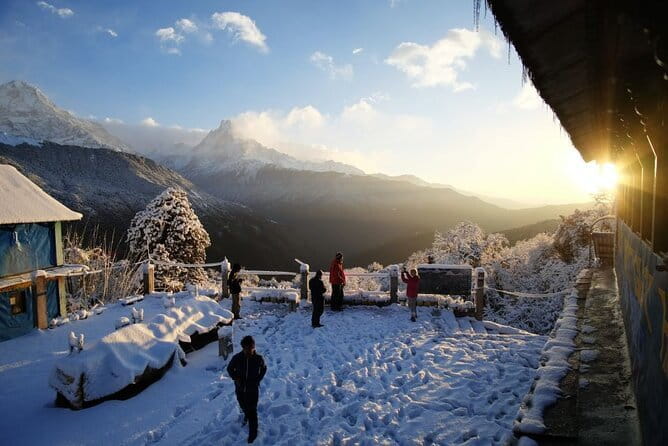
- Big mountain payoff at ABC: You reach 4,130m in the Annapurna Sanctuary and get close-up views of the Annapurna massif.
- Ghandruk and Gurung culture on the way: The massive Gurung village stop adds context and memorable scenery.
- Rhododendron forests to alpine meadows: Expect a real change in vegetation as you climb.
- A high point that matters—Annapurna Sanctuary: Day 4 builds altitude toward ABC with a strong climb.
- Helpful English-speaking guides (Ram or Krishna): Past groups specifically called out guidance and support in and around the mountains.
- Guest-house style lodging in villages: Simple stays each night make the route manageable without backcountry logistics.
Why This Annapurna Base Camp Trek Starts in Pokhara
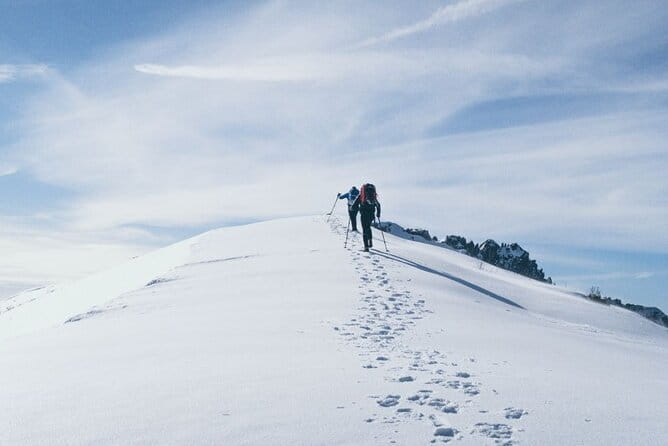
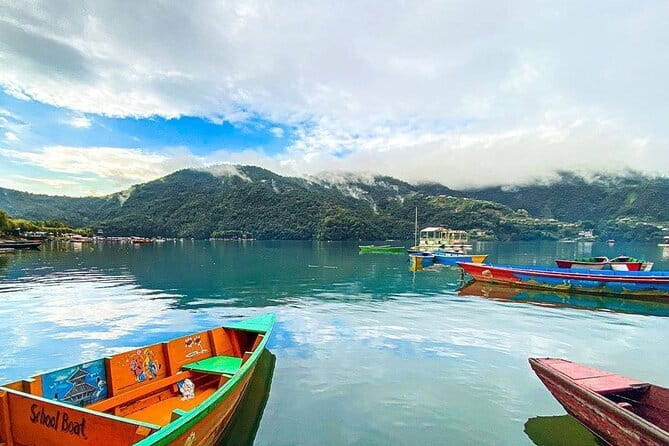
Pokhara is the move for this trek because it’s both scenic and convenient. Before you start walking, you get time to orient yourself with views over the Annapurna Himalayas and the Manaslu range, plus lake scenery that makes the first day feel like a vacation instead of a sprint.
You’ll also get hotel pickup and drop-off, and then a mix of sharing jeep/bus transfers that connect you to the trailheads. That matters on a trek like ABC because the day-to-day focus should be your steps and breathing, not figuring out local transport while you’re already tired.
You can also read our reviews of more tours and experiences in Pokhara.
7 Days, Clear Steps: Your Route to Annapurna Base Camp
This trek is built around gradual progression with a few harder pushes. Walking time per day is listed as roughly 5–7 hours, but the real variable is your altitude and how long it takes you to pause for views, photos, and breaks.
Day 1: Pokhara to Ghandruk (via Nayapul and Birethati)
Today is about getting onto the Annapurna trail system. You’ll drive toward Kyu Mi Danda via Nayapul and Birethati, then use a sharing jeep from the Pokhara area (the road portion is described as unpaved, so expect a bumpy start).
The trek section goes along the Modi River valley through authentic villages and hills, with the first real “this is it” payoff arriving at Ghandruk. Ghandruk is described as the massive Gurung village in the region, and it’s the kind of place where you can slow down and look around: Gurung lifestyle, customs, and museum-style culture are part of the experience, not an afterthought. You’ll also keep seeing major peak silhouettes—Annapurna South, Hiunchuli, Machhapuchare, Gangapurna, and Annapurna III.
How this day feels: shorter on paper, but it sets your rhythm and gives you a sense of the valley scale.
Day 2: Ghandruk to Upper Sinuwa (with Chhomrong along the way)
From Ghandruk you go toward Upper Sinuwa, and the route is described as fluctuating. That “up, down, repeat” profile is classic ABC country and it can sneak up on you because your legs do a lot of work even when the climbs don’t feel like a single wall.
You’ll pass through areas tied to Kimrung Danda and the Kimrung River, then reach Chhomrong before continuing to Sinuwa. The trail experience here is both natural and cultural: you’re moving through Gurung areas while getting constantly changing views of the Annapurna ranges and vegetation that shifts as elevation increases.
Potential drawback: it’s listed as a full trekking day (about 7 hours). If you’re coming in underprepared physically, this is one of the days where a tired pace shows up fast.
Day 3: Sinuwa to Annapurna Base Camp approach through bamboo and rhododendron
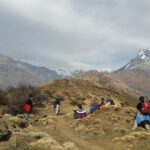
This day turns colder and airier as you head toward the Annapurna Sanctuary. The description highlights winding paths and forest sections—bamboo and rhododendron show up in a way that makes the trek feel like a gradual “climb into weather” rather than just a higher street.
You’ll also see places along the way such as Bamboo and Dovan, all while walking in the Eden-valley style route tied to the Modi River. You’re not just collecting distance on Day 3; you’re earning the sense that the terrain is tightening around you as you near the sanctuary.
Why this stop matters: getting to the sanctuary area before ABC helps you acclimatize more comfortably than jumping straight to the highest day.
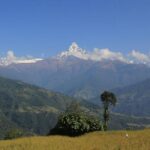
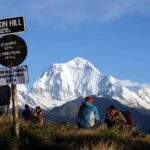
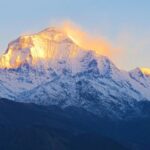
Day 4: Annapurna Sanctuary to ABC (including a climb toward base camp)
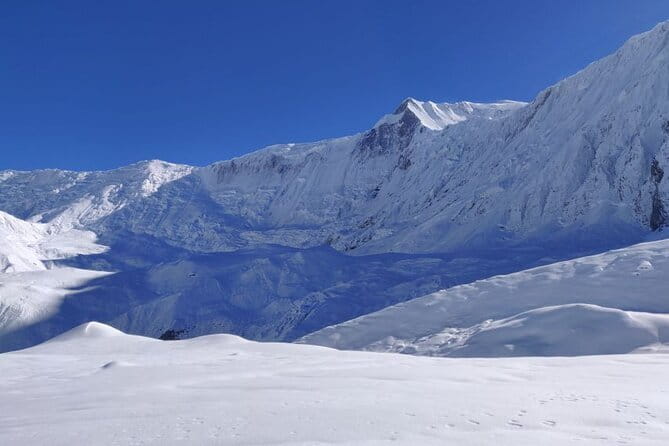
This is the “high altitude day” that most people remember. The route goes up through the sanctuary toward Machhapuchhre Base Camp (listed at about 3,900m), and then you climb roughly 730m to reach Annapurna Base Camp at 4,130m.
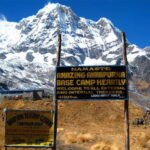
The walk is described as gradually uphill into the sanctuary, and you move through grassy uphill sections as the views open. A key detail here is that you’re right in the amphitheater feeling of the sanctuary, with Annapurna I encircling the area in big views. Reaching ABC isn’t only about elevation; it’s about standing at the base of the Annapurna massif and seeing how all the ridges line up.
How to plan your pacing: aim for steady effort rather than speed. You’ll likely want time to stop and look up the slopes because that’s the whole point of the day.
Day 5: ABC back down to Bamboo (Deurali, Himalaya, Dovan)
After the big summit-style moment at base camp, you drop. The route is described as decent, but take downhill seriously because descents can be harder on knees than the climb feels on the way up.
You’ll head back via Deurali, Himalaya, and Dovan and then arrive at Bamboo for an overnight stay. This is also one of those days where the walking feels more forgiving because you can settle into a rhythm—downhill with small ups and downs, still winding through a serene forest and returning to tree line.
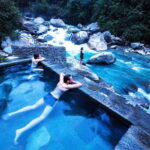
There’s also a practical comfort mention: a warm hot shower is noted around the Bamboo/Baboo stop area. After days of cold mornings and sweaty afternoons, that small luxury can feel like a full-service spa, even if it’s just a lodge bathroom and hot water on the schedule.
Potential drawback: don’t assume “mostly downhill” means “easy.” Bring trekking poles if you use them, and take short pauses to keep your footing sure.
Day 6: Bamboo region to Jhinu Danda (through Sinuwa-Danda, Chhomrong, and ridge lines)
This day is a classic mix: short steep up, then a descent through forest, then another set of climbs and ridges. The route description includes a short steep up to KhuldiGhar, then downhill to Sinuwa-Danda, and further descent toward Chhomrong Khola.
You’ll cross a bridge climb for a short while and reach Chhomrong village for lunch, then continue with another short up to the top of Chhomrong ridge. The last part of the day is a downhill walk to Jhinu Danda.
What makes it good: you’re revisiting big name terrain (Chhomrong) with fresh legs and a different mindset—this time you’re not chasing altitude, you’re moving toward recovery.
Day 7: Jhinu Danda to Pokhara (with a jeep ride back)
Your final day includes a short downhill and a long suspension bridge crossing, plus a move toward Samrung Khola. From there you catch a local jeep back to Pokhara, listed as about 4 hours of driving.
The route is described as passing through Kimrung village, Syauli Bazaar, Birethati Nayapul, Kande, and Naudanda before reaching Pokhara. The trek ends with you back in town, with the lakeside area available for a real meal and a calmer pace after the trail.
Why this day matters: the best “success” feeling comes when you’re done and can switch back to normal life fast.
Annapurna Base Camp Days: What “Sanctuary” Really Means for Your Body
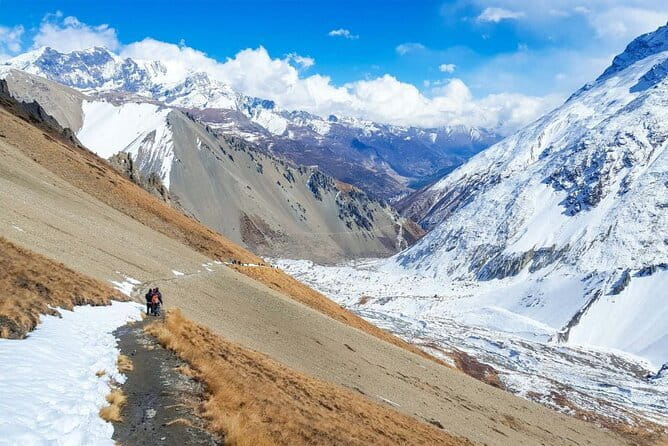
“Annapurna Sanctuary” is more than a name. In practice, it means the walking gets more focused around altitude, air temperature, and the way the terrain funnels you toward the base camp bowl.
The itinerary’s structure supports that: you gradually build toward the sanctuary on Day 3, then make the stronger climb to ABC on Day 4 (with Machhapuchhre Base Camp as a key altitude step). That’s useful for you because it’s easier to handle altitude when it’s staged rather than sudden.
Also, base camp here isn’t described as a random viewpoint. You’re reaching a specific high point—4,130m—at the base of a massive wall of mountains. Expect your best views when the air is clear, so treat mornings as sacred time on this trek: bundle up, step out early, and give yourself a few minutes before you start hiking again.
Culture You’ll Walk Through: Gurung Villages That Add Meaning
One reason I’d choose this route is that villages are not just scenery. You start with Ghandruk, described as the massive Gurung village, and you also pass through Chhomrong on Day 2/6 route segments.
These are places tied to daily life in the Annapurna region: local customs, village layouts, and community identity. When you’re walking all day, that cultural context changes how you feel about the trek. Instead of “I’m walking through,” it becomes “I’m traveling with a place that has people and routines.”
If you like conversations, the guide matters here. An English-speaking trekking guide can help you understand what you’re seeing without turning every moment into a formal explanation.
Guides, Permits, and the Quiet Comfort of Being Organized
This tour includes the administrative pieces you don’t want to wrestle with while acclimatizing. You get:
- Trekking permit and TIMS card included
- an English-speaking trekking guide
- guest-house accommodation each night
- pickup and return transfer between Pokhara and the trekking route
You’ll also need to provide passport copy and a passport-size photo prior to the trek for permit work. That’s normal, but it’s worth handling early so your start day stays calm.
One detail that stands out from past group feedback is guide helpfulness. Names that come up include Ram and Krishna, and the common theme is simple: they keep things smooth, answer questions, and help you make the most of the mountain time. When you’re at altitude, that kind of support is more valuable than it sounds.
Where the $435 Price Fits (and What You Still Pay Extra)
At $435 per person for a 7-day ABC trek, the value comes from the “stuff that adds up fast” if you arrange it yourself. In this package, you’re not just paying for someone to walk beside you. You’re paying for:
- guide support
- permits (trekking permit + TIMS)
- guest-house lodging included
- hotel pickup/drop-off and trekking transfers
The tradeoff is that you still cover personal costs and tips. The listed exclusions include personal expenses and gratitude (gratuity). So budget extra for things like snacks, drinks, and any upgrades you decide you want while you’re on the trail.
A smart way to think about price here is risk reduction. Having a guide and permits handled lowers the friction, and that lets you focus on walking, acclimatizing, and enjoying the views.
Fitness Reality Check: Moderate Doesn’t Mean Casual
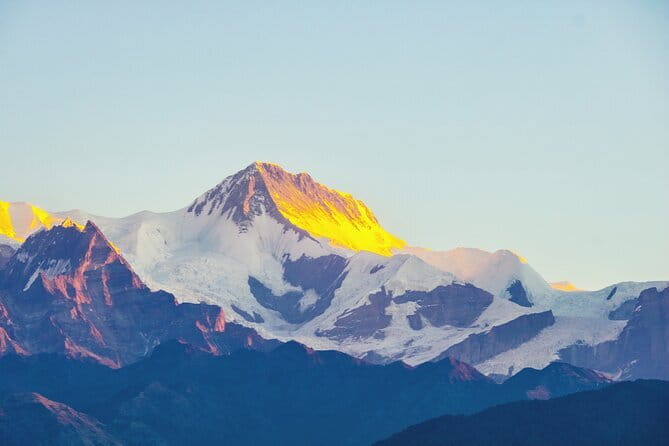
The trek calls for moderate physical fitness, and that’s accurate. Expect multiple days where you walk around 6–7 hours, including climbs and descents on uneven trails. The route also includes a notable climb on Day 4 (about 730m) toward ABC.
It’s also clearly stated as not recommended for wheelchair users, because you’ll be on trekking trails with uneven surfaces. If your mobility is limited, you’ll want to choose a different Nepal experience that fits your needs better.
If you can hike consistently and you’re comfortable with altitude, this trek is a very doable challenge. If you’re starting from a low fitness base, build a habit before you go—walk stairs, do hills, and practice steady effort rather than occasional max-effort workouts.
Practical Packing Tips That Match This Route
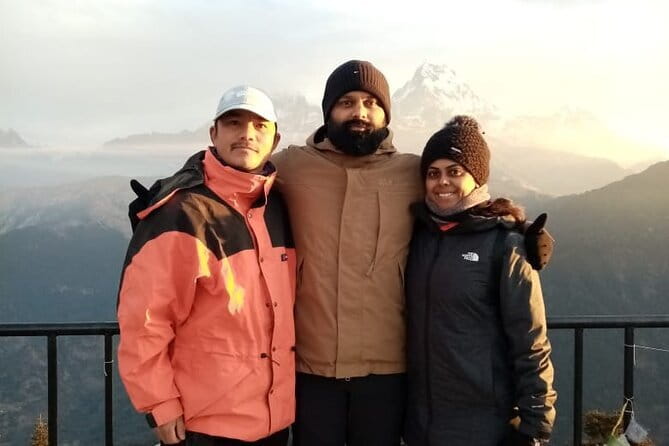
I can’t guess your exact gear needs, but I can help you avoid common ABC mistakes based on what this route demands.
Pack for temperature swings. As you climb from subtropical to alpine zones, you’ll feel it. Plan for cold mornings, warmer afternoons, and the kind of wind exposure you might notice near sanctuary and base camp areas.
Also, plan for long walking days:
- Good footwear with stable traction matters because downhills are part of the job.
- A light layer system helps you adjust fast as you gain height.
- Bring a small daypack for water and essentials so you’re not juggling everything by hand.
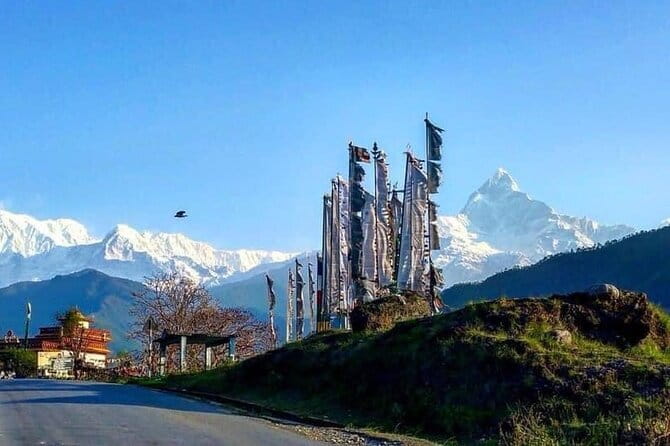
Finally, give yourself time for the views. This trek rewards pauses. You’re walking in a place where peaks like Machhapuchare (Fishtail) and Annapurna South become part of your mental map.
Should You Book This Annapurna Base Camp 7-Day Trek?
If you want a well-structured ABC trek with cultural stops, clear mountain goals, and less logistical stress, this is a strong choice. The included permits, guide, guest-house nights, and Pokhara transfers mean you spend your mental energy on walking and enjoying the sanctuary experience, not admin.
Book it if:
- you’re aiming for the full Annapurna Base Camp experience over 7 days
- you want villages like Ghandruk and Chhomrong as part of the story
- you like the idea of an English-speaking guide, especially with supportive guidance from people like Ram or Krishna named in past feedback
Reconsider it if:
- you want a fully flat, low-effort trek
- you can’t handle trekking-trail descents and long walking hours
- altitude is a concern and you need a gentler itinerary
One more note: the operator’s confirmation comes at booking time, and you can cancel for a full refund if you cancel at least 24 hours before the start time. That flexibility is nice when you’re juggling weather and personal schedules.
FAQ
What is the duration of the Annapurna Base Camp trek from Pokhara?
The trek is listed as 7 days (approx.).
What does the $435 per person price include?
It includes hotel pickup and drop-off, round trip transfer by sharing bus/jeep, trekking permit and TIMS card, an English speaking trekking guide, guest house accommodation, and the private trip for your group.
What is the highest point on the itinerary?
Annapurna Base Camp is listed at 4,130 meters, and Machhapuchhre Base Camp is listed at around 3,900 meters.
How long are the walking days?
Walking time is listed per day as about 5 to 7 hours, depending on the day, with lunch and tea breaks included in that timing as described.
What kind of accommodation should I expect?
The tour includes accommodation in guest houses along the route.
Do I need permits, and are they included?
Yes. The trekking permit and the TIMS card are included in the tour, and you’ll need to provide passport copy and a passport size photo prior to the trek.
Is this trek suitable for wheelchair users?
No. It is stated as not recommended for wheelchair users because it requires walking on trekking trails.
Is transport included from Pokhara?
Yes. You get hotel pickup and drop-off, plus round trip transfer by sharing bus/jeep.
Can I cancel and get a refund?
Yes. Free cancellation is available up to 24 hours in advance for a full refund. If you cancel less than 24 hours before the start time, the amount paid will not be refunded.