REVIEW · KATHMANDU
Ghorepani Poonhill Trek
Book on Viator →Operated by Mountain Rock Treks And Expedition Pvt. Ltd. · Bookable on Viator
One of Nepal’s best easy treks starts with a sunrise.
This Ghorepani Poon Hill itinerary packs big mountain views into a shorter route, and I like that it includes a structured transfer from Kathmandu and a clear hiking rhythm. You also get a head start with a 7:15 am premeeting and Thamel check-in.
One possible drawback: even on an easier trek, you still tackle hard stairs—especially the long step section up toward Ghorepani’s region.
What really sells it for me is how the trek mixes nature with everyday life. I like that the route passes through rhododendron and oak forests, then lands you in villages where you can slow down and learn something real about local Gurung culture at the Old Gurung Museum in Ghandruk. The operator’s small-group approach (max 14) and past praise for guides like Dawa, Eku, and Sudip suggests you’re in capable hands.
If you’re the type who hates early starts, the sunrise hike at Poon Hill is non-negotiable.
In This Review
- Key things to know before you go
- Route reality check: what makes this trek feel easier
- Day 1 in Kathmandu: Thamel prep and a relaxed start
- Day 2 to Pokhara: bus time versus flight time
- Day 3: Nayapul access, TIMS check, and the Ulleri stairs grind
- Day 4: rhododendron and oak forests to Ghorepani
- Day 5: Poon Hill sunrise panorama, then Tadapani overnight
- Day 6: Ghandruk and the Old Gurung Museum stop
- Day 7: back toward Nayapul and the Pokhara finish
- Day 8: long drive to Kathmandu and farewell dinner
- Day 9: Thamel time, then drop to the airport
- Price and logistics: what $700 actually covers
- Difficulty level: what to train for, and what to ignore
- Guides, organization, and the human factor
- Season choice: monsoon can work if you expect wet
- Who should book this Ghorepani Poon Hill Trek?
- Should you book this tour?
- FAQ
- How long is the Ghorepani Poon Hill Trek?
- What time is the meeting and where does it happen in Kathmandu?
- Do you travel to Pokhara by bus or flight?
- What’s the hardest part of the trek?
- What’s included in the tour price?
- What’s not included?
Key things to know before you go
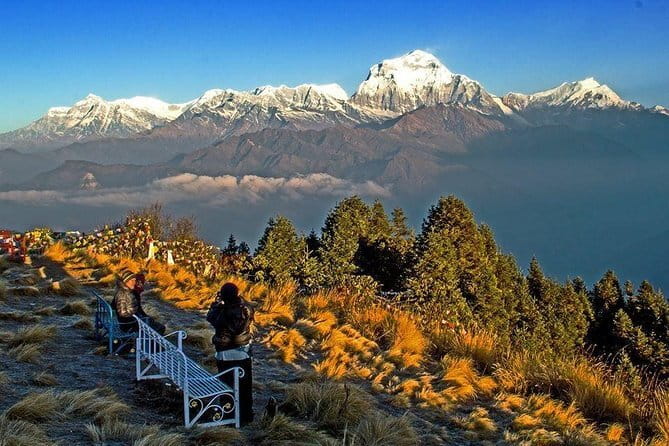
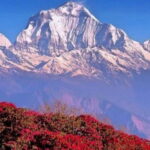
- Poon Hill sunrise: early hike, then a panoramic show over the Annapurna and Dhaulagiri ranges (plus Manaslu on clear mornings).
- Rhododendron-to-village walking: forests on the way up, guesthouses in the evening, and culture in Ghandruk.
- A short trek with one serious stair push: the Ulleri side includes a long staircase section (about 3,300 steps).
- Transfers are built in: Kathmandu to Pokhara by bus (or flight for extra cost), then back again.
- Food and fees are mostly handled: the price lists lots of meals plus park and activity fees, but drinks and tips are not included.
Route reality check: what makes this trek feel easier
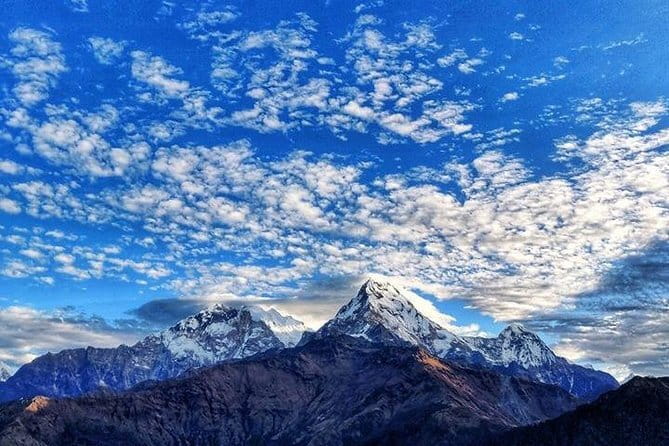
The Ghorepani Poon Hill Trek is considered one of the easier options in the Annapurna area because you stay at lower elevations and you don’t spend week after week climbing higher and higher. The hiking days are long enough to feel like a trek, but the route is short compared to classic Annapurna “full send” itineraries.
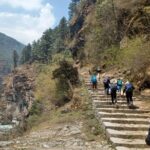
That said, “easy” in Nepal means don’t expect flat. You’ll still climb. The real standout is the big stair section on the route toward Ulleri—often described as around 3,300 steps. It can feel like a stair workout in the middle of a hike, even if the overall altitude risk is lower than many other treks.
If you’re a beginner, this trek works best when you walk steadily and take breath breaks. If you go out sprinting, you’ll pay for it on the stairs and rocky uphill sections.
You can also read our reviews of more tours and experiences in Kathmandu.
Day 1 in Kathmandu: Thamel prep and a relaxed start
Your day begins with a premeeting at Hotel Florid Nepal in the Thamel area, with a listed start time of 7:15 am. This matters more than it sounds. Getting organized early helps your body settle into the trip and keeps the next travel day smooth.
Thamel itself is useful on day one because it’s packed with trekking-adjacent services: shops, gear help, and people who can point you in the right direction. The schedule also includes time to visit around Thamel and do trekking preparations, plus that premeeting for trekking too.
Practical note: if you still need last-minute items (socks, blister care, a light layer), day one is your best moment to handle it calmly.
Day 2 to Pokhara: bus time versus flight time
From Kathmandu, you travel to Pokhara Lakeside. The standard option is a 6–7 hour bus drive (about 200 km). The alternative is a 30-minute flight—but it’s listed as an additional cost.
Why this choice matters:
- The bus is slower, but it gives you a more gradual “Nepal travel” experience and time to settle in.
- The flight saves time, but you’ll want to plan your evening so you don’t rush and then feel tired the next morning.
Evening time in Pokhara is free. That’s valuable because you can do two things that save energy for the trail: eat something easy on your stomach and rest your legs after the long travel day.
Day 3: Nayapul access, TIMS check, and the Ulleri stairs grind
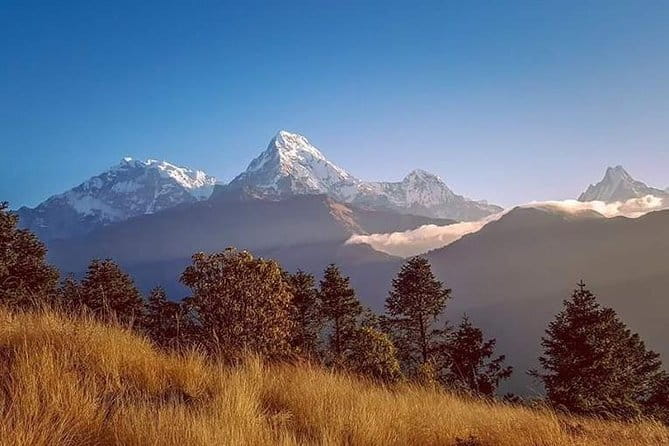
After arriving in Pokhara, you drive to Nayapul (about 1 hour). Then the walking begins with a move alongside the Modi Khola area for a while before reaching Brethanti and onward.
Two key moments stand out early:
- A TMC/TIMS checkpoint is mentioned around Birethanti Bridge along with the mix of the Annapurna glacier river there. Checkpoints can slow you down, so it’s good you’re starting earlier in the day.
- The hike includes the famous step climb up to Ulleri after stops in places like Hile and Tikhedhunga.
This is the day where your fitness matters most. Not because it’s the steepest overall in the trek, but because your legs will feel the repeated steps and uphill push. If you take breaks early (not after you’re already cooked), you’ll enjoy the rest of the route more.
Day 4: rhododendron and oak forests to Ghorepani
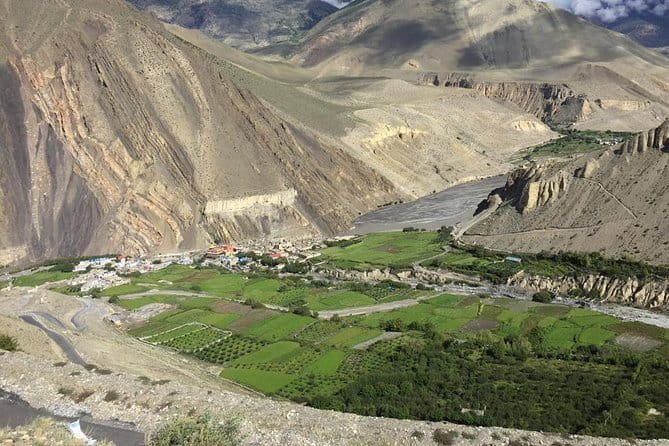
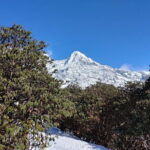
From Ulleri, the trek shifts into a gentler ascent. You walk through rhododendron and oak forests, which is exactly what you want on a day that could otherwise feel repetitive after the staircase climb.
You pass through Banthanti and continue onward until you reach Ghorepani, where you’ll stay overnight in a guesthouse. This is also where the anticipation builds, because Ghorepani is the launch point for the Poon Hill sunrise.
One thing I like about this part of the plan is the pacing. After day three’s stairs, the forest walk gives you variety: more shade, more scenic breaks, and a mental reset before the early morning hike.
Day 5: Poon Hill sunrise panorama, then Tadapani overnight
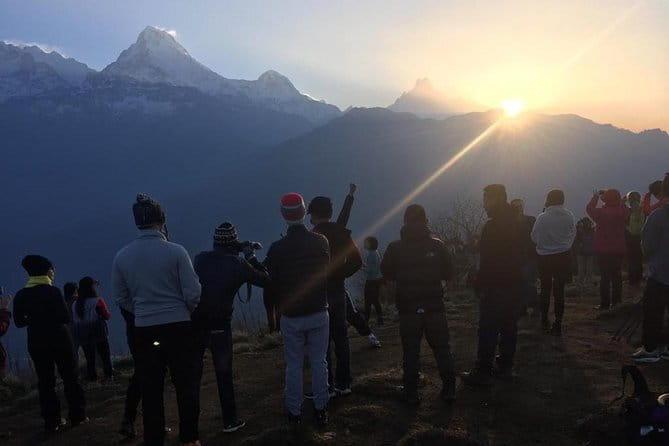
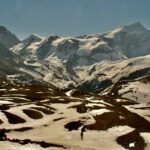
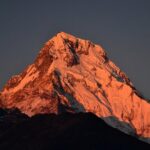
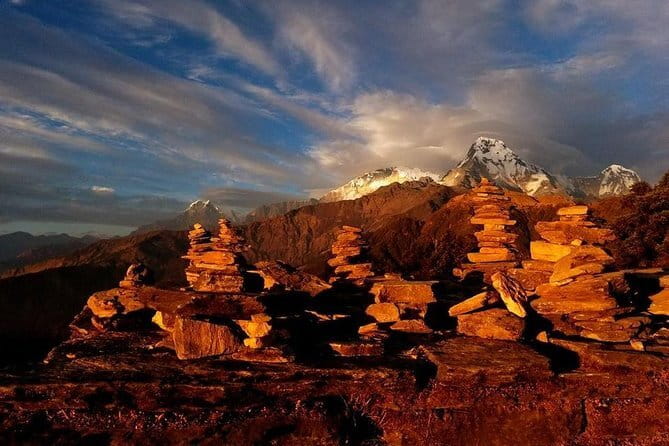
This is the main event day. You start with an early morning hike to Poon Hill (about 1 hour). Sunrise over the Himalaya is described as unbelievable, and you’re set up for a wide panoramic view across major ranges—Manaslu, Annapurna, and Dhaulagiri are specifically named.
After you enjoy the view, you return to Ghorepani for breakfast, then continue on to Tadapani for your overnight stay.
Two practical tips:
- Bring a warm layer for the early hours. The “easy trek” label doesn’t protect you from mountain chill.
- Don’t overpack your bag. You want only what you’ll use while moving and during the sunrise pause.
Why this day is worth the effort: it’s one of the few times on this trek where the payoff is so time-bound and so spectacular. When it’s clear, you get a big view without needing a huge time commitment.
Day 6: Ghandruk and the Old Gurung Museum stop
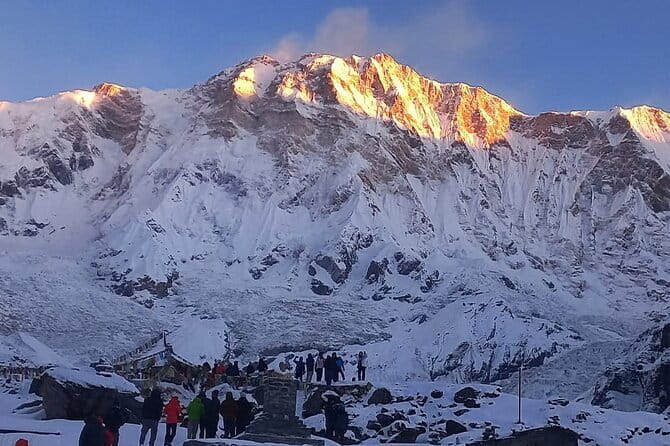
Today is described as a short hike—around 3–4 hours—to Ghandruk. Ghandruk is highlighted as a historical place, tied to Gurkha soldiers, and you’ll also visit around the village and the Old Gurung Museum.
This stop is more than a museum checkbox. It gives context for what you’re seeing: the villages you pass through aren’t just scenery. They’re home, and cultural knowledge makes the walking feel less like a checklist and more like a story you’re reading with your feet.
If you like cultural stops but hate the “drive-by tourist version,” Ghandruk is a strong fit because it’s part of the day’s walking plan rather than an extra detour.
Day 7: back toward Nayapul and the Pokhara finish
Day seven brings you from the trekking area back to Nayapul for the return to Pokhara. The hike is about 5 hours. The description notes that the first part is decent, followed by continuous walking along a road until Nayapul.
Then you drive from Nayapul back to Pokhara by car.
This is a good day to manage expectations. A road-walk can be less “wow” than mountain trails, but it also means you can settle into a steady pace and get your energy back for the transport ride. Think of it as the wind-down day before Kathmandu.
Day 8: long drive to Kathmandu and farewell dinner
Today is a long transfer back to Kathmandu (about 6–7 hours by tourist bus). After checking in, you’ll have a farewell dinner in Kathmandu and then overnight at your hotel.
The dinner is worth treating like a reset. You’ve been walking daily, and eating a proper meal with the group helps you end the trek on a calm note instead of rushing into airport planning.
Day 9: Thamel time, then drop to the airport
Your final day includes Thamel and then a drop to the airport by a Mountain Rock Treks representative.
This works well if you’re trying to travel efficiently. You don’t have to figure out transport on your own at the last moment, and your trip closes with support rather than scrambling.
Price and logistics: what $700 actually covers
At $700 per person for an approx. 9-day itinerary, the value comes from the amount that’s bundled: both-way transportation, all activities fees and national park fees, and meal coverage that includes breakfast (9), lunch (5), and dinner (5).
The inclusions list also covers things like fuel surcharge, landing and facility fees, and pickup offered plus a mobile ticket. The operator also caps group size at 14, which is usually enough to feel organized without becoming a crowd.
What’s not included is equally important for budgeting:
- Any drinks
- Tips for guide and hotel staff
- Food during any Chitwan-related travel segments (if your trip routing includes that part)
One more note: accommodations are listed as 2 nights in the inclusion list. During treks, guesthouses are common, so your exact overnight pattern may feel more than “two nights” day-to-day. Still, you can trust that lodging during the trekking stretch is part of the package planning.
Difficulty level: what to train for, and what to ignore
This trek is marketed as easier and shorter, and the itinerary supports that: it’s multiple days of walking but not a long altitude grind. However, you should prepare for:
- Step climbing (the stair section near Ulleri is the big one, around 3,300 steps)
- Rocky and uphill segments at points along the way
- Early mornings, especially for Poon Hill sunrise
If you train for stairs and comfortable endurance walking, you’ll feel better everywhere else.
Also, if you get nervous about safety, you’ll probably appreciate that the trek is run with a team structure. Past feedback includes a strong theme about feeling safe and secure while trekking.
Guides, organization, and the human factor
The best part of this tour for me isn’t the checklist. It’s the feeling that the team knows how to run a tight schedule in changing mountain conditions.
Past feedback specifically names guides like Dawa, Eku, and Sudip for making the trip enjoyable, and other comments praise how the tour took care of vehicles, stays, and sightseeing. That matters because trekking in Nepal is rarely just a walk—it’s permissions, timing, and last-minute adjustments.
You also get confirmation at booking time, and the tour notes that service animals are allowed. If that’s relevant for you, it’s good to see it spelled out.
Season choice: monsoon can work if you expect wet
The trek is described as possible in monsoon season, and one past trip mentioned it was still awesome, with fewer crowds and good food and accommodation. That doesn’t mean it’s effortless. Monsoon usually brings rain and slick paths, so you should plan on waterproof layers and careful foot placement.
If you hate wet weather and slippery stairs, you might prefer another season. But if you’re flexible and pack smart, monsoon can make the trek feel calmer because it’s less crowded.
Who should book this Ghorepani Poon Hill Trek?
I think this trek is best for you if:
- You want a classic Annapurna-region experience without a long, high-altitude grind
- You’re a beginner (or close) and want a clear plan with daily structure
- You care about sunrise views and not just daytime scenery
- You like forest walks and also want a culture stop in Ghandruk with the Old Gurung Museum
It might be less ideal if:
- You dislike early wake-ups
- You’re not comfortable with stair-heavy hiking at least once
- You want a fully “car-free” experience—there are multiple bus/car days
Should you book this tour?
I’d book it if you want maximum mountains per day, plus a workable schedule that reduces decision fatigue. The combination of organized transfers, meal and fee coverage, and the signature Poon Hill sunrise makes it a strong value for a shorter trek.
Before you commit, be honest about one thing: the staircase day. If you can handle long steps and rocky uphill sections with breaks, you’ll likely come away impressed instead of frustrated.
If you want, tell me your travel month and your current hiking comfort level (hours per day and whether you’ve handled stairs). I can help you judge how demanding the Ulleri-to-Ghorepani side will feel for you.
FAQ
How long is the Ghorepani Poon Hill Trek?
It’s listed as about 9 days.
What time is the meeting and where does it happen in Kathmandu?
The start time is 7:15 am, with a premeeting at Hotel Florid Nepal in the Thamel area.
Do you travel to Pokhara by bus or flight?
The itinerary includes a 6–7 hour bus drive from Kathmandu to Pokhara (about 200 km). A 30-minute flight is also possible, but it’s listed as an additional cost.
What’s the hardest part of the trek?
Even though it’s considered easier, the route includes a major stair climb toward Ulleri, described as around 3,300 steps, plus some rocky and uphill sections.
What’s included in the tour price?
The package lists both-way transportation, activities and national park fees, accommodation, fuel surcharge, landing and facility fees, plus breakfast (9), lunch (5), and dinner (5).
What’s not included?
The tour does not include drinks, tips for guide and hotel staff, and food during any Chitwan-related travel segments (on the way to Chitwan and from Chitwan back to Kathmandu).