REVIEW · SA PA
Sapa Trekking Private Tour With Ethnic Female Tour Guide
Book on GetYourGuide →Operated by Vietnam Package Tours · Bookable on GetYourGuide
Sapa trek meets real village life in 4 hours. This private tour takes you beyond the viewpoints to meet ethnic communities, step into traditional houses, and learn through hands-on conversation. I especially like how the guide focus stays on customs and daily life, not just photos, and how the route can flex to your pace. One thing to consider: you’ll be walking on uneven paths, so bring proper footwear and be mindful if you have back issues.
The best part is the way you’re welcomed into everyday rhythms. You’ll taste a welcome drink, chat over tea, and get chances to take photos with friendly locals while learning the difference between Sapa’s biggest ethnic groups (Black Hmong and Red Dao). The Muong Hoa valley adds big reward for your effort, with terraced fields and a look at the Dzay community.
The drawback? Meals aren’t included, and weather can shift what you see. Also, this isn’t a fit for wheelchair users.
In This Review
- Key points
- A 4-hour private trek that feels personal
- Pickup in central Sapa: convenient start, flexible route
- Black Hmong and Red Dao: traditional houses, tea talks, and welcome drinks
- Muong Hoa valley and the Dzay community: rice terraces with real neighbors
- The walking reality: short trek, uneven paths, bring the right shoes
- How the English-speaking female guide changes everything
- Photo and video extras: a bonus if you share your images
- What’s included, what costs extra, and how to plan
- What to bring: the small checklist that saves your day
- Who should book this tour?
- Should you book this Sapa trekking private tour with a female guide?
- FAQ
- How long is the Sapa trekking private tour?
- Do I get picked up from my accommodation in Sapa?
- Is the tour guide available in English?
- Are meals included in the price?
- What should I bring for the trek?
- Is the tour suitable for people with back problems or wheelchair users?
Key points
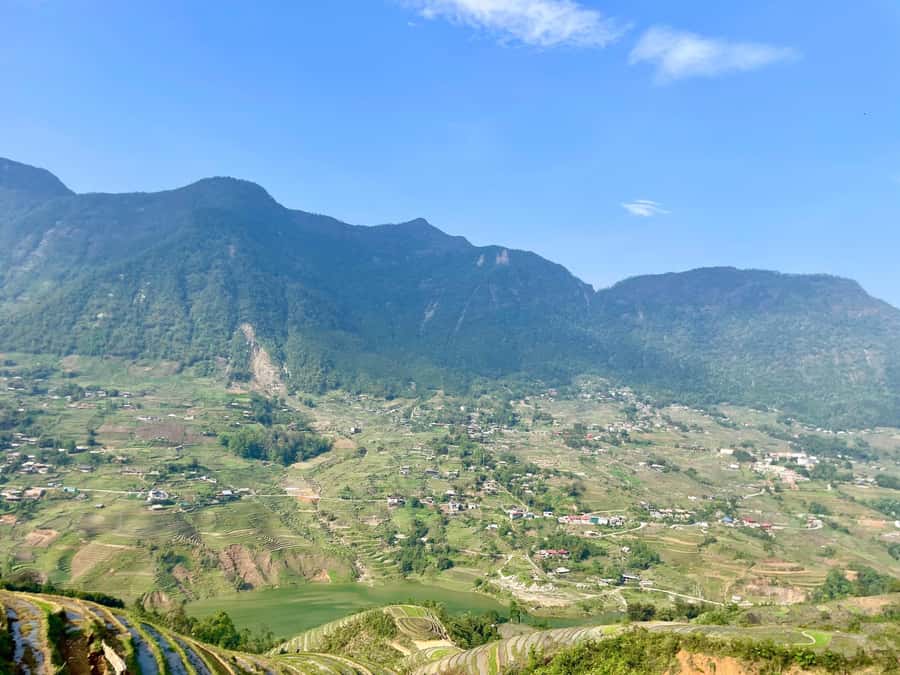
- Black Hmong + Red Dao stories: traditional houses, welcome drinks, tea talks, and culture explained in plain English
- Muong Hoa valley walk: terraced rice views and a look at the Dzay community
- Flexible pickup: start from central Sapa and adjust the route if you want
- Guides with real connection: strong explanations from English-speaking local women like Xiang, Dung, Deli, Dely, and La
- Bring boots: the walk can feel adventurous, especially in wet or muddy spots
A 4-hour private trek that feels personal
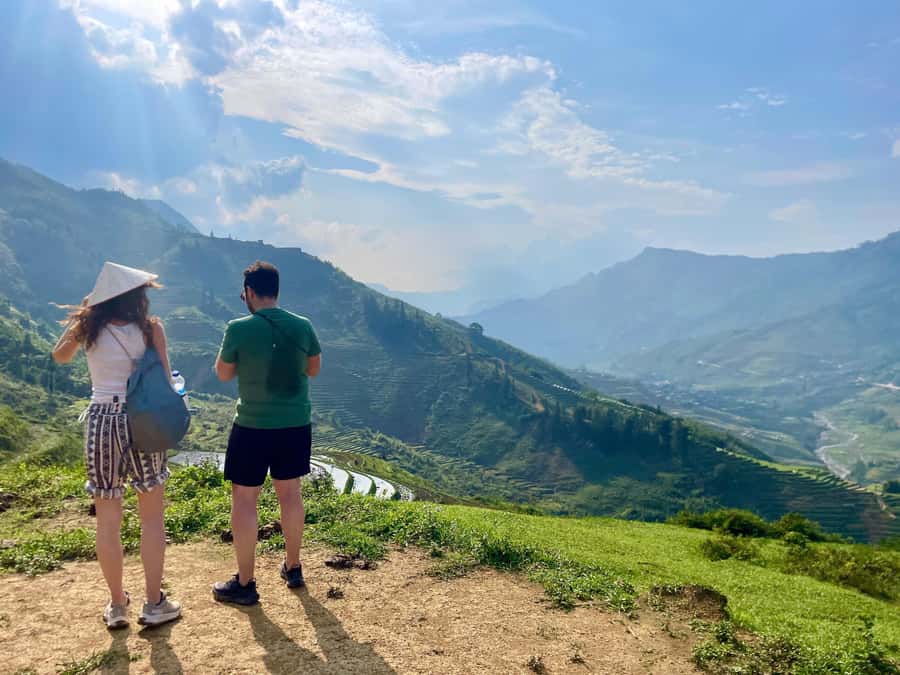
This is the kind of Sapa experience that makes the town fade into the background. You’re out for about 4 hours, moving through villages and valley paths while your guide connects the scenery to real people and real customs. And because it’s a private tour, you can ask questions without waiting your turn.
I like tours that teach you how to look. Here, the walking route is your lesson plan. You’ll see traditional houses, hear how communities live, and learn why Black Hmong and Red Dao matter so much in the Sapa story. Then you’ll switch scenes, heading to the Muong Hoa valley, where terraced fields and the Dzay community bring a second side of northern Vietnam life.
One honest expectation: this isn’t a museum day. You’ll walk, you’ll stop, you’ll talk, and you’ll take photos. If you want a laid-back bus ride, this isn’t it. If you want a friendly, human version of Sapa, you’re in the right place.
You can also read our reviews of more tours and experiences in Sa Pa.

Pickup in central Sapa: convenient start, flexible route
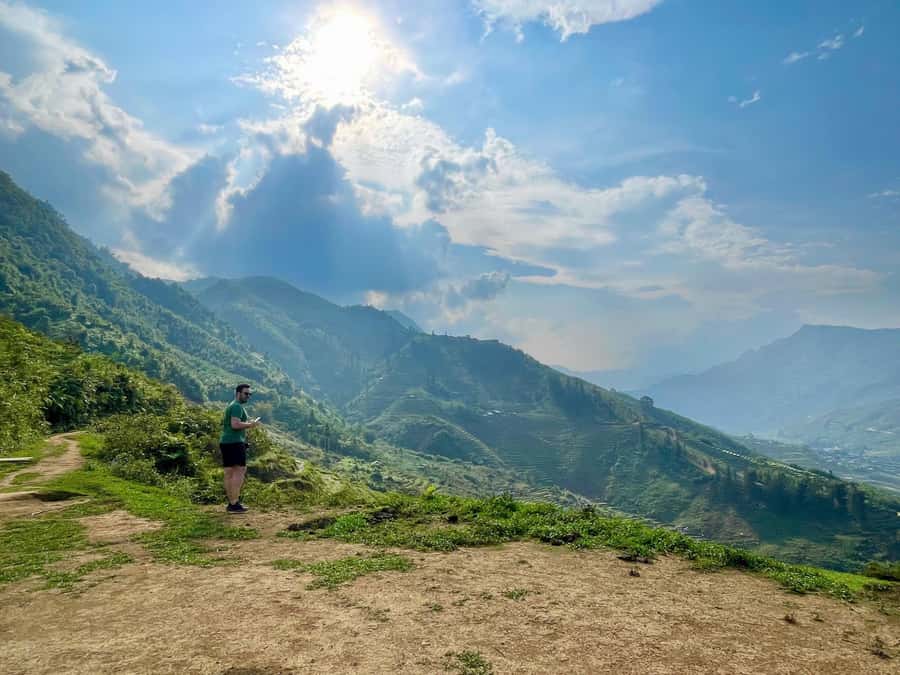
You start with pickup from your accommodation in Center Sapa, which saves time and hassle. Meeting is simple: you’ll connect with a driver/guide, get a quick intro, then head out. The tour also offers flexibility, including the ability to begin your trek right from your accommodation if that’s easier for you.
That flexibility matters more than you might think. Sapa weather changes quickly, and the route can shift based on timing and conditions. You’ll feel this most in the walking segments—if rain or fog affects visibility, the guide can adjust so you still get a meaningful experience.
The return ride also gets a practical note: you go back on a different sneaking road, with car optional depending on the plan that day. In plain terms, you won’t feel like you marched the same path twice.
Black Hmong and Red Dao: traditional houses, tea talks, and welcome drinks
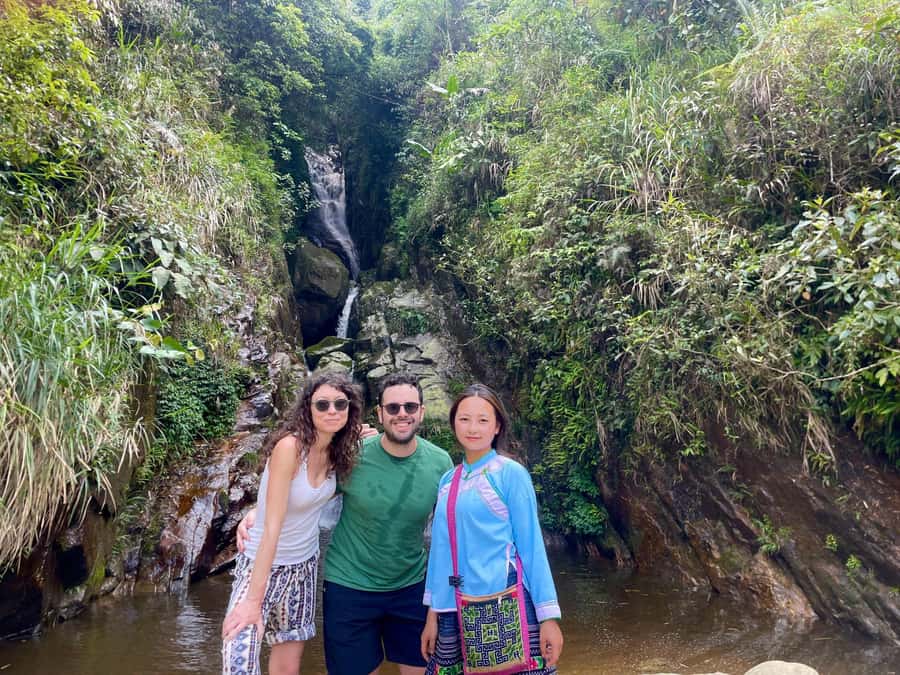
The north side of Sapa is where the tour starts building context. You’ll visit traditional houses tied to the Black Hmong and Red Dao communities, then slow down for the part that tends to make people remember the trip: conversation.
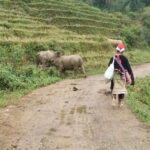
You’ll taste a welcome drink, take photos with hospitable locals, and learn about daily life over tea and discussion. The guide is the bridge here. Instead of throwing names at you, you get explanations that connect customs to how people live and interact in the village setting.
Here’s what I find valuable for you as a visitor: you’re not just observing clothing or buildings. You’re getting a guided sense of what’s important to the community—how traditions show up in everyday routines and how people see their own identities.
One specific “wow” factor from the guide-led vibe: the tour highlights the difference between the two largest ethnic groups in Sapa. Even if your background is limited, the guide’s job is to make the comparison understandable. And because you’re in a private setting, you can ask for clarification when something doesn’t click the first time.
Muong Hoa valley and the Dzay community: rice terraces with real neighbors
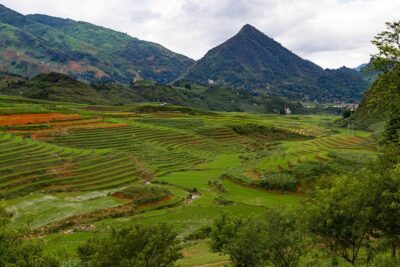
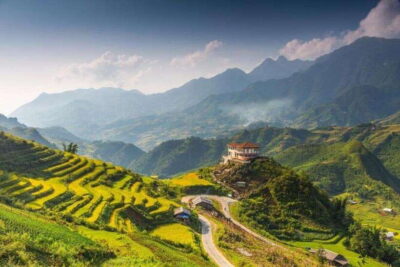
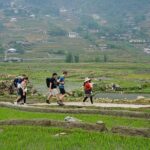
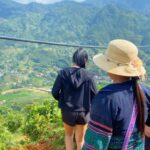
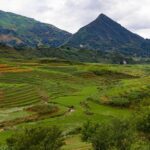
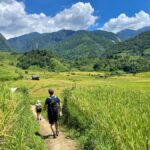
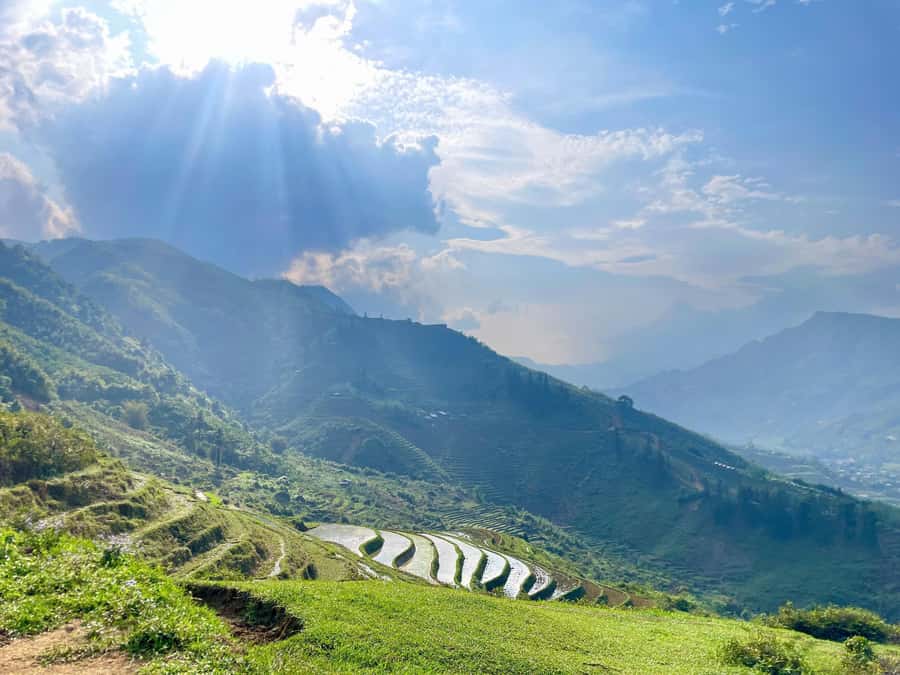
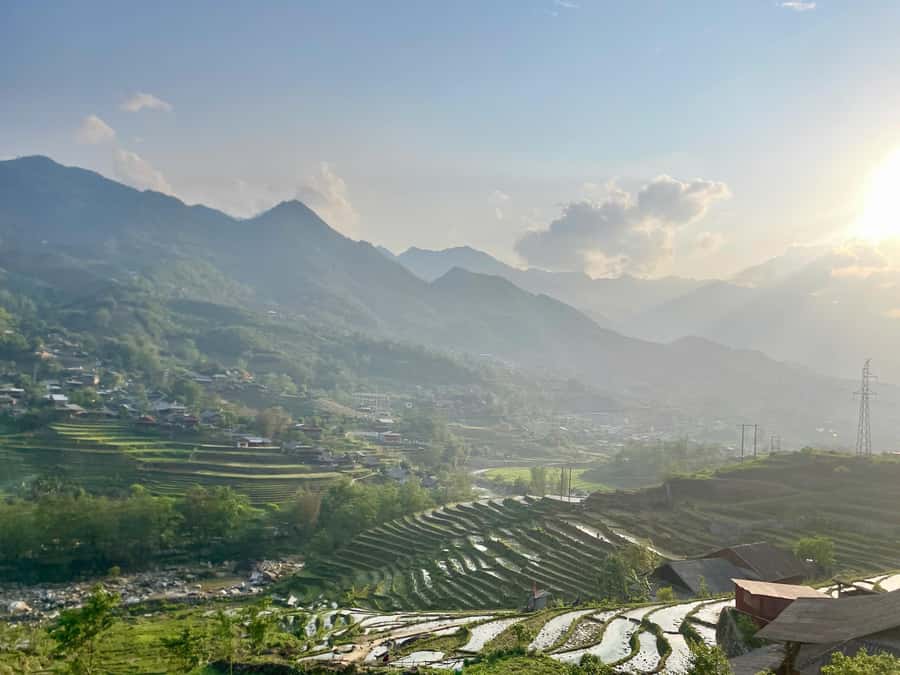
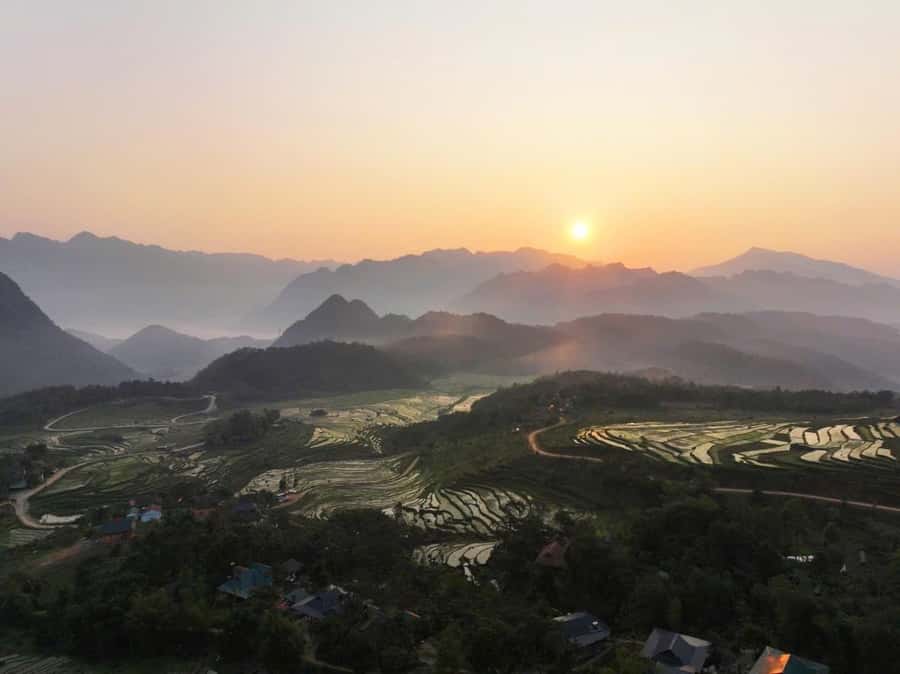
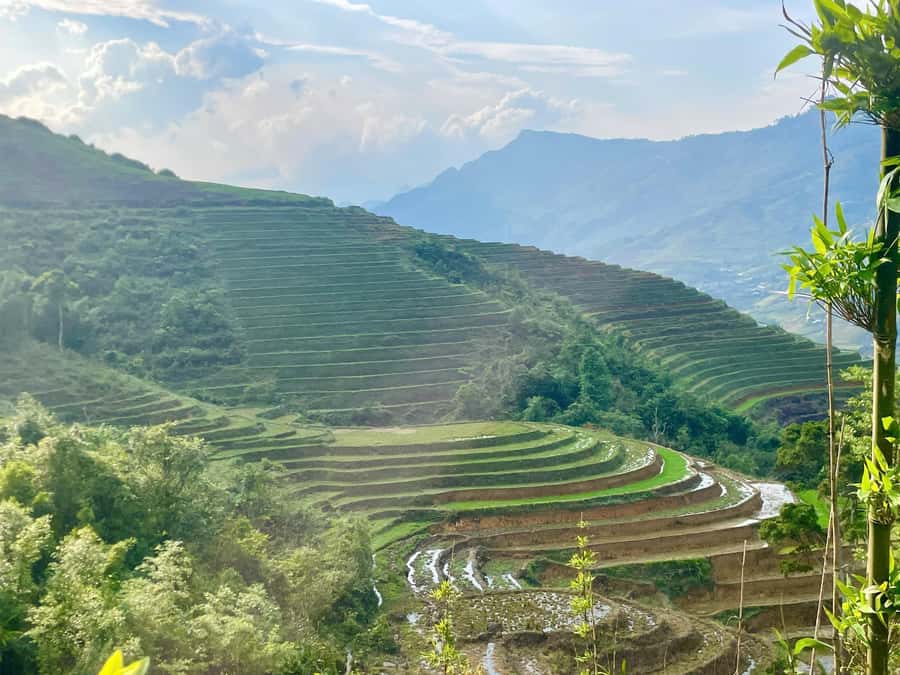
After saying goodbye to the locals in the north villages, the tour continues to the southeast of Sapa and heads into the Muong Hoa valley. This is the part where the views ramp up—terraced fields, valley paths, and that classic Sapa sense of height and texture.
But the valley isn’t just scenery here. You’ll also meet the inhabitants associated with the Dzay community. You’ll see how the valley life connects to the land, then keep walking through areas where the terraces and homes sit close together.
If you like photography, this is where you’ll feel motivated. The terraced fields create natural layers, and your stops give you time to frame shots without feeling rushed. If you prefer less clicking and more listening, you’ll still get plenty out of the guide’s talk time between viewpoints.
Practical note: the tour includes time to witness the terraced fields and the friendly locals in the valley. You should expect to spend a chunk of your attention simply looking and then asking questions when something catches your eye.
The walking reality: short trek, uneven paths, bring the right shoes
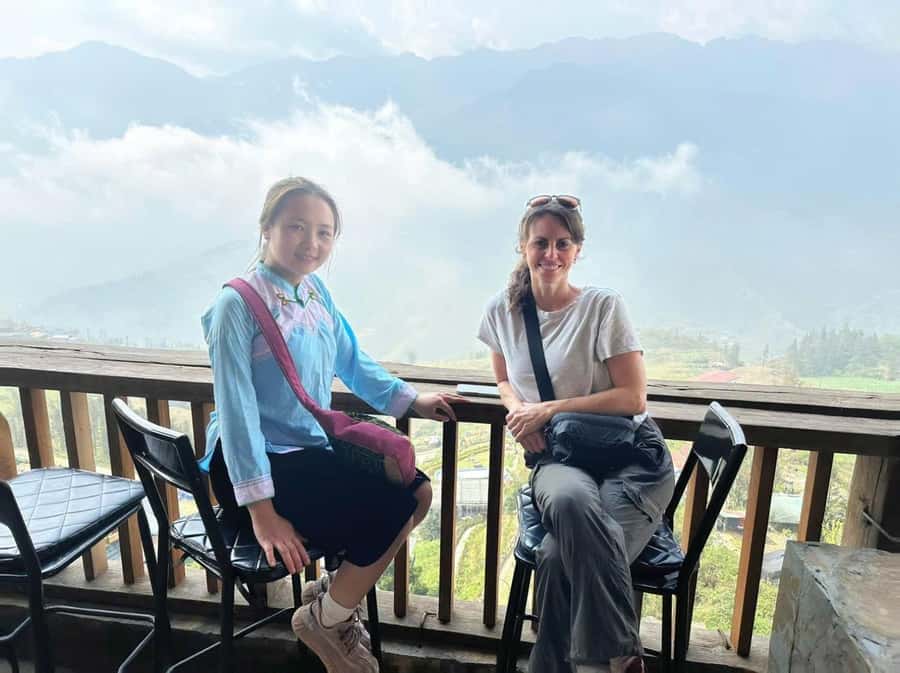
Even though the tour is only 4 hours, the walking can feel a little adventurous. Paths near villages and through valleys aren’t smooth sidewalks. Expect uneven ground and occasional muddy spots depending on recent weather.
Based on guide and past participant advice, you’ll want footwear that can handle wet trails. If you only bring sneakers, you might regret it if conditions are damp. People have specifically recommended bringing trekking shoes or even rubber boots for better grip.
This matters for two reasons:
- Comfort: you’ll enjoy the village conversations more if your feet aren’t distracted by discomfort.
- Safety: slippery steps can happen when the ground is wet.
Also keep in mind the suitability limits. This tour isn’t suitable for wheelchair users, and it’s not recommended if you have back problems. That’s not a “maybe.” It’s an important filter.



How the English-speaking female guide changes everything
The guide is the heart of this experience. And this tour’s standout pattern is simple: women guides who explain with clarity, warmth, and local connection.
In the feedback, names show up again and again. Xiang comes up with explanations that felt wonderful and clear. Dung is praised for being friendly, super informative, and for answering questions like you can ask her anything. Deli and Dely show up as guides who lead you into stunning rice fields and green regions with a strong ability to explain their home area and customs.
Even La gets mentioned for being fantastic and having excellent knowledge of the area and customs, with a good level of English.
Why does that matter for you? Because ethnic village visits can be awkward if you don’t know what you’re looking at. A strong guide helps you understand what’s happening, what questions to ask, and how to be respectful while still feeling like you’re part of the moment.
The tour also supports interaction beyond conversation. You’ll be welcomed into spaces like traditional houses and given time to take photos with locals. That only works well when the guide handles the rhythm—when to step back, when to observe, and when it’s appropriate to ask.
Photo and video extras: a bonus if you share your images
One handy perk is a free edited video per booking if you send photos to the guide’s WhatsApp. It’s not required to enjoy the tour, but it’s a nice way to turn your phone snaps into something more polished.
This is also a practical tip for you: take photos during the stops you care about most. You’ll be glad you did when you have the chance to turn them into an edited keepsake afterward.
What’s included, what costs extra, and how to plan
Here’s the value math in plain terms. The price is $30 per person for a 4-hour private experience with pickup from central Sapa and an English-speaking guide. Meals are not included, so budget for drinks or food on your schedule.
The tour also notes that Cat Cat Village ticket entrance is not included. The itinerary focus is Black Hmong and Red Dao in the north and Muong Hoa valley in the southeast, so you may or may not run into Cat Cat depending on the route that day. Still, it’s good to know that if your specific plan includes Cat Cat Village, you’ll want to account for the entrance fee.
Personal expenses are extra, as expected.
One more practical reality: since meals aren’t included, don’t plan to rely on this for lunch. If you’re hungry after the walk, have a plan in Sapa for where you’ll eat.
Optional add-ons can also happen, because guides sometimes offer extra experiences tied to their family or home area. In past feedback, an additional lunch experience at a guide’s home was described positively. That doesn’t mean it’s guaranteed for every booking, but it’s worth asking if you’re interested.
What to bring: the small checklist that saves your day
This tour’s “what to bring” list is short, but important. Pack:
- Comfortable shoes with grip
- Hat
- Camera
- Sunscreen
- Water
You’ll thank yourself for water. Even if the walk feels manageable, valley paths can be tiring under sun and wind. Sunscreen and a hat help you stay present instead of squinting and overheating.
And one more rule: no smoking during the experience.
Who should book this tour?
This is a strong fit if:
- You want a cultural Sapa experience, not just views
- You like walking through real village areas with an English guide
- You want to understand Black Hmong vs Red Dao through a local explanation
- You’re excited to see Muong Hoa valley terraced fields and learn about the Dzay community
It may not be your best match if:
- You need wheelchair-friendly access
- You have back problems that make uneven paths difficult
- You want a low-activity tour with meals handled for you
If you can handle a short trek, bring the right shoes, and want conversation with substance, this kind of private tour is exactly what makes Sapa feel authentic.
Should you book this Sapa trekking private tour with a female guide?
If you’re choosing between a generic sightseeing route and something more human, I’d book this. The $30 price makes sense because you’re buying more than transport: you’re paying for an English-speaking guide, pickup from central Sapa, and time inside traditional village life—houses, welcome drinks, tea talks, and walking through Muong Hoa valley’s terraced scenery.
My biggest check is footwear. If you show up with sturdy shoes (and ideally something that handles mud), you’ll be able to enjoy the walking and focus on the culture. If you’re prone to back pain or need step-free access, skip it.
So, should you do it? Yes, especially if you want to leave Sapa with stories, not just photos—and you like the idea of asking questions to a guide who can explain the difference between Sapa’s major ethnic groups while you’re standing in their world.
FAQ
How long is the Sapa trekking private tour?
The duration is 4 hours.
Do I get picked up from my accommodation in Sapa?
Yes. Pickup is included from your accommodation in Sapa center.
Is the tour guide available in English?
Yes. The tour includes an English-speaking guide.
Are meals included in the price?
No. Meals are not included.
What should I bring for the trek?
Bring comfortable shoes, a hat, a camera, sunscreen, and water.
Is the tour suitable for people with back problems or wheelchair users?
No. It is not suitable for people with back problems or for wheelchair users.