REVIEW · KATHMANDU
Around Manaslu Trek
Book on Viator →Operated by Tourist Link Treks Expedition Pvt. Ltd · Bookable on Viator
Manaslu rewards steady legs and sharp weather planning. I like the way this route blends Buddhist gompas and Hindu/Gorkha culture with big Himalayan views, and I like that the operator handles the practical stuff like permits and transport so you can focus on walking.
The tricky highlight is Larkya La at 5,116 meters, where your day can feel long but the payoff is that glacier-and-peak panorama people talk about for a reason.
One possible drawback: the trek needs solid fitness and extra cash for meals beyond breakfast, plus drinks and snacks are not included.
In This Review
- Key highlights worth your attention
- Manaslu and Larkya La: what you’re really signing up for
- Price and logistics: is $1,840 good value here?
- Kathmandu first: temples, jet lag breaks, and your trekking checklist
- Day 1 to Day 2: from Kathmandu roads to the Sal-forest river valley
- Days 3 to 5: Jagat, Deng, Namrung, and the rhythm of river crossings
- Days 6 to 8: Lho village, Ribung Gompa views, and Samagaon-style altitude feel
- Days 9 to 11: Samdo, mani walls, and the Larkya La glacier day
- Days 12 to 14: rhododendron down to Chyamje, then Besi Sahar and Kathmandu
- Who this trek fits, and what to plan so you enjoy it
- Should you book this Manaslu Larke Pass circuit?
- FAQ
- How long is the Manaslu circuit with Larkya La Pass?
- What’s the highest point on the trek?
- Is Kathmandu sightseeing included?
- Are permits included?
- What meals are included during the trek?
- Is there a guide?
- What transport is provided?
- What if weather affects the trek?
Key highlights worth your attention
- Larkya La (5,116m) crossing with dramatic glacier views and high-pass conditions
- Budhi Gandaki valley trekking with repeated river crossings, including suspension bridges
- Manaslu Conservation Area first, then a connection into Annapurna Conservation Area toward the end
- Rhododendron and pine sections plus plenty of chances to see local flora and fauna
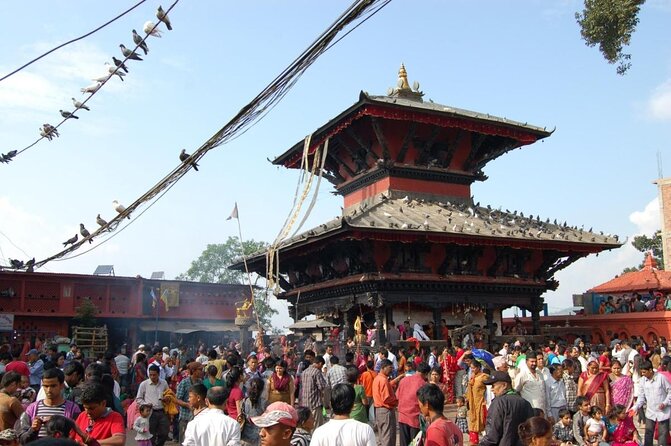
- Kathmandu temple circuit: Monkey Temple, Pasupatinath, Boudhanath, and Durbar Square
- Hom-style logistics and guide support (owner Hom is known for coordinating details; one Manaslu-circuit guide named Promod Pangeni is mentioned for strong on-the-ground care)
Manaslu and Larkya La: what you’re really signing up for
This is a classic high-mountain circuit, but the character is different from the busier trekking routes. You’re moving through protected areas around Mt. Manaslu, and that matters: it’s not just about the top view, it’s about the feel of a route shaped by conservation and remote valley travel.
The core challenge is the Larkya La Pass at 5,116 meters. High passes reward early starts, steady pacing, and calm decision-making when wind and cold show up. If you’ve only done lower-elevation hikes, take this seriously; “moderate physical fitness” doesn’t mean “easy.”
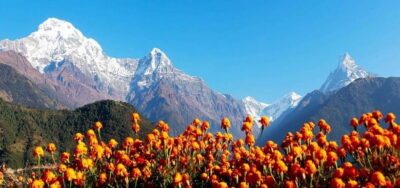
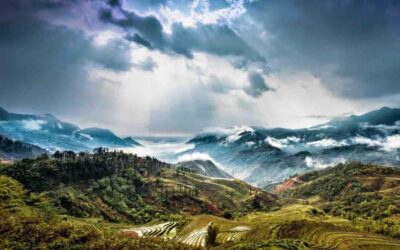
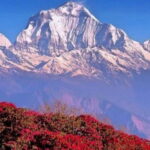
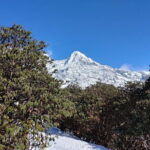
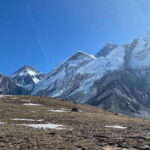
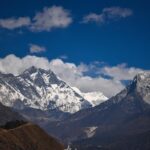
I also like the variety of scenery described here: rhododendron forests, wild flowers, rivers that look loud even from the trail, and steady glimpses of snow-capped peaks and glaciers. You’ll also get both Buddhist and Hindu culture as you pass gompas and villages in the Manaslu region, and you’ll finish connected to the wider Annapurna trekking zone.
You can also read our reviews of more tours and experiences in Kathmandu.
Price and logistics: is $1,840 good value here?
At $1,840 per person, you’re paying for a setup that removes a lot of uncertainty. What’s included is the stuff that’s easiest to mess up when you try to do this on your own: private ground transportation, a Kathmandu hotel plan (two nights at a 3-star category place with breakfast), a guide, and the required paperwork and special permits.
The trek accommodations are also handled: you get the “best available” twin-sharing lodge option during the walking days. In high areas, that can be the difference between a smooth trip and an unplanned scramble.
Here’s what you should budget separately based on what’s not included:
- Lunch and dinner on the trek (two meals per day during trekking days)
- Drinks like water/tea/coffee, plus snacks
- Hot shower (not included)
- Personal expenses and any extra porter needs
- Tips/donations for guide and porters (not included)
- Personal travel insurance and any paid emergency helicopter arrangement
So the value is best if you’re comfortable living on lodge food and keeping extras modest. If you want full-board meals and lots of drinks paid by the trip price, you’ll likely feel the cost creep fast.
Kathmandu first: temples, jet lag breaks, and your trekking checklist
Before you head out into the mountains, the plan gives you time in Kathmandu with temple sightseeing. You’ll cover Monkey Temple, Pashupatinath, Boudhanath, and Durbar Square. That’s a helpful warm-up because it gives you context for what you’ll see later in smaller villages and gompas.
You also get two nights with breakfast in a 3-star hotel in Kathmandu, and then the trek begins with ground travel out of the city. This matters for acclimatization and sanity: you’re not trekking on day one from a cold start.
One practical note: you’ll need to bring three passport-size photographs for the permits and paperwork. Do this early. If you wait until the last day, you’ll burn time and energy that are better saved for rest, packing, and sorting footwear.
Day 1 to Day 2: from Kathmandu roads to the Sal-forest river valley
The first day is heavy on travel time. You’ll drive from Kathmandu toward Dhading Bensi on paved roads, then switch to a rough road before reaching Sotikhola. Expect about 7 to 8 hours of road time, with a stop at Gorakha Nath Temple in Gorkha.
Why this works: it gets you into the trekking rhythm without forcing a long first hike. You do, however, get your legs used to uneven conditions in the vehicle and on the first walking day.
Day 2 is where the trekking character shows up. You’ll move through a Sal forest region, climb over a ridge above rapids on Budhi Gandaki, and follow a rocky path with ups and downs. You’ll pass waterfalls, cross terrain clinging to the mountainside, and reach places like Labubesi and Maccha Khola after crossing a suspension bridge.
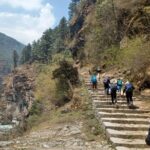
The good part here is variety. The trail isn’t just a straight line; it keeps changing, and that makes the day feel more like a sequence of small rewards than one long grind. The consideration is footing. Rocky, steep, and cliff-adjacent paths mean you’ll want solid hiking shoes and patience on narrow sections.
Days 3 to 5: Jagat, Deng, Namrung, and the rhythm of river crossings
Day 3 starts with another cultural stop, Gorkha Museum, then continues with trekking that includes crossing Tharo Khola and Yaru Khola via suspension bridges. You climb stone stairs to Tharo Bharyang and then move across the western bank of Budhi Gandaki, heading toward the village of Jagat.
Day 4 adds a stop at the Gorkha District Court and continues along the valley walk through bamboo forests to Deng Khola, ending at the village of Deng for overnight.
By Day 5, the route gets more gompa-heavy. You’ll cross the Budhi Gandaki River multiple times as you pass large numbers of gompas, then continue up through dense forest. When the trail moves past a narrow gorge where the river thunders down, it becomes easier again before you climb to Namrung.
What you’ll appreciate most here is how physical you get without it becoming chaotic. The repeated crossings feel dramatic, but they also give you short goals: cross, walk, adjust, repeat.
The drawback is time on your feet. These days are listed around 6 hours each, and the terrain can shift from dense forest to steep climbs fast. If you’re the type who hates being rushed, plan to eat earlier and keep a steady pace rather than trying to “make up time” late in the day.
Days 6 to 8: Lho village, Ribung Gompa views, and Samagaon-style altitude feel
Day 6 highlights the route near Lho village and the chance to explore Ribung Gompa. This is a key cultural moment because the gompa area is where the mountains start to feel more “lived in,” not just scenic.
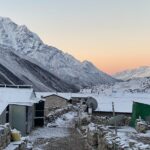
Day 7 continues after checking out from Lho and points you toward a bigger panorama: crossing terrain that references Himal Chuli and Peak 29, with mountain views on both sides and glaciers in the distance. The day ends in Samagaon.
Day 8 is shorter on written detail, but it’s still a trek day (about 6 hours) in the Gorkha district with accommodation included. In circuits like this, that kind of “middle block” often serves as a transition into the higher, colder sections.
If you’re trying to manage altitude fatigue, these are the days that help you find a rhythm. Take your time on climbs. Keep your breathing steady. And treat every stop as a chance to drink and eat before you feel too tired.
Days 9 to 11: Samdo, mani walls, and the Larkya La glacier day
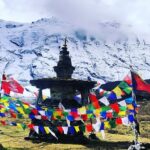
Day 9 is one of the defining transition days. You descend toward Budhi Gandaki, which turns north, and follow it toward a bridge over a stream. You’ll notice a trail connection that leads toward Manaslu Base Camp, then shift to the Larkya La trail, where mani walls appear as the valley widens.
After you drop across a shelf to cross Budhi Gandaki on a wooden bridge, you climb between two forks in the river. The day finishes at Samdo. Expect cold, wind exposure, and a feeling that the air changes.
Day 10 is the glacier valley approach. It’s described as a relatively short climb to reach the Larkya (or Dharamsala) glacier valley northward, with views of Larkya Peak and Cho Danda. This is the day where the pass area starts feeling close, even if the full crossing is ahead.
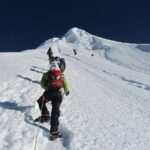
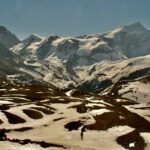
Day 11 is where the terrain takes control. You’ll walk across moraines of the glacier, with a gradual ascent that becomes steeper toward the end of the pass. The views listed here are serious: Cheo Himal, Himlung Himal, Kangguru, and Annapurna II. The day ends in Bimtang.
This segment is the real reason people choose Manaslu circuits. But it’s also where you should be strict about pacing. Start early, keep moving consistently, and don’t wait until you feel “behind” to adjust. Also, pack layers you can manage quickly, because high passes swing between bright cold sun and wind chill fast.
Days 12 to 14: rhododendron down to Chyamje, then Besi Sahar and Kathmandu
After the pass area, the trek becomes a long walk of descent through forests and villages.
Day 12 takes you about 4 to 5 hours to Tilije, with rhododendron forests and green fields along the way before a steep climb. This is a nice change: the environment turns more plant-rich and less glacier-exposed.
Day 13 continues to Chyamje, crossing Marshyangdi Khola, then descends from rhododendron and pine forests to Syange. You’ll still have climbing and descending legs, but the trail feels more “soupy green” than “white and wind.”
Day 14 is surprisingly light in the endgame: you cover about 800 meters to reach Besi Sahar, stop at Manakamana Temple, and then return to Kathmandu. The day’s goal is transfer and reset, not another big hiking push.
Who this trek fits, and what to plan so you enjoy it
This trek is best for you if you want:
- A challenging high-pass day at 5,116 meters
- Cultural variety (Buddhist gompas and Hindu sites)
- A real conservation-area route through Manaslu, with a connection toward Annapurna at the end
- Lodge trekking with a guide and pre-arranged accommodation
It’s not ideal if you want a fully “easy on the knees” hike. The river crossings, rocky climbs, and glacier moraine walking all add up. Also, because lunch and dinner plus drinks are not included, you’ll need to plan a reasonable daily spending budget for food and extras.
Before you go, sort your essentials:
- Sturdy footwear for rock and suspension bridge crossings
- Warm layers for the pass/glacier days
- A way to manage hydration and energy between meals (since only breakfast is included)
- Permit photos ready early (three passport-size photographs)
Should you book this Manaslu Larke Pass circuit?
I’d tell you to book it if your goal is a high mountain circuit with real passes, strong scenery, and clear support on the logistics side. At this price, the value is in what’s handled for you: private vehicle transfers, Kathmandu lodging and breakfast, a guide, special permits, and lodge accommodation during the trek.
You should hesitate if you’re expecting everything to be fully included with no extra costs beyond the trek price. Lunch/dinner, drinks, snacks, hot shower access, and tips are all separate, and those add up over 14 days.
FAQ
How long is the Manaslu circuit with Larkya La Pass?
The duration is listed as 14 days (approx.).
What’s the highest point on the trek?
The itinerary’s key high pass is Larkya La Pass at 5,116 meters.
Is Kathmandu sightseeing included?
Yes. Kathmandu Valley sightseeing is included, including Monkey Temple, Pasupatinath, Boudhanath, and Durbar Square.
Are permits included?
Yes. The package includes necessary paperwork and special permits, and you’ll need to bring 3 passport-size photographs.
What meals are included during the trek?
Breakfast is included for the trek. Lunch and dinner are not included during the trekking days.
Is there a guide?
Yes. You’ll have one highly experienced, helpful guide.
What transport is provided?
You’ll have all ground transportation on a comfortable private vehicle as per the itinerary, plus transfers during the trip.
What if weather affects the trek?
The experience requires good weather. If it’s canceled due to poor weather, you’ll be offered a different date or a full refund.