REVIEW · SA PA
Easy Trek in Sapa mountain : Y Linh Ho – Lao Chai – Ta Van
Book on GetYourGuide →Operated by HELEN · Bookable on GetYourGuide
Rice terraces plus villages, in one easy day.
This Sapa trek strings together big rice terraces, a bamboo-forest walk, and a stop at the Muong Hoa river hanging bridge, all with an English-speaking guide in a small group (up to 10). You’ll spend most of the day moving gently through mountain scenery at a real local pace.
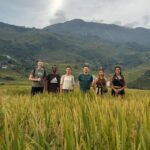
Two things I really like: the lunch with a local Hmong family and the way the guide helps you understand how different ethnic groups live and differ (you’ll visit Black Hmong and Giay communities). If you get a guide like Mama Mao or Su, expect lots of friendly explanation and time for photos without rushing.
One consideration: it’s labeled easy, but the hills are still hills. Even on a good day, you’ll be walking a lot, and slopes can make it feel more than beginner-friendly.
In This Review
- Key highlights you’ll actually notice
- From Hoàng Văn Thụ to the trail: quick, organized start
- The Muong Hoa hanging bridge and bamboo-forest stretch
- Y Linh Ho: rice terraces you’ll talk about later
- Lunch with a local Hmong family: where the day becomes human
- Lao Chai Black Hmong village: guided context beats quick photos
- Ta Van and the Giay community: finishing with understanding
- How hard is this easy trek, really?
- English guide, small group size, and why that’s good value
- Price vs what you get: where the $20 value comes from
- What to bring and what to avoid
- Who should book this trek (and who should skip it)
- Should you book this easy trek in Sapa?
- FAQ
- What time does the Y Linh Ho – Lao Chai – Ta Van trek start and finish?
- Where do we meet for the tour?
- Is lunch included?
- How many people are in the group?
- Do I need to speak Vietnamese?
- Is the trek suitable for children?
- What should I bring for the hike?
- Is there any discount related to massage?
Key highlights you’ll actually notice
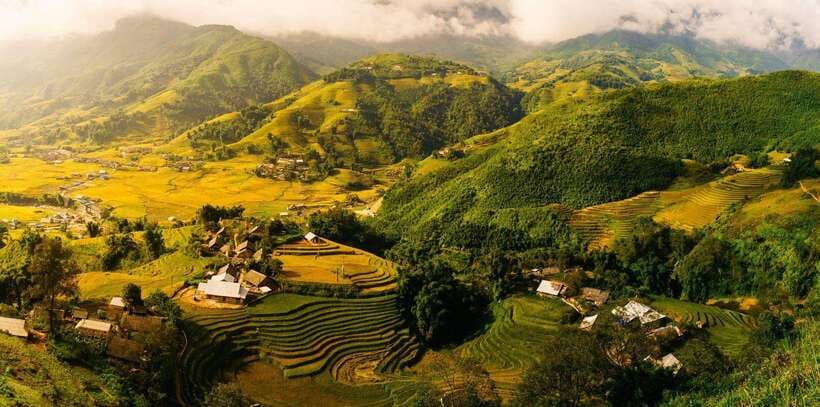
- Some of the biggest rice terraces in Vietnam, with photo angles you’ll keep wanting to retake.
- Lunch with a local Hmong family, not a generic set menu.
- Village visits that come with context, so you’re not just sightseeing people’s homes.
- Black Hmong in Lao Chai, then Giay in Ta Van, giving you a clear ethnic-group contrast.
- A hanging bridge over the Muong Hoa river, plus a bamboo-forest stretch to break up the walk.
- 20% massage discount at Massage Lits, 01 Hoang Van Thu after the trip.
From Hoàng Văn Thụ to the trail: quick, organized start
Pickup is at 01 Hoang Văn Thụ St., near Massage Lits, typically around 9:00. You’ll hop in a van for short transfers, then get a straightforward intro from your guide before the real walking starts. In other words: it’s not chaotic. You’ll be on the trail before your coffee fully wears off.
Right after pickup, you head about 2 km down toward Cat Cát’s road, into the start of the Hmong-minority area. This initial segment matters because it eases you into the day while you’re still fresh. It also sets expectations for what you’re actually doing: walking through village paths and farmland, not just hiking a scenic viewpoint loop.
If you’re planning your schedule around this, remember it ends in Sapa around 15:30, which makes it workable for a later bus back toward Hanoi.
You can also read our reviews of more tours and experiences in Sa Pa.

The Muong Hoa hanging bridge and bamboo-forest stretch
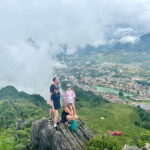
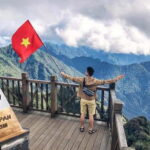
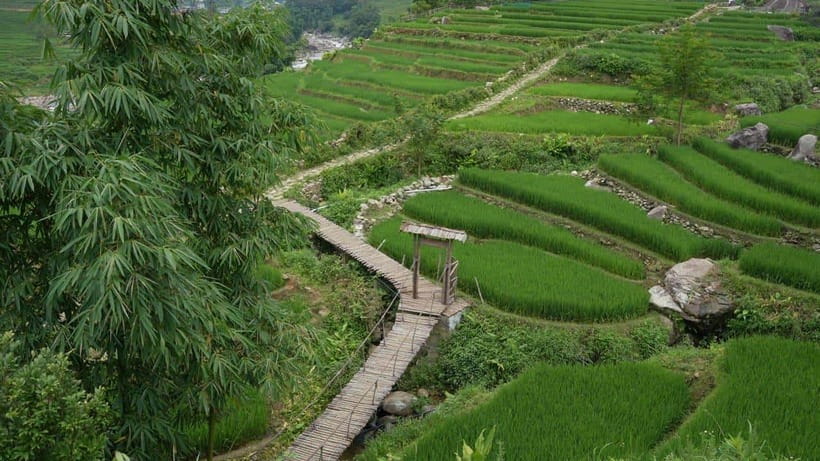
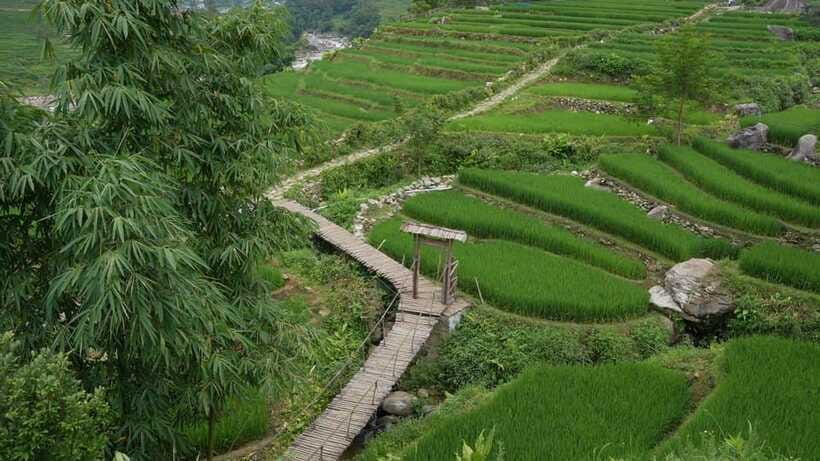
One of the first “wow” moments comes after you leave the road area: you’ll reach the hanging bridge of the Muong Hoa river. This is the kind of stop where you get both the photo and the feeling. The bridge gives you a clear sense of the valley and how people move through it.
After the bridge, you continue uphill into the mountains and pass through a bamboo forest. This part is good for two reasons. First, it breaks up the open rice-farm views with shaded, cooler walking. Second, it’s the transition between village paths and the higher terrace viewpoints, so you don’t feel like you jumped straight into steep terrain.
Wear shoes you trust. Bamboo paths can be slippery, and you’ll appreciate traction more than you’d expect.
Y Linh Ho: rice terraces you’ll talk about later
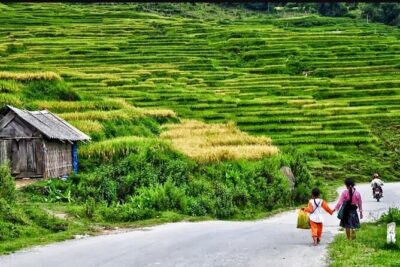
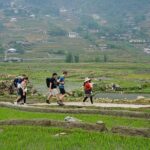
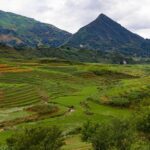
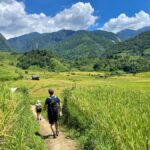
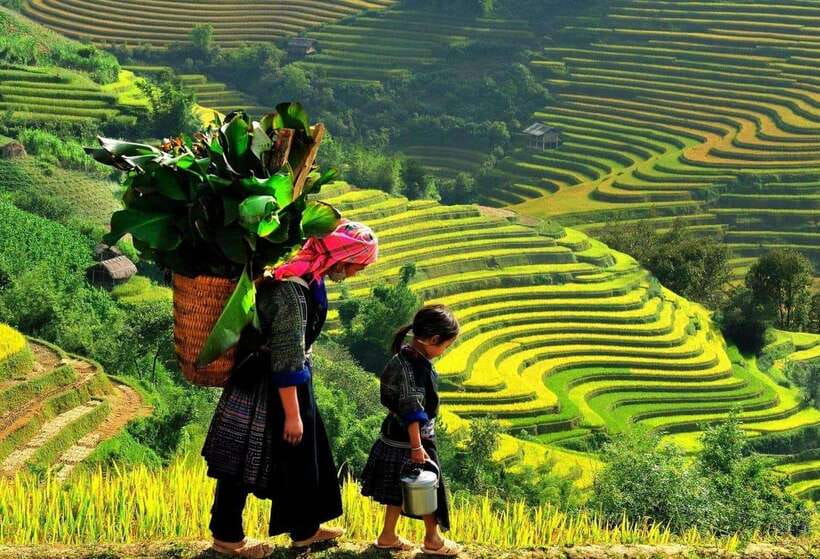
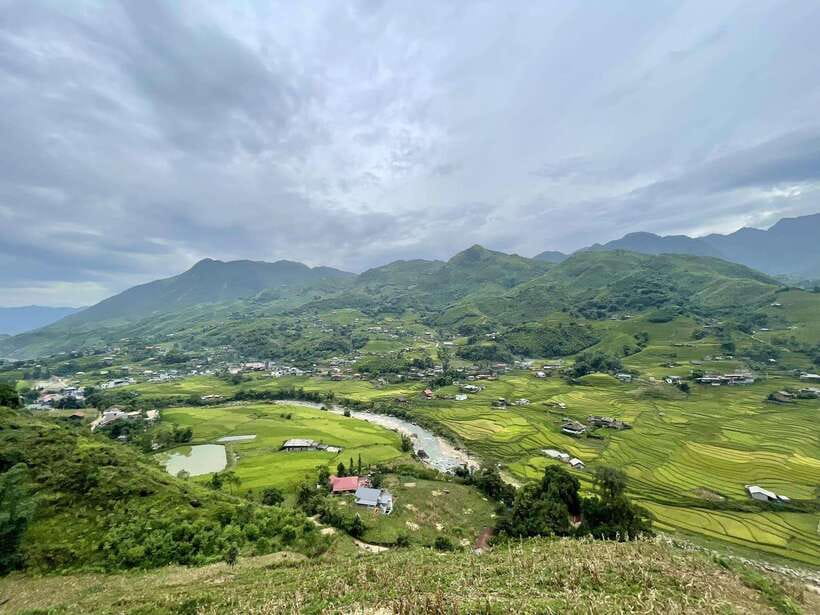
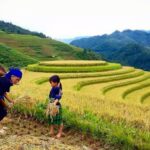
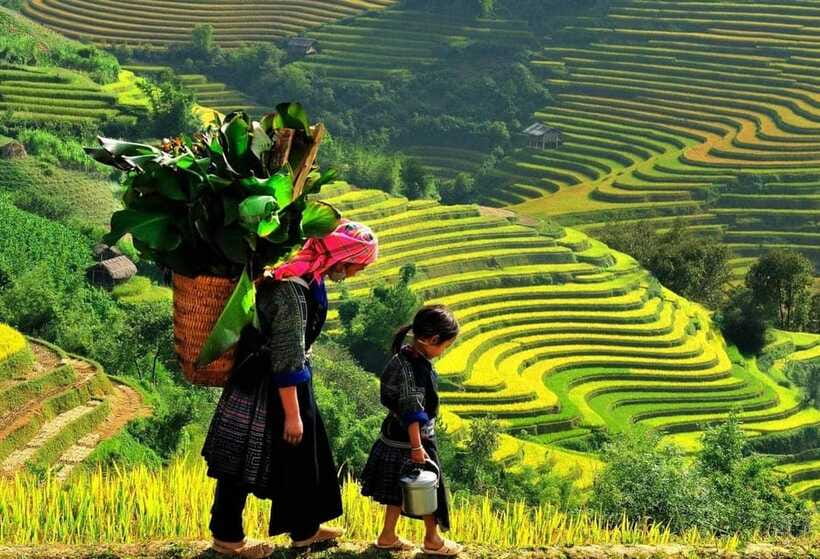
As you go higher, you get the kind of terrace scenery people fly for. In the Y Linh Ho area, you’ll get chances to admire some of the biggest and most beautiful rice terraces in Vietnam, along with majestic mountain views from the top area near Hoàng Liên Sơn.
Even if you’re not a hardcore hiker, this is where the day starts feeling special. Terraces aren’t just pretty; they also show you how people shape a mountain to make farming possible. A good guide helps you notice how the fields step up the slopes and how that affects the way villages sit and connect.
Take your time at this stage. Yes, there’s walking ahead, but you’ll be glad you didn’t rush your photos. The light can shift quickly here, and getting the best colors usually means slowing down for a few extra minutes.
Lunch with a local Hmong family: where the day becomes human
Then comes one of the best parts: lunch at a small traditional restaurant run by a local Hmong family in Y Linh Ho. This is more than a meal stop. It’s your bridge into everyday life—how families host, what they cook, and how the village economy works beyond the tourist track.
It also gives your legs a reset. You’ve done several hours of walking before this point (including village paths and viewpoint time), so lunch is when you can take a breath, hydrate, and refuel without rushing back out immediately.
The tour includes lunch, but drinks are not included. Bring water if you can, and plan to buy water on-site if needed. In the mountains, you’ll feel the heat even when you think you’re in the shade.
Lao Chai Black Hmong village: guided context beats quick photos
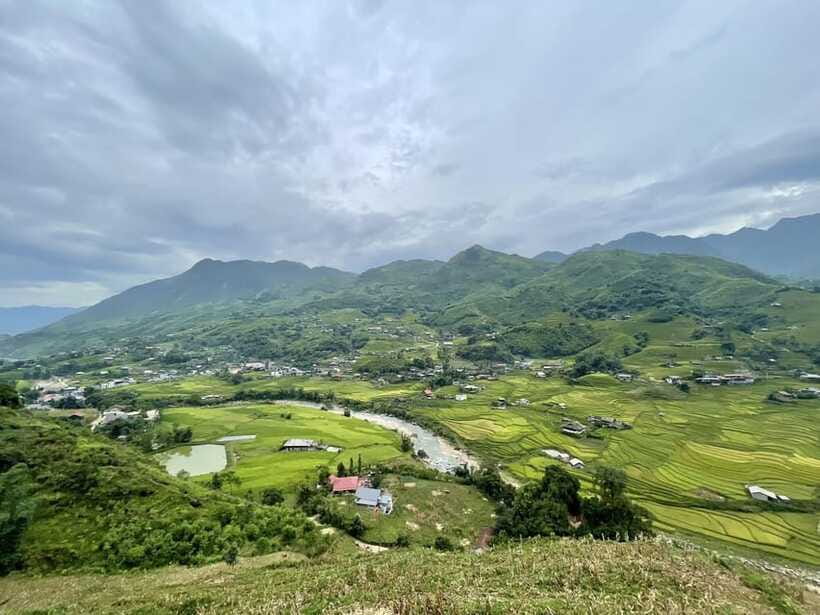
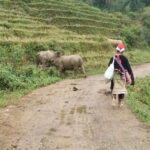
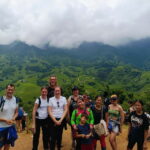
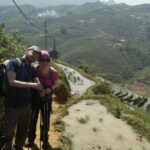
After lunch, you continue toward Lao Chai, a Black Hmong village. Here you’ll get a mix of photo stops, a guided visit, and free time. That combination matters because it keeps the visit from becoming either too scripted or too random.
This is where the ethnic-group explanations start to click. The guide is there to help you understand differences between communities—how people identify, how traditions show up in daily life, and what you should pay attention to (and what you should avoid). The goal isn’t trivia. It’s making your observations make sense.
There’s a walking component here too, about an hour of movement in and around the area. If rain or mud makes the path slick, take shorter steps and go steady. This is one of those days where your posture matters more than your pace.


Ta Van and the Giay community: finishing with understanding
Next up is Ta Van, where you’ll meet the Giay minority. Like Lao Chai, you’ll have guided time plus chances to wander and take photos. But this stop feels different because it completes the ethnic comparison you started earlier.
You’ll get time to learn about differences between the ethnic minority groups—how traditions show up across communities in the same mountain region. If you care about culture, this is the part that turns the day from scenery into real understanding.
You’ll then head back toward the vehicle, and your day ends in Sapa town around 15:30. From there, you can line up your bus back to Hanoi or continue exploring Sapa on your own.
How hard is this easy trek, really?
The name is easy. The reality is moderate walking with some hills.
You’re out for about 7 hours, and you’ll spend significant time on foot across rice terraces, village paths, and uphill segments. Even one of the more “beginner-friendly” routes can feel harder in rain or after a wet start, because slopes don’t care about the label on the brochure.
What to do:
- Wear comfortable walking shoes with traction.
- Use sun protection even in mountains: bring a sun hat and consider a second hat too.
- Bring breathable clothes and expect weather swings.
- Keep your smartphone charged for bridge and terrace photos.
Also: this tour is not suitable for kids under 10, pregnant women, wheelchair users, people over 80 (and even stricter upper age guidance is listed), anyone with back problems, people with recent surgeries, and babies under 1 year. If you’re unsure about your fitness, don’t guess—ask before booking.
English guide, small group size, and why that’s good value
With a small group capped at 10 and an English-speaking guide, you get more than basic direction. You get actual conversation. You’re not one face in a big crowd.
That small-group format also helps on uneven ground. If you’re moving carefully through village paths, a guide can spot trouble spots and keep the pacing reasonable. The result is less stress and fewer moments where you feel lost.
Price vs what you get: where the $20 value comes from
At about $20 per person for a 7-hour day, the best value isn’t just the walking. It’s the package:
- Transportation (van pickup and return)
- English-speaking guide
- Lunch with a local family
In a place like Sapa, paying for a guide and getting a genuinely local meal adds up. Even without factoring in the cultural context, that lunch + guide combo alone is often the difference between a cheap day and a satisfying one.
The tour also includes a bonus: a 20% discount on massage at Massage Lits, 01 Hoang Van Thu after the trip. It’s a nice “reward your legs” perk, and it’s conveniently tied to the area where you meet.
What to bring and what to avoid
Plan for a walking day in mountain conditions.
Bring:
- Comfortable shoes
- Sun hat (and a hat if you like extra coverage)
- Breathable clothing
- Water and sunscreen
- Charged smartphone
Avoid:
- Smoking
- Alcoholic drinks in the vehicle
Simple rules, big payoff. Sun and slip-prone paths are the usual troublemakers.
Who should book this trek (and who should skip it)
This is a great fit if you want:
- Real village visits with guided ethnic explanations
- Strong rice-terrace views without a multi-day trek
- A day that starts in Sapa, ends in Sapa, and doesn’t eat your whole schedule
It’s less ideal if you:
- Need wheelchair access (not suitable)
- Have serious back issues or recent surgery
- Want a minimal walking day (you will walk a lot)
If you’re traveling with older relatives or anyone with limited mobility, take the “easy” label with caution and compare it to your actual comfort on hills.
Should you book this easy trek in Sapa?
I’d book it if you want a full, meaningful Sapa day that balances views, village life, and guidance. The rice terraces do the talking visually, and the ethnic-group explanations make the day stick in your memory for the right reasons. It’s also nicely timed: out by morning, back by mid-afternoon.
I’d think twice if you’re sensitive to uneven paths, worry about slopes, or fall into the listed non-suitable categories. Also be realistic about energy. Plan this day when you’re not also doing a long nighttime plan the night before.
If you want extra flexibility, the booking includes free cancellation up to 24 hours in advance and a reserve now, pay later option.
FAQ
What time does the Y Linh Ho – Lao Chai – Ta Van trek start and finish?
Pickup is around 9:00, and the tour ends in Sapa town at about 15:30.
Where do we meet for the tour?
The meeting point is 01 Hoang Van Thụ St., Massage Lits.
Is lunch included?
Yes. Lunch with a local family is included, but drinks are not.
How many people are in the group?
The group is small, limited to 10 participants.
Do I need to speak Vietnamese?
No. The tour includes an English-speaking guide.
Is the trek suitable for children?
It is not suitable for children under 10.
What should I bring for the hike?
Bring comfortable walking shoes, sun protection (sun hat), breathable clothing, water and sunscreen, and a charged smartphone.
Is there any discount related to massage?
Yes. You receive a 20% discount for massage at Massage Lits, 01 Hoang Van Thu after the trip.