REVIEW · KATHMANDU
Annapurna Poon hill Sunrise Trek
Book on Viator →Operated by Well Plan Trekking · Bookable on Viator
Sunrise at Poon Hill feels like a reset button. In a compact 8-day trek in Nepal’s Annapurna mid-hills, you get big mountain views plus careful planning led by guide Ram Pant, with permits and meals handled so you can focus on the walking. One catch: the trek is weather-dependent, so good weather matters for that headline sunrise.
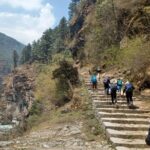
I also like how the route stays comfortable for a short itinerary: you’re not chasing Everest-level altitudes, and the highest point is 3,210 m at Poon Hill. The biggest consideration is pacing. The early start for sunrise hikes, along with some steep stone steps in the first days, can feel like a wake-up call if you’re not used to climbing.
In This Review
- Key highlights you’ll actually feel
- Why Poon Hill sunrise is the smart short-trek choice
- From Kathmandu to Pokhara: a gentler start than you expect
- Days 3 and 4: stone steps, rhododendron forests, and the old route vibe
- Pun Hill sunrise: the 3,210 m morning you plan for
- Practical tip for your headspace
- Tadapani to Ghandruk: village culture and a satisfying finish
- Price and logistics: what you’re paying for (and why it’s not just a number)
- The guide factor: why Ram Pant’s team tends to matter
- How hard is it, really?
- Weather and reality checks (the part people forget)
- Should you book this Annapurna Poon Hill Sunrise Trek?
- FAQ
- What is the highest altitude on this trek?
- How long is the Annapurna Poon Hill Sunrise Trek?
- Is airport pickup included?
- What permits are included?
- Are meals included during the trek?
- What transport is included in the itinerary?
- What isn’t included in the price?
Key highlights you’ll actually feel
- Reaching only 3,210 m gives you classic Annapurna-area views without a long high-altitude grind
- Meals included on the trek (breakfasts, plus trail lunch and dinner) means fewer decisions each day
- English-speaking guide plus porter support for small-group trekking keeps things moving
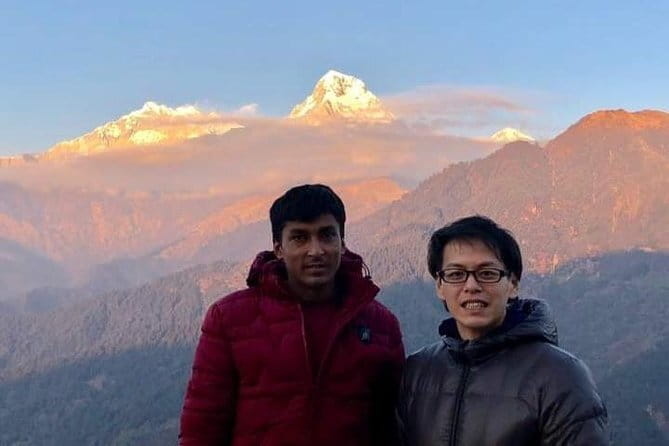
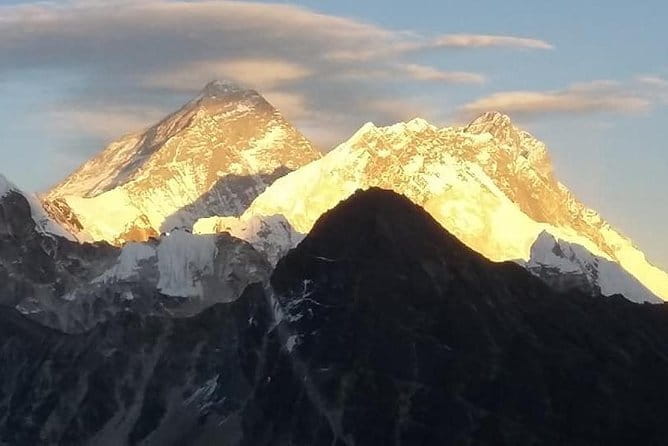
- Pun Hill sunrise views span ranges like Dhaulagiri and the Machhapuchare Fish Tail
- Village variety on the way (Ulleri, Ghorepani, Tadapani, Ghandruk) makes the days feel real, not just scenic
Why Poon Hill sunrise is the smart short-trek choice
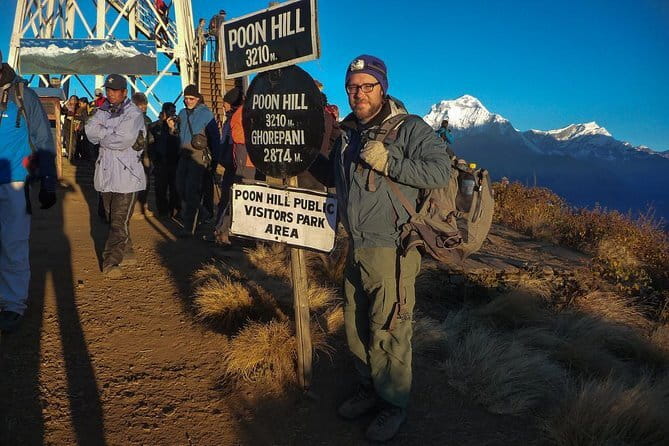
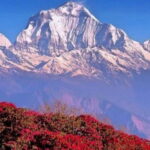
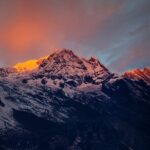
This is one of those treks where the timing does the heavy lifting. You’ll walk in a region full of Himalayan viewpoints, but the moment most people plan for is the pre-dawn push up to Poon Hill at 3,210 m. From there, you’re set up for a wide panorama that can include Dhaulagiri, Tukuche, Nilgiris, Annapurna, Manaslu, and the famous Machhapuchare Fish Tail peak.
What makes it especially appealing is the balance. You still get that “I’m really in the mountains” feeling—ever-present peaks along the route, ridge views, and forest walking—but you aren’t committing to a multi-week trek to get it. For many people, that’s the sweet spot: enough adventure to feel earned, short enough to fit a trip schedule.
You can also read our reviews of more tours and experiences in Kathmandu.
From Kathmandu to Pokhara: a gentler start than you expect
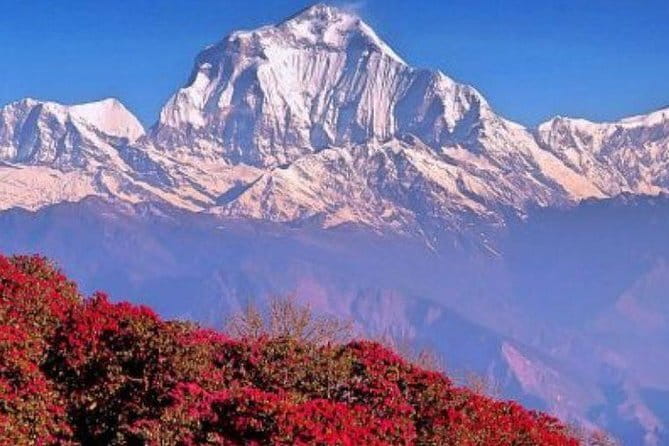
Your trip begins with Kathmandu airport pickup, then a transfer to your hotel. After that, the next day’s big move is a drive to Pokhara, one of the most practical bases for Annapurna hiking. It’s a comfortable overland transfer by tourist bus or coach, and you’re not just traveling—you’re traveling with scenery. The drive is described as pushing beyond Pokhara into valley-facing views that can include Manaslu and Annapurna, and you’ll arrive with the mountain atmosphere already in place.
Then comes Pokhara’s easy-day payoff. You’ll sleep in a hotel on or near Phewa Lake (with breakfast included), and you get an afternoon at leisure with short lakeside walks. This matters because trekking doesn’t start with a dramatic cliff climb in thin air—it starts with your body getting used to the rhythm.
Days 3 and 4: stone steps, rhododendron forests, and the old route vibe
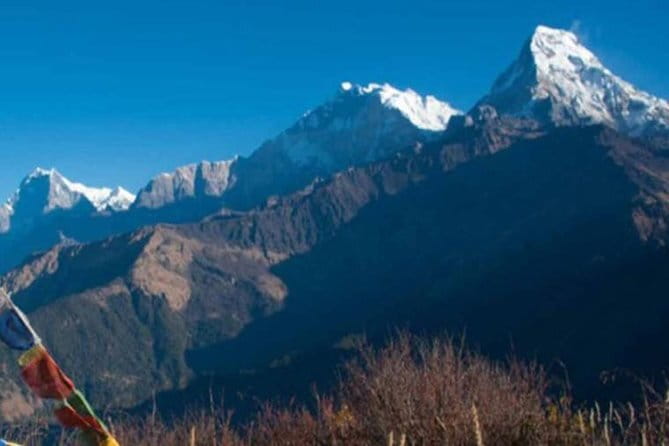
Once you reach Nayapul, the trek swings into village-to-village walking. The route follows the Modi River corridor to Bhirethati, then heads onward through farm villages and terraced fields toward the foothills.
Day 3: Ulleri climb and your first real viewpoint payoff
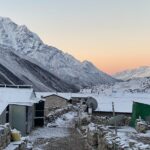
After the drive, you begin walking from Hille toward Ulleri. This is where you’ll feel the trek’s “moderate” side: stone steps, a noticeable uphill, and the sense that you’re moving up into the mid-hills rather than just strolling between tea houses. Ulleri is small and working-farm practical, and the reward is views of Annapurna peaks.
Day 4: Ghorepani and the rhododendron-and-pine world
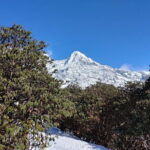
The next day pushes you uphill toward a ridge above Ulleri and Bhanthati, then into a deeper forest feel. Expect walking through tall rhododendron, magnolia, pine, oak, and fir-type forest cover (the mix is part of the charm). Eventually you reach Ghorepani, a classic trek stopping point.
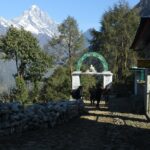
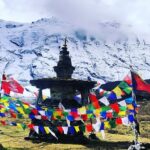
Two details here are worth caring about. First, Ghorepani is described as being on the old Trans-Himalayan Salt Trade Route between Nepal and Tibet (with routes leading toward Upper Mustang and the Karo-la area). Second, it’s a place that changes with season—especially in spring, when the rhododendron flowers can turn the hills into something like a living color map. If you enjoy walking through a place with character rather than walking from viewpoint to viewpoint, this day delivers.
Pun Hill sunrise: the 3,210 m morning you plan for
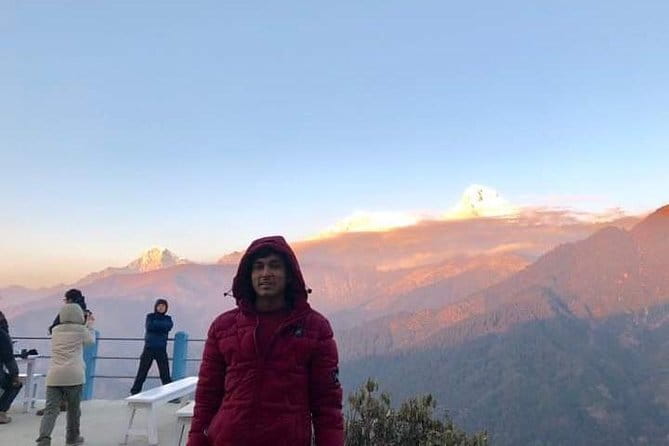
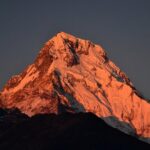
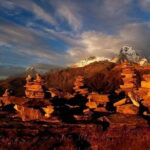
Day 5 is the big moment. You’ll hike early for about an hour or more uphill to Pun Hill. This is not a long trek day on paper, but it’s an intense one in practice because it’s pre-dawn effort. Once you’re there, the payoff is the sunrise panorama.
The view list in your plan is strong: Dhaulagiri, Tukuche, Nilgiris, Annapurna, Manaslu range, plus Machhapuchare’s Fish Tail. Even if clouds roll in, you usually still get the mountain sense and changing light over ridges. If the weather is clear, this is the type of morning that makes you forget what time you woke up.
After sunrise, you head back to Ghorepani for breakfast, then continue walking—uphill into rhododendron forest again, followed by a descent and the last climb to Tadapani. Tadapani matters because it sets up the next day’s village descent, so the trek stays varied instead of turning into nonstop climbing.
Practical tip for your headspace
Bring your patience for early mornings. This trek is built around sunrise light. When you’re standing on a ridge before dawn, you stop thinking like a tourist and start moving like a mountain person, even if only for a couple of hours.
Tadapani to Ghandruk: village culture and a satisfying finish
Day 6: from forest down toward Ghandruk
You start with a downhill through a mist-filled forest toward terraced farmland above Ghandruk. Then there’s a break at Ghandruk—described as a major Gurung village in the Annapurna area. This is the part where the trek turns from mountain focus into community focus.
The walk ends with a vehicle ride back to Pokhara by Phewa Lake. That matters more than it sounds. After days of steps and uneven ground, dropping into a warm shower and a familiar hotel area is not luxury—it’s how you keep your legs functioning for the final travel days.
Day 7: drive back to Kathmandu, with a free afternoon
You’ll take the morning drive back to Kathmandu, described as about 5–6 hours. You arrive in time for an afternoon that’s yours: either relax, or shop for souvenirs and handicrafts.
There’s also an air option mentioned: a short 30-minute flight from Pokhara back to Kathmandu with views along the way. If you want to reduce transit fatigue, this is the cleanest choice mentioned.
Day 8: airport transfer for your onward flight
Your last day is built around your international flight time, with staff transfers to the airport so you’re not racing the clock.
Price and logistics: what you’re paying for (and why it’s not just a number)
At $736 per person for an ~8-day package, the best way to judge value is by what’s included and what’s not. This tour covers a lot of the “hard to manage yourself” parts:
Included value you can feel
- Hotels in Kathmandu (2 nights) and Pokhara (2 nights) with breakfast included
- Kathmandu–Pokhara–Kathmandu by tourist bus/coach
- Permits: Annapurna Conservation Permit and TIMS
- An English-speaking guide and porter support (notably, one porter for two clients)
- Meals on the trek: breakfast (8), lunch (4), dinner (3)
- Paperwork handled ahead of time
If you do the math, you’re paying roughly $90-ish per day for the trekking structure, food while on the trail, permits, and the guide/porter team. That doesn’t mean it’s cheap. It means the price is paying for coordination—especially permits, meal plans during the trek, and the daily guidance that keeps the experience smooth.
What you should budget separately
- Travel and rescue insurance
- Tips for guide and porter
- Personal expenses (including bar bills, battery recharge, bottled water, and hot water)
- Kathmandu and Pokhara lunch and dinner
That list matters because it’s where trekkers often overspend at the last second. Plan for it early and you’ll keep the trip feeling easy.
The guide factor: why Ram Pant’s team tends to matter
In Nepal, “same trek, different guide” is real. What stands out in the experience around Well Plan Trekking is consistency: reliable pickup, dependable coordination, and a guide who’s described as friendly and witty, not just technical. The reviews also connect the dots from the start—airport pickup through the trek days and the final handoff—so you’re not playing logistics ping-pong.
Also, the tour is private in the sense that only your group participates. That tends to improve comfort and pacing because you’re not getting dragged by random pacing styles.
How hard is it, really?
The trek is described as moderate, with the highest elevation at 3,210 m. “Moderate” here translates to: you should be ready for uphill days, stone steps, and some steep effort early on.
A good way to think about it:
- Day 3 and Day 4 are your build-up. You climb toward Ulleri, then spend time in forested ridges up to Ghorepani.
- Day 5 is short-but-intense because you’re hiking early for sunrise.
- Day 6 gives you more downhill rhythm while still keeping you moving.
If you haven’t been active recently, you might feel it in the first couple of days. That doesn’t mean you can’t do it. It means you’ll want to take your pace seriously—no ego marching.
Weather and reality checks (the part people forget)
This experience requires good weather. If conditions aren’t right, the trek can be adjusted or canceled based on weather needs, with a different date or a full refund offered.
So yes, you’re planning around sunrise. That’s the point. But you’ll also want to be flexible. Mountain mornings don’t care about your calendar.
Should you book this Annapurna Poon Hill Sunrise Trek?
I’d book it if you want:
- Big Annapurna-region views in a short timeframe
- A trek that mixes mountains with village life (Ulleri, Ghorepani, Ghandruk)
- A team that handles permits, meals on the trail, and day-to-day coordination, with support from an English-speaking guide like Ram Pant
I would think twice if:
- You strongly dislike early starts, since Pun Hill sunrise is the headline
- You’re counting on a specific day of clear weather for sunrise (it matters here)
If your goal is a well-managed, scenic Annapurna introduction with a true sunrise payoff, this is a solid pick.
FAQ
What is the highest altitude on this trek?
The highest elevation is at Poon Hill, at 3,210 m.
How long is the Annapurna Poon Hill Sunrise Trek?
It’s listed as 8 days (approx.).
Is airport pickup included?
Yes. A representative can receive you at the Kathmandu airport and transfer you to your booked hotel.
What permits are included?
The package includes an Annapurna Conservation permit and TIMS paperwork.
Are meals included during the trek?
Yes. Breakfast is included (8), and lunch (4) plus dinner (3) are included during the trekking days. Kathmandu and Pokhara lunch and dinner are not included.
What transport is included in the itinerary?
Kathmandu–Pokhara–Kathmandu is included by tourist bus/coach.
What isn’t included in the price?
Travel and rescue insurance, personal expenses (like bottled or hot water and recharge), tips for the guide and porter, and Kathmandu and Pokhara lunch and dinner are not included.