REVIEW · KATHMANDU
Everest Base Camp Trekking – 16 Days
Book on Viator →Operated by Eco Holidays Nepal · Bookable on Viator
Everest feels close fast here. This 16-day Everest Base Camp trek moves you from Kathmandu to Lukla, then step by step through Sherpa villages toward Sagarmatha National Park, with the big reward at Kalapathar. I like the way the schedule builds in breathing room, not just a straight grind uphill.
I also love the way logistics disappear behind the scenes, from private vehicle transfers in Kathmandu to round-trip flights and full meal planning on the trail. In the reviews, guides like Prakash and Shiva are praised for keeping things upbeat and well-paced. Biggest consideration: you are dealing with serious altitude, Lukla flights can be weather-sensitive, and a porter for your luggage is not included, so plan your pack weight carefully.
In This Review
- Key things I’d circle before you book
- Kathmandu first: getting oriented before the mountains
- Lukla to Phakding: the first taste of Everest scale
- Namche Bazzar: gateway town and the right place to slow down
- Tyangboche/Tengboche monastery day: culture with mountain air
- Dingboche rest day: why this pause really helps
- Toward Lobuche: glacier-fed drama and bigger rock terrain
- Everest Base Camp day: the one you came for
- Kalapathar early: your highest reward moment
- Returning down the Khumbu: Pangboche to Namche again
- Lukla back to Kathmandu: finish strong, then rest
- Price and what you really get for $2,350.34
- The itinerary in human terms: what each day feels like
- Gear, comfort limits, and how to avoid small annoyances
- Who this trek is best for (and who should think twice)
- Should you book this Everest Base Camp package with Eco Holidays Nepal?
- FAQ
- How long is the Everest Base Camp trek in this package?
- What flights are included?
- Are meals included?
- Is a porter included to carry luggage?
- Do I need a passport or visa for this trip?
- Is cancellation free?
Key things I’d circle before you book
- A quick flight that drops you into the Everest story: Lukla is reached by a short 30-minute flight from Kathmandu, then trekking starts immediately.
- Acclimatization days are built in: rest days at Namche and Dingboche help you adjust before the higher sections.
- Monasteries and Sherpa towns break up the climb: Kathmandu Durbar Square, Tyangboche/Tengboche-area monastery visits, and villages like Pangboche keep it more than just hiking.
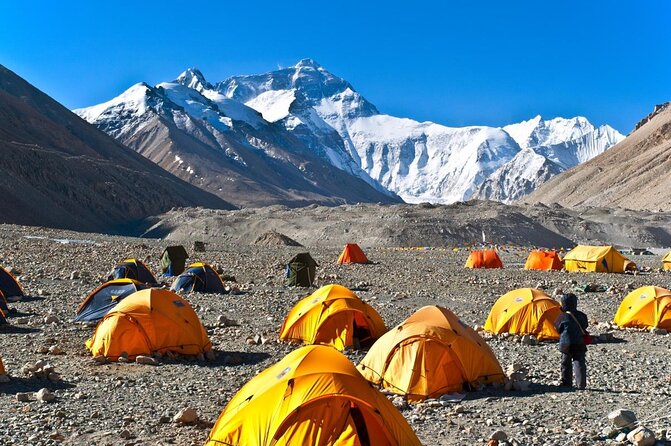
- The classic Everest Base Camp highlight day: you reach the base camp area and then sleep back at Gorakshep.
- A weather buffer for Lukla: an extra Kathmandu day is reserved if flights get delayed or disrupted by conditions.
- Guide support matters at Everest altitude: multiple reviews credit guides such as Prakash, Shiva, and others for organization and calm leadership.
Kathmandu first: getting oriented before the mountains
Your trip starts in Kathmandu with pickup and a transfer to your hotel. Day 1 is basically about arriving, getting over jet lag, and meeting your group. That matters more than it sounds, because you’ll be doing an early prep rhythm starting soon.
Day 2 adds a cultural warm-up: a visit around Kathmandu Durbar Square and nearby heritage sites, then a true prep day for the trek. You’re not just sightseeing for sightseeing’s sake here. This day helps you get your bearings, learn what the schedule will feel like, and settle your gear before you head for Lukla.
There’s also a dinner on Day 1 at a Nepalese restaurant with local cultural programs. That’s a good tone-setter after travel fatigue: a normal meal, a familiar routine, and an easy way to meet your guide and group in a relaxed setting.
You can also read our reviews of more tours and experiences in Kathmandu.
Lukla to Phakding: the first taste of Everest scale
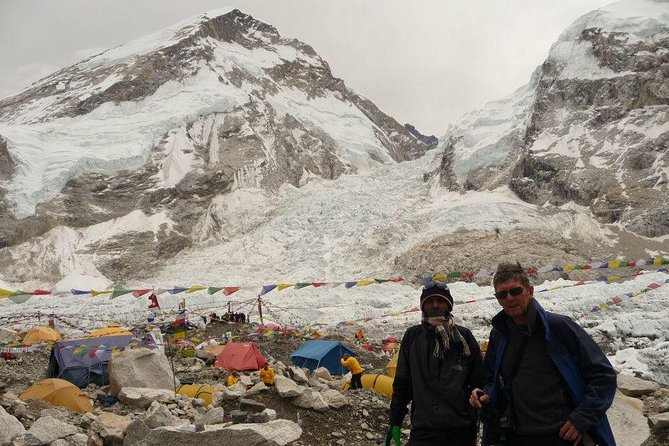
On Day 3 you fly from Kathmandu to Lukla in about 30 minutes. Once you land, you immediately start trekking to Phakding. This is where the whole expedition switches from city life to mountain life.
The first trekking day is not about conquering anything. It’s about learning how your body handles altitude and how to pace yourself. Your legs do real work, but you’re still in a phase where you can enjoy the views of rolling hills and the first glimpses of the wider mountain world.
A practical tip: start slow even if you feel great. The fastest way to feel miserable later is to win Day 3 too aggressively.
Namche Bazzar: gateway town and the right place to slow down
Day 4 brings a transition from forests into the gateway of the Everest region. The route passes tall pines and rhododendron, then continues on toward Namche Bazzar. Namche isn’t just a waypoint. It’s a hub where you see how Sherpa communities live close to the mountains, and it’s where you’ll feel the trek really turning into a high-altitude experience.
You’ll have time in the comfort of your lodge at Namche, plus the chance to take in snow-capped peaks from town. Then Day 5 is the acclimatization rest day, with time to hike lightly around Namche, visit a museum, and stroll while taking in the surrounding views.
This is one of the best parts of the whole plan because it protects your trip. Two things are happening on these rest days:
- You give your body a chance to adjust.
- You stop treating each day like a race.
In real high-altitude trekking, that second point is huge.
Tyangboche/Tengboche monastery day: culture with mountain air
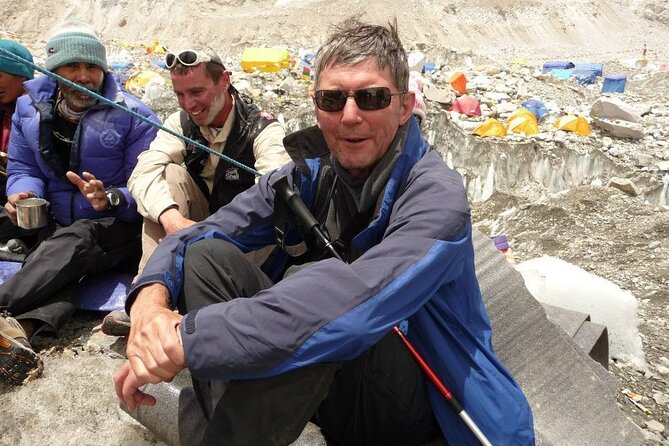
On Day 6, you head toward Tyangboche (listed as Tyangboche/Tengboche in different spellings). The itinerary includes a walk from Namche toward Tyangboche, with monastery time on the way and an overnight stop there.
Visiting the monastery is the cultural counterweight to the altitude. You get prayer and religious activity to watch, and you experience a place that has been part of Sherpa life for generations. The itinerary notes that admission to Tyangboche is not included, so if you want to go inside, expect a small additional cost.
One note for planning: if you love quiet moments, this day can give you them. If you hate slow, sacred stops, you might want to set expectations in advance. Either way, it’s a meaningful change of pace compared with pure walking days.
Dingboche rest day: why this pause really helps
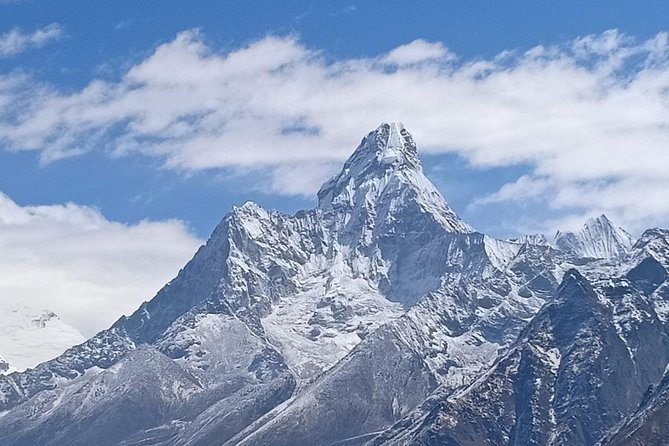
Day 7 is a trekking day to Dingboche, passing villages like Pangboche and Deoboche. You’ll spend time in Dingboche for the overnight, and then Day 8 is another acclimatization rest day.
That second rest day is doing serious work in the schedule. It makes the climb toward the Lobuche area and ultimately Gorakshep and Base Camp much more realistic. On rest days you can stroll and enjoy views, which is a good compromise: movement without overdoing it.
If you’re the type who feels restless when you stop, use the rest-day hiking option as a tool. Go for short walks, enjoy the scenery, and keep your effort gentle.
Toward Lobuche: glacier-fed drama and bigger rock terrain
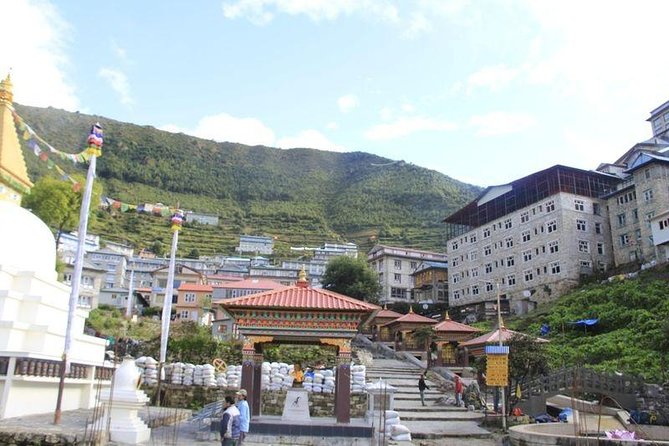
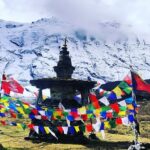
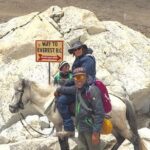
Day 9 is when the trek starts feeling more dramatic. You walk toward Lobuche, with a route above the Pheriche valley. You pass viewpoints tied to peaks like Cholatse and Taboche, and later you reach Thugla, where the glacier melt feeds a raging river.
The experience here is not subtle. It’s noise, cold air, and a sense that the mountains are actively moving and changing the landscape around you. It also changes the visual texture of the walk: more exposure, more rock and wind.
You finish at Lobuche for the overnight. Lobuche is listed as a place where you can see Lobuche East and West peaks, so you get a sense of you being in a real high-altitude pocket rather than just passing through.
Everest Base Camp day: the one you came for
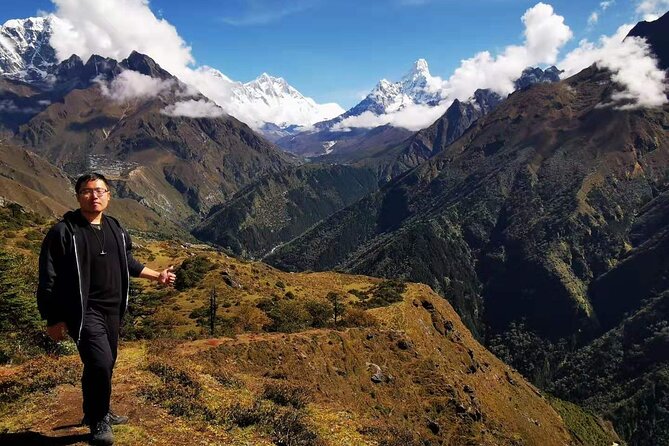
Day 10 is described as a long walk and the highlight: you reach the base camp area, then return to Gorakshep for overnight.
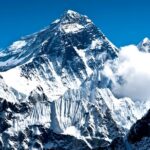
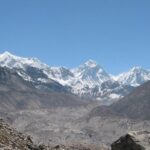
This is your big day for the iconic views: Mt. Everest, along with Nuptse, Lhotse, and Pumori. The itinerary emphasizes the moment of stopping, taking photographs, and just letting the scale land.
A useful way to think about Base Camp day: it’s not just the destination sign. It’s also the process of getting there—your breathing, your patience, and your ability to accept that you won’t feel like sprinting at Everest altitude. If you treat it as a slow-win day, you usually get more out of it.
Kalapathar early: your highest reward moment
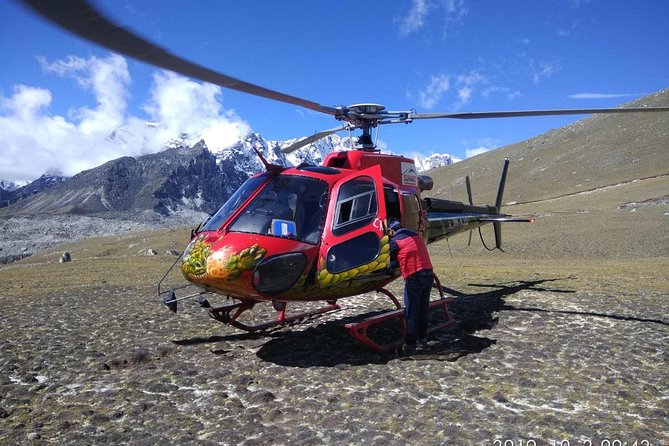
On Day 11 you start early, before breakfast, and climb to Kalapathar above 5,545 m. This is listed as the highest spot of the adventure, with an overwhelming panorama and close views of Everest and Mt. Pumori.
Then you descend back to Gorakshep for breakfast, and continue trekking down toward the Pheriche valley and onward to Pangboche for overnight.
This day is where the trek’s emotional shape changes. The summit-leaning moment at Kalapathar gives you a payoff, and the descent later lets you breathe again. Even if you’re tired, it’s the kind of tired that feels earned.
Returning down the Khumbu: Pangboche to Namche again
Day 12 moves from Pangboche back toward Namche Bazaar, with an easy downhill but long walking day. You pass through Tyangboche again, including the colorful monastery area, before reaching Namche for your last overnight in the Khumbu region.
Two things make the return stretch feel different:
- You know what you’re seeing now, so the views feel deeper.
- You also know you’re heading home, so the pace can feel mentally easier even when your legs are tired.
This is a good day to keep your pace steady. Don’t try to speed-run the mountains just because you can. Save your energy for the last trekking day.
Day 13 is the walk from Namche back to Lukla, retracing the start of the journey. It’s practical and moving, not flashy. Still, it’s deeply satisfying because you can see how far you’ve come.
Lukla back to Kathmandu: finish strong, then rest
Day 14 is your flight from Lukla back to Kathmandu, followed by a transfer to your hotel and a rest day.
Then Day 15 is your insurance against disruption. The itinerary reserves an extra day in Kathmandu in case of flight problems due to bad or unfavorable weather at Lukla or early in the program. This is one of the smartest inclusions in the whole package because it protects your schedule. When you’re trekking at altitude, you don’t want the entire trip to collapse into a single flight dependency.
Day 16 ends with a transfer to Kathmandu international airport for your flight home.
Price and what you really get for $2,350.34
At $2,350.34 per person for a 16-day Everest Base Camp trek, the value comes from the package structure, not just the walking days.
Here’s what’s clearly included:
- Round-trip flights (Kathmandu to Lukla and back to Kathmandu via Lukla)
- Professional guide with salary and insurance
- Transport by private vehicle in Kathmandu
- National park fees
- Accommodation as per itinerary
- Meals: 15 breakfasts, 11 lunches, and 11 dinners
- Necessary equipment during trek, with the note that it must be returned after finishing
- An assistant guide if the group is over 6
- Local taxes
Where you’ll still spend extra:
- Tips and optional purchases are not listed.
- Tyangboche monastery admission is not included.
- Battery charge, WiFi, and shower in high Himalayas are not included.
- Alcoholic drinks and souvenir photos are available to purchase.
- A porter for caring luggage is explicitly not included.
For many first-time EBC trekkers, that porter point is the main “hidden” value question. If you bring a heavy pack and you’re not used to carrying weight, your experience can suffer even if the route is perfect. If you want help with luggage, you should plan for that ahead.
The itinerary in human terms: what each day feels like
This is the part you should match to your own travel style.
- Kathmandu setup (Days 1–2): easy walking, planning, and cultural time. Great if you like warming up.
- First trail day after Lukla (Day 3): a gentle transition, good for settling into trekking rhythm.
- Namche block (Days 4–5): steep effort plus a real rest day. Great for acclimatization-minded travelers.
- Tyangboche monastery section (Days 6): cultural pause with mountain drama in the background.
- Dingboche and rest (Days 7–8): another acclimatization reset before higher terrain.
- Lobuche approach (Day 9): more wind, more cold, more glacier-fed scenery.
- Base Camp and Gorakshep (Day 10): your emotional peak, long effort, big payoff.
- Kalapathar (Day 11): physically demanding early start, massive views, then a long descent.
- Return days (Days 12–13): fewer surprises, more satisfaction.
- Flights and buffer (Days 14–15): rest plus weather insurance.
If that sounds like the pacing you want, this plan fits well.
Gear, comfort limits, and how to avoid small annoyances
Some comfort items are simply not part of the package at altitude. The itinerary clearly notes that battery charging, WiFi, and showers in the high Himalayas are not included. You can still get by, but plan for it like a mountains trip, not a hotel vacation.
Also, the trek includes “necessary equipment” during the trek, with the requirement to return after it’s done. That suggests the provider is trying to take some packing load off you. Still, you should bring personal essentials like layers, gloves, and anything you use every day at home.
And yes: your pack weight matters, because a porter for luggage care is not included. Even if you’re a strong hiker, you’ll likely feel it after multiple days on rocky terrain. Pack down to what you truly need, and keep water and snacks organized so you’re not fumbling in thin air.
Who this trek is best for (and who should think twice)
This trek is for people with moderate physical fitness, minimum age 16, and no serious medical conditions. It’s not recommended for participants with heart complaints or other serious medical issues, and it’s not recommended for pregnant women.
You’ll enjoy it most if you:
- Are comfortable with long trekking days and steep sections
- Like structured acclimatization (rest days at Namche and Dingboche)
- Want a package that handles flights, permits, guides, and meals
- Appreciate culture stops like monasteries and village walks
You should think twice if you:
- Are likely to rush your pacing because you feel good early (altitude punishes that)
- Can’t manage the logistics of your own luggage without support
- Are very sensitive to flight schedule uncertainty (Lukla weather can shift plans)
Should you book this Everest Base Camp package with Eco Holidays Nepal?
If you want the classic Everest Base Camp route done with a complete support structure, I think this one makes sense.
The strongest reasons to book are practical:
- You get round-trip flights, national park fees, guide insurance support, and a meal plan.
- The schedule includes two acclimatization rests before the harder sections.
- There’s a real buffer day in Kathmandu for Lukla flight trouble.
- Feedback highlights guides by name, including Prakash and Shiva, with people crediting them for organization and a more enjoyable trek experience.
The main reason not to book is also practical: if you need heavy luggage carried for you, the package doesn’t include a porter. If you’re okay with trekking with a manageable pack (or you’ll arrange porter help separately), you’re set up for a smoother experience.
If you’re ready for long mountain days and you want a guided, well-structured EBC trek, this is a solid choice.
FAQ
How long is the Everest Base Camp trek in this package?
The program is 16 days, with the trek itself spread across multiple days from Lukla through Gorakshep and Everest Base Camp, then back down to Lukla and on to Kathmandu.
What flights are included?
Round-trip flights are included: Kathmandu to Lukla (about 30 minutes) and then Lukla back to Kathmandu near the end of the trip.
Are meals included?
Yes. The package includes 15 breakfasts, 11 lunches, and 11 dinners.
Is a porter included to carry luggage?
No. A porter for caring for luggage is not included in the listed inclusions.
Do I need a passport or visa for this trip?
A current valid passport is required on the day of travel. Visa requirements are your responsibility, and you must confirm and obtain them before traveling.
Is cancellation free?
Yes. Free cancellation is offered if you cancel up to 24 hours in advance of the experience’s start time for a full refund.