REVIEW · KATHMANDU
From Kathmandu: 5-Day Gosaikunda Lake Trek
Book on GetYourGuide →Operated by Cordial Trek Pvt. Ltd. · Bookable on GetYourGuide
A short trek, a big high-altitude payoff. In five days, you ride out of Kathmandu, hike through Langtang National Park, and reach sacred Gosaikunda Lake at 4,380m. I love the fact this is a guided trip with solid route structure, and I also like the small-group feel (up to 14 people), where guides like Ohm, Terence, and Raj can keep everyone moving and feeling safe. One consideration: the walking is short but not gentle, with a steep climb and big elevation changes for a 5-day schedule.
You’ll start with an easy rhythm—bus drive, guest-house nights, and full-board meals if you choose the inclusive option—then the trail gradually turns demanding. I really appreciate the practical extras like loaned trekking poles, a down jacket, and a sleeping bag, which lowers the hassle and cost for packing. The drawback is weather: the trek runs year-round, but your best views of the central Himalayas (including the Langtang range) usually show up when skies are mostly clear.
In This Review
- Key things that make this trek work
- What you’re really buying with the $179 price tag
- Day-by-day: from Kathmandu to Dhunche, Deurali, and Laurebina
- Gosaikunda Lake day: sacred water and serious altitude
- Langtang National Park in a short schedule
- Guides and small-group energy: the practical reason it feels smooth
- Price and logistics: what’s included, what you may spend extra
- Included (big deal items)
- Not included (plan your budget)
- Gear, cold nights, and what to pack without overthinking it
- When to go: clear skies are the real upgrade
- Who this trek suits (and who should skip it)
- Should you book this Gosaikunda Lake trek?
- FAQ
- How high do you trek on the Gosaikunda Lake route?
- How long is the trek from Kathmandu to Gosaikunda and back?
- Are meals included in the price?
- What permits do I need for the trek?
- Does the trip provide trekking gear for cold conditions?
- What’s the group size?
- Is travel insurance included?
Key things that make this trek work
- Small group pacing (max 14) so you’re not fighting the crowd on narrow paths
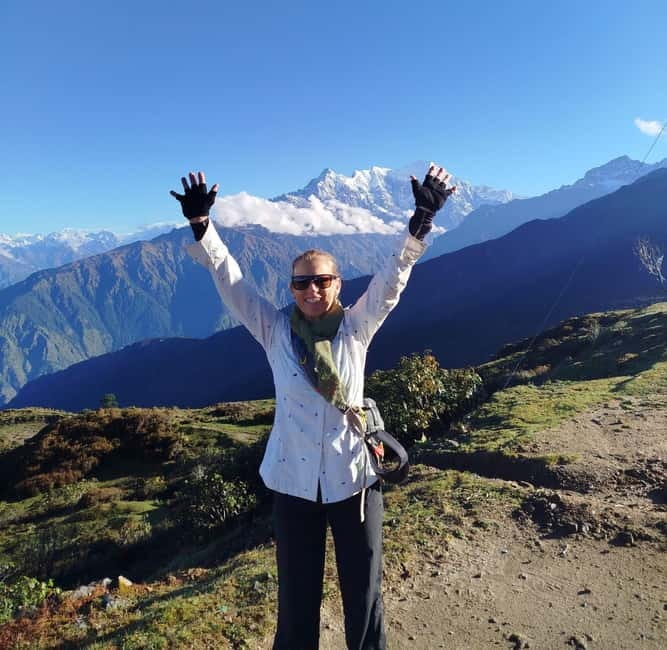
- A real summit-style finish at Gosaikunda Lake, plus side lakes like Bhairav Kunda
- Gear included for cold nights: down jacket, sleeping bag, trekking poles
- Langtang National Park access with chances to spot local flora and fauna
- A guided, safety-first approach with English, Hindi, or Icelandic-speaking guides
What you’re really buying with the $179 price tag
This is a short, high-payoff trek. Yes, the headline is reaching Gosaikunda Lake, but the value is more than the postcard moment. You’re paying for a full package that removes the most stressful parts of trekking in Nepal: permits, a licensed guide, transport, and the basics of camping-conditions comfort—without forcing you into a full DIY setup.
At $179 per person, the price makes the most sense if you want everything tied together: Kathmandu pickup and drop, bus transport to Dhunche and back, and organized guest-house stays for four nights. The trip also includes trek permits and a TIMS card, plus water purification tablets as needed. That matters, because paperwork hiccups can eat up time and energy when you’re already planning around limited vacation days.
Also, consider what you’d likely spend on your own:
- trekking poles and cold-weather layering if you don’t own them
- transport planning and permit processing
- a guide’s local knowledge for safe pacing and route decisions
This tour rolls many of those costs into one clean booking. If you choose the full-board meals option, you also reduce budgeting friction during trekking days. If you choose the budget option, meals aren’t included, which can be a tradeoff—usually better for people who like to control spending, but less convenient day to day.
You can also read our reviews of more tours and experiences in Kathmandu.
Day-by-day: from Kathmandu to Dhunche, Deurali, and Laurebina
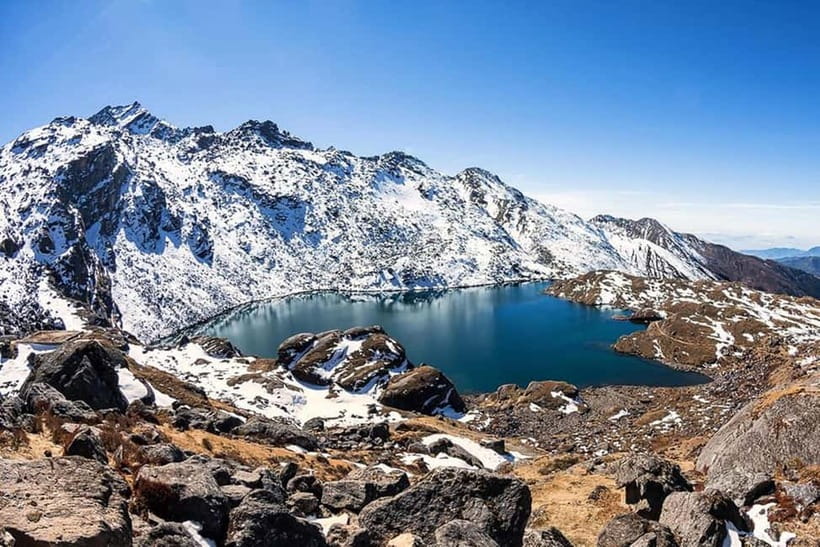
This trek has a classic structure: transport on the front and back ends, then two nights in higher terrain, and one intense lake day. That layout is part of why it feels “short but serious.”
Day 1: Kathmandu to Dhunche, then up to Deurali (2790m)
You’re picked up from your hotel and driven toward a bus stop, then ride to Dhunche. The drive is about 5–6 hours. During this time, you get first views of terraced fields, green hills, and snow-capped peaks like Manaslu, Ganesh, and Langtang. After a short break in Dhunche, you hike for about 2 hours to Deurali, where you sleep at a mountain guest house.
Why this start works: it helps you get your legs under you without jumping straight into steep altitude on day one. The drawback is obvious: after a long drive, even a 2-hour walk can feel like more than it sounds. Bring good footwear and expect your body to warm up slowly.
Day 2: Up to Laurebina (3910m) via Chandanbari
Day 2 begins with breakfast and a briefing from your guide. Then you climb toward Laurebina through a steep path via Chandanbari. It’s an ascent day, and it’s the kind of climb that demands steady effort more than speed.
Practical tip: pace matters. If you go too fast, you’ll feel it later during the lake day. This is where a well-run group can be a blessing—your guide can keep the group in a rhythm.
Day 3: The lake push to Gosaikunda (4380m), then back to Laurebina
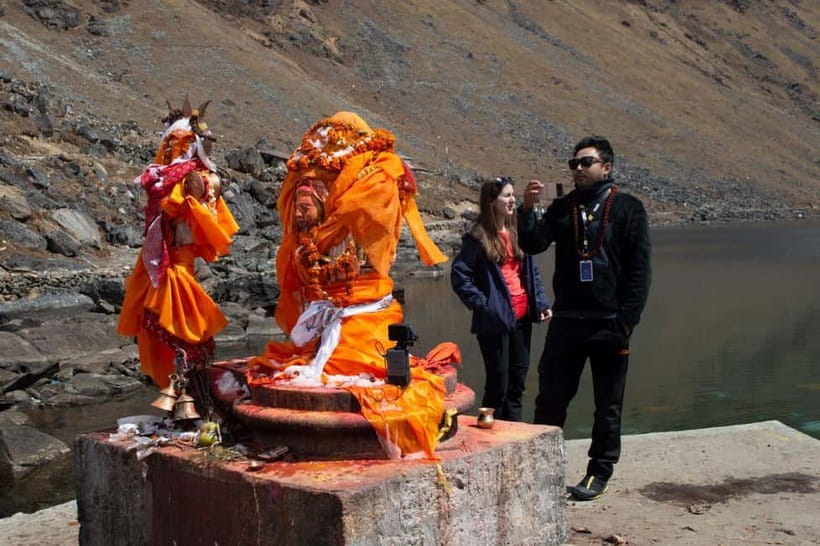
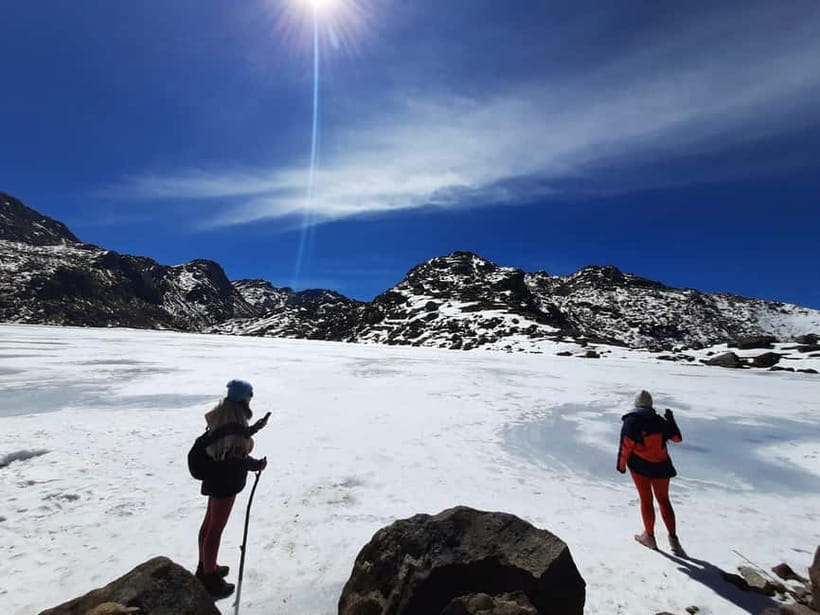
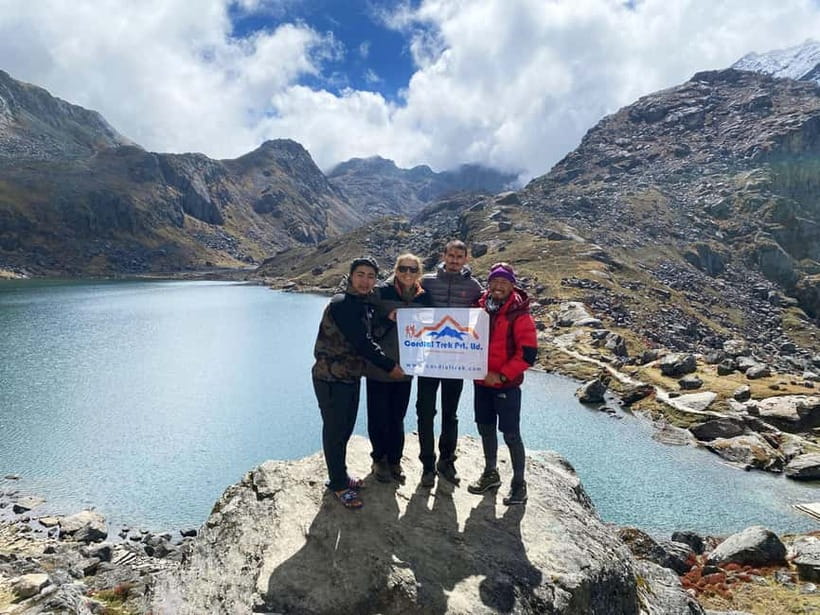
This is the big day. From Laurebina, you trek to Gosainkunda, a glacial freshwater lake in Langtang National Park at 4,380m. The lake feeds the Trishuli River, and it stays frozen during winter, which is a neat reminder that you’re working in real high-altitude conditions—not a gentle hike in the hills.
On the way and around the area, you explore other lakes in the region too, including Bhairav Kunda, Chandra Kunda, and Saraswati Kunda. You’ll also get majestic views of the Langtang range in the background. After exploring, you hike back to Laurebina for the night.
What to watch for: this is the day where altitude comfort can make or break your enjoyment. Go slow, hydrate (water purification tablets are included as required), and plan to stop when your body asks you to.
Day 4: Descend to Dhunche
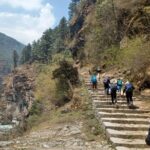
You gradually go down through rhododendrons, pine, and bamboo forests. The trail leads back toward Deurali, and from there you continue descending through dense forest and cross a river to reach Dhunche.
This is one of the nicer rhythm shifts on the whole trip: it swaps the grind of uphill trekking for a gentler change in scenery. The downside is that descents can be rough on knees, especially after two nights at higher elevations. Trekking poles help here, and you’ll have access to them.
Day 5: Dhunche back to Kathmandu (1350m)
After breakfast, you drive back to Kathmandu. It’s a scenic ride, and when you arrive at the bus station, you’re transferred to your hotel.
The sweet spot about ending with the drive: you avoid another full day of foot fatigue and can actually enjoy Kathmandu on arrival instead of feeling wrecked.
Gosaikunda Lake day: sacred water and serious altitude
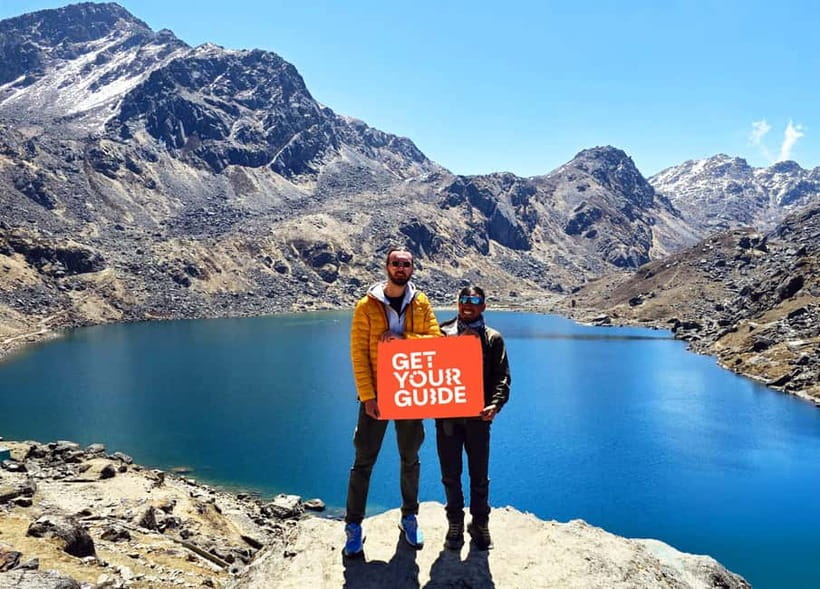
Gosaikunda is the reason most people choose this trek, and it delivers more than one type of payoff. You’re reaching a sacred glacial lake at high altitude, but you’re also getting a small zone of exploration with multiple lakes nearby.
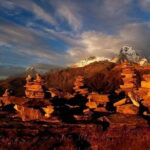
At 4,380m, your body will notice altitude whether the day feels calm or not. If you’re the kind of traveler who likes to understand what you’re seeing, this part of Nepal comes with real context: the lake is part of the hydrology feeding the Trishuli River, and it freezes in winter. That turns the lake from a view into a living system you can respect.
You’ll also have a reason to look around besides the main shoreline. The inclusion of Bhairav Kunda, Chandra Kunda, and Saraswati Kunda means you’re not only hiking to one point and rushing off. You get time to slow down and watch how the terrain and water change across the region.
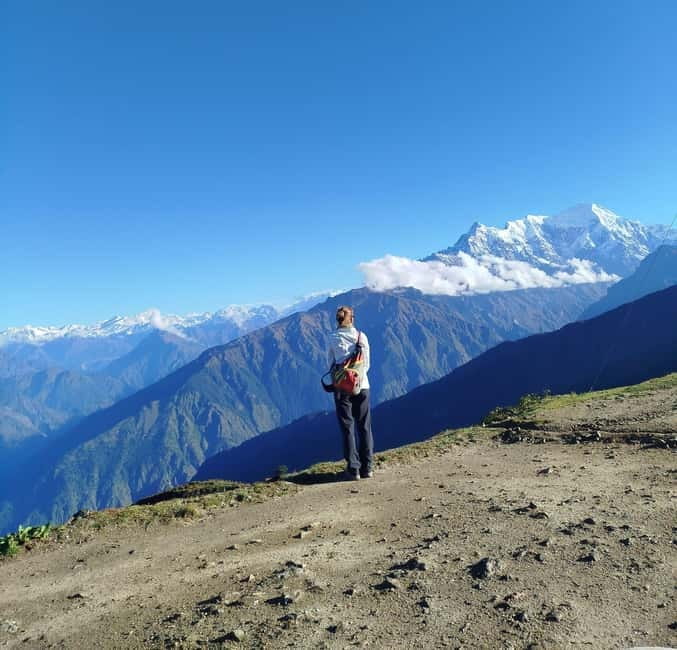
One reality check: the trek is best when the skies are clear. If clouds roll in, the experience can still be meaningful, but the dramatic central Himalayan views (including the Langtang range) may be reduced.
Langtang National Park in a short schedule
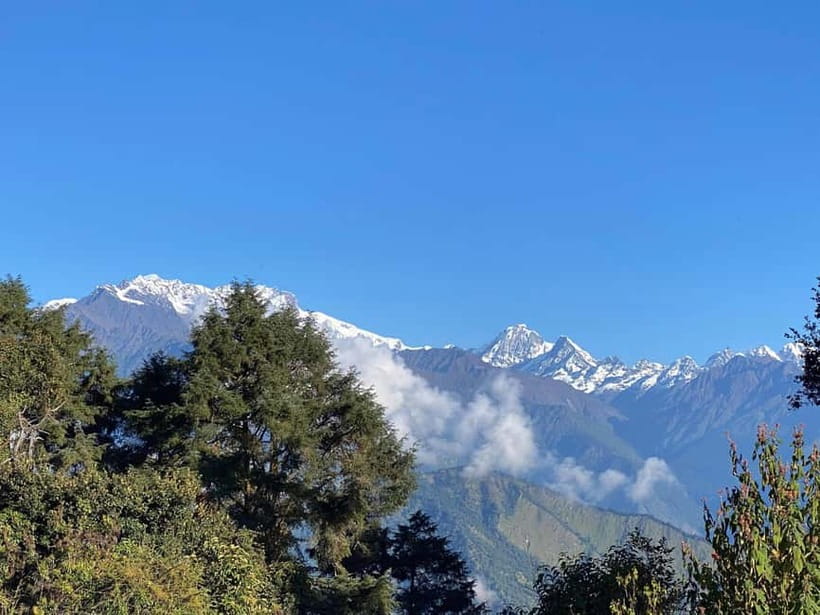
This trek runs through Langtang National Park, and that matters because it gives your days more variety than just “up and down.” You’re moving through forested sections with rhododendrons, pine, and bamboo, and you’re trekking at elevations where the environment shifts noticeably.
The tour is also designed to make wildlife and plant life part of your attention, not an afterthought. You can expect opportunities to spot local flora and fauna during the trek.
Why that matters for you: on a short trek, you don’t have time for long detours. You want the days to feel full. Here, the trail itself gives you changing habitats, and the guide can point out what you might otherwise miss.
Guides and small-group energy: the practical reason it feels smooth
This is where the reviews line up with the tour design. You’re not just getting a person who knows the trail—you’re getting someone who keeps the group moving with safety in mind, and keeps things interesting during the harder stretches.
Depending on departure, your guide may be Ohm, Terence, or Raj. What’s repeatedly valued is communication, engagement, and keeping morale up. One guide approach is lively and informative: bringing interesting regional facts into the walk, using fun media to keep attention on the journey, and maintaining a happy, encouraging tone. Another emphasis is safety-first pacing and being accommodating if plans need adjustment.
You’ll also benefit from the language setup. Tours are offered with a live guide in English, Hindi, or Icelandic. That reduces confusion at the exact moment you need clarity most: steep sections, pacing decisions, and altitude concerns.
Group size matters too. With up to 14 people, you’re more likely to get personal attention rather than being squeezed into a line. Narrow paths and forest trails are much easier when the group isn’t huge.
Price and logistics: what’s included, what you may spend extra
Here’s the smart way to think about what’s included versus not.
Included (big deal items)
- Licensed trek guide
- Kathmandu pickup and drop
- Bus transport KTM–Dhunche–KTM
- 4-night accommodation at mountain guest houses
- Full-board meals for the inclusive option (4 breakfasts, 5 lunches, 4 dinners)
- Permits and TIMS card
- Loaned equipment: down jacket, sleeping bag, and trekking poles
- Water purification tablets (as required)
- First aid (if needed)
- Company T-shirt
- Duffel bag (if you choose porter option)
Not included (plan your budget)
- Personal expenses
- Meals if you select the budget option
- Travel insurance (recommended)
If you’re weighing value, the gear loans are a standout. Trekking poles and cold-night bedding can be expensive or inconvenient to source last minute. Having them included lowers both cost and packing stress.
Also, your permit needs are handled by the trip organization, but you still have to provide a passport copy and a passport-sized photo in advance so trekking permits can be processed.
Gear, cold nights, and what to pack without overthinking it
The tour provides a down jacket, sleeping bag, and trekking poles. That’s huge, because it lets you travel lighter and avoid buying gear you might not use again.
That said, you should still pack with high altitude in mind. Even with the loaned down jacket and sleeping bag, nights near 4,000m can feel cold. Focus on clothing that helps you manage temperature changes and protects you from wind and damp.
The tour explicitly asks you to bring:
- passport
- camera
- cash
And it makes a few rules clear:
- alcohol and drugs are not allowed
- baby carriages and bare feet are not allowed
You’ll also want to bring a mindset for simple mountain living. Mountain guest houses are functional. The comfort comes from good pacing, warm gear, and basic recovery between trekking days.
When to go: clear skies are the real upgrade
This trek can be offered throughout the year, but the tour is best when skies are mostly clear. That’s because your main payoff includes spectacular views of the central Himalayas and the Langtang range.
So, if you’re picking dates, prioritize weather you think will be stable. If you end up with cloud cover, don’t assume the trek is ruined. The lake area is still meaningful, and your time exploring multiple kunda lakes still gives you something to do besides stare at peaks.
Who this trek suits (and who should skip it)
This is a short trek, but it’s still demanding. It’s not marketed as an easy stroll, and the altitude supports that.
It’s a good fit if you:
- want a fast, guided route from Kathmandu into the Langtang area
- can handle steep sections and a higher-altitude lake day
- prefer guest-house trekking over camping logistics
- like having guides who keep you engaged and safe
It’s not suitable if you:
- need mobility support or have mobility impairments
- are under 10 years old
- are over 140 kg (309 lbs)
Should you book this Gosaikunda Lake trek?
I’d book this if you want a well-run, guided Nepal trek that packs big scenery into a 5-day window and reduces the usual headaches (permits, transport, and cold-weather gear). The combination of Langtang National Park access, reaching a sacred glacial lake at 4,380m, and having an experienced guide plus first aid coverage makes it a strong choice for time-limited trips.
I would pause if weather worries you, because clear skies are a major factor in getting the full Himalayan view effect. Also think honestly about your hiking comfort with steep climbs and high-altitude pacing—this trek is short, but it doesn’t pretend to be easy.
FAQ
How high do you trek on the Gosaikunda Lake route?
The maximum altitude on this trek is 4,380m at Gosainkunda (Gosaikunda Lake).
How long is the trek from Kathmandu to Gosaikunda and back?
The full trip takes 5 days, including the drive from Kathmandu to Dhunche and the return drive to Kathmandu.
Are meals included in the price?
Meals are included if you choose the full-board inclusive option. The package lists 4 breakfasts, 5 lunches, and 4 dinners. For the budget option, meals are not included.
What permits do I need for the trek?
The necessary trek permits and a TIMS card are included with the tour. You’ll need to provide a copy of your passport and a recent passport-sized photo at least one day in advance so the permits can be issued.
Does the trip provide trekking gear for cold conditions?
Yes. You can borrow a down jacket, sleeping bag, and trekking poles. Water purification tablets are also included as required.
What’s the group size?
This is a small group limited to 14 participants.
Is travel insurance included?
No. Travel insurance isn’t included, though it is recommended.