REVIEW · POKHARA
Golden Mountain Annapurna Base Camp Trek
Book on Viator →Operated by AM Travels and Tours · Bookable on Viator
Hiking into the Annapurna world takes planning. This Golden Mountain Annapurna Base Camp trek is built around a clear route from Phedi Khola to Pokhara, with an experienced, government-authorized trekking guide and a local porter so you can focus on walking and taking in the views. You’ll also get the practical transport pieces handled, including drives to the trail start and back to town.
What I like most is that your trip isn’t just a trail. It also includes the key logistics: hotel pickup and drop-off in Pokhara, transport between Pokhara and Phedi/Nayapul, plus your permits (Trekking permit and TiMS card). I also like that the trek runs as a private experience for your group, with tea house accommodation included on the overnight nights. One possible drawback: meals and drinks are not included, so you’ll want to budget for food as you go.
In This Review
- Key things that make this trek worth your attention
- Entering the Annapurna circuit from Pokhara: the route logic
- Your trekking team: government-authorized guidance and porter support
- Tea houses and meals: what’s included and what you’ll pay for
- Day-by-day on the Annapurna Base Camp trek route
- Day 1-3: Phedi Khola, Tolkha, Chhomrong, and Bamboo
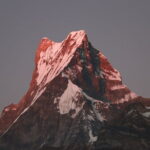
- Day 4-6: Machhapuchhare Base Camp and the Annapurna Sanctuary
- Day 7-8: Jhinu Danda hot spring and the drive back to Pokhara
- The view factor: why weather timing can make your whole trip
- Price and value: what $370.29 really includes
- Who this trek suits best
- Practical tips before you go (so the trek feels smooth)
- Should you book the Golden Mountain Annapurna Base Camp Trek?
- FAQ
- Is pickup and drop-off included?
- What is the total duration of the trek?
- Are meals included?
- What permits are included?
- Do I get an English speaking guide?
- Is a porter included?
- What accommodation is provided?
- What transportation is included?
- Is this a private trip?
- What happens if the trek can’t run due to weather?
Key things that make this trek worth your attention
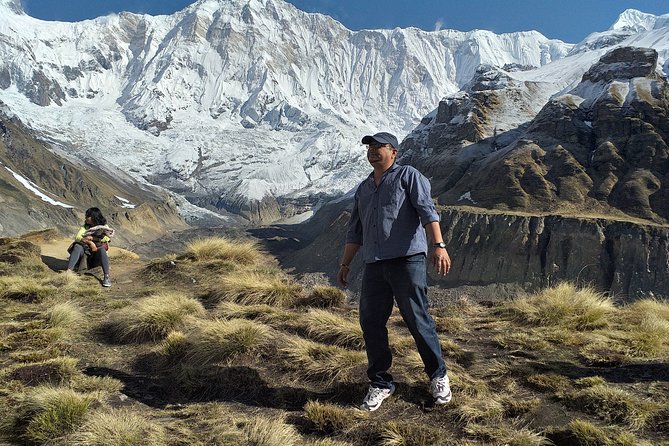
- Government-authorized trekking guide who explains nature and culture as you walk
- 1 local porter included, so you are not stuck hauling your pack all day
- Tea house accommodation included for the overnight stays
- Permits included (Trekking permit and TiMS card), which saves you hassle before you start
- Route includes Jhinu Danda hot springs, a great recovery stop
- Private group format, plus car transfers that reduce stress on travel days
Entering the Annapurna circuit from Pokhara: the route logic
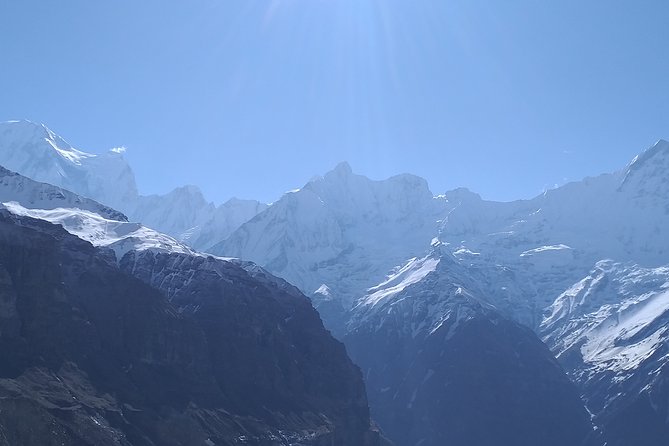
This trek is designed around Pokhara, which is a big win for most people. You start with hotel pickup and drop-off, and you’re also moved by car from Pokhara to the trail access point at Phedi. On the way out, you’ll trek to Nayapul and then drive back to Pokhara using a private car.
That matters because Annapurna treks can feel chaotic if you’re trying to coordinate transport on your own after long walking days. Here, the big travel pieces are handled, which keeps you from burning energy on logistics instead of your actual trek.
Another detail I appreciate: the itinerary keeps the walking days fairly “standard trek-day length,” with listed durations like 5 to 6 hours for most days. You still have climbs and descents, of course, but the pacing is readable. It’s easier to plan your daypack and your energy when you know what the timeline looks like.
One more practical note: this is a private trip. That can mean your schedule stays more consistent with your group, and you’re not squeezed into a mixed group dynamic.
You can also read our reviews of more tours and experiences in Pokhara.
Your trekking team: government-authorized guidance and porter support
The trip promises an experienced, government-authorized trekking guide and 1 local porter. The guide role is not just “lead the way.” The description emphasizes that your guide will explain nature, culture, and the trekking experience as you go. That kind of context turns basic scenery into something you actually understand as you pass through villages and trail sections.
You’ll also be trekking with an English speaking guide. In practice, that helps a lot on a trek where questions pop up all the time: which direction you’re walking, what you’re seeing, and how to handle changes in pace or weather.
From past Annapurna bookings with this operator, people have highlighted specific guide support and responsiveness. Names that came up include Dadhi Ram Thapa for being helpful and dependable, and Gobind for motivation and support on another trekking experience arranged by the same company. While you cannot assume a specific person will be your guide, it’s still a useful signal: the company has a track record of matching trekkers with guides who pay attention to people, not just route points.
About the porter: the trip states that you do not need to carry anything. That’s a big deal if you want to keep your body fresh for steep or uneven trail sections. Even if you still carry a small day item (like water or layers), the “main load” is what matters most for comfort.
Tea houses and meals: what’s included and what you’ll pay for
This trek includes tea house accommodation for the overnight nights. Tea houses are the most common style of lodging on the Annapurna trail system, and they typically give you a warm-ish base after a day of hiking. Since accommodation is included, you can pack with less uncertainty about where you’ll sleep each night.
Meals and drinks are not included, though. That means every meal is something you’ll need to purchase along the way. If you’re used to trips where breakfast, lunch, and dinner are packaged, this will feel different.
My advice: plan your daily food budget early. Also, remember that on high-traffic trekking routes, hunger hits at predictable times: late morning snack, mid-afternoon energy top-up, and a real meal after you’ve settled for the night. When meals are not included, you’re the one responsible for timing and spending—so it’s better to be intentional than surprised.
Day-by-day on the Annapurna Base Camp trek route
Day 1-3: Phedi Khola, Tolkha, Chhomrong, and Bamboo
On Day 1, you drive to Phedi and trek to Tolkha. The listed trek time is about 5 hours. This is a classic “start your trekking rhythm” day. Expect it to feel like you’re warming up into the routine of steady walking, checking your pace, and learning how your legs feel after the first hour.
On Day 2, you trek up to Chhomrong, with about 6 hours listed. Chhomrong is a name trekkers know for a reason: it’s often a meaningful village stop on the way deeper into the Annapurna region. For you, the value here is that Chhomrong gives you a real cultural immersion moment, not just mountain time.
On Day 3, the trek runs about 6 hours from Chhomrong toward Bamboo (Dovan). Bamboo is where the trail begins to feel more “forest-and-ridge” in many seasons, and it’s usually a solid transitional day—long enough to feel accomplished, not so long that you’re exhausted before you even reach the core base camp zone.
What to keep in mind: the itinerary’s consistent 5–6 hour framing on these days means you’ll want to move efficiently early on. If you start slow every day, you’ll pay for it later. If you start too fast, you’ll also pay for it. The sweet spot is steady effort with short breaks—exactly the kind of pacing a good guide helps you dial in.
Day 4-6: Machhapuchhare Base Camp and the Annapurna Sanctuary
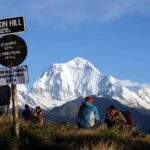
Day 4 pushes you toward Machhapuchhare Base Camp in about 5 hours. This is one of those days where the “destination name” sounds dramatic because it is. The trail time is shorter than some others on the route, which can be a nice reset if your body needs it.
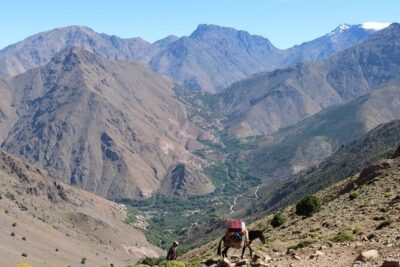
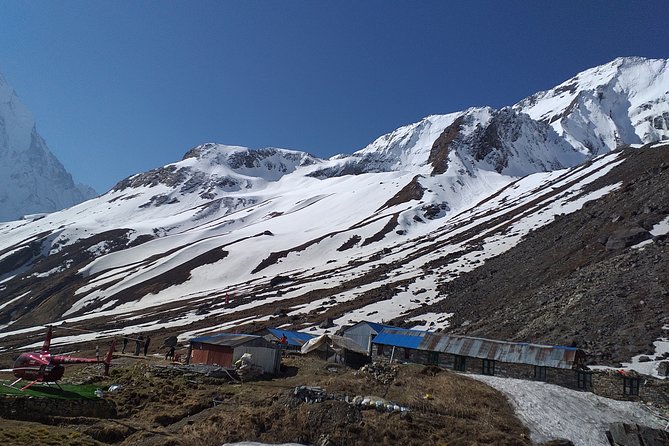
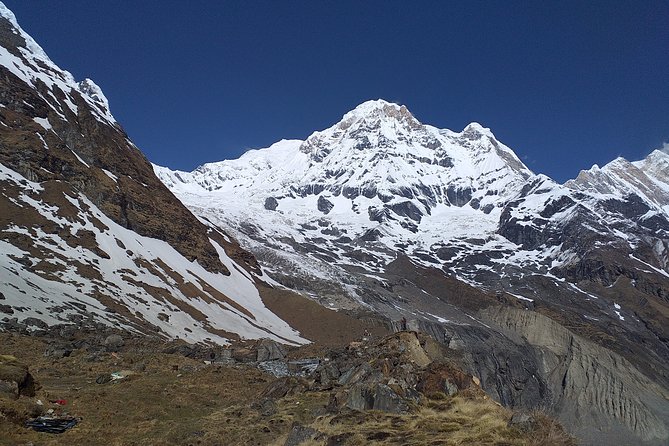
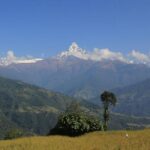
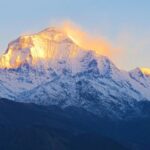
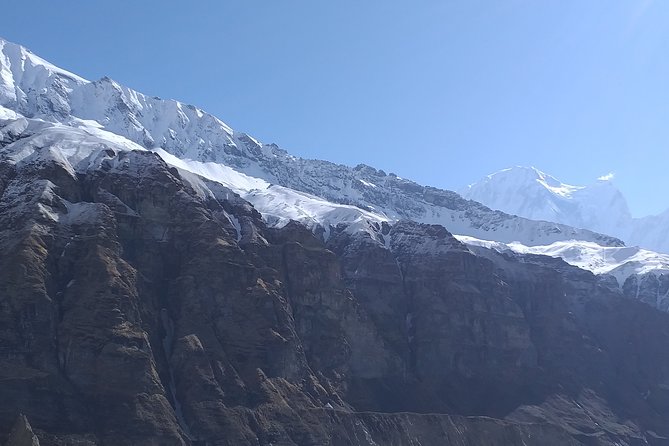
Day 5 is the most “wow” day in the text: you head into the Annapurna Sanctuary, described as a desert wilderness surrounded by the Annapurna Himalayas and the Annapurna glacier. The itinerary lists a shorter duration here, about 3 hours. That often happens on trekking days that are more about reaching a viewpoint or a key natural zone than clocking huge miles.
Also, the sanctuary description is specific about what you should be looking for: glaciers and the surrounding peak walls. When the weather cooperates, this is exactly the kind of day where you’ll understand why people come to the Annapurna region instead of just trekking for exercise.
Day 6 brings you back toward Bamboo, with 6 hours listed. This is a reminder that even after a big sightseeing day, your trek still includes recovery walking. In a good guide-led trip, you’ll treat Day 6 as a “keep your body moving, don’t rush your breathing” day.
A quick heads-up: the itinerary promises a trek that needs good conditions. Your day-to-day pace can feel very different if visibility drops. The good news is that the operator’s cancellation/weather approach is designed to protect you if poor weather forces changes.
Day 7-8: Jhinu Danda hot spring and the drive back to Pokhara
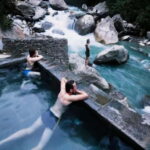
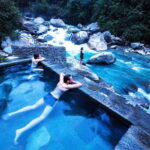
Day 7 is a bright spot: Jhinu Danda and the natural hot spring bath. The trek duration here is listed as 6 hours. This is the classic reward after days of walking. Even if you don’t love cold mornings on the trail, a hot spring recovery stop can genuinely change how you feel the next day.
Then Day 8 finishes with a trek to Nayapul and a private car transfer back to Pokhara. The itinerary lists about 7 hours total. It includes the drive and your hotel transfer once you arrive in town, so you should plan an easy evening after you get back.
This matters for your overall trip quality. Ending with a car ride and a hotel transfer removes the “where do I sleep now?” pressure, which can be stressful when you’re tired after a trek.
The view factor: why weather timing can make your whole trip
Weather can turn Annapurna from spectacular to plain. This operator’s policy notes that the experience requires good weather, and if it’s canceled due to poor weather you’ll be offered a different date or a full refund. That’s a straightforward safety net, and it also tells you something: the success of the trek depends on visibility.
In previous Annapurna bookings with this company, one theme that came up was luck with amazingly clear weather. When skies are clear, you get the full benefit of the route’s named zones: the Annapurna Sanctuary setting, the surrounding peaks, and the glacier views tied to that day.
So my advice: keep expectations flexible. If visibility is great, you’ll feel like you’re walking inside the postcard. If it’s not, you can still have a meaningful trek, but you’ll want to lean on the cultural and guiding explanations to keep the experience rich.
Price and value: what $370.29 really includes
At $370.29 per person, the real question is not just how much you pay. It’s what you’re not paying separately.
From the included list, your money covers:
- Hotel pickup and drop-off in Pokhara
- Trekking permit and TiMS card
- English speaking trekking guide
- Transfer from Pokhara to Phedi and Nayapul to Pokhara by car
- Tea house accommodation
- Private trip format
- A 1 local porter (and the trip framing that you do not need to carry anything)
Meals and drinks are not included, and rescue costs in an emergency are also not included. But the core trek infrastructure is handled. For many travelers, permits and transport are the two biggest “hidden time sinks” when you plan on your own. Having them included is real value, especially when you’re arriving from Kathmandu or elsewhere and you’d rather focus on adjusting to Nepal and preparing for a safe trek.
Also, the “group discounts” note is a bonus if you’re traveling with friends or a small group. Private trekking can cost more than group tours, but you’re also getting fewer compromises.
Who this trek suits best
This trek is a good fit if you want:
- An Annapurna Base Camp route that’s guided and permit-backed
- A private experience for your group
- Porter support so you can keep your effort focused on walking
- Tea house nights instead of camping logistics
The description calls for moderate physical fitness. That’s important: you’re not expected to be a mountaineer, but you should be comfortable with sustained multi-hour hiking days like the ones listed.
It might be less ideal if you:
- Want fully included meals and drinks
- Expect to carry absolutely everything yourself (this one is framed so you do not need to carry anything)
- Have very limited flexibility about weather-dependent trekking conditions
Practical tips before you go (so the trek feels smooth)
- Plan for food purchases each day. Since meals aren’t included, bring budgeting discipline and be ready to eat on schedule.
- Pack for variable trail days. Even if your main gear is light, you’ll still want layers for early starts and temperature changes.
- Use your guide’s explanations. Ask questions when you can. This trip is built around learning nature and culture, not only hiking.
- Bring a simple mindset for hot spring day. After Jhinu Danda, plan to move slowly and let your body recover rather than rushing.
If you’re used to “checkpoints only” trekking, you might be surprised by how much the route’s day pacing depends on steady movement. Treat each day as training for the next one, not as one big race.
Should you book the Golden Mountain Annapurna Base Camp Trek?
I’d book it if you want a guided, permit-covered Annapurna Base Camp trek that keeps the hard parts manageable: transport to trailheads, tea house nights, and a porter so you can focus on the hike. The pricing looks fair when you count the permits, car transfers, and guide time, and the itinerary includes a strong recovery moment at Jhinu Danda hot springs.
I would pause before booking if you rely on meals and drinks being included, or if you’re extremely weather-sensitive about having perfect skies. Since the experience requires good weather, you should be ready for date adjustments if conditions are poor.
Overall, this is a solid “real trek” setup for people who want Annapurna without turning the trip into a logistics project.
FAQ
Is pickup and drop-off included?
Yes. The package includes hotel pickup and drop-off in Pokhara.
What is the total duration of the trek?
The trek is listed as 8 days (approx.).
Are meals included?
No. All meals and drinks are not included and you can purchase them during the trek.
What permits are included?
The package includes a Trekking permit and TiMS card.
Do I get an English speaking guide?
Yes. An English speaking trekking guide is included.
Is a porter included?
Yes. The description includes 1 local porter, and the trek is framed as you not needing to carry anything.
What accommodation is provided?
You’ll stay in tea house accommodation on the trek.
What transportation is included?
You get transfers by car: Pokhara to Phedi at the start, and Nayapul to Pokhara at the end, plus transfers to your hotel in Pokhara.
Is this a private trip?
Yes. It’s listed as private, meaning only your group participates.
What happens if the trek can’t run due to weather?
The experience requires good weather. If it’s canceled due to poor weather, you’ll be offered a different date or a full refund.
If you want, tell me your travel month and your hiking comfort level, and I’ll suggest how to pace this 8-day itinerary and what to prioritize day to day.