REVIEW · KATHMANDU
Kathmandu: 15-Day Everest Base Camp Trek with Guide
Book on GetYourGuide →Operated by Outshine Adventure Pvt Ltd · Bookable on GetYourGuide
A Himalayan trek, planned down to details. What makes this one stand out is the small-group setup and the help from a licensed English Sherpa guide, both of which make the whole journey feel more human. One thing to consider: flights into Lukla can be weather-dependent, and your route may need adjusting.
I also like that the package handles a lot of the “admin friction” for you: private transfers in Kathmandu, hotel nights before the mountains, and the trekking paperwork. Still, you’ll want to budget extra for airfare and trek meals since those aren’t included.
In This Review
- Key Highlights You’ll Feel on the Trail
- Kathmandu First: Durbar Square, Temples, and Getting Your Bearings
- The Lukla Flight and Your First Walk Toward Phakding
- Namche Bazar: Your Acclimatization Hub With Big Views
- Tengboche and the Monastery Ridge Views
- Dingboche: Sherpa Villages, Glaciers, and Chhukung’s Promise
- Lobuche and Gorakshep: When the Trek Gets Serious
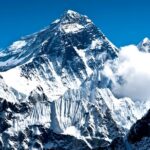
- Kalapathar Morning: The View Chase You’ll Remember
- Lukla Back and Kathmandu Recovery Mode
- Price and Logistics: What $675 Really Buys You
- Guide Quality and Group Feel: Names Worth Noting
- Who Should Book This Everest Base Camp Trek
- Should You Book It
- FAQ
- How long is the Kathmandu Everest Base Camp trek?
- Where does the tour start?
- Is the trek guided?
- What permits are included?
- What kind of accommodation is provided?
- Is airfare included?
- Are meals included during the trek?
- What should I bring?
Key Highlights You’ll Feel on the Trail
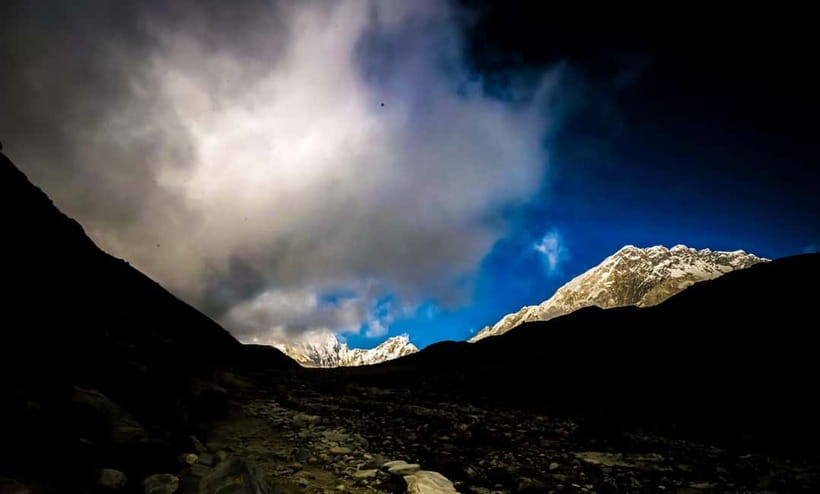
- Small-group, tailored pacing that keeps things more personal.
- Licensed English-speaking Sherpa guide who shares cultural context along the way.
- Kathmandu culture day with stops at major heritage sites before you start trekking.
- Acclimatization built in, including a rest day in Namche plus a hike toward Everest View Hotel.
- Guesthouse stays on the trek rather than camping-style logistics.
Kathmandu First: Durbar Square, Temples, and Getting Your Bearings
Day 1 is straight-forward: you arrive at Kathmandu Airport, then you get a private transfer to your hotel. You also receive trek info from your guide—this is genuinely useful because Everest trekking is part planning, part patience.
Day 2 is your culture warm-up in a private car: Kathmandu Durbar Square, Swayambhunath, Boudhanath, and Pashupatinath (the cremation temple). This matters because your trek won’t be only “mountains and miles.” You’ll walk through Sherpa communities where Buddhism is part of daily life, and those first impressions help you read what you’re seeing later. If you’re the type who likes to understand the why behind the sights, this day will land well.
One practical note: you’re going from city altitude and traffic energy into flight schedules and trail routines. A Kathmandu day tour is a smart way to turn jet lag into orientation, not wasted time.
You can also read our reviews of more tours and experiences in Kathmandu.
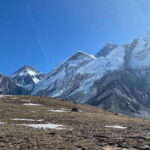
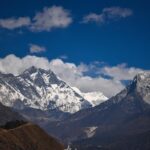
The Lukla Flight and Your First Walk Toward Phakding
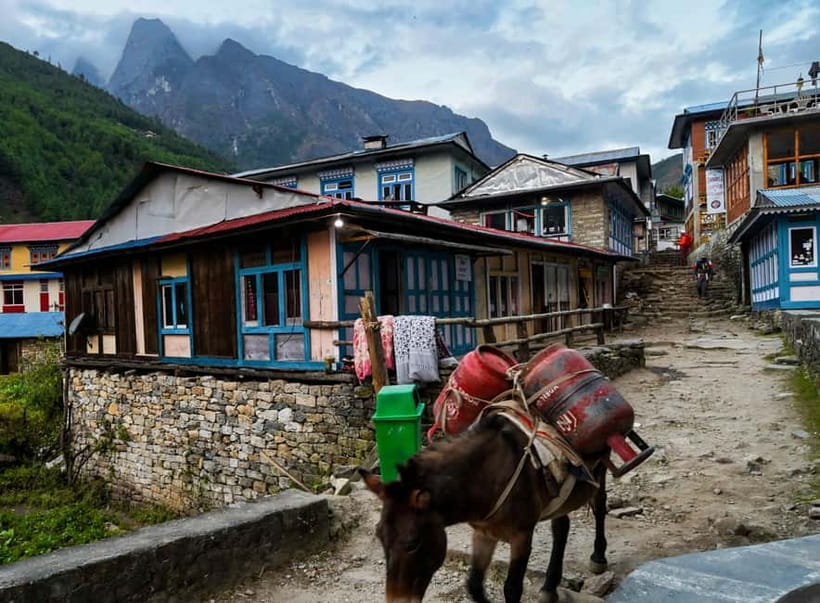
Day 3 begins with a flight from Kathmandu (listed as Ramechhap) to Lukla, then an easy trek to the upper region of Phakding for the night. That “easy day” is doing a job: it lets your legs wake up, and it helps you settle into high-country rhythm before you start climbing toward Namche Bazar.
But here’s the reality check you should plan around: Lukla flights can be disrupted by weather. In one case from the trip feedback, a booked Everest Base Camp plan couldn’t be completed because flights didn’t go as expected. The company adjusted with an alternative plan, but the key point for you is simple—build flexibility into your expectations when your trek depends on air access.
If you’re prone to stress with schedule changes, consider giving yourself a little emotional buffer for the Lukla leg.
Namche Bazar: Your Acclimatization Hub With Big Views
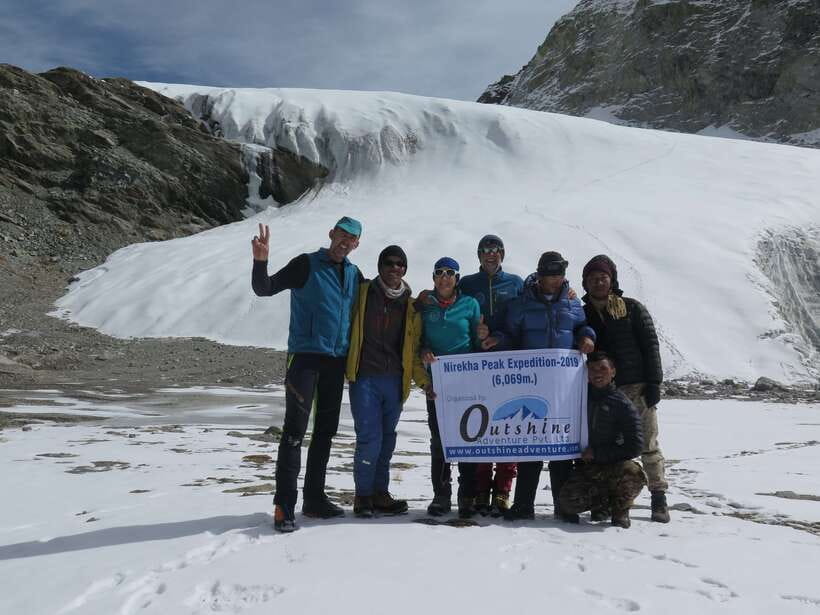
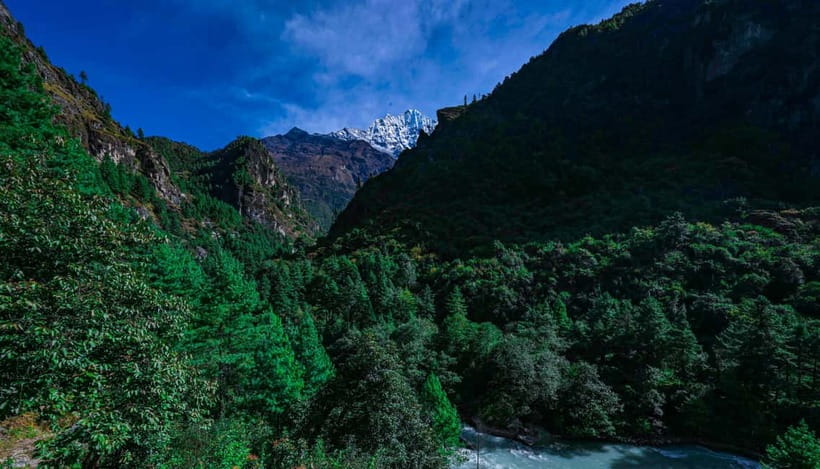
Day 4 is the climb to Namche Bazar, following the Dudh Koshi valley. You’ll see rhododendron forests and snow-capped peaks along the way, and when you arrive, Namche acts like the staging area for the rest of the Khumbu. It’s not just convenient. It’s also where you’ll start recognizing the Everest-region “style” of trekking—guesthouses, trail flow, and the way Sherpa culture shows up in everyday conversation and signage.
Then Day 5 is a rest day in Namche to acclimatize. The itinerary includes a hike to Everest view point Hotel Syangboche at 3,850 meters. Even though it’s labeled a rest day, it’s still active enough to help your body adjust. This approach tends to work better than pushing higher every single day, especially if you want to avoid feeling wrecked later when the route gets steeper and colder.
Why this is valuable: it’s not just for safety in theory. It changes how you enjoy the later days. If you arrive at Tengboche and Dingboche feeling more adjusted, you’re more likely to have the energy for the viewpoints and the slower trail moments.
Tengboche and the Monastery Ridge Views
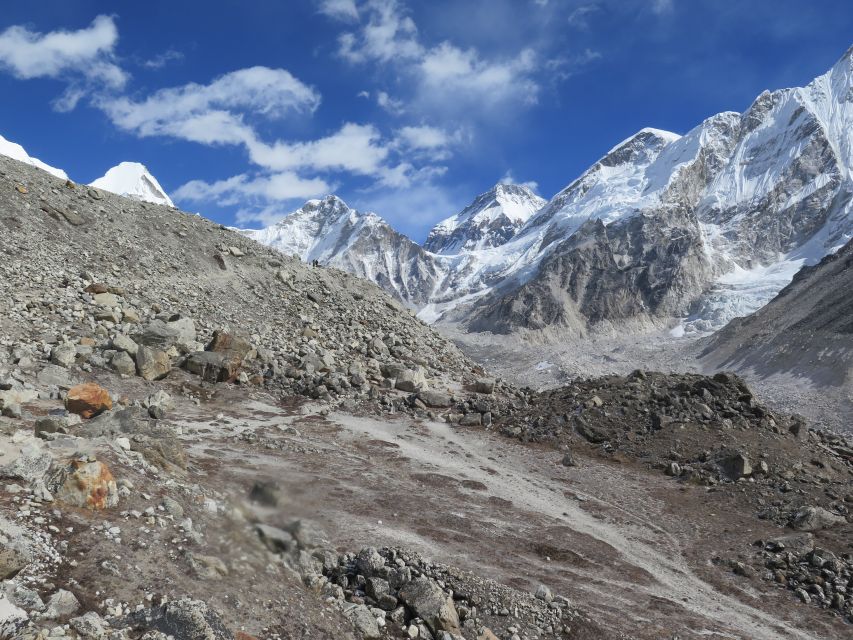
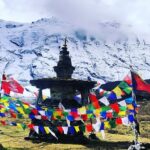
Day 6 takes you from Namche to Tengboche. The route climbs through high altitudes and chilly weather, then you reach Thyangboche Monastery, positioned on a ridge at 3,867 meters. This stop is more than a photo break. Monasteries in the Everest region are part of the rhythm of trekking—people pause, visitors learn, and you often feel how the community uses the mountains in daily meaning.
It’s also a good mental reset day. Tengboche usually feels like the moment when your Everest trek becomes fully “real,” because the monastery setting gives the scenery structure: you’re not just passing landmarks, you’re visiting a living cultural site.
Practical consideration: monasteries can be calm, but the weather can still be sharp. Pack your sunglasses and wear comfortable shoes, because the trail surfaces and temperatures can shift quickly.
Dingboche: Sherpa Villages, Glaciers, and Chhukung’s Promise
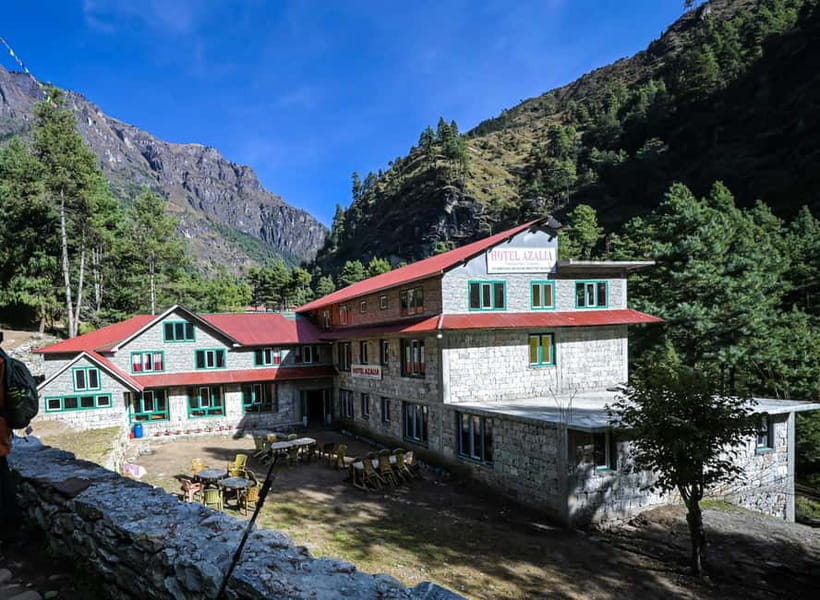
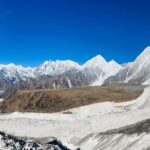
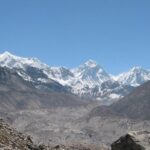
Day 7 continues toward Dingboche, passing through Imja Khola, Pangboche, and Pheriche. This is where the trek becomes more village-to-village, not just point-to-point. You’ll get insight into the local way of life as you pass through these communities, and you’ll also get your first closer look into the Khumbu glacier area after a few hours of trekking.
Day 8 is a day trip to Chhukung Valley and back to Dingboche. The itinerary describes it as one of the world’s best hikes, which is exactly the kind of claim you should translate into your own expectation: you should plan for a day that feels scenic and physically engaging, not a “sit and recover” day.
Why this pair of days matters: Dingboche gives you the cultural connection, and Chhukung adds the payoff. If you want one or two big “view days” in the middle of your trek, this is where you’ll likely feel it.
Lobuche and Gorakshep: When the Trek Gets Serious
Day 9 goes from Dingboche to Lobuche. You’ll rest there and admire the design of nature. It’s a small line in the itinerary, but the point is big: Lobuche is part of the approach zone where the terrain starts to feel more like the gateway to Everest Base Camp, not just the “middle of the trek.”
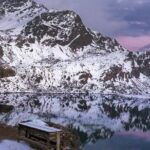
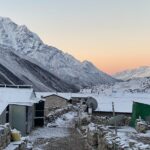
Day 10 is the move from Lobuche to Gorakshep, described as a small settlement on the shores of a frozen lake. Gorakshep is your departure base for Everest Base Camp efforts, and it’s also where the trek shifts from “journey” to “mission.”
This is also a day when you’ll likely notice how much the mountain affects daily decisions. You’ll be tired, your time windows may tighten based on weather and visibility, and your schedule depends on what’s safe on the trail. Even if you’re feeling strong, don’t treat it like a normal hike day.
Kalapathar Morning: The View Chase You’ll Remember
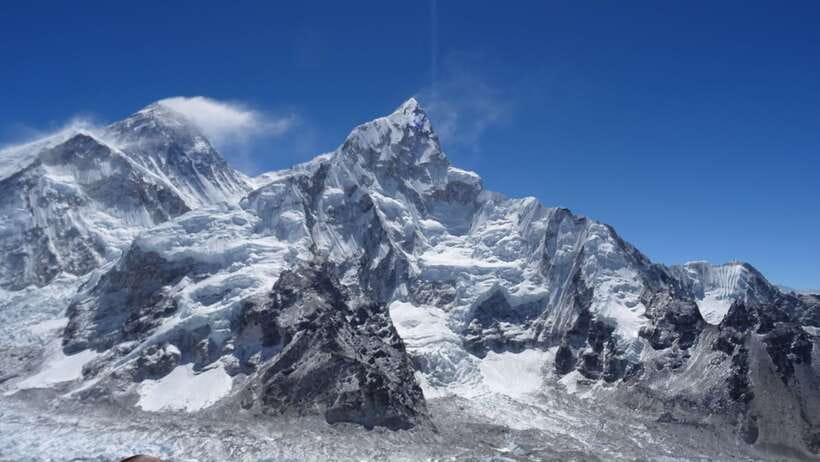
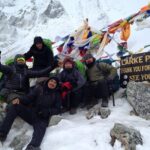
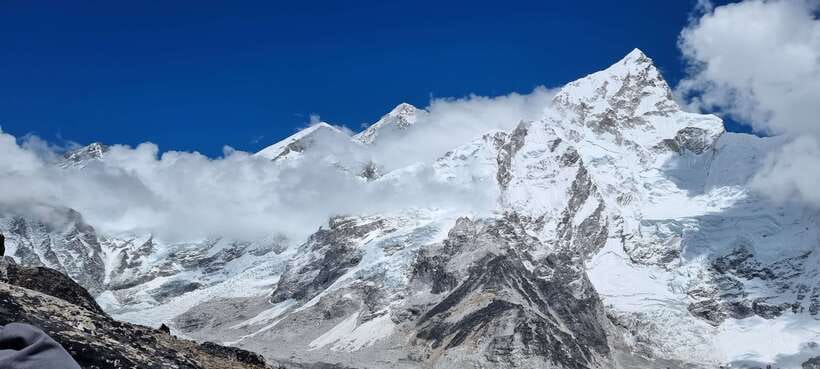
Day 11 is early: hike to Kalapathar and then return toward Pheriche. The itinerary frames Kalapathar as a fantastic view morning, which fits how most Everest trekkers remember this area—time matters here. If the skies cooperate, this is the day where everything clicks.
Even when weather isn’t perfect, the effort still has meaning, because you’re moving through an environment where weather is part of the story. One feedback point noted that cloudy and rainy weather sometimes obscured views on several occasions, but the morning in Gorak Shep still delivered a clear Everest sighting. That’s your reminder to take the “morning chance” seriously.
Day 12 is the long descent back to Namche Bazaar, with another stop for acclimatization. Going down isn’t always easier on the body, but it tends to be easier on your mindset because you’re moving away from the highest altitudes.
Lukla Back and Kathmandu Recovery Mode
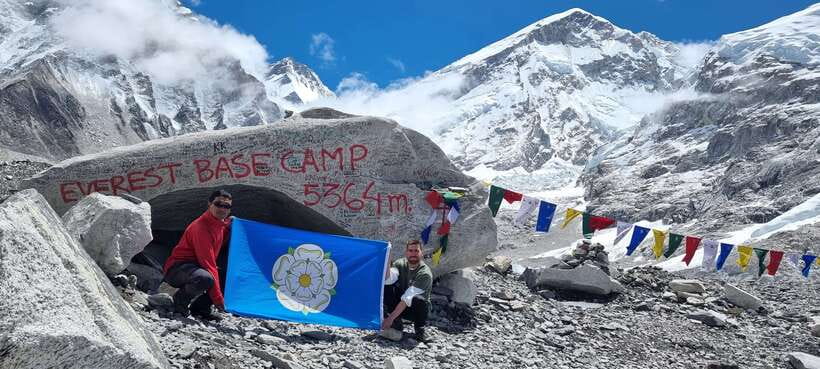
Day 13 returns to Lukla after a long walk—your last main trek push. Once you’re back at Lukla, you’re no longer fighting trail altitude the same way. Your focus becomes transit readiness.
Day 14 is the flight back to Kathmandu, then you rest in a hotel to recover. This matters more than people think. A trek like this changes your balance, your feet, and your sleep. Building in a full recovery night is part of why trekking packages work better than DIY plans.
Day 15 is simple: private transfer to the international airport for departure.
Price and Logistics: What $675 Really Buys You
At $675 per person for 15 days, the value question is less about “cheap versus expensive” and more about what’s included—and what isn’t.
What you get that reduces your burden:
- Private airport/hotel pick-up and drop-off in Kathmandu (3 nights hotel in Kathmandu included).
- Guided city tour in Kathmandu by private car.
- Best available guest houses during the trek.
- Expert licensed English-speaking Sherpa guide.
- Everest National Park permits and TIMS trekking permit.
- Down-filled jacket and sleeping bag if needed, which can save you luggage space and last-minute gear shopping.
- Staff support costs covered: food, accommodation, salary, insurance, equipment, and medicine for all staff.
- Government taxes included.
What you’ll need to budget separately:
- Airfare for Kathmandu (Ramechhap)–Lukla–Kathmandu (Ramechhap), listed as optional to reserve/book on your request.
- Breakfast, lunch, and dinner during the trek (not included).
- Travel insurance (not included).
- Porters are optional, and if added they’re shared with two people.
- Drinks and alcohol are not included.
So is it good value? For me, it looks strongest if you want a structured, guided trek where permits and core gear support are handled, and you don’t want to babysit the logistics of accommodations and paperwork. If you’re also the kind of traveler who benefits from a guide’s mountain experience and on-the-ground care, the guide component becomes the real price justification.
Also, check what “small group” means in practice for your departure date. The listing promises a more intimate feel, and based on how the team is described, you should expect that personal attention is part of the product.
Guide Quality and Group Feel: Names Worth Noting
The guides and organizers come up repeatedly in the feedback. Names you might hear include Kale Prakash (praised for care when someone got sick), Kali (described as a lovely guide), Gokul (credited with organizing the stay and helping avoid problems at the end), and Dillisher Katuwal (called world class for both experience and safety).
You’re not buying a “mountain pass.” You’re buying decision-making help: how fast to go, when to push, how to interpret weather, how to understand cultural moments without turning them into a checklist. In a trek where altitude and schedules both matter, a strong guide can make days feel smoother and less scary.
I also like the way the trip is framed to connect you with fellow trekkers. In real terms, that means you’ll likely share the trail rhythm and viewpoint timing more than you would on a totally solo approach.
Who Should Book This Everest Base Camp Trek
This is a solid fit if you want:
- A guided Everest Base Camp attempt with included permits and a licensed English Sherpa guide.
- A moderate, acclimatization-aware itinerary (Namche rest day plus hikes before higher sections).
- Guesthouse comfort rather than camping logistics.
- A mix of culture and trekking, starting with Kathmandu’s major sites before you head uphill.
It may not be ideal if:
- You have zero tolerance for schedule changes, because Lukla weather can interrupt plans.
- You need wheelchair accessibility, since it’s listed as not suitable for wheelchair users.
If you’re debating between an Everest trek and another option, also consider what you’d do if flights don’t cooperate. The feedback shows the organizer can switch plans (even offering alternatives), but the point is: plan for a small chance your exact Everest Base Camp goal could change.
Should You Book It
I’d book this trek if you value structure, a real guide, and included support that reduces your admin workload. The Namche acclimatization day, the monastery stop, and the Kalapathar morning are exactly the kind of “high payoff” items you want in an Everest itinerary.
But I’d hesitate if you’re set on a strict schedule with no flexibility. Add travel insurance, budget extra for trek meals and Lukla airfare, and mentally prepare for weather-driven changes. If you do that, this looks like a well-run way to experience Everest—without turning your trip into a logistics project.
FAQ
How long is the Kathmandu Everest Base Camp trek?
The duration is 15 days.
Where does the tour start?
It starts in Kathmandu. You also get pickup included from Kathmandu International Airport.
Is the trek guided?
Yes. You’ll have an English-speaking Sherpa guide who is described as licensed.
What permits are included?
The package includes Everest National Park permits and TIMS (trekking permits).
What kind of accommodation is provided?
In Kathmandu, you get standard hotel accommodation for 3 nights. During the trek, you’ll stay in guest houses.
Is airfare included?
No. Airfare from Kathmandu (Ramechhap) to Lukla and back is not included, though optional services can reserve or book flights on request.
Are meals included during the trek?
No. Breakfast, lunch, and dinner during the trek are not included.
What should I bring?
The tour lists comfortable shoes and sunglasses as what to bring. It also says a down-filled jacket and sleeping bag are provided if needed.