REVIEW · KATHMANDU
Manaslu Circuit Trek 8th Highest in the World
Book on Viator →Operated by Adventure Glacier Treks & Expedition · Bookable on Viator
Manaslu feels remote for a reason. This trek circles Manaslu (8,163 m) through a restricted region with strict permit rules, so the days feel quieter and more real than the busier Nepal routes. What I like most is the day-to-day scenery shift—river valleys, forest walks, Tibetan-influenced villages, and sudden big mountain reveals.
I also like the human side: a professional local team with guide Roshan and porter Sudip (and other skilled staff like Dil and Samir) shows up as calm, helpful, and focused on keeping you comfortable and moving safely. The main consideration: this is not a stroll. You need strong fitness for long days, cold mornings, and an early push over Larkya La with wind risks after midday.
In This Review
- Key points before you go
- Restricted Permits and Local Rules: Why Manaslu Doesn’t Feel Like a Typical Trek
- Kathmandu Setup Days: Gear Check, Cultural Warm-Up, and Not Wasting Time
- The Early Drive to Machha Khola: Your First Taste of the Real Nepal Road
- River Valley Days and Tatopani: Waterfalls, Slides, and First Ridge Views
- Sirdibas to Ghap: Forest Work, Cooler Nights, and the Trek Getting Serious
- Namrung and Samagaun: Tibetan Influence and the First Close-Up Sense of Manaslu
- Samdo and the Optional Tibetan Border Side Trip: Choose Adventure or Ease
- Larkya La Pass: The Sunrise Start, Wind Timing, and Why a Torch Helps
- Downward Momentum: Dharapani, the Annapurna Circuit Connection, and Jagat
- Back to Kathmandu: Shared Jeep to Besisahar and the Easy Landing
- Price and Value: Is $1,600 Worth It on a Restricted Trek?
- Guides, Porters, and the Kindness Factor That Changes Everything
- Fitness Reality Check: What Strong Fitness Means Here
- Season Notes From Real Trek Timing: November and March Can Work
- Should You Book the Manaslu Circuit Trek?
- FAQ
- What is the duration of the Manaslu Circuit Trek?
- Where does the tour start and end?
- Does the tour include airport pickup and drop-off?
- What permits are included?
- Are meals included during the trek?
- Is accommodation included?
- Is there an optional side trip during the trek?
- Do I need a torch for the pass day?
- What’s not included in the price?
- What if I need to cancel?
Key points before you go
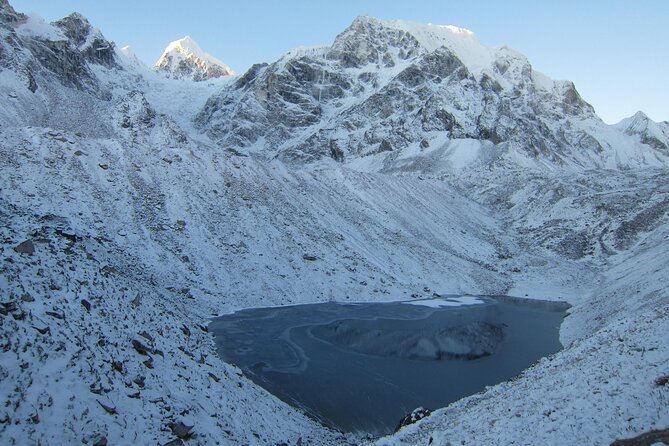
- Restricted-area permits and rules make the Manaslu Circuit feel less crowded and more protected
- Larkya La means early starts and a tough, steep crossing day
- Real village rhythm: Buddhist and Tibetan influence show up as you move through settlements like Salleri, Samagaun, and Samdo
- Optional Tibetan border side trip (8-hour) from Samdo, with a packed lunch
- Meals and guesthouses included on the trek, plus Kathmandu hotel nights to reset before the trail
Restricted Permits and Local Rules: Why Manaslu Doesn’t Feel Like a Typical Trek
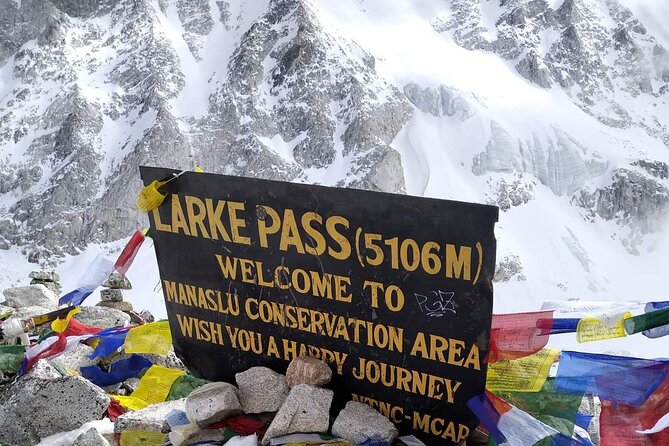
The Manaslu Circuit is famous, but the way it’s run keeps it from feeling touristy. You’re trekking in a restricted area that requires permits, and the process comes with strict rules. The biggest practical point for you: you should expect extra planning around permits, documentation, and who can guide you.
This trek requires trekking with a registered Nepali trekking company, and it also has a rule about having at least two trekking participants in the group (not counting the guide and porter). Even if you book something described as private, the reality is that the permits and compliance still have to work out. If you’re traveling solo, this is one of those moments where you want to confirm how the operator will satisfy the requirement.
The value of all this is simple. Because access is controlled, you get more of what you came for: mountains, villages, and trail life—without the feeling that you’re hiking through a checkout line.
You can also read our reviews of more tours and experiences in Kathmandu.
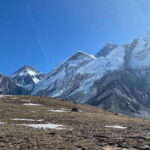
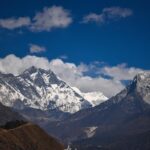
Kathmandu Setup Days: Gear Check, Cultural Warm-Up, and Not Wasting Time
Before the trail gets serious, you get two days in Kathmandu that help you avoid the classic mistake: arriving without the right gear and then scrambling later.
Day 1 starts with a representative meeting you based on your flight time, then getting you into your Kathmandu hotel and setting expectations for the trek. It’s a small thing, but it lowers stress right away—especially if you land tired or jet-lagged.
Day 2 is a smarter move than people realize. You analyze your gear needs, and the team can recommend what to buy, rent, or get from them (if available). This is also where you can explore Kathmandu Durbar Square if you want to keep the trip from feeling all logistics. It’s a good day to walk a bit, get your bearings fast, and let Kathmandu do its job as a buffer before the mountains.
One note for you: the trek includes Kathmandu accommodations (3 nights at tourist standard). But food in Kathmandu beyond breakfast and drinks aren’t included, so I’d plan on budgeting for lunches and dinners while you’re in town.
The Early Drive to Machha Khola: Your First Taste of the Real Nepal Road
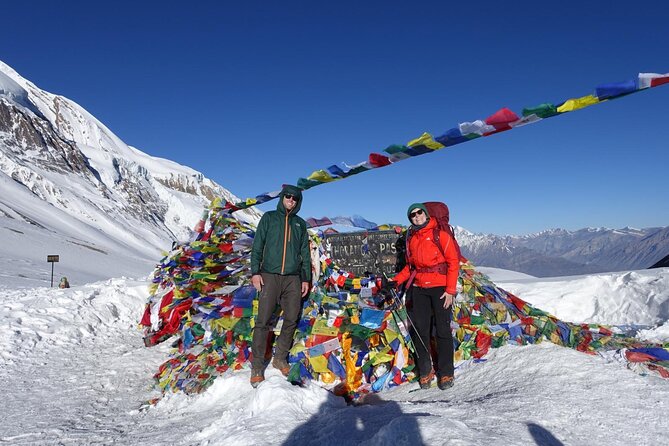
You don’t start by hiking immediately. You drive from Kathmandu toward Machha Khola, and the key detail here is how the ride feels. The road can be lengthy and bumpy, and you should brace yourself for a bumpy bus segment where the goal is simply getting to the trailhead and arriving ready to walk.
This matters because the first hiking day works best when your body isn’t already wrecked. If you tend to get travel-sick, consider packing what helps you most, since road conditions are called out as unpredictable.
You’re also getting a preview of the trek’s theme: this route rewards patience. You’ll see scenery along the way, but you’re not in a hurry—your pace is set by the landscape and the infrastructure.
River Valley Days and Tatopani: Waterfalls, Slides, and First Ridge Views
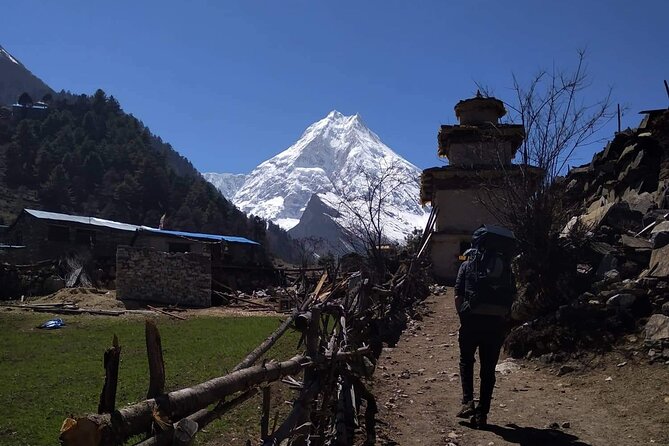
Day 4 brings the first real hiking rhythm. You cross a river and ascend to Khorla Besi from Machha Khola, walking along a beautiful river valley. The trail passes by waterfalls and landslides. That’s one of the honest realities of trekking in Nepal: you’re moving through terrain shaped by water and geology, so you’ll see both beauty and evidence of the mountain at work.
Then you reach Tatopani village, known for natural hot springs. This is the kind of stop that gives you something more than just a bed at night. A soak can help your legs recover for the next walking day.
Day 5 is where you start catching your first bigger visual payoffs. You trek down to Sirdibas (1,430 m) and you’ll see your first signs of Buddhist culture. Then you continue toward Salleri (1,440 m) along a rocky ridge.
The payoff: wonderful views of Sringi Himal (7,187 m). It’s not Manaslu yet, but it’s a taste of how the views build, step by step.
Sirdibas to Ghap: Forest Work, Cooler Nights, and the Trek Getting Serious
As you move through the middle portion, the trek leans more into walking through forests and valleys. Day 6 takes you down to the SringiKhola Valley, crossing the river, and then hiking through forests until you reach Ghap.
What I like about this stretch is how it balances effort and reward. You’re still in a lower-elevation rhythm, but you can feel the ascent. The trek description also notes cooler nights and Himalayan views becoming part of your daily experience. That’s your body adjusting to the altitude climb without immediately throwing you into the harshest conditions.
Also, expect guesthouse nights. On this trek, your accommodation in the guesthouse is included, which is a relief because you won’t be making decisions about where to sleep each day.
Namrung and Samagaun: Tibetan Influence and the First Close-Up Sense of Manaslu
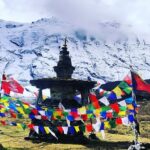
Day 7 pushes the cultural angle more strongly. You trek toward Samagaun, and the description calls out Tibetan culture having a strong influence in this area. You’ll notice cliffs disappearing as you move toward the valley with views of Manaslu (8,163 m), Manaslu North (7,157 m), and Naike Peak (5,515 m).
This is the day (or close to it) where the trek shifts from being about hiking to being about seeing. When mountains suddenly feel close—when you can name peaks and track them in your mind—it changes the whole experience.
From a practical angle, you’ll want to keep your camera and phone charged, but also accept that charging options can be limited as you go higher. I’d plan to conserve battery from Samagaun onward.
Day 8 moves you to Samdo. The trail appears easier that day, mostly flat through juniper and birch forests via KermoKharka, then hiking down to cross a river near the merging of the Budhi Gandaki and Shyale Khola. This kind of day is valuable. It gives you recovery time before the pass season.
Samdo and the Optional Tibetan Border Side Trip: Choose Adventure or Ease
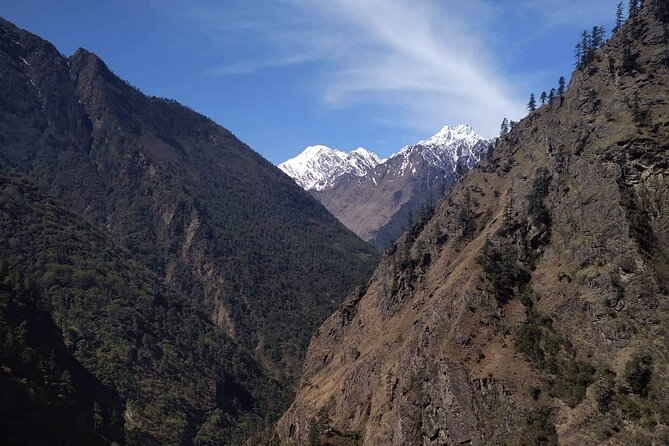
Day 9 centers on Samdo again, with one big decision: take an optional 8-hour side trip to the Tibetan border, or explore Samdo at a slower pace.
If you pick the side trip, you’ll go with packed lunch and plenty of drinking water. That’s a key detail because longer walks in thin air go through water faster than you think. The good news is you’re not forced into this. If you’re saving energy for the pass days, walking around Samdo and observing daily life can be a solid choice.
Either way, Samdo is where you start feeling like you’re far from the normal rhythm of Nepal. It’s not just remote—it’s remote in a way that makes your time outdoors feel more grounded and less like a checklist.
Larkya La Pass: The Sunrise Start, Wind Timing, and Why a Torch Helps
Day 10 and Day 11 are pass-focused, and they’re the hardest emotional moments for many hikers.
On Day 10, you descend to 3,850 meters to cross the Budhi Gandaki, then ascend through juniper and tundra, moving in and out of ravines before reaching Larkya Guest House, the final stop before Larkya La. The terrain details here matter because they tell you what to expect: you’re transitioning from river crossing to high, exposed walking where footing and weather matter.
Day 11 starts early. You leave in the morning to catch sunrise over the pass and to avoid strong wind after midday. That timing tip is huge for you. It means you should take rest and pacing seriously the night before. You’re not just hiking; you’re managing wind and daylight.
You’ll also want a torch close by, because the description notes steep, stunning walking over several ridges as you approach and cross. Even if you think you don’t need it, bring one and keep it handy at the top of your pack or where you can reach it quickly.
Downward Momentum: Dharapani, the Annapurna Circuit Connection, and Jagat
After the pass, the trek becomes more about recovery and steady descent.
Day 12 takes you from Bimtang through forests and pastures of the Dudh Khola Valley to Dharapani, where you join the more popular Annapurna Circuit trail thanks to Manaslu. This is a useful phase because you get companionship from more frequent trekkers on the trail, without losing the sense that you completed a more remote route to reach this connection point.
You then hike about 7 hours to Dharapani. Day 13 continues the descent to Jagat (6-hour journey), descending from Dharapani near the Marsyangdi Nadi Gorgeto.
Day 13 also includes an option that’s practical for tired legs: chartering a Jeep considering the roads. That’s not the default plan, but it’s there if your body is waving a white flag.
Back to Kathmandu: Shared Jeep to Besisahar and the Easy Landing
Day 14 is your transition day. The first half uses a shared Jeep to Besisahar, giving you a view of the surrounding village area. After that, you take a bus from Besisahar back to Kathmandu.
I like a final day that’s mostly transport, because it lets you celebrate without needing a long hike. You also get the relief of knowing your end-of-trip plan is handled—no hunting for schedules, no guessing routes.
Price and Value: Is $1,600 Worth It on a Restricted Trek?
At $1,600 per person for about 14 days, you’re paying for far more than footsteps. Your included costs cover a lot of what usually adds up on Nepal treks:
- Airport pick up/drop
- Kathmandu hotel stays (3 nights at tourist standard)
- Ground transportation
- Necessary permits, including a special permit listed at $100
- Guide and porter services, including their expenses, insurance, and equipment
- Guesthouse accommodation on the trek
- Three meals per day as stated in the itinerary
What isn’t included matters too: beverages, tips, your insurance, and personal expenses. Food in Kathmandu beyond the daily breakfast is also not included.
So here’s how I see the value for your money. Restricted-area permitting and compliance rules are expensive and paperwork-heavy. Then you add the cost of guides and porters (with insurance) and the day-by-day food. That bundle is often the difference between a cheap headline price and a smooth trip.
If you care about safety, timing, and not spending your limited vacation time solving logistics, the package structure is what you’re really buying—not just the trail.
Guides, Porters, and the Kindness Factor That Changes Everything
In your head, trekking is about you and the mountains. In real life, it’s also about the people managing details you don’t want to think about.
The feedback you have here points to reliability and warmth. Roshan is repeatedly singled out as a guide who stays aware of your needs, while Sudip as a porter helped the trip feel safe and comfortable. You also see a pattern of attentiveness from the company team—family-run and responsive from the first contact.
Dil and Samir show up as names associated with genuine information and helpful tips, and a feeling of safety that builds trust. That matters because on a pass day, decisions aren’t theoretical. You want a team that handles wind timing, early starts, and steep ridges with confidence.
You’ll also be trekking with a registered operator, which reduces uncertainty around permits and route legality. It’s not glamorous, but it’s the backbone of a trip like this.
Fitness Reality Check: What Strong Fitness Means Here
The trek is described as requiring strong physical fitness, and the route supports that claim.
You’re doing long hiking days, including a serious pass sequence. Day 10 and Day 11 are the big technical/energy focus: descending to cross the Budhi Gandaki, ascending through tundra and ravines, then an early pass crossing with wind management. Even if you’re experienced at hiking, you’ll still need to respect altitude and cold mornings.
My advice: train for steady uphill walking, not just gym cardio. Practice carrying a daypack and get comfortable with uneven footing. Then you’ll spend less time negotiating pain and more time enjoying the route.
Season Notes From Real Trek Timing: November and March Can Work
You can see hints from past experiences booked on this route. One person described November as having perfect weather. Another described March as giving excellent Himalayan views, along with a belief that the Manaslu Circuit is among the best Nepal treks because culture is still alive and scenery changes daily. There’s also a note that August was possible and still turned out well with the company’s assistance.
These aren’t guarantees. But they do tell you that people do book and succeed across different months. If you’re flexible with dates, you’ll have more options when weather tightens.
Should You Book the Manaslu Circuit Trek?
Yes—if you want a remote, restricted-area trekking experience with real cultural texture and a serious high-pass challenge that still comes with good support.
Book it if:
- You like routes that feel less crowded and more controlled by permit rules
- You’re ready for early mornings and the Larkya La crossing day
- You value a local operator with strong guide/porter attention (Roshan and Sudip are names you’ll hear for a reason)
- You want most logistics handled: permits, meals, guesthouses, airport transfers, and Kathmandu hotel nights
Skip it (or ask lots of questions first) if:
- You want an easy hike with no pass pressure
- You’re not comfortable with long travel days and bumpy road transfers
- You don’t meet the strong fitness requirement
If your goal is a thoughtful mountain trek with authentic villages and big peak views that feel earned, this is a compelling pick.
FAQ
What is the duration of the Manaslu Circuit Trek?
It’s listed as 14 days (approximately).
Where does the tour start and end?
It starts at Best Tour & Travel agency in Nepal – Adventure Glacier Treks in Kathmandu, and it ends back at the same meeting point.
Does the tour include airport pickup and drop-off?
Yes, airport pick up/drop is included.
What permits are included?
Necessary permits are included, including a special permit listed at $100.
Are meals included during the trek?
Yes. The tour includes three meals a day (breakfast, lunch, and dinner) as mentioned in the itinerary.
Is accommodation included?
Yes. You get 3 nights accommodation in Kathmandu at tourist standard hotels, plus guesthouse accommodation during the trek.
Is there an optional side trip during the trek?
Yes. From Samdo, there’s an optional 8-hour side trip to the Tibetan border with a packed lunch and plenty of drinking water.
Do I need a torch for the pass day?
The trek description says to keep your torch close by when starting the steep walk over ridges toward Larkya La.
What’s not included in the price?
Beverages, tips, your insurance, personal/nature expenses, and food in Kathmandu except the daily breakfast are not included.
What if I need to cancel?
Free cancellation is available if you cancel up to 24 hours in advance for a full refund. If you cancel less than 24 hours before the start time, the amount paid will not be refunded.