REVIEW · KATHMANDU
10 Days Annapurna Circuit Trek
Book on Viator →Operated by Himalayan Trekking · Bookable on Viator
A whole Annapurna world in ten days. This trekking route strings together spectacular mountain views and real village life, from the Manang district to Mustang’s sacred stops, before ending with a scenic flight over the Kali Gandaki Gorge.
I especially like the way the plan builds toward the big altitude moment. You get day-by-day chances to acclimatize and watch the scenery change, from pine forest and narrow river valleys to high, arid terrain near the pass.
The possible drawback is the altitude and the roughness of the final approach. Day 7 to Thorung Phedi is described as tough with narrow paths and unstable slopes, and with any high-pass trek you’ll want to take it seriously when your body starts to complain.
In This Review
- Key highlights you’ll actually care about
- Ten days on the Annapurna Circuit: why this version feels manageable
- Kathmandu to Besishar plus Manakamana Temple: the trip starts long, so plan your day
- Chame and the Manang gateway: forests, bridges, and the first peak payoffs
- Approaching Manang: pine forests, big close-ups, and Gangapurna Lake time
- Gunsang to Yak-Kharka to Ledar: building strength before the pass
- Jorsang Khola to Thorung Phedi: the tough narrowing before Thorong La
- Thorong La Pass (5,416m) plus Muktinath Temple: the peak day and the sacred reset
- Kali Gandaki descent to Jomsom: arid terrain, Tibetan-style villages, and changing pace
- Flight to Pokhara over the Kali Gandaki Gorge plus Fewa Lake
- Price and what you truly get for $1,430 per person
- Comfort, food, and the people factor: why the guide/porter setup matters
- Who should pick this trek, and who should rethink it
- Should you book this 10 Days Annapurna Circuit Trek?
- FAQ
- How long is the Annapurna Circuit trek in this package?
- Where does the trek start and what time is pickup?
- What is the highest point on the trek?
- How many people are in the group?
- What’s included in the price besides the guiding?
- Are bottled water, alcohol, and air-conditioning included?
- Is the Manakamana Temple stop free?
- Do I need to pay for Muktinath Temple admission?
Key highlights you’ll actually care about
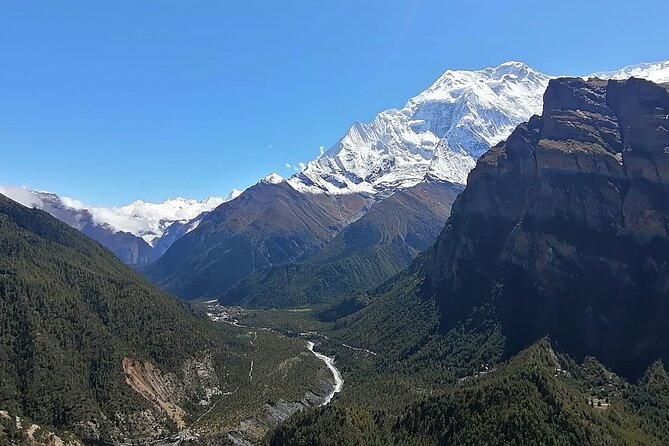
- Thorong La Pass (5,416m): the highest point of the trek, with views that reach toward the Dhaulagiri range
- Manang village + Gangapurna Lake: village time plus a special hike to a mountain lake (admission listed as free)
- Support that takes weight off your shoulders: guide included, with a 1 porter for 2 people ratio
- Small group size: maximum 15 travelers, which usually means smoother logistics on busy trail sections
- Kali Gandaki Valley drama: the route drops through arid terrain and classic Tibetan-style villages
- A prize-day finale: domestic flight from Jomsom to Pokhara with major gorge views, plus Fewa Lake time
Ten days on the Annapurna Circuit: why this version feels manageable
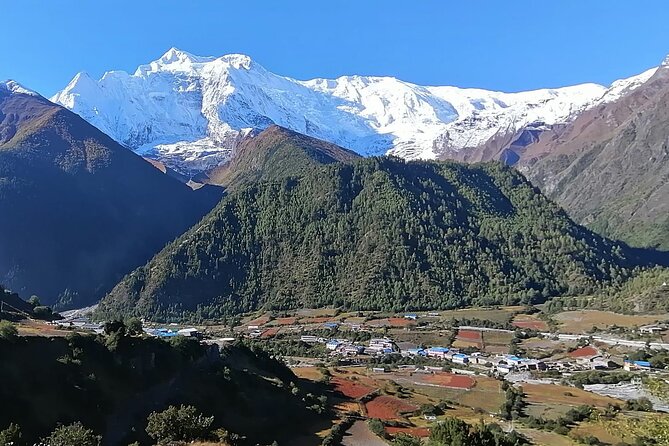
The Annapurna Circuit is one of Nepal’s best-known treks for a reason: you walk through big altitude shifts and see major Himalayan peaks up close. This 10-day plan keeps the focus tight. You still get the classic highlights, but you’re not spending weeks on the trail.
The route also makes a practical promise: it gives you enough structure to reach Thorong La without a totally chaotic schedule. You’ll climb through forested valleys, spend time around Manang, then start the final push toward the pass from Thorung Phedi.
The other smart thing is the finish. You don’t end with a long, grinding day back to Kathmandu. You finish with a flight from Jomsom to Pokhara, including gorge views, then you get breathing room to enjoy Pokhara.
You can also read our reviews of more tours and experiences in Kathmandu.
Kathmandu to Besishar plus Manakamana Temple: the trip starts long, so plan your day
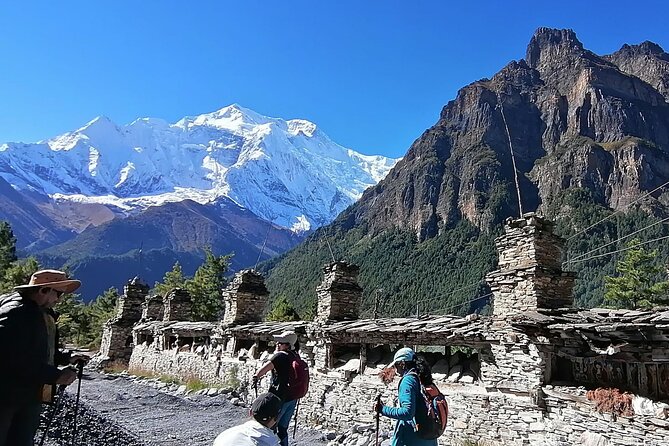
Your adventure begins at 7:15am at Himalayan Trekking and Tours in Kathmandu. From there, you’re picked up and driven about 185 km to Besishar, with the transfer listed around 7 hours. That’s a lot of hours for Day 1, so hydrate early and don’t expect the drive to feel like sightseeing the whole way.
Along the way, the plan includes a stop at Manakamana Temple. The temple stop is listed with admission free, which is a nice bonus when you’re trying to keep the trekking budget predictable. Even if you only get a short visit, it’s a meaningful Nepal experience, not just a scenic photo stop.
By the time you reach Besishar, you’re in the Annapurna region and ready for the real switch: from vehicle rhythm to walking rhythm. Expect big snow-capped views in the early region, then a gradual shift into higher valleys as the trek days stack up.
Chame and the Manang gateway: forests, bridges, and the first peak payoffs
On Day 2, the trail climbs toward Tyanja (2,360m), then continues through forest before dropping closer to a river area around Kopar (2,590m). The key moment is reaching Chame, the headquarters of the Manang district. It’s where the views start to feel more dramatic, including Annapurna II in the scene.
This day matters because it’s your first real test of “can I settle into the altitude + pace combo?” The trail description emphasizes steady hiking through changing terrain, not just one long grind. That’s a good setup for people who want a solid challenge without starting at maximum intensity.
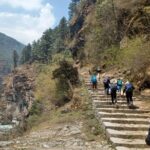
Day 3 leans into the “trail character” of the Circuit. You move through a deep forest in a steep, narrow valley, cross a river on a long bridge at 2,910m, then cross another bridge around 3,040m. After that second bridge, you start to see the rock face of Paungda Danda more clearly.
If you’re the kind of trekker who likes variety, you’ll probably enjoy these bridge moments. They break up the walking monotony and give you mental checkpoints. The one consideration is that forest-and-valley hiking can feel slower because you’re constantly adjusting footing, especially after misty mornings.
Approaching Manang: pine forests, big close-ups, and Gangapurna Lake time
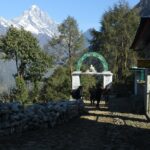
Day 4 is all about close-up views as you near Manang. The route passes through aromatic pine forests, then you’re set up for a strong visual day as Manang approaches. The peaks listed in the plan include Gangapurna, Annapurna II and III, Tilicho, Chulu east, and Pisang Peak.
That’s a big promise, and it usually translates to one of the Circuit’s pleasures: feeling like the mountains are keeping score of your progress. As you get higher and move into a wider open area, the peaks don’t just look bigger; they also look more layered and connected.
Day 5 centers on Manang village and a visit to Gangapurna Lake. The plan specifically calls out interacting with locals and getting the “real experience of mountain life,” not just walking past houses. There’s also a note that admission is free for this stop.
The drawback to this kind of day is time management. Village exploring and lake hiking can quietly turn into a long day. If you tend to get tired by midday, plan to pace yourself and keep water intake steady so you don’t arrive at the next day feeling behind.
Gunsang to Yak-Kharka to Ledar: building strength before the pass
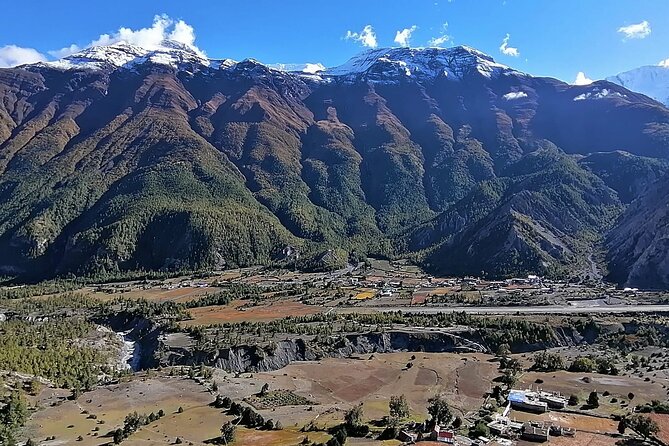
On Day 6, you leave Manang behind and climb toward the Marshyangdi valley. The plan includes strenuous ascends, then reaches Gunsang village and continues to Yak-Kharka. Ledar is reached before sunset, and that’s where you’re set up to sleep.
This day is basically your “gear check.” Your legs learn how the higher route feels, and you also learn how your breathing changes when the air gets thinner. If you’ve ever had a good day turn bad because you ignored early warning signs, this is the day to be disciplined: slow down early, keep steady steps, and don’t chase the people in front of you.
One value here is how the day steps you through multiple village points. Even when the overall gain is challenging, having these stops makes it easier to measure progress and recover briefly without collapsing into a full rest.
Jorsang Khola to Thorung Phedi: the tough narrowing before Thorong La
Day 7 follows the east bank of the Jorsang Khola, heading toward Thorung Phedi. The route is described as tough due to narrow paths and unstable slopes.
This is the day to pay attention to footwear and technique. On narrow, unstable sections, small mistakes turn into big energy drains. Trekking poles help if you use them, and you’ll feel better if you keep your center of gravity controlled instead of leaning hard into each step.
Overnighting at Thorung Phedi sets you up for the big day next. Practically, you want sleep that night. Don’t make your evening a long chat-fest if altitude is already making you restless.
Thorong La Pass (5,416m) plus Muktinath Temple: the peak day and the sacred reset
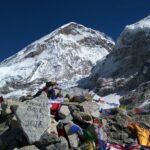
Day 8 is the most awaited day. You hike toward Thorong La (5,416m) along rocky ridges, then reach an elevated spot where you can spot the Dhaulagiri range. The plan lists the Thorong La stop at about 15 minutes, and it notes that admission is not included.
Even if the time at the pass feels short on paper, this day tends to feel long in your body. The payoff usually comes in bursts: a breathy walk up, a hard stop-and-go moment near the top, then a clear view that makes the effort feel real.
After Thorong La, you also stop at Muktinath Temple in Mustang. The temple stop is listed for about 10 minutes, and admission is not included. The plan frames Muktinath as holy and powerful, giving you a cultural counterweight to the physical effort of the pass day.
If you want one practical takeaway: don’t treat this as only an achievement day. Build in calm. Take a slow look around at Muktinath, then eat and drink consistently so you’re not running on empty for the descent to come.
Kali Gandaki descent to Jomsom: arid terrain, Tibetan-style villages, and changing pace
Day 9 begins with descending down the Kali Gandaki Valley through arid landscapes. The trail crosses Jharkot and Khingar, which the plan describes as typical Tibetan villages. You then follow the valley floor until reaching Jomsom for the night.
This is where the Circuit changes personality. After the high-ridge drama, the walk becomes more about endurance through long descents and flat-ish valley rhythms. The feet do most of the work now, and knees feel it, too.
If you’re prone to knee pain, take this seriously. Use a steady pace, keep steps short on descents, and stay mindful when the trail narrows. The good news is that valley-floor miles can feel straightforward once you settle.
The other advantage of this day is anticipation. You’re not just going downhill; you’re moving toward the finish that turns into a break from trekking.
Flight to Pokhara over the Kali Gandaki Gorge plus Fewa Lake
Day 10 is a relief day in the best way: after breakfast, you catch a morning flight to Pokhara. The plan highlights the flight as spectacular, especially above the Kali Gandaki Gorge, with views of the Dhaulagiri and Annapurna ranges.
Then you get free time in Pokhara. The plan specifically includes boating at Fewa Lake, which is a classic way to reset after days of thin air and stone steps.
This ending is a strong value add. You’re not trading the trek for another long travel day with zero reward. You land, you eat, you slow down, and you still get a last round of mountain views from the sky.
Price and what you truly get for $1,430 per person
At $1,430 per person, this trek isn’t cheap, but it’s not just “pay for walking.” Your price includes the working parts that are hard to organize alone:
- Guide and porters: with a ratio of 1 porter for 2 people
- Sleeping bag
- Private transportation (not an all-day public bus situation)
- Meals: breakfast, lunch, and dinner are included across the trek days
- Domestic flight: Jomsom to Pokhara
You’re also getting a full-service structure: you start in Kathmandu, get transported out to the trekking area, and finish with air travel. For many people, the value is the mental load you don’t carry. You don’t have to figure out every transfer, meal stop, and timing detail while also focusing on your body on altitude days.
What’s not included is also important: bottled water and alcoholic beverages aren’t included, and there’s no guarantee of air-conditioned vehicle comfort. If you’re sensitive to long drives, plan for “warm and practical,” not luxury.
Comfort, food, and the people factor: why the guide/porter setup matters
Good trekking days often come down to boring things done well: meals on time, sensible pacing, and someone who knows when to push and when to slow down.
The plan includes coffee and/or tea, plus all meals during the trek. That sounds standard, but it matters at altitude when you’re tempted to “just skip food” because you don’t feel hungry yet. Having food built into the schedule reduces those mistakes.
On the staffing side, the company is associated with guides such as Babu and Resham, and a porter named Rojit appears in feedback. I like this approach because it suggests you’re not stuck with a random person who might or might not understand your needs. Even if your exact team differs, the guide-plus-porter model is part of the value.
The “porter for 2 people” detail is a big deal. It means you can keep your daypack manageable, which helps on long climbs and rougher trail days. You still carry essentials, but you’re not turning the trek into a heavy-load hike.
Who should pick this trek, and who should rethink it
This trek is a fit if you have moderate physical fitness and you’re comfortable training for walking days that include steep stretches. The plan is built for people who want the Annapurna Circuit experience but prefer a structured 10-day timeline.
It’s also a good match if you like peak-and-culture balance. You won’t just hike past villages; the plan includes Manang village time and a stop at Muktinath Temple.
You should rethink it if:
- You know you struggle on high altitude and you’ve never tested yourself on elevation before.
- You want an easy, flat trek. Day 7’s narrow, unstable section and Thorung La’s pass day make this a real challenge.
- You need strong comfort guarantees from day to day. This is trekking with included basics, not a cushy hotel itinerary.
Should you book this 10 Days Annapurna Circuit Trek?
If you want the Annapurna Circuit highlights in a tight, well-organized package, I’d say this plan is worth serious consideration. The standout strengths are the small group size, the guide + porter support, and the payoff finish with a flight over the Kali Gandaki Gorge into Pokhara.
Book it if you’re practical about altitude and willing to take the tough days seriously—especially the run-up to Thorung Phedi and the Thorong La crossing. If you’re the type who plans gear, paces early, and listens to your body, this itinerary gives you a strong path to do it.
One last nudge: make sure you’re ready to handle what’s not included, especially bottled water. And if you want breathing room on decision-making, this experience has free cancellation up to 24 hours in advance (for a full refund).
FAQ
How long is the Annapurna Circuit trek in this package?
It’s listed as 10 days (approx.).
Where does the trek start and what time is pickup?
The meeting point is Himalayan Trekking and Tours in Kathmandu, and the start time is 7:15am.
What is the highest point on the trek?
The plan highlights Thorong La Pass at 5,416m.
How many people are in the group?
The maximum group size is 15 travelers.
What’s included in the price besides the guiding?
Included items list sleeping bag, guide and porters (1 porter for 2 people), private transportation, meals (breakfast, lunch, dinner), and the domestic flight from Jomsom to Pokhara.
Are bottled water, alcohol, and air-conditioning included?
No. Bottled water and alcoholic beverages aren’t included, and there’s no air-conditioned vehicle included.
Is the Manakamana Temple stop free?
The plan lists an admission ticket as free for the Manakamana Temple stop.
Do I need to pay for Muktinath Temple admission?
The plan notes that admission is not included for the Muktinath Temple stop.