REVIEW · KATHMANDU
12 Day Private Mt. Everest View Luxury Trek
Book on Viator →Operated by Going Nepal Pvt. Ltd, Tailor-Made Luxury DMC · Bookable on Viator
Everest views, without the brutal slog. This 12-day private luxury Everest View trek pairs high-comfort lodges with Sherpa-country walking, starting with the short hop to Lukla and finishing back in Kathmandu, with culture woven in along the way.
I love the way the trek is built around real comfort at altitude—attached bathrooms, hot showers, and plenty of warm drinks—so you can focus on the scenery and the rhythm of the route. One thing to consider: the Lukla flight portion can be weather-dependent, so you’ll want to stay flexible if schedules shift.
I also like the practical pacing, including an acclimatization day in Namche Bazaar before you push on toward Tengboche and Khumjung. That slow-and-smart rhythm helps you settle in and enjoy the trip instead of just surviving it.
In This Review
- Key Highlights You’ll Care About on This Everest View Luxury Trek
- Luxury Everest Views: What This Trip Really Feels Like
- Price and Value: Why $3,773 Includes So Much More Than Walking
- Your First Two Days in Kathmandu: Arrival Comfort and Trek-Ready Setup
- Day 3: Kathmandu to Lukla to Monjo, With Lodging That Helps You Adjust
- Day 4 and Day 5: Namche Bazaar Acclimatization With Real Village Life
- Day 6: Tengboche’s Shorter Walk and Stronger Monastery Energy
- Day 7: Khumjung Timing, Tengboche Monastery, and Panoramic Mountain Views
- Day 8: Monjo Night Two With the Route Feeling Familiar
- Day 9: Lukla Return Down the Dudh Koshi River Trail
- Day 10 and Day 11: Back to Kathmandu, With Time to Breathe and Shop
- The Cultural Program and Campfire Night: The Part You’ll Remember More Than Photos
- Comfort at Altitude: What Those Lodge Details Mean for You
- Who This Private Everest View Luxury Trek Is Best For
- Should You Book This 12 Day Private Mt. Everest View Luxury Trek?
- FAQ
- Is this tour private?
- What does the price include for the Everest trek?
- Do you stay in hotels during the trek?
- Where does the trip start?
- What kind of fitness do I need?
- Are WiFi and hot showers available?
Key Highlights You’ll Care About on This Everest View Luxury Trek
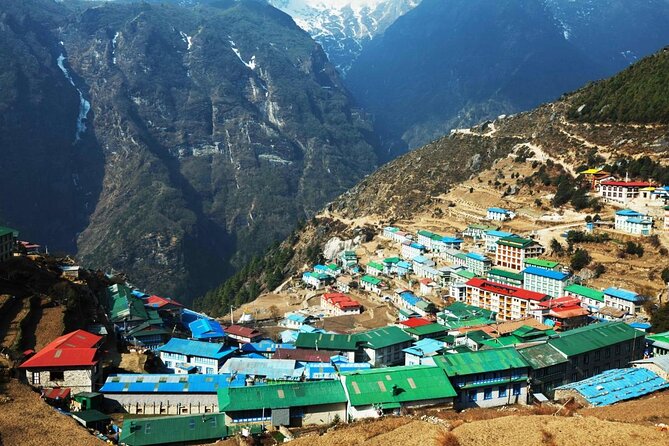
- Private luxury lodge style on the Everest View route, with attached baths and hot water shower where listed
- Kathmandu to Lukla and back flights included, handled as part of the trip flow
- Acclimatization in Namche Bazaar with time to explore monasteries and markets
- Monastery time at Tengboche, including a chance to watch evening rituals if timing fits
- Cultural add-ons like local school visits, a campfire evening, and hands-on agriculture experiences when seasonal timing allows
Luxury Everest Views: What This Trip Really Feels Like
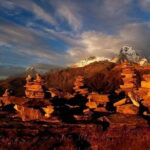
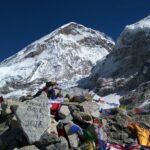
This is the kind of Everest trip that trades summit stress for something far more doable: long, satisfying days in Khumbu-style villages, plus multiple moments when Everest is suddenly right there in your line of sight. You’re not just getting from point to point. You’re also living a calmer version of the region—tea rooms, monastery courtyards, and lodge evenings that actually help you recharge for the next day.
And because it’s private, the plan is easier to manage if your group has different paces or energy levels. You also get the full support system you’d want on a higher-altitude trek: an English-speaking licensed guide and porters who handle the carry load, with the route timed around comfort and acclimatization.
One more detail I appreciate: the trip description includes a cultural program—school visits, a campfire visit, and participation in traditional cultivation and harvesting processes—plus a chance to join seasonal local festivities if your dates line up. That matters, because it stops the trek from being purely scenic and makes it feel more connected to everyday life in Nepal.
You can also read our reviews of more tours and experiences in Kathmandu.
Price and Value: Why $3,773 Includes So Much More Than Walking
At $3,773 per person, this isn’t a budget trek. But the price isn’t just for hiking. It bundles the expensive, high-friction parts that usually blow up a DIY plan:
- Kathmandu/Lukla/Kathmandu round-trip flights for the trekking members and guide
- Airport-to-airport private transfers by AC jeep or van
- Permits and local authority taxes for the Everest trekking region
- Private guide support plus porters, with their meals and daily allowances covered
- Lodge stays on a full-board style plan across the Everest View trek days
On top of that, the inclusions list mentions 24.3% taxes levied by the government of Nepal, plus a first aid box. That kind of detail is a clue you’re not just buying a route—you’re buying an operation that’s trying to cover the moving parts cleanly.
Is it still expensive? Yes. But if you compare it to the cost of flights, guide time, permits, private transportation, and premium lodging together, this starts to look less like a luxury markup and more like paying for fewer hassles.
Your First Two Days in Kathmandu: Arrival Comfort and Trek-Ready Setup
You start in Kathmandu with a straightforward arrival flow: meet, assist, and transfer to your hotel. Check-in includes welcome drinks and a trip briefing, which is where you’ll get the “how this will actually run” version of the trek—what to pack, how the days are paced, and what to expect on the Lukla jump-off.
Day 2 is a rest day with trekking preparation and an introduction with your trek guide. You’ll want this kind of buffer. Kathmandu is where you can do the small logistics that save big stress later—confirming clothing and gear decisions, asking about water practices, and getting your questions answered before you head into the Khumbu.
If you’re coming in from long travel days, I like that the plan doesn’t rush you into trekking the moment you arrive. It’s a small luxury, and it matters at altitude.
Day 3: Kathmandu to Lukla to Monjo, With Lodging That Helps You Adjust
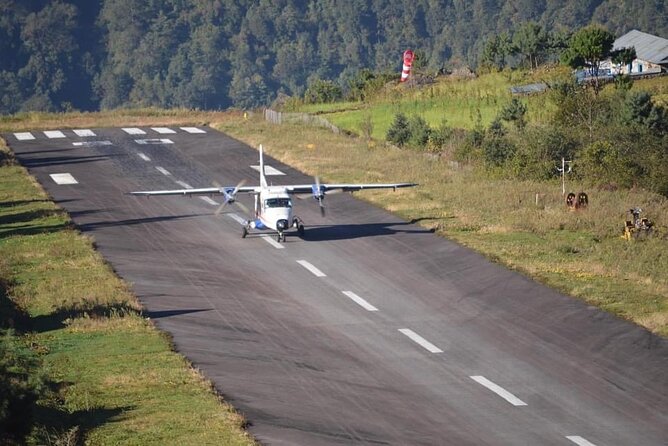
Day 3 is a big hinge point: breakfast, checkout, fly from Kathmandu to Lukla. Once you land, your porter meets you at the airport and organizes your belongings, and then the walking begins toward Monjo.
What I like here is the immediate structure. You get lunch, dinner, and an overnight at Yeti Home in Monjo. The listed lodge setup includes attached bath and hot water shower, plus unlimited tea/coffee. It’s the kind of comfort that makes a first walking day feel welcoming instead of punishing.
The walking time is around 4 hours, which is a good starter. It’s not trivial, but it also doesn’t pretend you’re already acclimatized.
Day 4 and Day 5: Namche Bazaar Acclimatization With Real Village Life
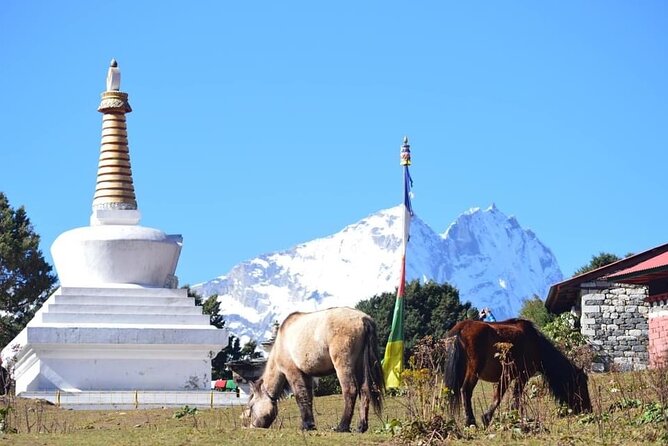
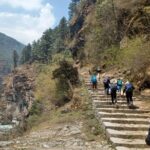
Namche Bazaar is the place where the trek starts to feel like Sherpa country—not just a trail, but a living community. The day 4 walk is about 6–7 hours, and you’ll climb into a cultural hub of Sherpa people in Nepal.
Once you’re there, you can explore local market areas, stupas, and monasteries. There’s also an optional walk up to a viewpoint hill and back, so you can sample the walking rhythm without overdoing it.
Then comes the smart move: Day 5 is free for acclimatization. You’re not pushed into another long slog right away. Instead, you can do a nearby excursion, enjoy the town, and take in those famous views when the weather cooperates.
This is also where the lodge comfort pays off. The plan highlights free WiFi and unlimited tea/coffee, plus that same attached bath and hot shower setup. After a day of altitude and cold air, those small comforts help you keep good spirits and better energy for the next stage.
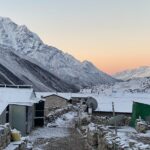
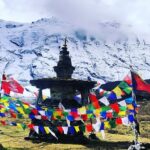
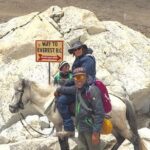
Day 6: Tengboche’s Shorter Walk and Stronger Monastery Energy
Day 6 shifts to Tengboche with a shorter walking day—about 3 hours—which is exactly what you want after your Namche base days. The highlight here is the mix of views and atmosphere.
Tengboche is closely tied to the region’s spiritual life. Even if you’re not a serious religious traveler, monastery areas in the Everest region have a different kind of calm. You can feel it in the way the village gathers and in how people treat the space—like it matters.
Your lodge nights here are again listed with attached bath and hot water shower and boiled and filtered water. That’s not just comfort for comfort’s sake. At altitude, water habits and warmth directly affect how well you sleep and recover.
Day 7: Khumjung Timing, Tengboche Monastery, and Panoramic Mountain Views
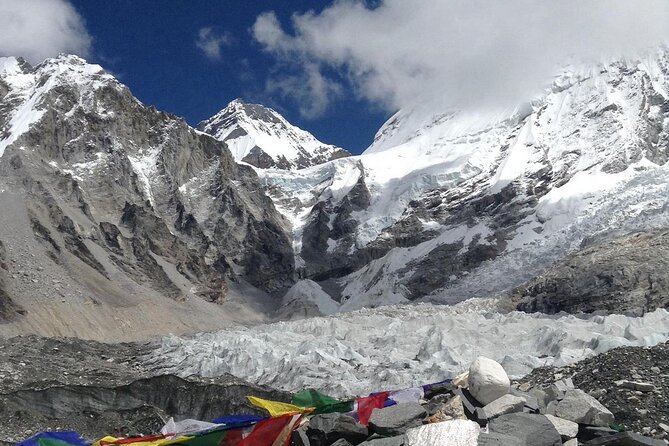
Day 7 is packed but still manageable. You’ll trek toward Tengboche, with a visit to Tengboche monastery, described as the biggest Buddhist monastery in the Everest region. If timing works, you can also witness evening rituals at the monastery.
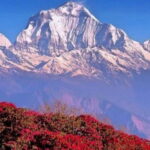
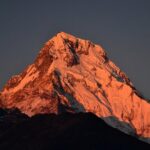
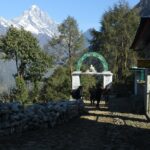
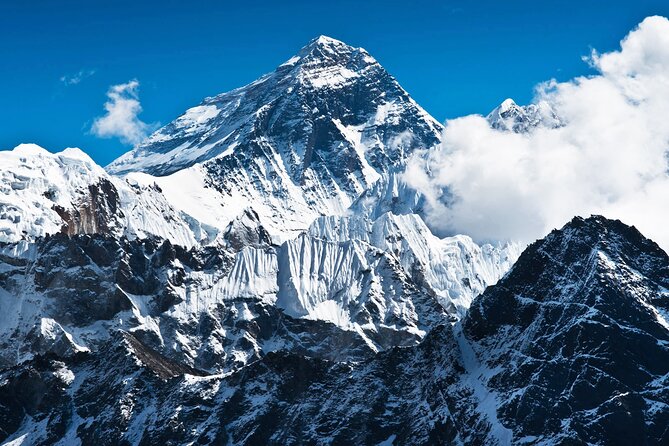
This day also brings one of the big view moments. The plan calls out panoramic sightlines toward Mt. Everest, Nuptse, Lhotse, Cho-Oye, and Ama Dablam.
One practical note: the overnight lodge is described as Hotel Himalaya, which is positioned as the best available lodge option here, but not as good as Yeti Homes elsewhere. That’s a small tradeoff in the itinerary: you get the monastery moment and major panoramas, but the accommodation standard may dip slightly on this specific night.
Day 8: Monjo Night Two With the Route Feeling Familiar
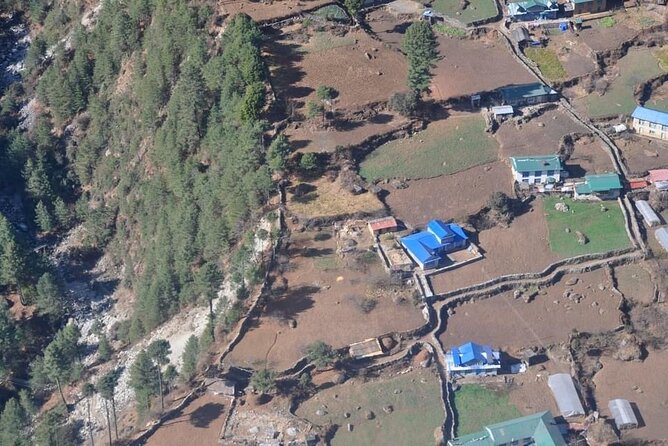
Day 8 returns you toward Monjo, and the plan lists a dinner and overnight at Yeti Mountain Homes. This is a “settling” day in the sense that you’re moving back along a route you’ve already started to understand.
The highlight section still leans on comfort: welcome drinks on arrival, warm lodge service, and the same idea that your days should end with good rest rather than scrambling around for basic needs.
If you’re traveling as a group and want the trip to feel smooth, days like this help. You’re not always in a high-focus mode. You can breathe, reset, and enjoy the villages at a slower tempo.
Day 9: Lukla Return Down the Dudh Koshi River Trail
Day 9 is the return trek to Lukla, following a downhill trail along the Dudh Koshi river corridor. The plan lists lunch, dinner, and overnight at Yeti Mountain Homes.
Downhill days are a mixed bag. They can feel easier on your lungs, but they can be harder on your knees. If you’re a careful hiker, bring trekking poles and pay attention to step length and footing—especially in sections where the path may be slick or uneven.
Still, there’s a real satisfaction in coming down through the valley villages after a week of climbing and acclimatization. The views don’t disappear; they just change from “summit chasing” energy to “valley return” energy.
Day 10 and Day 11: Back to Kathmandu, With Time to Breathe and Shop
On Day 10 you fly back to Kathmandu. The afternoon is free, and the highlights include free WiFi at the hotel and a transfer by private jeep.
Day 11 is another free day in Kathmandu Valley for personal activities and shopping. This is where you can turn the trek into a full Nepal trip instead of a rushed airport-to-gear-to-hotel loop.
If you want a little extra structure, this kind of free day is ideal for choosing a museum visit, a local food stop, or a cultural neighborhood walk—anything that helps you transition from mountain pace back to city pace.
The Cultural Program and Campfire Night: The Part You’ll Remember More Than Photos
One of the most interesting parts of this experience isn’t the mountain view list—it’s the cultural program described as included. You can expect:
- a cultural program tied to local schools and community life
- a campfire visit
- participation in the traditional cultivation and harvesting process
- the possibility to join seasonal and regional festivals if your timing matches local events
This is the stuff that doesn’t always show up in standard Everest View itineraries. And it’s also where you’ll understand Nepal beyond the trail. Even a short school visit can change how you see the villages you pass every day.
Just keep your expectations grounded: cultural access depends on schedules, season, and local timing. The upside is that the trek company is explicitly building these experiences into the overall trip structure.
Comfort at Altitude: What Those Lodge Details Mean for You
The highlights across multiple days repeat a few practical comforts: attached bath and hot water shower, boiled and filtered water, and on many days free WiFi plus unlimited tea/coffee.
Here’s why I think that matters. At higher altitude, it’s easy to burn energy just staying warm, eating enough, and sleeping well. When your lodging is set up with hot showers and reliable water, you get back time. That time can go into better rest, better appetite, and better movement the next day.
Also, the trek is run on an AP (Full-board Plan) style setup for the Everest View portion, and meal counts are clearly included (breakfast, lunch, dinner in the included section). That reduces the “What do we do for food today?” stress that can derail a hiking schedule.
Who This Private Everest View Luxury Trek Is Best For
This tour fits best if you want:
- Everest-area views with less intensity than a summit-focused program
- a private setup with a licensed English-speaking guide and porter support
- the ability to enjoy lodge downtime rather than treating each night as survival mode
- a mix of mountains and community life via the school and campfire activities
You should also have strong physical fitness, because even a view-focused itinerary involves walking days ranging roughly from 3 to 7 hours. And altitude isn’t mentioned with hard numbers in the itinerary highlights, but one past traveler referenced reaching about 4,700 meters for the first time. That’s a useful hint that your body will feel the altitude, even if the schedule is thoughtfully paced.
If you’re traveling with limited trekking experience, tell your guide early what pace you can sustain. This is the kind of trip where good communication helps adjust expectations and keep it enjoyable.
Should You Book This 12 Day Private Mt. Everest View Luxury Trek?
If your goal is Everest views plus real comfort—hot showers, attached baths, and lodge-first recovery—this is an appealing choice. I also like that the plan builds in acclimatization time in Namche Bazaar, adds monastery culture at Tengboche, and returns you to Kathmandu with free days to reset.
I’d only hesitate if you’re the type who needs total schedule certainty. The Lukla flights can be weather-sensitive, and no amount of luxury will change mountain air and airport reality. If your dates are flexible enough to absorb a delay, the overall structure makes the trip feel smoother.
If you want a one-time Nepal experience that balances mountain time with community experiences like school visits and a campfire night, this private luxury Everest View trek is easy to recommend.
FAQ
Is this tour private?
Yes. It’s listed as a private tour/activity, so only your group participates.
What does the price include for the Everest trek?
The included items cover airport-to-airport transfers by private AC jeep/van, Kathmandu/Lukla/Kathmandu return airfare for members and guide, an English speaking licensed professional guide, porters with their daily allowances, permits and local authority taxes, and meals on the trekking portion. It also includes a first aid box and insurance for trek guide and porters.
Do you stay in hotels during the trek?
Yes. The trek uses luxury hotels/resorts on an AP (full-board plan) setup, and the itinerary highlights attached bath and hot water shower in several lodge stays. Rooms are listed as DBL/twin sharing basis.
Where does the trip start?
The meeting point is Tribhuvan Airport, Kathmandu, Nepal.
What kind of fitness do I need?
The additional info says travelers should have a strong physical fitness level.
Are WiFi and hot showers available?
The itinerary highlights free WiFi on multiple days and notes attached bath and hot water shower at several accommodations during the trek.