REVIEW · KATHMANDU
14 Days Everest Base Camp Trek
Book on Viator →Operated by Chamlang Expeditions · Bookable on Viator
Everest Base Camp is one of those once-in-a-lifetime trails.
What makes this 14-day plan appealing is how it wraps the hard parts—flights, permits, guides, and porters—into one smooth package, so you can focus on walking, acclimatizing, and taking in the Buddhist Sherpa world along the way.
I especially like that you get English-speaking guidance plus a porter (carrying up to 15 kg per person), which makes a big difference when the trail turns steep and your legs start negotiating. I also like the included altitude support: a sub-zero sleeping bag, plus oxygen, emergency medicine, and a first-aid kit.
One consideration: this is still a demanding high-altitude trek. If weather disrupts flights to and from Lukla, you’ll need flexibility and patience.
In This Review
- Key things that make this trek feel well put together
- Kathmandu transfers and Lukla flights: how you start at altitude
- Guides, porters, and that Bishal touch
- Teahouse nights: what “included accommodation” really means
- The itinerary, day by day: from Phakding to Base Camp and back
- Day 1: Land in Kathmandu and settle in
- Day 2: Kathmandu to Lukla, then to Cheplung and Phakding
- Day 3: Phakding to Namche Bazaar via Jorsale and the national park
- Day 4: Namche rest day with Sherpa Museum and Syanboche views
- Day 5: Namche to Tengboche Gompa (Tengboche Monastery at 3,860 m)
- Day 6: Tengboche/Imja area to Dingboche via Pangboche and “summer valley”
- Day 7: Dingboche hike to Nangkartseng Hill
- Day 8: Dingboche to Lobuche via Thukla and the Khumbu Glacier
- Day 9: Gorak Shep and Everest Base Camp at 5,365 m
- Day 10: Kala Patthar sunrise-style views and down to Pheriche
- Day 11: Down to Namche via Pangboche and the Imja River
- Day 12: Namche to Lukla with suspension bridges and rhododendron forests
- Day 13: Lukla to Kathmandu in 35 minutes, then back to your hotel
- Day 14: Final transfer to Tribhuvan International Airport
- Gear and health support: the included “winter insurance”
- Price and value: what $1,499 buys you, and what it doesn’t
- Who this trek is best for (and who should think twice)
- Should you book this Everest Base Camp trek?
- FAQ
- What’s the duration of the Everest Base Camp trek?
- How much does the tour cost?
- What’s included in the trek package?
- What’s not included?
- Do I need a visa?
- What kind of lodging should I expect?
- Can I cancel and get a refund?
Key things that make this trek feel well put together
- Lukla domestic flights included so you don’t lose days to transport logistics
- Sherpa culture stops like Namche’s Sherpa Museum and Tengboche Gompa
- Acclimatization built into the schedule, including a true rest day in Namche
- Kala Patthar + Base Camp days set up for the big views without mountaineering gear
- Health-and-cold support included, including oxygen and emergency first-aid supplies
Kathmandu transfers and Lukla flights: how you start at altitude
Your trip begins in Kathmandu, with an airport meet-up at Tribhuvan International Airport depending on your arrival details. Then you get transferred by private vehicle to your Kathmandu hotel (triple or double-sharing) for the first night.
After that, the tone shifts quickly. On Day 2, you fly to Lukla via Tenzing-Hillary Airport (from Kathmandu’s Tribhuvan International Airport). This is the classic “mountain flight” experience—short, dramatic, and very Nepal. It matters because it puts you on the trail fast, saving energy for the long climb days.
If you hate uncertainty, here’s the reality check: flights to Lukla can depend on conditions. The good news is that this tour is built around those flights, and the trip ends with a return flight to Kathmandu as well (so you’re not stuck “waiting forever” for a change of plan).
You can also read our reviews of more tours and experiences in Kathmandu.
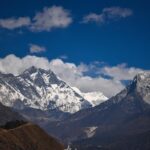
Guides, porters, and that Bishal touch
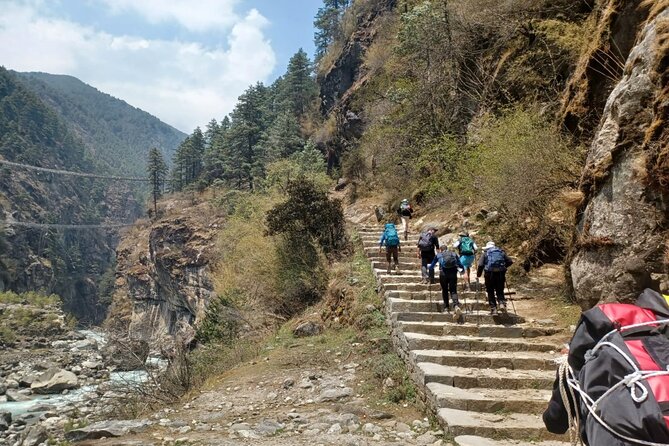
This is a small-group style experience with an English-speaking local guide and porters. The porter setup is thoughtful: your porter carries up to 15 kg, which helps you keep your daypack lighter while still staying realistic about how much you’ll feel altitude.
What I find especially valuable is the human side of the operation. The feedback I’ve seen highlights guides such as Bishal as helpful and encouraging, and his brother Abhishek has been praised for taking care of everything on the trek. You shouldn’t expect magic, but you can reasonably expect steady guidance: pacing, trail tips, and the little morale boosts that matter when it’s cold and the next village is still far away.
This is also listed as a private activity, so only your group participates. That usually means fewer awkward surprises and more consistent attention from the team.
Teahouse nights: what “included accommodation” really means
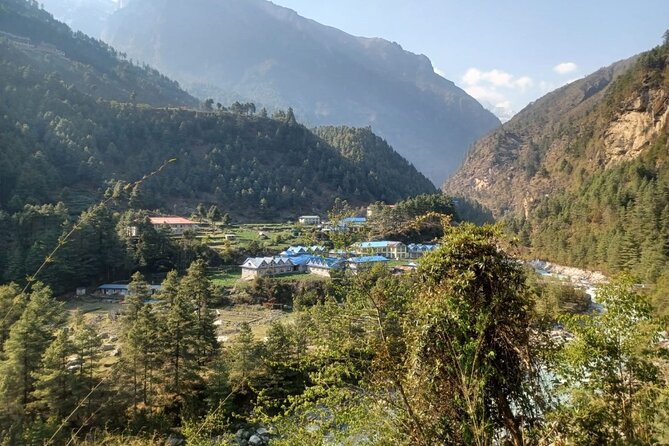
From Day 2 through Day 12, you’ll sleep in teahouses in the Everest region. These are basic trekking lodges—simple rooms, shared as triple or double-sharing in the standard setup. You’ll get breakfast most mornings, plus lunch and dinner included on most days.
One review mentioned staying in a treehouse-style lodging, which is a nice reminder that these teahouses can feel varied and memorable—sometimes in ways you don’t get on big “busier” routes.
Two practical notes:
- Room sharing means you’ll want to pack with that in mind (earplugs help).
- Water and drinks are not included, so budgeting matters. Bring a plan for how you’ll handle hydration and hot drinks on the trail.
The itinerary, day by day: from Phakding to Base Camp and back
Below is how the trek typically “breathes”—easy-to-moderate days, acclimatization stops, then the push days for Gorak Shep, Base Camp, and Kala Patthar.
Day 1: Land in Kathmandu and settle in
You arrive, get met, and transfer to your Kathmandu hotel for a comfortable first night. This is your buffer day.
Why it matters: sleep matters more than you think before a trek like this. You’ll want to hydrate, eat something familiar, and avoid over-scheduling.
Day 2: Kathmandu to Lukla, then to Cheplung and Phakding
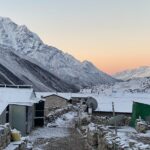
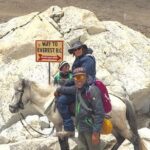
After flying to Lukla, you trek to Cheplung village, where you can spot Mt. Khumbila’s views, then continue to Phakding for an overnight teahouse stay. The day is about getting your legs used to walking at altitude without rushing.
Likely feel: cool air, big views, and that “this is real now” moment when the trail starts climbing.
Day 3: Phakding to Namche Bazaar via Jorsale and the national park
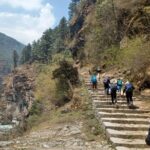
You head toward Namche Bazaar, passing through Sagarmatha National Park along suspension bridges and quiet alpine forests of pine and cedar. You’ll also see old mani stone walls carved with prayer inscriptions and prayerful trail vibes.
You end in Namche, a trading hub historically connecting Nepali and Tibetan routes—and today a Sherpa heartland.
Why this day is key: it’s one of the first bigger climbs, so pacing matters.
Day 4: Namche rest day with Sherpa Museum and Syanboche views
This is a smart built-in pause to reduce altitude trouble. You explore Namche and take a short trip toward Syanboche Airport at about 3,700 m, plus you visit the Sherpa Culture Museum and an Everest photo gallery.
Why it’s valuable: this is the difference between “I’m hiking” and “I’m managing altitude.” Even if you feel fine, rest days are part of the game.
Day 5: Namche to Tengboche Gompa (Tengboche Monastery at 3,860 m)
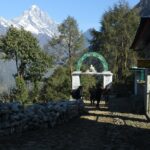
You continue toward Dudh-Koshi Valley via Phungki-Thanka and reach Tengboche, home to the Tengboche Gompa (monastery). You get mountain backdrops—Everest, Ama Dablam, and more—and a strong Buddhist cultural stop.
Possible drawback: this day includes uphill effort. If you’re prone to getting winded, take it slow and keep stops short.
Day 6: Tengboche/Imja area to Dingboche via Pangboche and “summer valley”
You trek through areas connected to Imja Khola and climb toward Pangboche, passing lots of mani stones. Then you reach Dingboche, often described as a “summer valley” because of its setting and lighter winds compared to some higher, more exposed spots.
Views stretch across Lhotse, Ama Dablam, and Island Peak.
Day 7: Dingboche hike to Nangkartseng Hill
This day is a planned effort for panoramic payoff. The hike to Nangkartseng Hill is long (about 5 hours), but it’s built for acclimatization through controlled exertion.
On a favorable day, you’ll get views of:
- Lobuche East and Lobuche West
- Kangtega
- Taboche Peak
- Thamserku
- Ama Dablam
- possible sight of Makalu
After lunch, you can relax and take in the air.
Why this is a good setup: it trains your body for bigger height gains later without sprinting.
Day 8: Dingboche to Lobuche via Thukla and the Khumbu Glacier
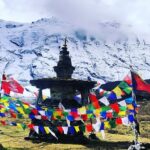
You walk about 5 hours to Lobuche, crossing toward the glacier area and passing through a small lunch town called Thukla. The trail brings you close to dramatic mountain faces, prayer flags, chortens, and mani stones along the way.
You sleep in Lobuche teahouse.
Day 9: Gorak Shep and Everest Base Camp at 5,365 m
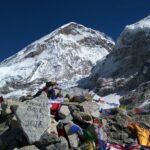
Now comes the big one. This is a long, difficult day walk along the Khumbu Glacier up to Everest Base Camp (5,365 m)—the closest you get to the mountain without mountaineering gear.
In spring, you may see expedition teams before summit attempts. At Base Camp, the Khumbu Icefall view is the headline.
Then you return to Gorak Shep for the night.
What to watch: this is where fatigue can sneak up. Keep your breathing steady, and don’t force pace just because Base Camp feels close on the map.
Day 10: Kala Patthar sunrise-style views and down to Pheriche
This is your “wow, wow, wow” day if the weather behaves. You hike up to Kala Patthar, described as a central viewing spot for Everest, Nuptse, Chagatse, Lhotse, and Pumori.
Then you head back to Gorak Shep and descend to Pheriche (about 4,210 m) for the overnight stay.
Why this matters: descending a bit helps you recover before the final legs back toward Lukla.
Day 11: Down to Namche via Pangboche and the Imja River
You descend to Pangboche, then return via Phungki-Thanka along the Imja River and through Kyangjuma back to Namche Bazaar.
This day is about rebuilding your stamina for the last stretch and enjoying the change in scenery as the altitude comes down.
Day 12: Namche to Lukla with suspension bridges and rhododendron forests
You walk to Lukla, crossing suspension bridges above the DudhKoshi and moving through rhododendron forests and views back toward snowy peaks.
You end with a teahouse night in Lukla. The plan even notes that a celebration can be organized for finishing the trek.
Day 13: Lukla to Kathmandu in 35 minutes, then back to your hotel
You fly back to Kathmandu by a scenic short flight (listed as about 35 minutes). You’re dropped at your booked hotel, then transferred back to the starting hotel.
If you want to keep momentum after the trek, you can tack on options like Chitwan jungle safari, river rafting, Kathmandu shopping, or mountain biking—these are mentioned as common add-ons.
Day 14: Final transfer to Tribhuvan International Airport
The trek ends back in Kathmandu. Your airport representative drops you for your departure from Tribhuvan International Airport.
This is also where you’ll likely feel the altitude wear-off in your joints and sleep patterns.
Gear and health support: the included “winter insurance”
One reason I’m comfortable recommending this style of package is that it includes practical altitude gear and first-aid support, not just a guide and a promise.
Included items include:
- a high-altitude sub-zero sleeping bag (hygienically cleaned)
- an oxygen cylinder, emergency medicine, and a first-aid kit
- travel insurance for porters and guides (important note: this does not replace your own travel insurance)
- TIMS card and trekking permit handling as part of the trek package
- emergency-minded planning through experienced local logistics
Two takeaways:
- Your own travel insurance still matters. Medical and evacuation expenses in unforeseen circumstances are listed as not included.
- Even with oxygen and first-aid kit access, you still need to walk smart. No gear package can change the physics of altitude.
Price and value: what $1,499 buys you, and what it doesn’t
At $1,499 per person, the cost can feel high or fair depending on what you would otherwise assemble yourself. The value here is in the “big-ticket” pieces bundled into one plan:
- round-trip domestic flights Kathmandu ↔ Lukla
- English-speaking local guide and porters
- teahouse accommodation throughout the main trek
- most meals (breakfast 14 times; lunch/dinner on multiple days)
- trekking-related documents (including TIMS and permit support)
- transfers by private vehicle in Kathmandu
What’s not included is equally important for budgeting:
- water or drinks
- Nepal entry visa (listed as $40 for foreign trekkers; not needed for Indian citizens)
- your own travel insurance
- medical/evac costs in emergencies
- personal expenses
If you want the best value, plan to:
- budget for drinks and snacks beyond meals
- bring the right insurance before you go
- accept that weather can affect the Lukla schedule
Who this trek is best for (and who should think twice)
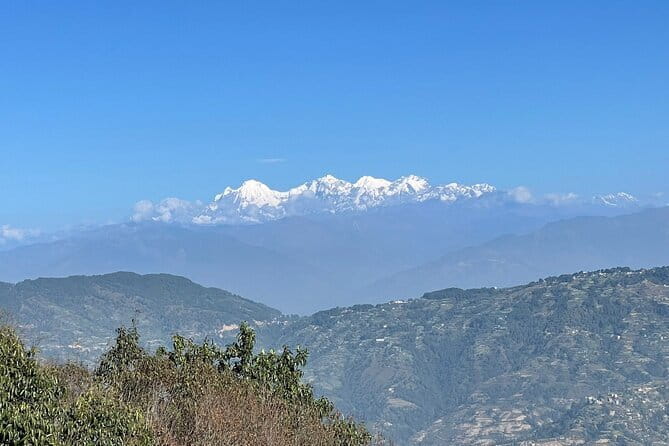
This experience is listed as requiring a strong physical fitness level. You’ll be walking multiple hours most days, with harder days around the Base Camp and ridge-view sections.
You’ll likely love it if:
- you want an iconic Everest route with Sherpa villages and monastery culture stops
- you prefer a structured plan over piecing together flights, guides, and accommodations
- you want the included safety/comfort items like oxygen and a sub-zero sleeping bag
You should think twice if:
- you struggle with long uphill days or altitude management
- you can’t handle schedule changes due to weather (especially around Lukla flights)
- you’re not comfortable with shared room setups in teahouses
Should you book this Everest Base Camp trek?
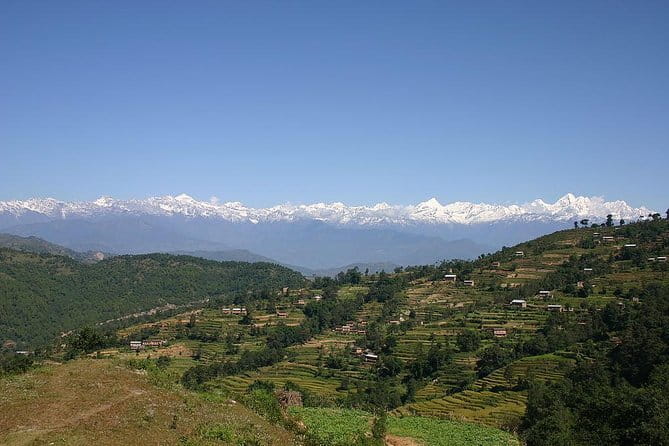
I’d book this if you want a well-managed, all-inclusive-style EBC plan with serious support: flights to Lukla, English-speaking guiding, porter help (up to 15 kg), and altitude-minded gear like oxygen and emergency supplies.
I wouldn’t book it if you’re hoping for an easy walk or if you’re relying on luck to handle altitude. This trek rewards preparation and calm pacing. If you go in fit, flexible, and ready for cold nights and big view days, you’ll get exactly what Everest Base Camp promises: effort, elevation, culture, and a feeling of accomplishment that sticks long after the trek ends.
FAQ
What’s the duration of the Everest Base Camp trek?
The itinerary is listed as 14 days (approx.) from Kathmandu to the trek route and back.
How much does the tour cost?
The price is $1,499 per person.
What’s included in the trek package?
Included items cover airport/hotel transfers in private vehicle, Kathmandu hotels (Day 1 and Day 13), teahouse accommodation throughout the trek (Day 2 to Day 12), Kathmandu–Lukla return flights, an English-speaking local guide, porters (up to 15 kg per person), insurance for porters and guides, TIMS card, a high-altitude sub-zero sleeping bag, and oxygen/emergency supplies. Most meals are also included: breakfast (14), lunch (12), and dinner (12).
What’s not included?
Not included: water or any kind of drinks, Nepal entry visa (listed as $40 for foreign trekkers), travel insurance (for you), medical and evacuation expenses in unforeseen circumstances, and personal expenses or anything not listed under included.
Do I need a visa?
The tour notes that the Nepal entry visa is $40 for foreign trekkers, and it’s not needed for Indian citizens.
What kind of lodging should I expect?
You’ll stay in triple or double-sharing hotels in Kathmandu for Day 1 and Day 13. During the trek (Day 2 to Day 12), you’ll use triple or double-sharing teahouse accommodation.
Can I cancel and get a refund?
Yes. Free cancellation is offered if you cancel at least 24 hours in advance for a full refund. If it’s canceled due to poor weather, you’ll be offered a different date or a full refund. The experience also requires a minimum number of travelers.