REVIEW · KATHMANDU
7 Days Langtang Valley Private Trek From Kathmandu
Book on Viator →Operated by Outdoor Himalayan Treks P Ltd. · Bookable on Viator
Seven days, and you feel the Himalaya up close. Langtang Valley is one of the best short-trek choices from Kathmandu, with Tibetan-influenced villages, glacier-country scenery, and a gradual feel for altitude without needing a marathon schedule. I love that the package includes an English-speaking trekking guide plus daily breakfast/lunch/dinner on the trail, which removes a lot of guesswork. You also get a built-in structure: drive in, trek up through forests and streams, then come back the same way.
The main trade-off is comfort level. Your nights are basic tea-house accommodation, twin sharing, with toilets and bathrooms outside the rooms, and that classic trekking reality means you’ll want to budget extra for drinks and other personal touches.
In This Review
- Key things that make this trek work
- Langtang Valley feels like a Himalayan side-door from Kathmandu
- What the $585 price includes (and what you’ll still pay for)
- Kathmandu hotel night: you arrive, then you rest like a trekker
- The drive to Syabrubesi sets the tone for your trek
- Day 3 to Lama Hotel: the first climb is about rhythm, not speed
- Day 4 to Langtang Village: higher, quieter, and more Himalayan
- Day 5 to Kyanjin Gompa: short walking, big altitude views
- Day 6 back to Lama Hotel: the long distance feels longer than you think
- Day 7 Lama Hotel to Syabrubesi: the end of trail, the start of fatigue management
- Day 8 drive back to Kathmandu: give yourself real recovery time
- Permits, insurance, and gear: the stuff that keeps your trek stress-free
- Guides, pacing, and why this private setup can feel easier
- Who should book this Langtang Valley private trek
- Should you book it?
- FAQ
- How long is the Langtang Valley private trek?
- What is the price per person?
- Where does the tour start?
- What kind of accommodation is included during the trek?
- Are meals included?
- What permits are included?
- How do you travel between Kathmandu and Syabrubesi?
- Is a porter included?
- What fitness level do you need?
- What is the cancellation policy?
Key things that make this trek work
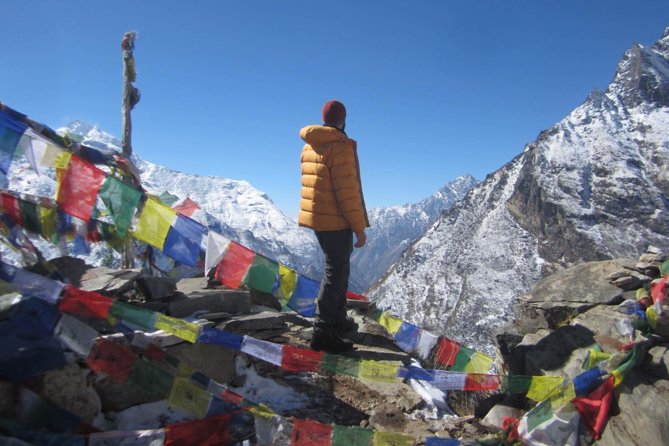
- Tibetan-style village trekking in a glacier valley at a comfortable time scale from Kathmandu
- Included permits (Langtang National Park permit + TIMS card) so you’re not scrambling paperwork
- English-speaking guide support for pacing, altitude common sense, and on-trail problem-solving
- Tea-house nights with included meals, which is a big value win on a short itinerary
- Optional Kyanjing Ri add-on if you have energy on the higher day
Langtang Valley feels like a Himalayan side-door from Kathmandu
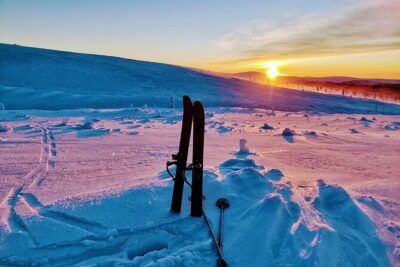
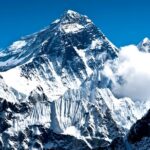
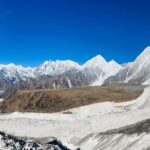
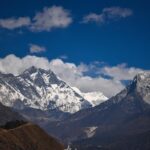
Langtang is often called the valley of glaciers, and that’s not marketing fluff. This is a narrow valley tucked between big Himalayan drama to the north and another snowy ridgeline to the south. What you get on this trek is a mix that keeps changing each day: forest walking, mountain streams, village life, and views that keep stepping higher as you go.
I like that the trek is built for people who want a real Himalayan experience without committing to a long multi-week adventure. You start from Syabru Bensi at about 1550m, and by the time you reach Kyanjin Gompa you’re up around 3870m. That’s high enough to feel the altitude, but the itinerary keeps day-by-day stress reasonable if you listen to your guide and pace yourself.
Wildlife and plant life are also part of the deal here. The route area is known for rhododendron, bamboo forests, pine forest, waterfalls, and wild streams. If timing lines up with seasonal color, you can get that mix of greenery and snow peaks in the same day—plus a chance to spot animals like red pandas and other forest wildlife described for the park.
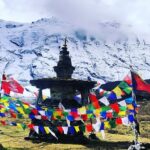
The human side matters too. Langtang is influenced by Tibetan culture, so village stops feel different than many generic mountain towns. It’s not just scenery; it’s a living valley.
You can also read our reviews of more tours and experiences in Kathmandu.
What the $585 price includes (and what you’ll still pay for)
At $585 per person, this trek looks simple on paper, but the value comes from what’s actually covered. You’re paying for a package that includes:
- 2 nights in Kathmandu in a deluxe hotel (twin sharing, breakfast included)
- Airport to hotel to airport transfers in Kathmandu
- A professional English-speaking trekking guide (including guide food, salary, accommodation, travel expenses, and insurance)
- 6 nights basic tea-house accommodation during the trek (twin sharing)
- Three meals per day on the trail (breakfast, lunch, dinner)
- Transport by public bus between Kathmandu and Syabrubesi and back
- Langtang National Park permit + TIMS card
- Emergency evacuation and medication service, with the note that you must ensure your travel insurance covers helicopter evacuation and medication
That’s a lot to outsource for one price. If you try to build it yourself, the permits, guide, meals, and the Kathmandu logistics add up fast.
Now the not-included list is also important, because it affects your daily budgeting. Drinks like tea/coffee and mineral water are not included. Personal expenses—hot showers, battery charging, phone use, laundry, snacks—are on you. Tips for local staff are also not included, and you’ll need a Nepal visa and your own travel insurance.
One more practical point: a porter is not included by default. You can arrange one at extra cost. If you want to keep your load light (or you’re newer to trekking), it’s worth discussing early with your guide.
Kathmandu hotel night: you arrive, then you rest like a trekker
Day 1 is the Kathmandu airport meet-and-transfer to your hotel. This matters because Langtang starts with a long drive the next day. If you’re arriving late, you don’t want to spend your energy hunting transport or figuring out where to be.
The itinerary also gives you a second Kathmandu hotel night (Day 8 after the trek), which is a nice recovery buffer. You’ll likely feel tired after the last descent and the return drive, so having a proper bed and breakfast helps you reset before heading onward.
If you have questions about packing, altitude strategy, or gear like water purification, this is also the time to handle it. The trip notes suggest you can get some items after you arrive if you travel light, which is helpful for last-minute planning.
The drive to Syabrubesi sets the tone for your trek
Day 2 is a drive from Kathmandu to Syabrubesi (around 1550m), about 7–8 hours. That’s not a short hop, so treat it like part of the trek prep.
Why this day matters: you’re traveling into the Langtang valley corridor, which means you’ll spend hours watching terrain shift and getting into a mountain rhythm. Also, you start trekking the next day from Syabrubesi, so this drive is the bridge between city life and trail time.
Practical tip: on a long bus day, I’d plan for simple comfort—snacks you like, a layer for temperature swings, and water you can handle. Drinks during the trek are not included, so you might want to manage hydration smartly from the start.
Day 3 to Lama Hotel: the first climb is about rhythm, not speed
The trek starts climbing toward Lama Hotel at about 2450m. Expect roughly 6–7 hours of walking with about 1070m ascent and around 10.9 km covered.
This day is a classic warm-up in the Langtang style: you get time on trails, and you start learning how your body reacts. Since you’re in the process of gaining altitude, the biggest win is pacing. Your guide is there for this exact reason—keeping you moving steadily enough to keep altitude stress in check.
What you should look for here:
- changing vegetation (including rhododendron and forest sections mentioned for the region)
- mountain streams and rugged rocky sections as the valley narrows and rises
- moments where the views open gradually rather than all at once
Drawback to consider: the ascent is real. If you go too fast, you’ll pay for it later. Stick with the plan and take breaks before you feel awful.
Day 4 to Langtang Village: higher, quieter, and more Himalayan
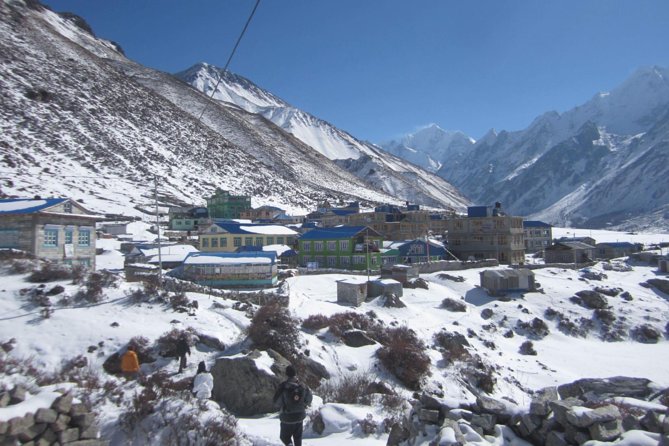
Day 4 runs about 7–8 hours, walking roughly 14.8 km with around 980m ascent, landing at Langtang Village around 3430m.
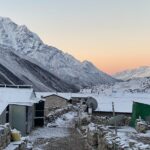
This is where the trek starts to feel more remote. At this elevation, village life is still present, but the air feels thinner and the scenery starts to dominate the day. The valley setting is also why Langtang is popular: it’s narrow, glacier-influenced, and shaped by Tibetan lifestyle along the way.
You’ll likely notice the mix of forests and open stretches as you climb. The region is described as having bamboo forests, pine forest, wild streams, and grassy areas with daisies and meadows. Even when the exact mix depends on season and weather, the overall pattern holds: you’re moving through different ecological zones rather than walking the same trail all day.
A smart strategy for this day: keep hydration steady, eat on schedule, and don’t treat every view stop like a photo marathon. Short breaks win.
Day 5 to Kyanjin Gompa: short walking, big altitude views
Day 5 is a lighter walking day compared with the previous two. You trek from Langtang Village to Kyanjin Gompa around 3870m in about 2–3 hours, covering around 6.8 km with about 460m ascent.
This is a great setup day. You gain altitude, but you don’t drain yourself. That gives you time to enjoy Kyanjin Gompa and, if you have the energy, an afternoon visit to Kyanjing Ri.
Why this works: it’s the highest point of the main itinerary without forcing you into a brutal schedule every day. Kyanjin Gompa is also a natural place to pause—this is where glacier-country presence starts to feel close.
What I’d focus on during this day:
- letting your breathing settle after the ascent
- enjoying glacier-style mountain views without rushing
- asking your guide about weather and cloud conditions before attempting optional viewpoints
One consideration: at this elevation, even a short walk can feel longer. Treat it as part of acclimatization, not an excuse to sprint.
Day 6 back to Lama Hotel: the long distance feels longer than you think
Day 6 is your return day, trekking from Kyanjin Gompa back to Lama Hotel around 2450m. Expect about 7–8 hours, roughly 21.6 km, and around 1430m descent.
This is the day that tests your legs. Descent sounds easier than ascent, but it can be tough on knees and thighs. Long distance plus steady downhill adds up.
Practical advice: use trekking poles if you have them. They help with stability and reduce knee strain. Also, don’t get overly confident just because you’re descending—slow down slightly. The goal is to finish feeling decent, not wrecked.
You’ll also pass through sections of the valley again where the scenery shifts with the light. It’s not a repeat day in the mind. It’s a new day of seeing the same river valley from different angles.
Day 7 Lama Hotel to Syabrubesi: the end of trail, the start of fatigue management
Day 7 takes you from Lama Hotel down to Syabrubesi at about 1550m. Plan on about 5–6 hours, around 10.9 km, and roughly 1070m descent.
This is often a relief day. You’re going downhill, and you’re closer to the road again. Still, because you’ve already walked a lot, treat it like the final chapter rather than a victory lap.
A good move: keep eating and drinking through the final hours. Don’t wait until you’re done to refuel. When you stop, hunger hits fast.
Day 8 drive back to Kathmandu: give yourself real recovery time
Day 8 is the drive back to Kathmandu (about 7–8 hours). You’ll go from 1550m back to city elevation and life.
This is why that Kathmandu hotel night is valuable. After the drive, you don’t want to scramble for dinner, laundry, or last-minute travel changes. You want a clean reset.
Also, remember: the operator includes an emergency evacuation and medication service, but you’re still responsible for having travel insurance that covers helicopter evacuation and medication. It’s the difference between a plan that sounds good and a plan that actually works if something goes wrong.
Permits, insurance, and gear: the stuff that keeps your trek stress-free
This trek includes the important paperwork you’d rather not handle on your own: Langtang National Park permit and TIMS card.
Safety-wise, the trip notes specifically mention emergency evacuation and medication service, with a clear call to confirm your travel insurance covers helicopter evacuation and medication. That’s not a throwaway line. In trekking terrain, it’s one of the most important costs to get right.
Gear list matters here because tea-house trekking still means cold nights and changeable weather. The provided gear guidance includes:
- sleeping bag
- down jacket
- LED headlight
- water bottle
- first-aid kit
- water purification solution
- trekking poles
- raincoat
- sunglasses
- full-finger gloves
- socks
- thermal cap
- fleece
- sunscreen
If you’re missing anything, the notes say you can get gear after you arrive if you want to travel light. That’s helpful if you’re coming from abroad with a minimalist packing plan.
One more real-world note: the experience notes say it operates in all weather conditions, but they also say the trek requires good weather and if it’s canceled due to poor weather, you’ll be offered a different date or a full refund. That means you should still watch conditions and expect weather to influence what actually happens on the ground.
Guides, pacing, and why this private setup can feel easier
This is a private tour, meaning only your group participates. That often leads to a smoother experience on a trek because pacing can match you rather than the slowest person being a problem or the fastest person feeling dragged.
The standout in the feedback I’ve seen for this operator is the guide quality. Names like Rupak and Prakash show up with strong praise for professionalism and a calm, supportive tone. There’s also a pattern of guides bringing good energy and taking first-time trekkers seriously—especially around altitude awareness and packing advice.
If you’re new to trekking Nepal, that kind of guidance matters. Even when you’re physically fit, mountains are a different system. Your guide is what turns altitude and trail fatigue into something manageable.
And if you’re booking close to your start date, it’s also worth noting the operator has shown flexibility with short-notice requests in the past. Still, don’t wait too long—good treks require availability for guide, permits, and accommodation.
Who should book this Langtang Valley private trek
This trek is a strong fit if:
- you want a short Himalaya trip from Kathmandu with a clear itinerary
- you like Tibetan-influenced villages and valley trekking instead of just a single ridge walk
- you’re okay with basic tea houses in exchange for included meals and a guided experience
- you want support and pacing help from a professional English-speaking guide
It might not be your best match if:
- you need private, modern bathroom setups on the trail
- you want drinks, hot showers, and extra comfort included
- you’re looking for a super-long high-altitude expedition with multiple high passes (this itinerary keeps things shorter and more valley-focused)
Should you book it?
If you want the most value from a short time window, this is one of the more practical Langtang options: guide + permits + meals + tea-house stays are covered, and the trek focuses on a realistic climb with a memorable top day at Kyanjin Gompa. The main thing to be honest about is comfort: tea-house nights are basic, and you’ll pay for extras like drinks.
If that trade-off works for you, I’d book it—especially if you care about having an actual guide and a plan that reduces the daily logistics headache.
FAQ
How long is the Langtang Valley private trek?
The trek is about 7 days, with additional transfer time from Kathmandu. The full itinerary listed runs from Day 1 to Day 8.
What is the price per person?
The price is $585.00 per person.
Where does the tour start?
It starts in Kathmandu, with airport greetings and hotel transfer arranged.
What kind of accommodation is included during the trek?
You get 6 nights of basic tea house accommodation on a twin sharing basis. Toilets and bathrooms are outside of the room.
Are meals included?
Yes. You’ll have three meals per day during the trek (breakfast, lunch, and dinner). Breakfast is also included in Kathmandu hotel stays.
What permits are included?
The trip includes a Langtang National Park permit and a TIMS card.
How do you travel between Kathmandu and Syabrubesi?
You travel by public bus from Kathmandu to Syabrubeshi and back to Kathmandu. Airport transfers are by private transport.
Is a porter included?
A porter is not included. If needed, it can be arranged at an additional cost.
What fitness level do you need?
The trek is described as requiring moderate physical fitness and good health. A thorough physical examination before starting is recommended.
What is the cancellation policy?
Free cancellation is offered. You can cancel up to 24 hours in advance for a full refund. If you cancel less than 24 hours before the start time, the amount paid is not refunded. If canceled due to poor weather, you’ll be offered a different date or a full refund.