REVIEW · KATHMANDU
Annapurna base camp trek
Book on Viator →Operated by Nepal Trekking Routes Pvt. Ltd · Bookable on Viator
The Annapurna Base Camp trek can feel close fast. This 15-day adventure links Kathmandu and Pokhara, then walks you from Nayapul toward the Annapurna Base Camp at 4,130m, with sunrise drama at Poon Hill and cultural village time along the way.
I especially like the built-in rhythm: first Poon Hill (sunrise and sunset viewpoints), then the gradual shift into the higher Himalayan belt. I also like the way the route mixes scenery with daily-life stops, including Gurung, Ghale, and Magar communities with their housing style, food, and hospitality.
The main thing to consider is that you’ll climb to serious altitude. You’re moving for moderate stretches each day, and at higher elevations you’ll want a realistic fitness base and a flexible attitude (October can be busy and demanding).
In This Review
- Key highlights to look for
- Starting in Kathmandu, then easing into the trek from Pokhara
- Nayapul to Poon Hill: your sunrise practice run
- Entering the Himalayan belt: culture, daily life, and conservation country
- Annapurna Base Camp at 4,130m: the payoff you plan for
- Machhapuchhre Base Camp bonus and the Jhinu hot springs reset
- Price and what you’re really paying for (and not paying for)
- Group size, pace, and the comfort level you can expect
- Packing and rules for entering places of worship
- Who this Annapurna Base Camp trek is best for
- Should you book this Annapurna Base Camp trek?
- FAQ
- Where does the Annapurna Base Camp trek start and end?
- How long is the trek?
- What is the price per person?
- What’s included in the tour price?
- What’s not included?
- Do I need a moderate fitness level?
- Is the group size limited?
- Is there free cancellation?
Key highlights to look for
- Pokhara warm-up with optional add-ons like hot air ballooning, paragliding, and zip flyer before the trek starts
- Two-stage trekking flow: Ghorepani Poon Hill sunrise/sunset views, then onward to Annapurna’s higher trails
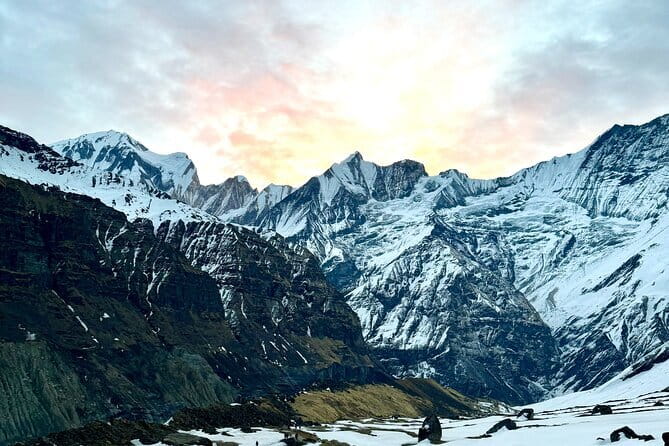
- A view lineup that keeps showing up: Machhapuchhre, Dhaulagiri, Annapurna series, Neelgiri, Himchuli
- Culture on the walk in Gurung, Ghale, and Magar villages, including typical cuisines and welcome
- Wildlife and conservation area country in the Annapurna Conservation Area where you might spot rare species
- Recovery moments after effort, including hot water natural springs near Jhinu and a Machhapuchhre Base Camp bonus experience
Starting in Kathmandu, then easing into the trek from Pokhara
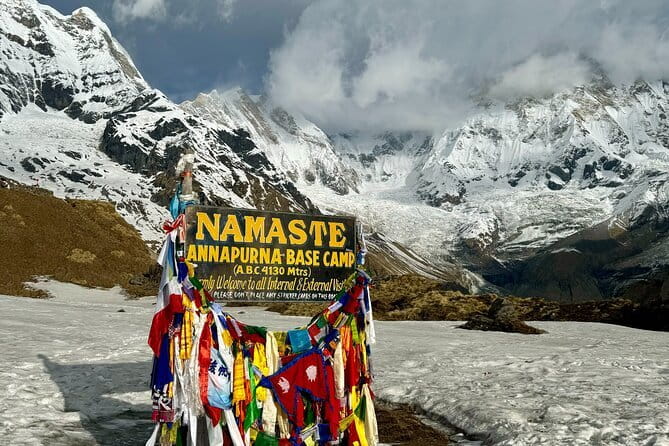
Most people picture Annapurna as “just hiking,” but this package starts by getting you comfortable with Nepal life first. You meet at the TIA Domestic Terminal parking lot in Kathmandu, and the plan is set up to move you from there into Pokhara, often the most relaxing launchpad in the country after Kathmandu.
Pokhara is a lake city with caves, lakes, eateries, bars, museums, and well-known paragliding spots. That matters because it gives you time to think about what you’re about to do: how you’ll pace, what you’ll pack, and how you’ll handle cold mornings. If you want extra fun, the trip explicitly offers optional adventure activities in Pokhara such as hot air ballooning, paragliding, or a zip flyer.
There’s also a practical advantage here: the trip includes hotel pickup and drop-off, and you’ll travel with a driver/guide. For a long trekking vacation, that reduces “where do we go next” stress and helps you stay focused on the mountains.
You can also read our reviews of more tours and experiences in Kathmandu.
Nayapul to Poon Hill: your sunrise practice run
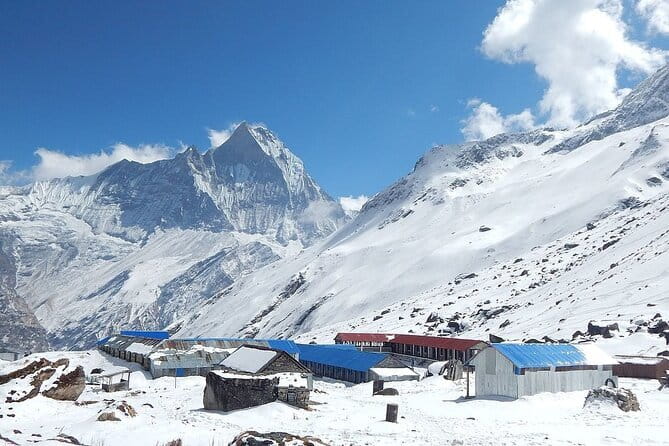
Formally, the walking begins from Nayapul, about a two-hour drive from Pokhara. This matters because it acts like a transition day: you’re not jumping straight into high-altitude fatigue. Instead, you build walking legs while the landscape shifts from lakeside comfort toward forest trail scenery.
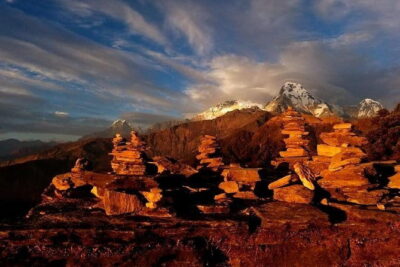
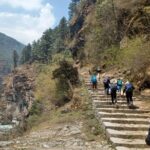
From here, the trek leans hard into the Ghorepani Poon Hill idea. The route climbs to Poon Hill (3,210m) for the gorgeous sunrise view experience, and it’s timed so you get rewarded for the early start. The trail passes through lush woods where rhododendron, fig, bamboo, juniper, and other plants show up along the way. Even if you’re not a plant-spotter, those different greens and textures make the climb feel less repetitive.
Poon Hill is also more than a photo stop. It sets expectations for what Annapurna will do to you visually: broad peaks, layered ridgelines, and long angles of mountain light. And because you’ll be moving through forests rather than only high stone, the first phase helps you adjust your body to walking rhythms at altitude.
One more nice detail: this is planned as a phase with both sunrise and sunset perspectives. If you’re the kind of person who likes the mountain in different moods, that flexibility is a big plus.
Entering the Himalayan belt: culture, daily life, and conservation country
After Poon Hill, the trek pushes you onward into the Himalayan belt. This is where the experience turns from scenery-first into a mix of culture, terrain, and encounters with people who live closer to the mountains than most visitors ever will.
You’ll pass through areas where Tibetan-origin communities are part of everyday life. That isn’t a sightseeing lecture—it’s something you notice through the tone of villages, the way people move through routines, and the kind of hospitality that shows up when you arrive tired and hungry. The package also highlights Gurung and Magar cultural village stops, and it’s not vague about what you’ll learn: you’re looking at unique housing styles plus typical cuisines and how people receive guests.
There’s also an animal-and-nature side tied to the Annapurna Conservation Area. The trek description points to rare species in the region, so don’t be surprised if you hear birdsong, see signs of wildlife, or catch a fleeting glimpse that makes you stop mid-step. Wildlife won’t be guaranteed, but the conservation framing is a real hint that the trek is meant to take place in protected country rather than a purely built-up route.
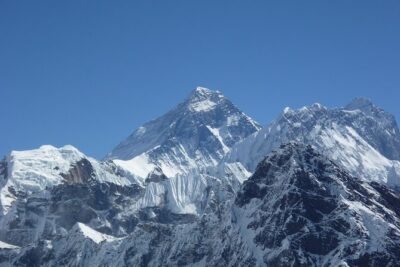
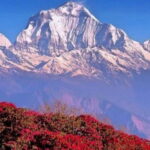
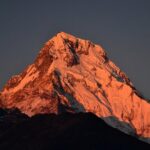
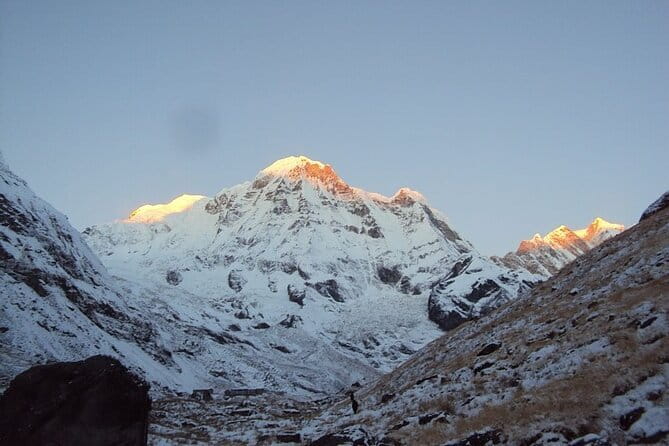
The views here keep stacking. You can expect to see Machhapuchhre, Dhaulagiri, the Annapurna series, Neelgiri, and Himchuli repeatedly as your trail angles change. This kind of frequent “look up and there it is again” scenery is one reason ABC stays so popular.
And yes, the walking continues at a moderate level each day. One review-style description of the trek puts it in an easy-plus-moderate category, with about 5–6 hours of daily walking typical on days in the main rhythm. If that sounds manageable, it is. If you want to sprint, this trek will gently resist you.
Annapurna Base Camp at 4,130m: the payoff you plan for
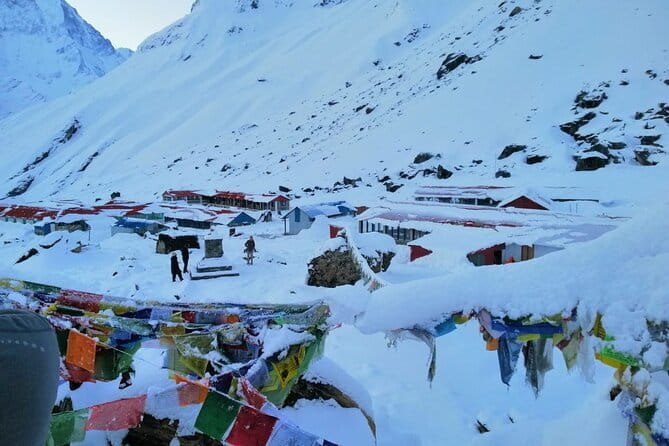
The goal is the Annapurna Base Camp elevation of 4,130m. Reaching that number isn’t just a box to tick; it changes your senses. The air feels thinner, the light shifts, and the mountains stop looking like distant objects and start feeling like you’re living inside their geometry.
At base camp, the itinerary emphasis is clear: spend time there and take as many pictures as you can. That advice is practical, not fluffy. Weather can change quickly in the Himalayas, and visibility isn’t always predictable. When the peaks are clear, you’ll want time to enjoy them without constantly checking your phone.
Also, base camp isn’t only about the dramatic end point. The route to get there is designed to build to the moment. By the time you reach the higher belt, you’ve already practiced rhythm at Poon Hill, learned the local village pace, and been warmed up by forest hiking. That’s why the base camp moment hits harder: you’ve earned it with time, not just elevation.
If you’re traveling with teens, this trek can fit if the family pacing is realistic. One set of trip details described ABC as a trek that worked for a 14-year-old and a 12-year-old, as long as they prepared and took the journey seriously. That’s not “make it easy,” but it is a reminder that ABC is possible for younger hikers with a steady plan.
Machhapuchhre Base Camp bonus and the Jhinu hot springs reset
One of the most motivating add-ons in this trek plan is the Machhapuchhre Base Camp experience. Machhapuchhre is often a favorite peak for trekkers because it feels iconic even when you’re just glimpsing it across a valley. Getting to a base camp area tied to it can feel like seeing the mountain from a different, more intimate angle.
This is also where you’ll start thinking about how to handle fatigue on the way down. The trek description includes hot water natural springs near Jhinu, which function as a kind of trail-side reset for tired legs and muscles. Even if you don’t love cold-water challenges, the concept here is solid: after a big push, you get a recovery moment built into the experience.
This portion also makes the route more than “go up, turn around, go down.” Instead, you get a bonus mountain moment and then a recovery stop that helps you feel human again before the journey back toward the lowlands.
Price and what you’re really paying for (and not paying for)
The price is $999 per person for a roughly 15-day experience, and that number looks more reasonable when you look at what’s included.
Included in the package:
- Accommodation as per itinerary
- Entrance fees
- Breakfast
- Driver/guide
- Hotel pickup and drop-off
What’s not included:
- Food and drinks (you’ll buy them along the way)
- Alcoholic drinks, with a stated minimum drinking age of 18
So what does that mean for your wallet? You’re covering the “big logistics” parts: guides, transport support, and lodging, plus some fees tied to accessing places. That’s valuable because on a trek, the hidden costs can pile up fast if you try to self-book everything. Here, the package reduces that stress.
The main budget variable is food and drinks. Breakfast is handled, but other meals are on you, and that’s normal for trekking routes. Plan to eat local meals, budget for tea/coffee, and keep water handling in mind. Alcohol is available to purchase, just not for under-18s.
One more practical point: the tour includes a mobile ticket, and confirmation is received at booking time. That makes it easier to show up and start moving without waiting around for paper documents.
Group size, pace, and the comfort level you can expect
This trip runs with a maximum group size of 15 travelers. That size usually hits a good balance: you get enough group energy to feel safe and supported, without turning the route into a slow-moving crowd of dozens.
It’s also a trip for moderate fitness. The experience notes a moderate amount of walking and calls for a moderate physical fitness level. In real life, that usually means you should be comfortable with several hours of hiking, not just “I can walk on flat ground.” If you can handle steady uphill walking for part of each day, you’ll likely do fine.
Season matters too. One note tied to October warned that you should expect a higher challenge level: fitness helps, and you’ll want to be flexible, including because you may share the trek with many other people. That’s not a reason to skip. It’s a reason to plan your expectations and take the day’s pace seriously.
Packing and rules for entering places of worship
Two things can trip you up more than you’d expect: clothing rules and weather.
A dress code is required for places of worship and selected museums. You need knees and shoulders covered for both men and women, and shorts or sleeveless tops aren’t allowed. If you show up wrong-dressed, entry can be refused, so pack something light but covering. Think breathable layers that also handle cool mornings.
For the mountains, pack for cold and changing conditions, but the trek data doesn’t list specific temperature ranges. Use your common sense: base camp altitudes are not where you want to be under-dressed. You’ll be walking enough to work up heat, then cooling down as altitude and time-of-day change.
Who this Annapurna Base Camp trek is best for
I’d steer you toward this trek if you want:
- Big views with a clear goal at Annapurna Base Camp (4,130m)
- Sunrise and sunset viewpoints built into the trekking plan via Poon Hill
- Cultural village interaction, not just checkpoint hiking
- A route that includes both recovery time (hot springs near Jhinu) and an optional bonus (Machhapuchhre Base Camp)
It’s also a strong fit if you’re traveling in a small group and want a guide/driver doing the coordination. On a long trek, that can be the difference between enjoying the journey and spending energy on logistics.
If you hate early starts, you might find the sunrise phase hard. If you’re not comfortable with moderate walking days, this trek may still be doable, but you’ll need a slower pace and smart rest days. In other words: don’t treat this like a casual stroll.
Should you book this Annapurna Base Camp trek?
Yes, if you want a well-structured ABC experience that blends Pokhara time, a true Poon Hill sunrise setup, and a cultural route through Gurung, Ghale, and Magar village life, with a final payoff at base camp. The price makes sense because your lodging, guide/driver, and key fees are bundled, and you’re not left cobbling together every piece while you’re tired.
Hold off or get more guidance first if altitude worries you or if you’re looking for a low-walking trip. Also, if you’re visiting during a demanding busy season like October, be ready for tougher conditions and more shared trail time.
If you’re the type who likes mountains, people, and practical planning, this is a trek package worth serious consideration.
FAQ
Where does the Annapurna Base Camp trek start and end?
The experience starts at the TIA Domestic Terminal parking lot in Kathmandu and ends back at the same meeting point.
How long is the trek?
The duration is listed as about 15 days.
What is the price per person?
The price is $999.00 per person.
What’s included in the tour price?
Accommodation as per itinerary, entrance fees, breakfast, driver/guide support, and hotel pickup and drop-off are included.
What’s not included?
Food and drinks are not included, and alcoholic drinks are sold separately with a stated minimum drinking age of 18.
Do I need a moderate fitness level?
Yes. The trip is designed for travelers with a moderate physical fitness level and involves a moderate amount of walking.
Is the group size limited?
Yes. The experience has a maximum of 15 travelers.
Is there free cancellation?
Yes. You can cancel up to 24 hours in advance for a full refund.